
UNFUCG
DashboardSearchChatBookmarksNotificationsActivityPremiumProfile
?
Home
Search
Chat
Saved
Profile
Episode
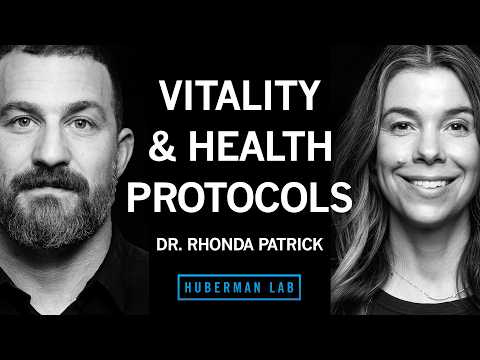
The Best Vitality & Health Protocols | Dr. Rhonda Patrick
~289 min
Episode Brief·YouTube

The Best Vitality & Health Protocols | Dr. Rhonda Patrick

Andrew Huberman
Watch on YouTube Add to chat My bookmarks← All sources

TL;DR

The four things you'd lose by not watching

4 items

TL;DR

The four things you'd lose by not watching

4 items
1

Short bursts of vigorous, unstructured physical activity (e.g., 3 minutes, 3 times a day) are associated with significant reductions in all-cause, cancer-related, and cardiovascular mortality, even for non-exercisers.

2

Stopping eating 3 hours before bed can significantly improve cardiovascular health by allowing for a deeper blood pressure dip during sleep, comparable to effects seen with first-line hypertension drugs.

3

Creatine, particularly at doses of 10g/day or higher, shows promise for cognitive enhancement, especially in states of brain stress like sleep deprivation, and is considered safe for long-term use.

4

Omega-3 fatty acids (DHA/EPA) are crucial for resolving inflammation and improving cell membrane fluidity, with 2g/day often sufficient to raise the omega-3 index to optimal levels, and show synergy with vitamin D and resistance training for reducing cancer risk and slowing biological aging.

Protocols

Concrete recipes — what, when, how much, and why

8 items

Vigorous Intermittent Lifestyle Physical Activity (VILPA)

WhatEngaging in short, unstructured bursts of vigorous physical activity throughout the day.
WhenThroughout the day, whenever opportunities arise (e.g., sprinting up stairs, playing actively).
DoseAt least 1 minute long, up to 3 minutes per burst. Aim for 3 bursts per day (totaling 9 minutes).
For whomEveryone, especially those who struggle to commit to structured exercise routines or want to supplement their existing workouts.
WhyAssociated with significant reductions in all-cause, cancer-related, and cardiovascular mortality. It leverages everyday situations to elevate heart rate and movement, providing substantial health benefits even for non-exercisers.
CaveatsThe key is 'intent' and vigor; simply moving slowly may not yield the same benefits.

Dr. Patrick highlights that these 'exercise snacks' or VILPA, which are short bursts of movement lasting 1 to 3 minutes, can have profound effects on health. For instance, individuals engaging in 3 minutes of such activity, three times a day (totaling 9 minutes), showed a 40% reduction in all-cause mortality, a 40% reduction in cancer-related mortality, and a 50% reduction in cardiovascular-related mortality. This data comes from studies using accelerometers, which provide more objective measurements than self-reported questionnaires. These benefits are observed even in people who don't identify as exercisers, suggesting that integrating movement into daily life, like sprinting up stairs or playing actively, is highly effective. The key is the 'intent' and vigor of the movement, even if heart rate isn't directly measured.

Mechanism

While not directly measuring heart rate, the vigorous intent of these movements elevates physiological demand, leading to adaptations similar to more formal high-intensity exercise. These short, intense bursts contribute to improved cardiovascular fitness and overall health outcomes.

Personal experience

Dr. Patrick incorporates these short bursts into her day, such as sprinting up stairs when traveling, recognizing their importance when a full workout isn't feasible. She also mentions doing 10-minute Tabata sessions on a Peloton or air squats/high knees/jumping jacks in a hotel room when time is limited.

There's lots of data now showing that people that are doing these like short bursts at least a minute long but up to three minutes they're moving faster with intent and it's having outsiz effects on on health outcome.

Stopping Eating Before Bed

WhatCeasing food intake a specific number of hours before going to sleep.
WhenIdeally, 3 hours before bedtime.
Dose3 hours minimum.
For whomEveryone, particularly those concerned with cardiovascular health, sleep quality, and managing inflammation.
WhyAllows the body to transition into a parasympathetic 'rest and recovery' state, leading to a deeper blood pressure dip and lower heart rate during sleep, which is crucial for cardiovascular health. Eating too close to bedtime activates the sympathetic nervous system and can impair this recovery.
CaveatsConsistency is key; occasional deviations due to social obligations are acceptable.

Dr. Patrick emphasizes the importance of stopping food intake at least three hours before bed. This practice allows the body to shift from a sympathetic (digestive) state to a parasympathetic (rest and recovery) state, which is vital for cardiovascular health. She cites a study where individuals who stopped eating three hours before bed experienced a significantly lower blood pressure dip during sleep compared to those who ate closer to bedtime. This deeper dip is a marker of parasympathetic activation and is associated with a 20% reduction in cardiovascular events like heart attacks, an effect comparable to some first-line hypertension medications. Beyond cardiovascular benefits, this practice also aligns with the body's natural circadian rhythm, as insulin sensitivity decreases and melatonin levels rise in the evening, making late-night eating less metabolically favorable. It also helps improve sleep quality by allowing the body temperature to drop, which is necessary for sleep onset.

Mechanism

Eating activates the sympathetic nervous system and requires energy for digestion, raising body temperature. To achieve optimal sleep and cardiovascular recovery, the body needs to be in a parasympathetic state, characterized by lower heart rate and blood pressure. Studies show that stopping eating 3 hours before bed allows for a more significant nocturnal blood pressure dip, which is associated with a 20% lower risk of cardiovascular events. Additionally, insulin sensitivity decreases in the evening as melatonin levels rise, making late-night carbohydrate-rich meals particularly detrimental.

Personal experience

Dr. Patrick tries to stop eating by 7 PM to be asleep by 10 PM. She acknowledges that family and social obligations can sometimes disrupt this, but emphasizes the importance of the habit. She also notes that she sometimes eats earlier, leading to hunger in the morning, and adjusts her eating schedule based on how she feels.

So, there was a new even a new study that I shared like I don't know a couple days ago even showing that if you stop eating 3 hours before bed... their blood pressure dipped like lower.

Creatine Supplementation

WhatSupplementing with creatine monohydrate.
WhenDaily, often split into two doses (e.g., morning and afternoon/evening).
Dose10 grams per day for cognitive benefits, 5 grams per day for muscle saturation. Higher doses (20-25g) for acute brain stress (e.g., sleep deprivation).
For whomIndividuals engaged in resistance training, those experiencing cognitive stress or sleep deprivation, and older adults. Children in sports may also benefit.
WhyIncreases muscle creatine stores to improve training volume and recovery. For the brain, it enhances cognitive function, especially under stress (e.g., sleep deprivation, high cognitive load), by providing energy and potentially reducing inflammation. It is also beneficial for bone health.
CaveatsSome individuals may experience GI irritation or diarrhea at higher doses, so splitting doses is recommended. While generally safe, very high doses (e.g., 50g+) are not recommended. Not a direct anabolic agent; it supports training volume.

Dr. Patrick details her personal journey with creatine, initially taking 5 grams daily for muscle benefits, but increasing to 10 grams daily after learning about its cognitive effects, particularly from studies showing increased brain creatine levels at higher doses. She explains that while muscles are 'greedy' for creatine, higher doses can saturate brain regions, especially those involved in executive function. She highlights research indicating that creatine can significantly improve cognitive performance in states of brain stress, such as sleep deprivation, with doses of 20-25 grams. While acknowledging that much of the brain-related data is emerging and from small studies, she finds the consistent trend line compelling. She emphasizes creatine's safety profile, noting it's one of the most well-studied supplements, and that it's not a direct anabolic agent but rather supports training volume and recovery. She also mentions its benefits for bone health.

Mechanism

Creatine is stored as creatine phosphate in muscles and the brain, serving as a rapid energy reserve. By increasing these stores, it allows for greater ATP regeneration during high-intensity activities, thus improving training volume and strength. In the brain, creatine supports energy metabolism, which is crucial during periods of stress or high cognitive demand. Emerging data suggests it can increase creatine levels in specific brain regions (e.g., frontal cortex) at higher doses (10g+), potentially enhancing cognitive function, working memory, and strategic planning. It may also have indirect anti-inflammatory effects.

Personal experience

Dr. Patrick takes 10 grams of creatine daily, split into two doses, and has noticed improved brain functioning and sustained energy later in the day. When traveling or sleep-deprived, she increases her dose to 20-25 grams. She also gives her son 2.5 grams of creatine daily. She acknowledges a potential placebo effect but is comfortable with it given creatine's safety.

So the 10 grams of creatine a day, which is now what my baseline is, is based off of that. But there's studies now showing that um if you are in this sort of stressed state, your brain is stressed like for sleep sleep deprivation for example, you're sleepd deprived for 21 hours and your brain's not working very good after not sleeping for 21 hours, right?

Omega-3 Fatty Acid Supplementation

WhatSupplementing with DHA and EPA omega-3 fatty acids.
WhenDaily.
Dose2 grams per day to raise omega-3 index from low to high. Prescription sources like Lovaza (4g/day) are also mentioned.
For whomEveryone, especially those with low omega-3 index, those concerned with inflammation, cardiovascular health, brain health, and longevity. Pregnant women for fetal brain development.
WhyOmega-3s are powerful anti-inflammatory agents that help resolve inflammation, which is a core driver of aging and disease. They are crucial for cell membrane fluidity, particularly in endothelial cells and brain cells, impacting cardiovascular health, brain function, and immune response. They can slow biological aging and reduce cancer risk.
CaveatsEnsure clean sources due to potential contamination (microplastics, heavy metals, PCBs) in some fish. Prescription sources may offer cleaner, more concentrated options.

Dr. Patrick passionately advocates for omega-3 supplementation, highlighting their role as the most powerful naturally occurring dietary compounds for resolving inflammation, a key driver of the aging process. She explains that DHA and EPA, found in supplements like Lovaza, are metabolized into specialized pro-resolving mediators (SPMs) such as resolvins and protectins, which actively turn off inflammatory responses. Beyond inflammation, omega-3s are critical for maintaining the fluidity and flexibility of cell membranes, particularly in endothelial cells lining blood vessels and in brain cells. This fluidity is essential for proper cellular function, neurotransmission (affecting dopamine and serotonin), and overall cardiovascular health, preventing the stiffening of arteries. She cites studies showing omega-3s can slow epigenetic aging and, in combination with vitamin D and resistance training, reduce the risk of invasive cancer by 66%. She recommends around 2 grams per day to achieve an optimal omega-3 index (8% or higher) and suggests prescription sources for their purity and concentration, especially given concerns about contaminants in fish.

Mechanism

DHA and EPA are metabolized into specialized pro-resolving mediators (SPMs) like resolvins and protectins, which actively resolve inflammation rather than just suppressing it. They are incorporated into cell membranes, increasing their fluidity and flexibility, which is vital for the function of endothelial cells (vascular health) and brain cells (neurotransmission, receptor function). This fluidity impacts dopamine and serotonin pathways. Omega-3s also influence epigenetic aging clocks, with studies showing they can slow biological aging and, in synergy with vitamin D and resistance training, significantly reduce invasive cancer risk.

Personal experience

Dr. Patrick takes omega-3s and has her parents take them. She notes that Andrew Huberman's blood profiles dramatically improved after taking Lovaza based on their previous conversation.

omega-3 is very important for cardiovasc I would say the most powerful naturally occurring dietary compounds for suppressing inflammation and resolving inflammation would be better way of putting it right I mean and that's again at the core of aging

Magnesium Supplementation (Glycinate/Bisglycinate for Sleep, L-Threonate for Cognition)

WhatSupplementing with specific forms of magnesium.
WhenMagnesium glycinate/bisglycinate: a couple of hours before bed. Magnesium L-threonate: potentially daily for cognitive benefits.
DoseDaily requirements: 300-350mg/day for women, 350-400mg/day for men, potentially higher for athletes. Specific doses for L-threonate not detailed but implied to be sufficient to cross the blood-brain barrier.
For whomMost adults, as half the US population is magnesium deficient. Those seeking improved sleep, cognitive function, and overall cellular health.
WhyMagnesium is a co-factor for over 3000 enzymatic pathways, crucial for energy production, DNA repair, and neurotransmission. Glycinate/bisglycinate forms are good for sleep due to the calming effects of glycine. L-threonate is hypothesized to cross the blood-brain barrier more readily, potentially enhancing cognitive function.
CaveatsMagnesium L-threonate data is primarily animal-based, with limited human studies. Ensure overall magnesium requirements are met, as L-threonate might prioritize brain delivery over other bodily needs. Be aware of potential conflicts of interest in studies funded by supplement companies.

Dr. Patrick discusses the different forms of magnesium, distinguishing between magnesium glycinate/bisglycinate and magnesium L-threonate. She takes glycinate for sleep, noting that glycine itself is beneficial for sleep. For cognitive benefits, she's experimenting with magnesium L-threonate, which is believed to cross the blood-brain barrier more effectively, based largely on animal studies and some emerging human data. She emphasizes that magnesium is a co-factor for over 3,000 enzymatic pathways, crucial for energy, DNA repair, and neurotransmission, and that half the US population is deficient. She also points out that magnesium is necessary for converting vitamin D3 into its active steroid hormone, explaining why some vitamin D supplementation studies might show negative results if magnesium levels are insufficient. Her concern with L-threonate is whether it adequately fulfills the body's overall magnesium needs if it preferentially targets the brain, suggesting the need for additional magnesium sources. She also touches on the lack of large-scale human studies due to funding limitations and the potential for conflicts of interest in industry-funded research.

Mechanism

Magnesium is essential for numerous biological processes, including ATP synthesis, DNA repair, and nerve impulse transmission. Glycine, when bound to magnesium (glycinate/bisglycinate), is an inhibitory neurotransmitter that promotes relaxation and sleep. Magnesium L-threonate is theorized to have enhanced ability to cross the blood-brain barrier, increasing magnesium levels in the brain, which could facilitate neurotransmission and improve cognitive processes. Magnesium also plays a role in converting vitamin D3 to its active form, highlighting its broad impact on health.

Personal experience

Dr. Patrick takes magnesium glycinate for sleep, usually a couple of hours before bed. She is experimenting with magnesium L-threonate for cognition. She notes that her magnesium requirements increase with exercise due to sweating.

If we if we're comparing m magnesium bis glycinate or magnesium glycinate depending on how many molecules of glycine are attached to the magnesium compared to magnesium L3N8. Um the the main difference here and this is based on very limited amount of data. A lot of it animal data with respect to the magnesium 3 and8 is that that form of magnesium is supposed to get into and cross the bloodb brain barrier more readily and get into the brain better

Sulforaphane Supplementation (via Glucoraphanin)

WhatSupplementing with glucoraphanin, a precursor to sulforaphane, often from broccoli sprout extracts.
WhenDaily.
DoseNot specified, but implied to be a regular, consistent intake.
For whomEveryone, particularly those concerned about environmental toxins, cancer prevention, and overall detoxification.
WhySulforaphane is a powerful activator of the NRF2 pathway, which is crucial for detoxification and antioxidant responses. It helps the body excrete harmful compounds (e.g., from air pollution, potentially plastics) and increases glutathione levels, while deactivating enzymes that convert procarcinogens into carcinogens.
CaveatsEnsure the supplement contains glucoraphanin for stability, which is then converted to sulforaphane by gut bacteria or plant enzymes. While animal data is strong, human data on specific effects like BPA detoxification is still emerging.

Dr. Patrick takes glucoraphanin (a stable precursor to sulforaphane) daily, specifically mentioning the supplement 'Avmacol.' She explains that sulforaphane, derived from cruciferous vegetables like broccoli sprouts, is a potent activator of the NRF2 pathway. This pathway is critical for the body's detoxification processes, helping to excrete harmful compounds. She cites studies, particularly from China, showing that sulforaphane extract can significantly increase the excretion of carcinogens like benzene from air pollution. Her personal motivation for taking it, and giving it to her family, is the mechanistic logic that the same enzymes activated by sulforaphane to detoxify benzene also detoxify BPA (a common plastic chemical) by making it water-soluble for excretion. While human data on BPA detoxification is still emerging, strong animal evidence supports this. Additionally, sulforaphane powerfully increases glutathione, a key antioxidant, and deactivates enzymes that can convert procarcinogens into carcinogens.

Mechanism

Glucoraphanin is converted into sulforaphane, primarily by the enzyme myrosinase (released when cruciferous vegetables are chewed/crushed) or by gut microbiome. Sulforaphane is a potent activator of the NRF2 pathway, a master regulator of antioxidant and detoxification genes. This pathway upregulates enzymes that make harmful compounds (like benzene from air pollution, and mechanistically, BPA from plastics) water-soluble, facilitating their excretion. It also powerfully increases glutathione, a key endogenous antioxidant, and deactivates phase one biotransformation enzymes that can convert procarcinogens into active carcinogens.

Personal experience

Dr. Patrick takes Avmacol (glucoraphanin) daily and gives it to her entire family, driven by the mechanistic logic that it helps detoxify plastics and other harmful compounds.

I basically think that it someone's going to show it and it's going to be clear because the enzymes that are, you know, involved are activated by this, you know, by sulforophane and that's been shown with benzene and acryine excretion, right? So why wouldn't it be BPA?

Urolithin A Supplementation

WhatSupplementing with Urolithin A, often in the form of 'Mopure'.
WhenDaily.
DoseNot specified, but implied to be a regular, consistent intake.
For whomIndividuals interested in mitochondrial health, anti-aging, and potentially improving endurance or immune function.
WhyUrolithin A stimulates mitophagy, a specific form of autophagy that cleans up damaged mitochondria. This process is crucial for mitochondrial repair and rejuvenation, potentially improving endurance performance and immune cell function, and combating inflammaging.
CaveatsClinical data is still emerging, though randomized controlled trials show it stimulates mitophagy. Ensure the supplement is from a reputable source.

Dr. Patrick supplements with Urolithin A, specifically mentioning 'Mopure,' due to her interest in its effects on mitochondrial health. She explains that Urolithin A is a metabolite produced by gut bacteria from ellagitannins, polyphenols found in foods like pomegranate. This compound has been shown in randomized controlled trials in humans to stimulate mitophagy, a specialized form of autophagy that targets and clears out damaged mitochondria. This process is essential for mitochondrial repair and rejuvenation, which she describes as a 'cleanup process' for cellular 'gunk.' While acknowledging that clinical data is still emerging, she notes that Urolithin A has shown promise in improving endurance performance (logical given mitochondria's role in energy) and potentially helping immune cells remain 'younger,' thereby combating 'inflammaging.' She views it as a safe experiment, given the lack of high-dose risks.

Mechanism

Urolithin A is a metabolite formed by gut bacteria from ellagitannins (polyphenols found in pomegranates, raspberries, walnuts). It specifically stimulates mitophagy, the selective degradation and recycling of damaged mitochondria. This 'cleanup' process is vital for maintaining healthy mitochondrial function, which is central to cellular energy production and overall health. By removing dysfunctional mitochondria, Urolithin A can rejuvenate the mitochondrial population, potentially leading to improved cellular efficiency, enhanced endurance, and a 'younger' immune system, thereby combating inflammaging.

Personal experience

Dr. Patrick takes Urolithin A (Mopure) as an experiment, finding it seems safe and aligns with her interest in mitochondrial health.

The other one I take is now I'm taking uralithn in the form of I'm taking moper by the way I have nothing to do with these companies but there's now I've just been over the years increasingly interested. So uraliththan A is something that is formed from a type of polyphenol that's found in some fruits like pomegranate being the main one I think and raspberries may also have some I think walnuts also but it's elagitanin is the polyphenol and these elagitanins get metabolized by the gut microbiome and the metabolites that are formed one of them is called uroliththn and so uroliththn is a compound that seems to stimulate the process of mphagy

Alpha-GPC Supplementation

WhatSupplementing with Alpha-GPC (Alpha-glycerophosphocholine).
WhenBefore workouts or when needing late-day focus without caffeine.
Dose600 milligrams.
For whomIndividuals needing enhanced focus or energy, particularly later in the day, or those looking to improve REM sleep.
WhyCan increase energy and focus, improve REM sleep, and allow for late-day cognitive or physical activity without disrupting sleep, unlike caffeine.
CaveatsEnsure a reputable brand. Not a substitute for good sleep or overall health practices.

Dr. Patrick discusses Alpha-GPC as a tool for enhancing focus and energy, especially later in the day when caffeine might disrupt sleep. She notes that it can improve REM sleep, making it unique among compounds that boost late-day performance. Andrew Huberman mentions taking 600mg before workouts or when needing to focus late, finding it allows him to work or exercise without compromising sleep. The mechanism is likely related to its role as a choline precursor, supporting acetylcholine synthesis, a neurotransmitter vital for cognitive functions. Dr. Patrick expresses interest in re-experimenting with it, especially as a safer alternative to highly addictive substances like nicotine for achieving an 'alert but calm' state.

Mechanism

Alpha-GPC is a choline compound that can increase acetylcholine levels in the brain, a neurotransmitter crucial for learning, memory, and focus. It has also been shown to improve REM sleep, which is important for cognitive function and memory consolidation. By providing a source of choline, it supports neuronal function and can enhance alertness and cognitive performance without the stimulating effects of caffeine that might interfere with sleep.

Personal experience

Andrew Huberman takes 600mg of Alpha-GPC before workouts or when needing to focus late in the day, finding it helps him maintain energy and focus while still sleeping well, and even improving REM sleep. Dr. Patrick used to take it and is considering re-experimenting.

Alpha GPC actually will improve your REM sleep. It's not a huge effect, but you'll notice you'll get more REM sleep. So it's one of the few things I found that can increase energy late in the day. do a workout or or work if I have to work later into the day. Still sleep just fine and actually sleep better.

What's new

Personal practice updates, fresh positions, predictions

5 items

Vigorous Intermittent Lifestyle Physical Activity (VILPA)

Unstructured, short bursts of vigorous physical activity throughout the day, such as sprinting up stairs or playing with children, have significant positive health outcomes.

Why this matters: This challenges the traditional view that only structured, long-duration exercise provides substantial health benefits, offering an accessible alternative for those unable to commit to formal workouts.

Background

Historically, exercise recommendations focused on structured, moderate to vigorous intensity workouts of specific durations. However, new data, often using accelerometers, reveals the impact of incidental, high-intensity movements.

Dr. Patrick highlights that these 'exercise snacks' or VILPA, which are short bursts of movement lasting 1 to 3 minutes, can have profound effects on health. For instance, individuals engaging in 3 minutes of such activity, three times a day (totaling 9 minutes), showed a 40% reduction in all-cause mortality, a 40% reduction in cancer-related mortality, and a 50% reduction in cardiovascular-related mortality. This data comes from studies using accelerometers, which provide more objective measurements than self-reported questionnaires. These benefits are observed even in people who don't identify as exercisers, suggesting that integrating movement into daily life, like sprinting up stairs or playing actively, is highly effective. The key is the 'intent' and vigor of the movement, even if heart rate isn't directly measured.

Personal experience

Dr. Patrick mentions taking advantage of these moments herself, like sprinting up stairs when traveling, and notes that she doesn't always have time for a full workout, so these short bursts are crucial for her.

There's lots of data now showing that people that are doing these like short bursts at least a minute long but up to three minutes they're moving faster with intent and it's having outsiz effects on on health outcome.

Protein Intake for Muscle Growth vs. Training

Dr. Patrick prioritizes consistent, vigorous training over meticulously hitting high protein targets, finding that excessive focus on protein can lead to increased caloric intake and weight gain, especially in perimenopause.

Why this matters: This perspective challenges the common '1 gram per pound of body weight' protein mantra, suggesting that for many, especially women in certain life stages, the emphasis should shift more towards the training stimulus itself.

Background

The prevailing advice in fitness and nutrition circles often recommends consuming 1 gram of protein per pound of body weight (or lean body weight) for optimal muscle growth and recovery. This is often presented as a non-negotiable for those engaged in resistance training.

Dr. Patrick explains that while she aims for a protein intake of 1.2 to 1.6 grams per kilogram of body weight, she found that trying to consistently hit the higher end of this range, particularly from whole foods, led to an increase in overall caloric intake and unintended weight gain, specifically visceral fat. She emphasizes that the training stimulus is paramount, stating, 'I think people should become more obsessed with training and less obsessed with protein.' Her experience, particularly as a 47-year-old woman in perimenopause, suggests that hormonal changes can alter how the body responds to diet, making strict adherence to very high protein targets counterproductive for her body composition goals. She believes that if the training is sufficient, the body's natural appetite for protein will increase, guiding appropriate intake.

Personal experience

Dr. Patrick personally found that trying to consume very high protein amounts led to gaining more weight due to increased caloric intake. She now aims for 1.3-1.4g/kg body weight and has found it effective for her body composition, especially in her late 40s. She also notes that her drive to be in a caloric deficit for visceral fat reduction influenced her approach.

I think that we need generally speaking, I think people should become more obsessed with training and less obsessed with protein. Like the protein will complement the training.

Microplastics in Bottled Water (Glass vs. Plastic)

A study found that glass bottles can contain more microplastics than plastic bottles, with the source being the paint on the lids. However, the microplastics from glass bottles were larger, making them less likely to be absorbed by the body.

Why this matters: This finding is counterintuitive, as glass is generally perceived as a 'cleaner' and safer alternative to plastic for food and beverage storage, and highlights the complexity of microplastic contamination.

Background

There's growing public concern about microplastic contamination, particularly in plastic bottles, leading many to switch to glass alternatives in the belief that they are safer and free from microplastics.

Dr. Patrick references a study (from France and the US) that revealed a surprising finding: glass bottles, specifically Mountain Valley Spring Water, contained a larger volume of microplastics compared to plastic bottles. The source of this contamination was identified as the paint on the lids of the glass bottles, which leaches into the water during the bottling process. Crucially, the study also indicated that the microplastics found in the glass bottles were larger in size. Dr. Patrick explains that larger microplastics are less likely to be absorbed through the gut epithelial cells and are more readily excreted from the body, making them potentially less concerning than smaller, more bioavailable microplastics. Despite this, she still opts for glass bottles when traveling due to the larger size of the microplastics, suggesting a nuanced approach to risk assessment.

Personal experience

Dr. Patrick mentions that she personally drinks Mountain Valley Spring Water when traveling and still opts for glass over plastic, even with this knowledge, due to the larger size of the microplastics found in glass bottles.

there was a study that came out showing that there's actually a larger uh volume of microplastics in within this study in from glass bottles versus plastic bottles which was a very shocking finding.

Multivitamin Benefits for Brain Aging

Large randomized controlled trials have shown that daily multivitamin supplementation can significantly reduce brain aging and improve episodic memory in older adults.

Why this matters: This provides strong evidence for the efficacy of multivitamins, challenging the common skepticism that they are 'useless' or only result in 'expensive urine.'

Background

Multivitamins have often been dismissed by some as ineffective or unnecessary, with critics suggesting that nutrients should ideally come from whole foods and that supplements are largely excreted without benefit.

Dr. Patrick cites three large randomized controlled trials, part of the Cosmos trials, which investigated the effects of multivitamin supplementation in older adults (65 years and older). These studies, using a standard, affordable multivitamin (Centrum Silver), demonstrated that after approximately one year of daily intake, participants experienced a global reduction in brain aging by about 2.1 years. More specifically, episodic brain aging, which relates to memory of events and experiences, was reduced by 4.9 years. Dr. Patrick emphasizes that these are significant effects for a simple daily supplement, especially given the common skepticism surrounding multivitamins. She argues that these findings provide compelling evidence that multivitamins are not useless and can play a role in supporting cognitive health in aging populations.

Personal experience

Dr. Patrick takes a multivitamin herself, not being an older adult, but to cover her bases, acknowledging that while it might not have the same dramatic effect on her, it's not harmful and covers micronutrient needs.

anyone that tells you that multivitamins are useless, they're wrong. I'm going to tell you that they're wrong because I I think now we have pretty strong data, three very large randomized control trials, part of the Cosmos trials.

Bananas and Polyphenol Degradation

Bananas contain an enzyme that degrades polyphenols, particularly those found in blueberries, reducing the cognitive benefits when mixed in smoothies.

Why this matters: This highlights a specific food combination that can inadvertently diminish the nutritional value of a healthy meal, offering a practical tip for optimizing nutrient intake.

Background

Smoothies are often seen as a convenient way to combine various healthy ingredients, including fruits rich in polyphenols like blueberries, for their antioxidant and cognitive benefits.

Dr. Patrick explains that she used to include bananas in her smoothies, primarily for their texture and sweetness. However, she learned that bananas contain an enzyme that actively breaks down polyphenols, especially the beneficial ones found in blueberries, which are known for their cognitive-enhancing properties. Since her primary motivation for consuming blueberries in smoothies was to leverage these polyphenols, combining them with bananas was counterproductive. This mechanistic understanding led her to stop mixing bananas with blueberries in her smoothies, advising others to avoid this combination if they aim to maximize polyphenol intake.

Personal experience

Dr. Patrick used to put bananas in her smoothies but stopped after learning about their enzyme's effect on polyphenols, particularly from blueberries, which she consumes for cognitive benefits.

So, I used to put bananas in my smoothies. And there's an there's an enzyme that is produced in bananas that break down polyphenols, particularly ones that are found in blueberries.

Recommendations

Products, supplements, and tools mentioned in the episode

3 items

Lovaza (prescription omega-3)

Supplement

A prescription-grade omega-3 supplement (DHA/EPA) known for its high concentration and purity.

Andrew Huberman started taking Lovaza, a prescription omega-3, based on a previous conversation with Dr. Patrick. He sought a clean, highly concentrated source of omega-3s, especially as he approached 50. He notes that Lovaza is now available in a generic, inexpensive form. After incorporating it, his blood profiles, which were already good, improved dramatically. Dr. Patrick supports this choice, emphasizing that prescription sources can be the cleanest and most cost-efficient way to achieve sufficient omega-3 intake, avoiding contaminants found in some fish.

vs alternatives

Preferred over standard omega-3 sources due to its high concentration, purity, and availability in a generic, inexpensive form, addressing concerns about contaminants like mercury and microplastics in fish.

Personal experience

Andrew Huberman started taking Lovaza based on Dr. Patrick's previous recommendations and observed dramatic improvements in his blood profiles.

On the basis of our last conversation some years ago on this podcast, I um started taking Lovaza, which is a as you know, a prescription omega-3, so very high concentration omega-3 cuz I was getting it from, you know, standard sources.

Find Lovaza

N-Acetyl Cysteine (NAC)

Supplement

A supplement taken to support the immune system and lung health, particularly when feeling run down or exposed to illness.

Andrew Huberman takes NAC (N-Acetyl Cysteine) consistently once a day, increasing to three times a day when traveling or feeling run down, especially during winter. He cites data suggesting NAC can reduce flu transmission and notes that an ER doctor he interviewed was a proponent for those around sick people. Dr. Patrick expresses a caveat: NAC is a powerful antioxidant, and daily high-dose use might blunt beneficial exercise adaptations by interfering with the transient oxidative stress needed for adaptation. She advises timing it away from workouts or using it only when truly needed, like during illness exposure, to avoid 'reductive stress' (too many reducing equivalents).

Personal experience

Andrew Huberman takes NAC daily and increases the dose when traveling or feeling run down. Dr. Patrick expresses caution about daily use due to its antioxidant properties.

I take it once a day uh consistently, but I'll take it three times a day if I'm traveling a lot because I'm around sick people when I travel, especially in winter. Um, or if I feel like I'm getting run down.

Find N-Acetyl

Nicotinamide Riboside (NR)

Supplement

A NAD+ precursor supplement taken for mitochondrial health and energy.

Dr. Patrick takes Nicotinamide Riboside (NR), specifically True Niagen, for its potential effects on mitochondrial health and energy. She became interested due to its impact on fertility and recovery. While acknowledging that the data is still emerging and not as robust as for other supplements, she finds it safe and notes personal benefits, including increased energy. She discusses the concern about NAD+ precursors potentially accelerating cancer growth (as seen in some mouse studies with NMN and pancreatic cancer cells) but also points to studies showing protective effects against certain skin cancers. She views it as an experiment, not a core supplement, but finds it beneficial for her. Andrew Huberman mentions taking sublingual NMN and observing rapid hair and nail growth, which raises concerns about other potential growth effects.

Personal experience

Dr. Patrick takes True Niagen (NR) and finds it beneficial for energy and recovery, though she considers it an experimental supplement. Andrew Huberman takes NMN and observes rapid hair and nail growth.

I don't know that it's going to help you live longer either. Now, it might help with your exercise recovery a bit, right? It might it might help improve mitochondrial function. I mean, maybe it's going to help with repleting some of the NAD stores.

Find Nicotinamide
Disclosed sponsorships5speaker disclosed

AG1

Supplement Sponsored · disclosed

A comprehensive foundational nutritional supplement combining vitamins, minerals, prebiotics, probiotics, and adaptogens.

DisclosureAndrew Huberman has been taking AG1 for nearly 15 years and states it's the highest quality and most comprehensive foundational nutritional supplement on the market. He also mentions it's a sponsor.

Andrew Huberman has been taking AG1 daily since 2012, long before starting his podcast. He considers it the highest quality and most comprehensive foundational nutritional supplement available. It combines a wide array of ingredients, including vitamins, minerals, prebiotics, probiotics, and adaptogens, into a single, easy-to-drink scoop. The primary goal of AG1 is to support gut health, immune health, and overall energy by filling potential nutritional gaps. Huberman emphasizes its critical role in supporting his physical health, mental health, and performance, and notes that many other daily users report similar benefits. He recommends it as the single supplement he would choose if he could only take one.

vs alternatives

Presented as a comprehensive, all-in-one solution, implying it covers needs that might otherwise require multiple individual supplements.

Personal experience

Andrew Huberman has been taking AG1 daily for nearly 15 years and finds it critical for his physical and mental health and performance.

AG1 is, to my knowledge, the highest quality and most comprehensive of the foundational nutritional supplements on the market. It combines vitamins, minerals, prebiotics, probiotics, and adaptogens into a single scoop that's easy to drink, and it tastes great.

Find AG1

Lingo Continuous Glucose Monitoring App

Tool Sponsored · disclosed

A continuous glucose monitoring (CGM) app that provides minute-by-minute glucose data.

DisclosureAndrew Huberman uses Lingo and it is a sponsor of the podcast.

Lingo, by Abbott, offers a continuous glucose monitoring (CGM) app that provides real-time, minute-by-minute glucose data. This allows users to see how their blood glucose levels respond to various factors such as food, exercise, and stress. Andrew Huberman highlights the importance of maintaining relatively stable glucose levels throughout the day, avoiding significant peaks and valleys, for optimal brain function, mood, and energy. The app provides actionable insights, enabling users to make smarter daily choices to support their health. Given that a significant portion of American adults have pre-diabetes, often unknowingly, Lingo offers crucial visibility that can inform dietary and lifestyle adjustments and facilitate more informed conversations with healthcare providers.

Personal experience

Andrew Huberman uses Lingo to monitor his glucose responses to food, exercise, and stress.

Lingo provides minute-by-minute glucose data directly within the app, showing you how your glucose responds to food, exercise, and stress. This information can help you make smarter choices to support your health both now and in the long term.

Find Lingo

Our Place Titanium Always Pan Pro

Product Sponsored · disclosed

A non-stick pan made with pure titanium, free from PFAS and other toxic 'forever chemicals'.

DisclosureAndrew Huberman is a fan of Our Place products and it is a sponsor of the podcast.

Andrew Huberman expresses strong support for Our Place products, particularly their Titanium Always Pan Pro, due to its commitment to being PFAS and toxin-free. He highlights the widespread presence of PFAS (forever chemicals) in 80% of non-stick pans and other kitchen items, linking them to serious health issues like hormone disruption, gut microbiome problems, and fertility issues. The Titanium Always Pan Pro is notable for being the first non-stick pan to use pure titanium, eliminating harmful chemicals and coatings. This design ensures it doesn't degrade or lose its non-stick properties over time. Huberman personally uses it daily for cooking eggs, praising its design for perfect, non-stick cooking and its aesthetic appeal.

vs alternatives

Distinguished by its use of pure titanium and complete absence of PFAS and other toxic chemicals, unlike 80% of other non-stick pans.

Personal experience

Andrew Huberman cooks his eggs in the Titanium Always Pan Pro almost every morning and loves its design and non-stick properties.

I particularly love their Titanium Always Pan Pro. It's the first non-stick pan made with zero chemicals and zero coating. Instead, it uses pure titanium. That means it has no harmful forever chemicals, and it does not degrade or lose its non-stick effect over time.

Find Our

Element Electrolyte Drink

Supplement Sponsored · disclosed

An electrolyte drink containing sodium, magnesium, and potassium in correct ratios, without sugar.

DisclosureElement is a sponsor of the podcast.

Andrew Huberman emphasizes the critical role of proper hydration and adequate electrolyte intake for optimal brain and body function. Even slight dehydration can impair cognitive and physical performance. Element provides essential electrolytes (sodium, magnesium, potassium) in balanced ratios, crucially without added sugar. Huberman incorporates Element into his daily routine by drinking 16-32 ounces of water with an Element packet upon waking to ensure hydration and electrolyte balance, especially given his fast-paced mornings. He also consumes it during physical exercise, particularly on hot days when sweat loss is high. He praises its various flavors.

Personal experience

Andrew Huberman drinks Element dissolved in water first thing in the morning and during physical exercise.

Element is an electrolyte drink that has everything you need and nothing you don't. That means the electrolytes, sodium, magnesium, and potassium, all in the correct ratios, but no sugar.

Find Element

Function Health

Service Sponsored · disclosed

A service providing over 100 advanced lab tests for a comprehensive snapshot of bodily health, with analysis and insights from expert doctors.

DisclosureAndrew Huberman is a member of Function and has joined their scientific advisory board. It is also a sponsor.

Andrew Huberman became a Function member after seeking the most comprehensive approach to lab testing. Function offers over 100 advanced lab tests that provide a detailed overview of one's health, covering heart, hormone, and immune health, as well as nutrient levels. Recently, they've expanded to include tests for toxins like BPA and PFAS (forever chemicals). Beyond just providing results, Function analyzes these biomarkers and offers insights from top medical experts. Huberman shares a personal experience where Function detected elevated mercury levels in his blood and provided actionable advice to reduce them, which proved successful. He highlights the importance of comprehensive blood testing for detecting health issues not visible otherwise, and praises Function for making it affordable and simple, contrasting it with the historically expensive and complex nature of such tests.

Personal experience

Andrew Huberman used Function to detect and address elevated mercury levels in his blood, and he takes a second test to confirm the effectiveness of his interventions.

Function provides over 100 advanced lab tests that give you a key snapshot of your entire bodily health. This snapshot offers you with insights on your heart health, hormone health, immune functioning, nutrient levels, and much more.

Find Function

Notable quotes

Lines worth pulling out — contrarian, specific, or perfectly phrased

5 items
I think that we need generally speaking, I think people should become more obsessed with training and less obsessed with protein. Like the protein will complement the training.
Challenges the common emphasis on high protein intake by prioritizing the training stimulus itself, suggesting that protein intake should naturally follow training demands rather than being a rigid target.
I mean, it's like is the stress of avoiding the microplastics worse than the actual little bit of microplastics you're being exposed to. It might be
Highlights a crucial aspect of health optimization: the potential for anxiety and stress around avoidance behaviors to outweigh the benefits of those behaviors, emphasizing mental health in the equation.
I don't think you should ignore studies that are small. I think that it's part of the story. I think we're getting a little too caught up in it's got to be the randomized placebo control trial. It's got to have lot lots of participants.
Advocates for a holistic approach to scientific evidence, valuing small studies and animal data as pieces of a larger puzzle, rather than dismissing anything that isn't a large-scale randomized controlled trial.
I mean, I'm excited because I take LVZA, I take vitamin D, uh, D3. I take a lot. I take 5 to 8,000 IUs per day and I get sunlight. People actually ask me, this is just a quick window into the messaging around sunlight. Some people will say, 'If I take vitamin D, do I still need sunlight?'
Illustrates a common misconception about supplementation and natural inputs, emphasizing that supplements should complement, not replace, natural health-promoting behaviors like sunlight exposure.
I basically think that it someone's going to show it and it's going to be clear because the enzymes that are, you know, involved are activated by this, you know, by sulforophane and that's been shown with benzene and acryine excretion, right? So why wouldn't it be BPA?
Demonstrates a mechanistic, logical approach to predicting the effects of a compound (sulforaphane) on detoxification, even in the absence of direct human studies for a specific toxin (BPA).

Sign in to share feedback

Tell us if this brief hit the mark or missed it — feedback feeds back into the next iteration of the prompt.

Topics covered

exercise snacksvilpaall-cause mortalitycancer mortalitycardiovascular mortalityjump ropingbone densityposturecardiovascular exerciseresistance traininghigh-intensity interval trainingcrossfitdeadliftssquatscleansrunninghikingtabatabrain benefits of exerciseexecutive function
Free account

Make this library yours

Reading is free for everyone. A free account adds the personal layer: save protocols, follow experts, and see how the other experts weigh in on this same topic.

Create a free accountSign in

Where the experts disagree — weekly

One email a week: the sharpest new disagreements and protocols from the library. No spam, unsubscribe anytime.

Educational summary of the cited expert source — not medical advice. Open the source recording linked above and consult a qualified physician before acting on any protocol.