
Fasting and Meal-Time Realignment on Flights
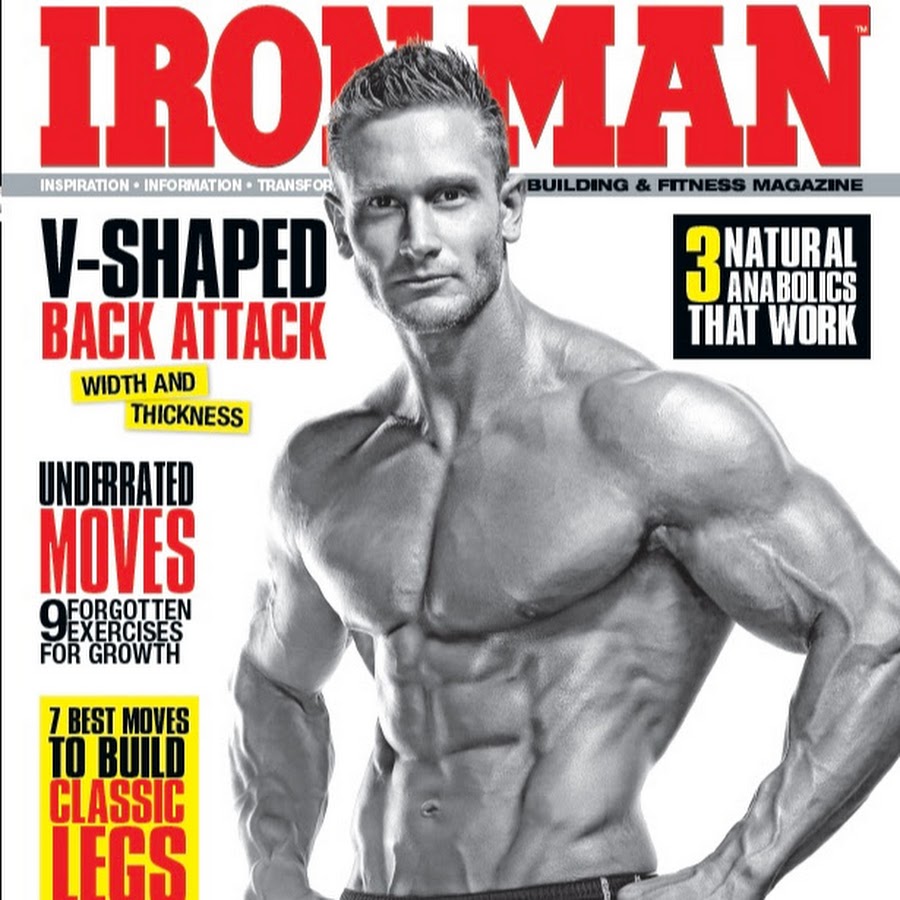
Thomas DeLauer swears by complete fasting on planes, regardless of flight duration, including transatlantic trips. He argues that eating on board adds digestive work and disrupts circadian signaling, while fasting resets the body’s clock. To make this sustainable, he loads up on starchy carbs and creatine before the flight (see separate pre-flight hydration protocol) to maintain hydration and energy. Upon arrival, he waits to eat at a time that matches the new time zone’s meal schedule — e.g., if he lands at noon in Munich, he waits until dinner. He says this single practice has eliminated most jet lag symptoms for him and allowed him to adapt within a couple of days.
Food intake is a powerful circadian cue. By withholding food during the travel period and then eating in sync with the new light-dark cycle, the peripheral clocks (especially in the liver) realign more quickly. Fasting also promotes cellular cleanup (autophagy) and may reduce inflammation.
DeLauer recounts fasting on a recent LAX–Munich flight: eating a meal at 2:00 pm (odd for him) before boarding, then not eating until dinner in Munich. He felt aligned by the next morning.
I will not eat on the plane. I do not eat on the plane. Not I don't eat the plane food, and I do everything I can to not eat on the plane in general.