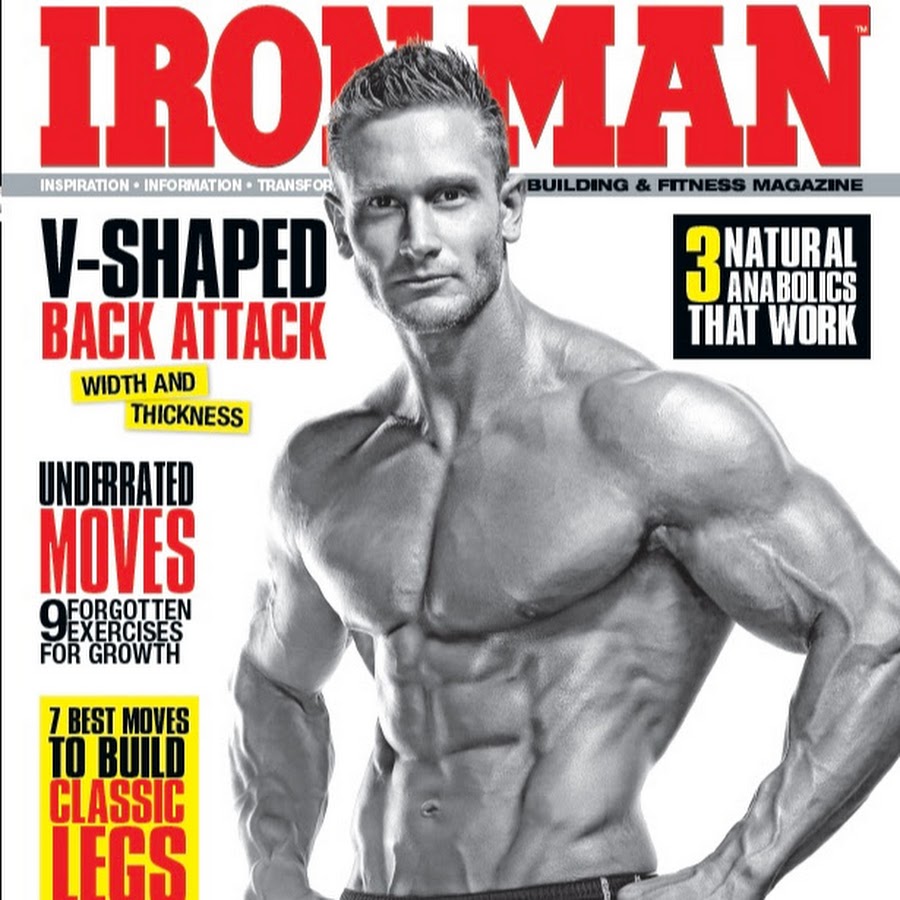
Thomas DeLauer now routinely consumes 40–60g of whey protein per serving, discarding the old 30g absorption myth after reviewing a Cell Metabolism study showing even 100g is absorbed and boosts muscle protein synthesis throughout the day.
2
He ditched post-workout antioxidants (vitamin C, EGCG) because they blunt the body's own free-radical scavenging, leaving him less recovered; the inflammatory response is necessary for adaptation.
3
He mega-dosed fish oil (7–10g/day) but now limits it to 2–3g/day after learning that excessive membrane fluidity risks ferroptosis; he added C15 (Fatty15) to restore cell membrane structural integrity.
4
He cycles low-dose 5-HTP (25–50mg) with weeks off to avoid tolerance and serotonin rebound, and he now uses glutamine (5–10g) on long cardio days for gut barrier support and GABA synthesis.
Protocols
Concrete recipes — what, when, how much, and why
9 items
Increase whey protein per serving
WhatConsume 40–60g of whey protein in a single shake instead of the traditional 30g.
WhenPost-workout or whenever a protein shake is taken.
Dose40–60g per serving; can go higher but suggests conservative increase.
For whomAnyone using whey protein who wants to reduce meal frequency or boost intake.
WhyEvidence shows the body can absorb much more protein than previously thought, and extra protein is not converted to fat unless in a caloric surplus. This gives dietary flexibility.
CaveatsWhey is fast-absorbing; extremely high doses (100g+) may not be fully utilized from whey specifically, but up to 60g is safe.
DeLauer's old belief was rooted in the idea that rapid absorption of whey would exceed the body's ability to use amino acids for building, causing them to be oxidized or stored as fat. The newer literature, including the cited 100g study, shows that while absorption rate matters, the capacity for amino acid utilization is much higher, and that the anabolic response is extended. This allows more dietary flexibility without body composition penalties. He now often has larger shakes and finds it fits a busier lifestyle.
Mechanism
Protein absorption is not capped at 30g; a Cell Metabolism study found even 100g was fully absorbed and led to sustained muscle protein synthesis throughout the day. The body can handle larger boluses of amino acids, with the main limit being whether the protein is used for energy or synthesis, not fat storage (absent a calorie surplus).
Personal experience
He used to carefully measure 30g portions. Now he freely uses 45–60g per shake and notes it gave him more slack in his overall diet, with no negative body composition changes.
I'm no longer limiting it at 30 g. … most people can consume and absorb upwards of 40, 50, even 60 grams of protein.
Also said
“Unless you were in a significant caloric surplus, that extra protein is likely not going to go to fat.”— Reinforces the caloric context.
“They consumed in this study upwards of 100 grams of protein and they found that it was all still absorbed and utilized with increasing rates of muscle protein synthesis throughout the day.”— Shows the upper limit from the study.
Avoid antioxidants immediately post-workout
WhatDo not take vitamin C, EGCG, or other direct antioxidants right after training.
WhenPost-workout window (first few hours).
DoseN/A
For whomEveryone who exercises, especially those taking antioxidant supplements for recovery.
WhyAntioxidants blunt the exercise-induced oxidative stress that signals the body to upregulate its own endogenous antioxidant systems, impairing recovery and adaptation.
CaveatsWhole food antioxidants in normal meals are less concentrated and likely not a problem; this refers to isolated supplement doses.
DeLauer explains that he felt unrecovered for years because he was supplementing with antioxidants after workouts, thinking it would help his immune system when he was run down. Instead, by removing them, his body's natural defense mechanisms were allowed to kick in. The oxidative stress from a workout is a necessary signal; doing the scavenging for the body weakens its own capacity over time. He now advises letting the body handle it naturally.
Mechanism
Exercise generates reactive oxygen species (ROS) that activate signaling pathways like Nrf2, which increase the body's production of glutathione, superoxide dismutase, etc. Exogenous antioxidants scavenge these ROS prematurely, reducing the stimulus for adaptation. This parallels how NSAIDs blunt the COX-2 inflammatory cascade needed for muscle repair.
Personal experience
He personally took vitamin C and EGCG after sessions and couldn't figure out why recovery was poor. Stopping them led to better recovery.
Having those antioxidants was enabling my body. It was making it that my body wasn't producing its own as much.
Also said
“You have oxidative stress that occurs during a workout for a reason. You want your body to have the ability to deal with it. You don't want to do it for the body.”— Summarizes the adaptation principle.
Use creatine monohydrate, not expensive forms
WhatStick with standard creatine monohydrate powder instead of creatine HCl, ethyl ester, etc.
WhenDaily, typically 5–10g per day after a loading phase.
Dose5–15g per day, but water retention normalizes within weeks.
For whomAnyone using creatine for performance or muscle gains.
WhyMonohydrate is equally effective, half the price, and any early water retention differences disappear within a month. The more expensive forms are not worth the cost.
CaveatsSome individuals might perceive slightly less initial water retention with HCl, but no robust evidence supports clinically meaningful benefits.
He acknowledges that certain people respond differently, but his bottom line is the cost-to-benefit ratio heavily favors monohydrate. After about two weeks, water retention is 50% less, and after a month, it's almost gone, so even if HCl gave a slight early edge, it vanishes quickly. For the price, monohydrate is the clear winner.
Mechanism
Creatine monohydrate saturates muscle creatine stores, aiding ATP regeneration. Water retention is partly intracellular and may appear as slight bloating, but this reduces over time as the body reaches equilibrium, making the initial difference between forms negligible.
Personal experience
He tried HCl and other forms; didn't notice a meaningful difference in water retention or performance, and now exclusively buys monohydrate.
I won't spend money on more expensive creatine trying to circumn the water retention.
Also said
“If you stick on 10 or 15 grams of creatine a day, after about two weeks, it's going to be 50% less of the water retention. After about a month, it's almost all gone.”— Specific timeline that invalidates the need for special forms.
Limit fish oil to 2–3g per day and add C15
WhatReduce high-dose fish oil to 2–3 grams daily and incorporate a C15 fat supplement (like Fatty15) to provide cell membrane rigidity.
WhenDaily, with meals.
DoseFish oil: 2–3g per day; C15: as per Fatty15 product instructions (not specified).
For whomAnyone taking high-dose fish oil for inflammation or cardiovascular health.
WhyExcessive omega-3s can make cell membranes too fluid, increasing risk of ferroptosis; C15 restores structural integrity. The combo maintains cardiovascular benefits while protecting cells.
CaveatsStill benefits from omega-3s, so don't eliminate fish oil entirely. C15 can also be obtained from dairy fat and hard-aged cheeses, but supplement ensures consistent intake.
DeLauer learned from Dr. Stephanie Van Watson that cell membranes need both fluidity (for signaling) and rigidity (for protection). High-dose fish oil pushed his membrane fluidity to a potentially harmful degree. By dropping to 2–3g and adding C15, he aims for a healthier membrane composition. He chose Fatty15 because the company pioneered much of the C15 research indicating modern dietary deficiencies.
Mechanism
Omega-3 PUFAs increase membrane fluidity, which aids signal transduction but if excessive, the membrane becomes fragile and susceptible to lipid peroxidation, leading to ferroptosis (iron-dependent oxidative cell death). C15, an odd-chain saturated fatty acid, inserts into the membrane to provide structural strength, balancing fluidity with rigidity.
Personal experience
He used to take 7–10 grams of fish oil daily. After learning about ferroptosis risk, he cut back and added Fatty15; he feels the balance is better for longevity.
I've reduced my dose significantly and I've added in something called C15 fat because that provides that structural integrity to the cell that I'm looking for.
Also said
“That membrane fluidity can actually be too much of a bad thing if it gets too fluid. So we need a certain level of cell rigidity.”— Directly states the problem of over-fluid membranes.
“That cell rigidity is what protects the cell and keeps it from becoming so oxidized and prevents this thing called ferroptosis.”— Names the specific cell death pathway he's avoiding.
Only take carnitine during high training volume
WhatRestrict carnitine supplementation to periods of heavy training or competition; skip on rest days and light blocks.
WhenDaily during training blocks; timing less critical but can be taken in a fasted state.
DoseNot specified; typical doses range 1–3g.
For whomAthletes or individuals with high training volume.
WhyCarnitine deficiency only develops at high training volumes (~80% of people), so supplementation outside these windows is wasteful and won't provide extra benefit.
CaveatsFor general population with moderate exercise, supplementation likely unnecessary. Some forms may be better timed pre-workout fasted.
He emphasizes that most people are not deficient in carnitine, so taking it year-round is wasted money. The key is the volume threshold. He used to take it regardless of training and now only uses it when his workload justifies it. This change saved him money without any drop in performance.
Mechanism
Carnitine shuttles fatty acids into mitochondria via the carnitine palmitoyltransferase (CPT) pathway for oxidation. Training depletes carnitine because of increased fat utilization; once training volume is high, deficiency impairs fat oxidation. Replenishing during these blocks restores capacity; when volume is low, endogenous production and diet suffice.
Personal experience
He previously took carnitine every day. Now he only uses it during intense training phases and has noticed no downside, but more money in his pocket.
I will no longer take carnitine on days I'm not working out or when I'm not in a heavy training block.
Also said
“Once your training volume is up, about 80% of people become deficient in carnitine.”— Evidence basis for the volume condition.
Use glutamine for gut and GABA support on long cardio days
WhatTake 5–10 grams of glutamine on days with over an hour of cardio to support gut barrier integrity and GABA production.
WhenPost-cardio or split throughout the day.
Dose5–10 grams on cardio days longer than 1 hour.
For whomEndurance athletes or highly stressed individuals with gut issues; not for muscle gains.
WhyEndurance exercise and stress deplete gut glutamine, leading to leaky gut; glutamine also provides a substrate for GABA, the calming neurotransmitter.
CaveatsDoes not directly build muscle; don't expect muscle protein synthesis benefits.
He previously dismissed glutamine as overhyped for bodybuilding. Now he understands its specific niche: during long cardio, gut permeability can increase, and glutamine helps seal the gut. The GABA connection is a bonus for mental calm. He uses it strategically rather than daily.
Mechanism
Enterocytes (gut cells) prefer glutamine as fuel; supplementation maintains tight junction integrity under stress. Additionally, glutamine can be converted to glutamate and then to GABA, enhancing inhibitory neurotransmission, which may help with relaxation and sleep.
Personal experience
He avoided glutamine in the past. After learning about gut and GABA pathways, he now uses it on high-cardio days and feels it supports gut comfort and a calmer state.
I will not shame glutamine. I'll use it 5 to 10 grams, especially on days when I'm doing more than an hour of cardio.
Also said
“Having glutamine can restore gut barrier integrity, but it can also help provide a pool that allows for us to create GABA.”— Shows dual benefit.
Cycle low-dose 5-HTP with breaks
WhatTake 25–50mg of 5-HTP for sleep/serotonin, then take a couple of weeks off to prevent tolerance and rebound anxiety.
WhenEvening, before sleep.
Dose25–50mg per night; cycle with weeks off.
For whomPeople using 5-HTP for sleep, mood, or serotonin support.
WhyHigher doses and continuous use lead to receptor desensitization and withdrawal-like restlessness; low dose and cycling maintain efficacy without mood swings.
CaveatsNot for everyone; if you need high dose, consider underlying issues. Discontinue periodically to reset.
He discovered that his increasing need and the negative rebound when stopping were signs of tolerance. By cutting dose to 25mg or even splitting tabs, and intentionally cycling off, he eliminated the rollercoaster. The goal is a gentle serotonin boost for sleep without creating dependency.
Mechanism
5-HTP increases serotonin. Chronic overstimulation can downregulate serotonin receptors and lead to a functional deficiency when discontinued, causing anxiety/restlessness. Lower doses and breaks allow receptor sensitivity to recover, preserving the beneficial effects.
Personal experience
He used to take 100mg and noticed ups and downs; switching to low dose with cycling dramatically improved his consistency of sleep and daytime mood.
I've found that simply going low dose on 5HTP, things like 50 milligrams versus 100 is perfect. And if I get the actual tabs, sometimes I'll even drop down to 25 and then I'll take a couple weeks off. and it has made my life so much better.
Also said
“When I would take the 5HTP out, I would actually get kind of restless and feel like I wasn't getting enough serotonin.”— Demonstrates the rebound effect.
Cycle kava and GABAergic supplements; consider nicotinic GABA
WhatDo not use kava or GABA supplements daily; if using GABA, look for nicotinic GABA (bound to niacin) to improve brain crossing.
WhenOccasional use for stress/sleep; cycle on and off.
DoseNot specified; cycle with days off.
For whomPeople using kava or GABA for relaxation.
WhyGABA doesn't cross the blood-brain barrier well; kava can build tolerance like alcohol due to GABAergic effects, leading to rebound glutamate spikes. Nicotinic GABA may offer better brain penetration.
CaveatsPlain GABA supplements likely have little direct brain effect; kava tolerance and rebound are real.
DeLauer still enjoys kava occasionally but warns against habitual use. He explains the rebound effect is due to the brain trying to maintain homeostasis—when exogenous GABAergic activity is removed, glutamate becomes dominant, causing restlessness. He suggests cycling and, if using GABA, opting for the nicotinic form to increase the chance of central effects.
Mechanism
Kava enhances GABA receptor activity, similar to alcohol, and can cause compensatory downregulation with chronic use, resulting in anxiety when stopped. Standard GABA supplements are largely peripheral; nicotinic GABA (GABA bound to B3) may allow more to cross the blood-brain barrier via carrier-mediated transport.
Personal experience
He has used kava and GABA supplements and noticed tolerance build-up. Switching to occasional use and prioritizing non-supplement relaxation methods improved his stability.
I love cava and I will still use cava but I won't use it all the time because cava does affect the gabaurgic system. … You can build up a tolerance just like you can with alcohol.
Also said
“You want to look for things that have what's called nicotinic GABA. That's GABA bound to B3, which can allow for better utilization and crossing of the bloodb brain barrier.”— Offers a specific alternative form.
Take collagen for connective tissue repair pre-workout or daily
WhatIngest collagen (as a supplement or food) pre-workout or spread throughout the day to support tendon and ligament repair.
WhenPre-workout or split throughout the day.
DoseNot specified; follow product guidelines, typically 10–20g.
For whomAthletes, lifters, or anyone with joint concerns.
WhyCollagen stimulates connective tissue protein synthesis, helping repair the damage to tendons and ligaments that occurs during training, similar to muscle repair.
CaveatsStill a developing area of research, but early evidence including from Dr. Ormsby's study on Achilles tendon shows benefit.
He references Dr. Mike Ormsby's work where participants consuming collagen saw improvements in connective tissue health and joint function. DeLauer now sees it as a targeted recovery tool for tendons, not just a gut or skin supplement. He suggests pre-workout timing to have amino acids circulating during the repair stimulus.
Mechanism
Collagen provides specific amino acids (glycine, proline, hydroxyproline) that are rate-limiting for connective tissue synthesis. Exercise-induced mechanical strain damages collagenous structures; supplementing with collagen peptides signals fibroblasts to increase matrix repair, improving tissue resilience.
Personal experience
He previously only used collagen for gut health benefits. After learning of the connective tissue data, he now incorporates it for joint support and pre-workout.
Collagen is quite powerful when it comes down to connective tissue protein synthesis. Actually healing the connective tissue which gets damaged just the same way muscle does when we work out.
Also said
“Dr. Mike Ormsby's work in his own study demonstrated that people that used collagen saw improvements and subjective improvements in their connective tissue and their joint health.”— Names the researcher and trial.
What's new
Personal practice updates, fresh positions, predictions
8 items
Higher whey protein per serving is safe and spares calories
DeLauer abandoned the 30g limit, now takes 40–60g of whey protein in one sitting after learning that excess protein does not become fat unless in a caloric surplus and that absorption is far higher than once thought.
Why this matters: Overturns a deeply ingrained bro-science rule that many still follow; backs it with a Cell Metabolism study and personal experience.
Background
For years, bodybuilding dogma claimed only 30–35g of protein—especially fast-absorbing whey—could be utilized per meal, with the rest going to fat.
DeLauer explains that the fear of protein wasting was overblown. A Cell Metabolism study had participants consume up to 100g of protein and still saw it fully absorbed, with increasing muscle protein synthesis all day. He reasons that whey, despite rapid absorption, still allows at least 40–60g to be utilized before any excess becomes an issue. The only time extra protein might contribute to fat gain is during a significant caloric surplus. This insight has given him more dietary flexibility without compromising his physique.
Personal experience
He used to rigidly cap his shakes at 30g. After adopting 40–60g servings, he found it granted 'a lot more slack in my diet as the years have gone by.' No negative body composition changes occurred.
I used to think, okay, I can only absorb 30, maybe at the most, 35 g of protein in one sitting… But the reality of it is when you look at the literature, most people can consume and absorb upwards of 40, 50, even 60 grams of protein.
Also said
“There was a cell metabolism study that indicated that we can consume and absorb a lot more protein in one sitting than we once thought. As a matter of fact, they consumed in this study upwards of 100 grams of protein and they found that it was all still absorbed and utilized with increasing rates of muscle protein synthesis throughout the day.”— Adds the specific study detail and magnitude of absorption beyond his personal cap.
“Now, unless you were in a significant caloric surplus, that extra protein is likely not going to go to fat.”— Addresses the common fear of protein-to-fat conversion.
Antioxidants after training block adaptation
DeLauer stopped taking vitamin C or EGCG post-workout because exogenous antioxidants blunt the body's own endogenous antioxidant response, impairing recovery.
Why this matters: Contradicts the intuitive urge to load antioxidants after exercise; recent literature supports that the oxidative stress signal is needed for adaptation.
Background
Common practice has been to take antioxidants post-exercise to combat inflammation and oxidative damage, thinking it aids recovery.
He notes that similar to how NSAIDs blunt the inflammatory response needed for muscle repair, antioxidants like vitamin C interfere with the body's ability to scavenge free radicals on its own. The oxidative stress from a workout triggers the body to upregulate its own defense systems. When you pre-empt that with supplements, you rob the adaptation. Over years, this left him feeling unrecovered despite doing everything 'right.'
Personal experience
For years he couldn't understand why he wasn't feeling recovered. He would take vitamin C or EGCG after workouts thinking it would help, but it had the opposite effect. Removing them improved recovery.
I couldn't understand why I wasn't feeling recovered for a number of years. Like I would do my workout, I would have some vitamin C or EGCG post-workout because it made sense. … What I didn't realize is that having those antioxidants was enabling my body. It was making it that my body wasn't producing its own as much.
Also said
“You have oxidative stress that occurs during a workout for a reason. You want your body to have the ability to deal with it. You don't want to do it for the body.”— Crisply states the core principle.
Thermogenic fat burners are mostly worthless; only alpha-2 blockers may work
DeLauer now dismisses almost all over-the-counter thermogenics and says only yohimbine and rauwolscine (alpha-adrenergic receptor blockers) have real fat-burning potential, though they can cause jitters.
Why this matters: Saves consumers money and steers them away from a massive supplement category, pointing to a narrow, evidence-based alternative.
Background
The fat-burner market is built on claims of raising core temperature and boosting metabolism with stimulants and herbal blends.
He explains that the only fat burners with plausible mechanism are alpha-adrenergic blockers like yohimbine and rauwolscine. These work by antagonizing alpha-2 receptors on fat cells, which normally inhibit lipolysis. Caffeine also has a fat-burning effect through similar pathways, but most thermogenics simply try to increase core temperature – a claim he finds unsupported. The effective compounds require only a couple of milligrams but can make you feel antsy and restless. He would not bother with any other fat-burning supplement on the market.
Personal experience
Used to spend money on various thermogenics, now steered clear, finding them ineffective.
I will never ever waste money again on thermogenic fat burning supplements. … Okay, you want alpha-adrenergic receptor blockers. Okay, these are things like yohimbine, things like rauwolscine. They can make you feel wildly kind of antsy, but they do potentially work.
Also said
“Bottom line is most fat burning supplements on the market, I wouldn't bother with.”— Simplifies his overall stance.
Fancy creatine forms are unnecessary; monohydrate is sufficient
DeLauer stopped buying creatine hydrochloride and other novel forms, reverting to monohydrate after finding no meaningful difference in water retention or effectiveness, especially after a few weeks of use.
Why this matters: Counters marketing of patented creatines that claim less bloating and better absorption; backs it with personal trial.
Background
Many brands sell creatine HCl, ethyl ester, etc., with claims of reduced water retention and better absorption, often at twice the price.
He concedes some individuals might experience slightly less early water retention with HCl, but there is no compelling evidence. His own experience found only a 'smidge' of difference at the start, and that even on monohydrate, water retention drops by about 50% after two weeks and is almost entirely gone after a month. Because monohydrate is half the price, he considers the premium alternatives a waste of money.
Personal experience
Tried various creatines; didn't notice a gigantic difference. He now sticks with monohydrate, which has worked fine and saved money.
I won't spend money on more expensive creatine trying to circumn the water retention.
Also said
“If you stick on 10 or 15 grams of creatine a day, after about two weeks, it's going to be 50% less of the water retention. After about a month, it's almost all gone.”— Provides a timeline for water retention normalization on any creatine form.
High-dose fish oil replaced with moderate dose + C15 for membrane rigidity
DeLauer cut his fish oil from 7–10g/day to 2–3g/day and added C15 (pentadecanoic acid, Fatty15) to prevent excessive cell membrane fluidity and ferroptosis risk, while preserving omega-3 benefits.
Why this matters: Introduces the concept that too much fish oil can over-fluidize membranes, making cells fragile and prone to oxidative damage; adds a novel fat supplement to the regimen.
Background
High-dose fish oil was previously believed to be purely beneficial for inflammation and heart health; the cell membrane fragility angle is less discussed.
DeLauer learned from Dr. Stephanie Van Watson that omega-3s increase membrane fluidity, which helps signal transduction but can become excessive, leading to ferroptosis—an iron-dependent oxidative cell death. Cell membranes need both fluidity and rigidity; too much fluidity without structural fats like C15 makes them susceptible to oxidation. C15, an odd-chain saturated fat found in dairy fat and hard-aged cheeses, provides that structural integrity. By reducing fish oil and supplementing with Fatty15, he aims for a balance between signaling and stability. He still values fish oil's cardiovascular benefits, hence the 2–3g per day target.
Personal experience
He used to take 7–10 grams of fish oil daily. After learning about membrane fragility, he reduced the dose and started Fatty15. He notes that the balance has improved overall cellular health.
I've reduced my dose significantly and I've added in something called C15 fat because that provides that structural integrity to the cell that I'm looking for.
Also said
“That membrane becomes very fluid with fish oil, which is good because it allows for signal transduction … But we didn't realize is that that fragility or that membrane fluidity can actually be too much of a bad thing if it gets too fluid. So we need a certain level of cell rigidity.”— Explains the membrane fluidity/rigidity trade-off.
“C15 is a fat that we're actually deficient in. And there are a lot of people that are deficient in this fat that you can get from dairy fat.”— Justifies why he specifically chose C15 supplementation.
Carnitine only needed during high training volume
DeLauer no longer takes carnitine on non-training days or light blocks, because literature shows deficiency only occurs at high training volumes, making supplementation otherwise wasteful.
Why this matters: Saves significant money for recreational lifters and clarifies the population that might benefit.
Background
Carnitine is widely sold as a fat-loss and performance supplement, but its need is conditional on training-induced depletion.
He describes the carnitine palmitoyltransferase (CPT) pathway, which shuttles fat into mitochondria for oxidation. Most people are not deficient, but when training volume is high, about 80% of people become deficient. Therefore, he only takes it during heavy training blocks. Timing is less critical than consistent blood levels, though there might be a slight benefit in a fasted state. The main point is not to waste money on rest days or low-volume periods.
Personal experience
He used to take carnitine year-round. Now he only uses it when his training is intense, which has saved him money without any drop in performance.
I will no longer take carnitine on days I'm not working out or when I'm not in a heavy training block.
Also said
“Once your training volume is up, about 80% of people become deficient in carnitine.”— Specific statistic backing the conditional need.
Whey protein concentrate is now valued for gut health, not just isolate
DeLauer switched from promoting only whey isolate to using concentrate as well, because it contains lactoferrin and other milk components that benefit the gut and slow digestion slightly, improving absorption.
Why this matters: Shifts the common narrative that isolate is superior for purity; highlights bioactive compounds lost in isolation.
Background
Isolate was the gold standard because it removes fats, lactose, and solids, delivering higher protein percentage. Concentrate was viewed as inferior and harder on lactose-intolerant people.
He now sees concentrate as more of a 'food' with additional intestinal benefits due to lactoferrin and other whole-milk compounds that can enhance gut barrier integrity. The small amount of fat and milk solids also slows digestion, potentially leading to better total protein utilization. The only downside is for those with lactose intolerance; for everyone else, concentrate offers a cheaper, gut-supportive alternative. He still uses isolate when he needs pure unadulterated protein, framing it as a supplement rather than a food.
Personal experience
For years he exclusively used isolate and told others to do the same. After incorporating concentrate, he noticed no downsides and felt better gut health; it saved money and expanded protein choices.
I am no longer only a fan of whey protein isolate. I am now a fan of whey protein concentrate, too. … Whey protein concentrate doesn't just have milk solids, but it has lactoferrin and it has some of the other compounds that are in whole solid milk that give us a lot of intestinal benefit.
Also said
“I think of whey protein concentrate as more of a food and whey protein isolate as more of a supplement, if that makes sense.”— Clarifies his mental model for choosing between them.
Vitamin D at night does not disrupt sleep; cod liver oil preferred over standalone D
DeLauer no longer avoids taking vitamin D at night and has replaced standalone vitamin D supplements with cod liver oil for the added vitamin A and omega-3s, which balance its effects.
Why this matters: Dispels the myth that vitamin D timing affects circadian rhythm; shifts preference to a food-based source with cofactors.
Background
Many people believe vitamin D should be taken only in the morning because it is produced in response to sunlight and might interfere with sleep.
He explains that the conversion of UVB light to vitamin D takes hours, resulting in a sustained release throughout the day, so oral vitamin D at night has no impact on circadian rhythm. Furthermore, he stopped taking isolated vitamin D years ago because he gets enough from diet and sun; cod liver oil provides D, A, and omega-3s. The vitamin A supports pro-resolving mediators and prevents what he calls 'unopposed' vitamin D, which could be unnatural in isolation.
Personal experience
He drank the 'Kool-Aid' thinking nighttime D was harmful. After learning the science, he no longer worries and has switched to cod liver oil, which he feels is better balanced.
I drank the Kool-Aid thinking that vitamin D is something you'd get during the day. … It has no effect on circadian rhythm. Vitamin D is the downstream effect of light.
Also said
“I have abandoned vitamin D years ago in place of cod liver oil because I realize that I get enough vitamin D from my diet and the sun. All I need is to kind of level it off.”— Explains his personal substitution strategy.
Recommendations
Products, supplements, and tools mentioned in the episode
7 items
Cod liver oil (in place of isolated vitamin D)
Supplement
DeLauer abandoned isolated vitamin D supplements and now takes cod liver oil to get vitamin D, vitamin A, and omega-3s in a balanced matrix. No specific brand mentioned.
He believes cod liver oil provides a more natural balance of fat-soluble vitamins, with the vitamin A helping to prevent what he calls 'unopposed vitamin D,' ensuring proper pro-resolving mediator function. This switch also reduces the number of separate supplements he needs to take.
vs alternatives
Compared to standalone vitamin D, cod liver oil provides additional vitamin A and omega-3s, which may synergize with D. He does not compare specific brands.
Personal experience
He stopped taking standalone vitamin D years ago because he gets enough from sun and diet; cod liver oil now levels off his intake without risking unnatural isolated doses.
I have abandoned vitamin D years ago in place of cod liver oil because I realize that I get enough vitamin D from my diet and the sun. All I need is to kind of level it off. So, cod liver oil, I'm getting vitamin D, vitamin A, and omega-3s.
Also said
“The vitamin A helps with what is called the balancing and the pro-resolving mediators associated with vitamin D.”— Explains the synergy he values.
Recommended over whey isolate for gut health benefits, unless lactose intolerant. Contains lactoferrin and milk solids that support intestinal health and slow digestion slightly.
He positions concentrate as a 'food' rather than a pure supplement, providing additional bioactive compounds missing in isolate. He still uses isolate when needing the absolute purest form, but his daily preference has shifted to concentrate for its broader nutritional profile.
vs alternatives
Whey isolate is purer and fine for lactose-intolerant individuals, but concentrate offers extra gut-supportive components at a lower cost. Isolate is still useful as a supplement, concentrate as a food.
Personal experience
For years he promoted only isolate; now he includes concentrate and feels it benefits his gut health and saves money.
Whey protein concentrate doesn't just have milk solids, but it has lactoferrin and it has some of the other compounds that are in whole solid milk that give us a lot of intestinal benefit.
Also said
“I think of whey protein concentrate as more of a food and whey protein isolate as more of a supplement.”— Illustrates the conceptual shift.
The only creatine form he recommends; affordable, effective, water retention normalizes within weeks. Avoids expensive types like HCl or ethyl ester.
Monohydrate is the most studied and cost-effective form. He dismisses the need for fancy versions because any minor early differences in bloating disappear as the body adapts. He personally uses it and sees no reason to pay more.
vs alternatives
Compared to creatine HCl or others, monohydrate is cheaper, with equivalent saturation and performance outcomes. The purported advantage of less water retention is temporary and negligible.
Personal experience
He tried HCl and found no meaningful long-term difference, so he now only buys monohydrate.
Monohydrate is about half the price in most cases. So, I won't spend money on more expensive creatine trying to circumn the water retention.
Also said
“If you stick on 10 or 15 grams of creatine a day, after about two weeks, it's going to be 50% less of the water retention. After about a month, it's almost all gone.”— Quantifies why early water retention is a non-issue.
The only over-the-counter fat burners he believes actually work, due to alpha-2 receptor antagonism. Requires only milligram doses but can cause jitters.
He categorizes these as effective fat-loss agents among a sea of useless thermogenics. They work by blocking receptors that inhibit lipolysis, thus promoting fat release. Caution is needed due to potential anxiety and restlessness, especially in stimulant-sensitive individuals. No specific product endorsement, just the compounds.
vs alternatives
Most thermogenics rely on stimulants or unproven herbs; yohimbine/rauwolscine have a clear mechanism. However, they are not as comfortable as caffeine-only approaches.
Personal experience
He does not use them regularly but acknowledges they are the only legitimate option if someone insists on a fat-burner pill.
Okay, you want alpha-adrenergic receptor blockers. Okay, these are things like yohimbine, things like rauwolscine. They can make you feel wildly kind of antsy, but they do potentially work.
Also said
“And you only need a couple milligrams of stuff.”— Highlights low effective dose.
Recommended for gut health and GABA synthesis, specifically on long cardio days (5–10g). Not for muscle building.
He no longer shames glutamine and sees it as a valuable tool for maintaining gut barrier integrity under endurance stress and as a precursor for the calming neurotransmitter GABA. The dose he uses is moderate and situation-dependent.
vs alternatives
No direct comparison, but he contrasts its real benefits (gut/GABA) against the bodybuilding myth, clarifying appropriate use.
Personal experience
Previously bashed it, now uses it strategically and appreciates the benefits.
I will not shame glutamine. … I'll use it 5 to 10 grams, especially on days when I'm doing more than an hour of cardio.
Also said
“Having glutamine can restore gut barrier integrity, but it can also help provide a pool that allows for us to create GABA.”— Summarizes the dual purpose.
Used at 25–50mg for sleep with cycling. Avoids tolerance and serotonin rebound. No brand named.
He recommends 5-HTP for those seeking calm and sleep support, but with the crucial caveat of low dosing and cycling to prevent receptor downregulation. This approach maintains effectiveness without dependency-like symptoms.
vs alternatives
Higher doses of 5-HTP increase risk of tolerance; pharmaceutical SSRIs work differently but also risk side effects. His protocol is a harm-reduction approach.
Personal experience
He used to take 100mg and felt worse upon cessation. Switching to 25–50mg with breaks eliminated mood instability.
I've found that simply going low dose on 5HTP, things like 50 milligrams versus 100 is perfect. And if I get the actual tabs, sometimes I'll even drop down to 25 and then I'll take a couple weeks off.
Also said
“When I would take the 5HTP out, I would actually get kind of restless and feel like I wasn't getting enough serotonin.”— Justifies the need for cycling.
Used for connective tissue repair, especially pre-workout. Not brand specific; general recommendation based on Dr. Mike Ormsby's research.
He now views collagen as an important supplement for anyone training hard, as it aids in repairing tendons and ligaments. The evidence, including a study on Achilles tendons, supports its use for joint and connective tissue health beyond gut and skin.
vs alternatives
Compared to glucosamine or standard joint supplements, collagen provides the actual building blocks for connective tissue, with emerging research showing specific benefits.
Personal experience
He previously only used collagen for gut health; after learning of connective tissue benefits, he now includes it for joint support.
Collagen preworkout or just getting enough collagen throughout the day can actually benefit your connective tissue.
Also said
“Dr. Mike Ormsby's work in his own study demonstrated that people that used collagen saw improvements and subjective improvements in their connective tissue and their joint health.”— Cites specific evidence.
Recommended to provide the C15 fat that restores cell membrane structural integrity to balance high omega-3 fluidity. He takes it alongside reduced fish oil.
DisclosureSpeaker has an affiliate link: fatty15.com/thomas, with coupon code for 15% off. He promotes the product and likely receives commission.
DeLauer explains that C15 is a unique odd-chain saturated fat that reinforces cell membranes, counteracting the fragility caused by too much membrane fluidity from fish oil. Fatty15 pioneered research on this fat, and he believes many people are deficient. He uses it for longevity and cellular protection, especially in the context of his fish oil intake.
vs alternatives
Compared to not supplementing, dairy fat and aged cheeses provide C15 but may be inconsistent; supplement ensures daily intake. No direct brand comparison, as Fatty15 is positioned as the pioneer.
Personal experience
He added Fatty15 after learning about ferroptosis risk from high-dose fish oil. He considers it a key part of his cellular health stack.
The one that I use is called Fatty 15. They were really the ones that pioneered a lot of the research with C15, finding that C15 is a fat that we're actually deficient in. … Go to fatty5.com/thomas.
Also said
“From a longevity perspective, it makes a lot of sense that we want to have more structurally sound cells.”— Frame the supplement's purpose.
Lines worth pulling out — contrarian, specific, or perfectly phrased
6 items
I used to think that extra protein would go to fat. Now, unless you were in a significant caloric surplus, that extra protein is likely not going to go to fat.
Directly overturns a pervasive gym myth about protein wasting with a practical qualifier.
I will never ever waste money again on thermogenic fat burning supplements. … Bottom line is most fat burning supplements on the market, I wouldn't bother with.
Unequivocal dismissal of a huge supplement category, likely saving viewers money.
You have oxidative stress that occurs during a workout for a reason. You want your body to have the ability to deal with it. You don't want to do it for the body.
Elegant summary of the adaptation principle that reframes why antioxidants post-workout can be counterproductive.
I have abandoned vitamin D years ago in place of cod liver oil because I realize that I get enough vitamin D from my diet and the sun. All I need is to kind of level it off.
Personal strategy shift from supplement to food-based nutrient synergy, contradicting the standalone vitamin D craze.
I will not shame glutamine. I'll use it 5 to 10 grams, especially on days when I'm doing more than an hour of cardio.
A mea culpa that highlights a specific, actionable rehab of a maligned supplement for a narrow context.
That membrane fluidity can actually be too much of a bad thing if it gets too fluid. So we need a certain level of cell rigidity.
Introduces a nuanced cellular health concept that counters the ‘all omega-3s are good at any dose’ narrative.
Sign in to share feedback
Tell us if this brief hit the mark or missed it — feedback feeds back into the next iteration of the prompt.
Reading is free for everyone. A free account adds the personal layer: save protocols, follow experts, and see how the other experts weigh in on this same topic.
Educational summary of the cited expert source — not medical advice. Open the source recording linked above and consult a qualified physician before acting on any protocol.