UNFUCG
DashboardSearchChatBookmarksNotificationsActivityPremiumProfile
?
Home
Search
Chat
Saved
Profile
Episode
How to quickly regain energy and build the mindset of a young god? Sylwester Kłos
~119 min
Episode Brief·YouTube

How to quickly regain energy and build the mindset of a young god? Sylwester Kłos

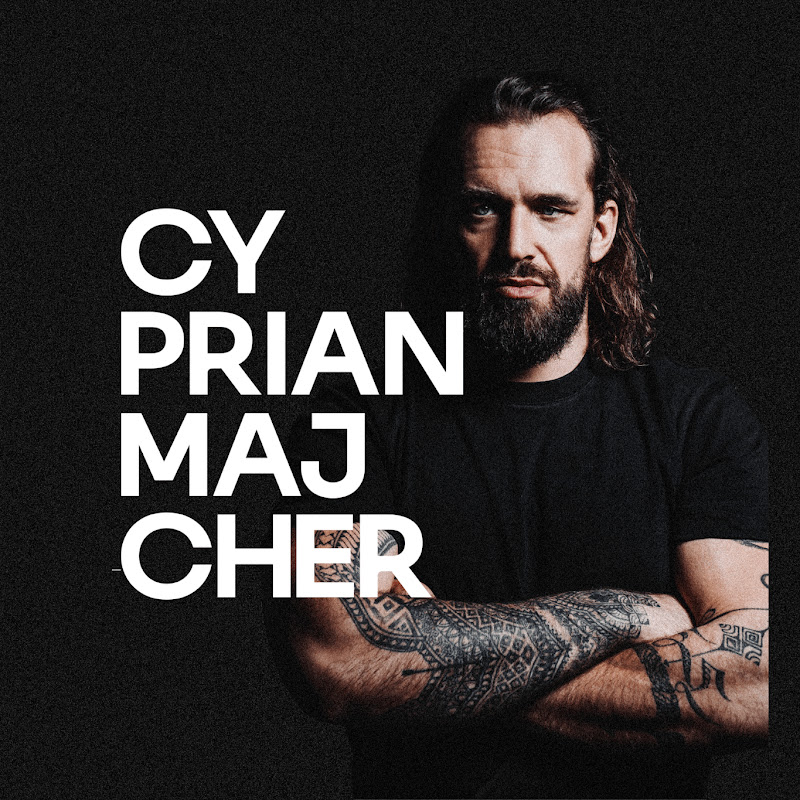
Cyprian Majcher
Watch on YouTube Add to chat My bookmarks← All sources

TL;DR

The four things you'd lose by not watching

4 items

TL;DR

The four things you'd lose by not watching

4 items
1

Cyprian's 'Pizdeus to Zeus' framework reframes self-discipline as a game against an inner saboteur – the voice that pushes you toward short-term pleasure – with progress measured in weekly win ratios rather than perfection.

2

His parasite–candida–leaky gut axis model links ADHD, low energy, and emotional dysregulation; a multi-month detox protocol including ivermectin, nitazoxanide, and binders helped him gain voluntary control over his ADHD.

3

Coffee is often a fatigue-masking debt, not a free boost: using it to power through exhaustion disrupts GABA, glutamine, and sleep; he personally reserves coffee for strategic high-performance windows and avoids it otherwise.

4

For pre-competition nutrition, he builds protocols around stable blood glucose with fish, timed fiber removal, and liquid meals to prevent reactive hypoglycemia and performance dips, as implemented for his athlete clients like Paweł Pawlak.

Protocols

Concrete recipes — what, when, how much, and why

3 items

Pizdeus-to-Zeus mental win ratio

WhatTreat each internal temptation as a move from a persona called 'Pizdeus' and each resistance as a point toward 'Zeus'. Track a weekly win/loss ratio (e.g., 4-3 vs. 5-2) instead of demanding 7 perfect days.
WhenContinuously, especially when encountering food cues or fatigue-driven cravings.
DoseFrame as a weekly game; no fixed duration – aims to progressively increase the win rate.
For whomAnyone struggling with willpower who thrives on gamification; particularly those with ADHD and low self-esteem.
WhyExternalizing the saboteur reduces self-blame and keeps motivation high, preventing the 'I already blew it so I'm starting over' cycle.
CaveatsHe notes his own radical 7-0 mindset isn't necessary for most; starting at any win ratio is valuable.

The game was literally built during a consultation when a patient described the moment his 'Pizdeus' took over. Cyprian saw that naming the opponent makes it easier to fight, because you're not fighting 'your weak will' but a distinct entity. He uses simple daily triggers: seeing a candy bar or smelling fresh bread activates the Pizdeus voice, and the skill is to recognize it and choose Zeusa. He teaches clients to analyze their energy cycles: when fatigue pushes them toward caffeine or sugar, that's Pizdeus trying to mask the feeling. The aim is not to be perfect but to let the wins accumulate evidence that you can be in control, which over time quiets the Pizdeus voice. This mental work underpins all other health protocols, as without the ability to say 'no', nutrition and lifestyle changes fail.

Mechanism

Based on the concept of repeated decision-making strengthening prefrontal inhibition circuits and reducing dopamine-driven craving through desensitization of the mesolimbic reward pathway when rewards are consistently deferred.

Personal experience

The metaphor came from a patient; he literally paused the session to write it down and later built the entire 'Od Pizdeusa do Zeusa' coaching concept.

It's better to just frame it as a game against Pizdeus, right? That it's in the head, we all have it, I have it, you have it. And polishing that, meaning playing that game, leads to us having less and less of it.

Also said
“No, no, that's exactly the point, that it's not from scratch. It's like that all week, it lives on a weekly scale or at least a monthly scale. Whether this week is 4 to 3, or 5 to 2.”— Clarifies the non-perfectionist tracking method.

Strategic caffeine windowing

WhatSkip breakfast and all caffeine sources until a key mental performance event; use a single coffee immediately before the event as a deliberate boost, then limit intake afterward. On rest days, attempt to avoid coffee entirely to recalibrate sensitivity.
WhenBefore high-demand meetings, podcasts, or matches; weekends are reserved for caffeine restraint (not always successful).
DoseOne coffee (unspecified size) immediately before the event; no food beforehand to keep the brain 'clear'.
For whomPeople who feel they 'can't function' without morning coffee; those with ADHD who want to avoid mood crashes.
WhyPreserves coffee's nootropic effect for when it matters most, prevents morning fatigue masking, and avoids the cycle of needing ever more caffeine.
CaveatsHe admits that on weekends he often craves it and doesn't always win the fight; the approach requires a base of decent sleep.

Cyprian’s personal rule is to eat nothing and drink no coffee before his first engagement of the day, typically around noon. This creates metabolic clarity and ensures the caffeine hit lands on an empty, receptive system. He explicitly links this to ADHD management – without caffeine, his mind can be calm; with it, he enters hyperfocus. He sees the common habit of drinking coffee upon waking as a symptom of deeper exhaustion that must be addressed through sleep, not stimulants. For athletes, he applies similar timing: a pre-competition espresso is fine as part of a wider pre-game ritual, but daily intake is minimized to prevent adrenal blunting. He also advises periodic two-week complete breaks to let people feel their baseline and decide whether coffee is a true pleasure or a necessity.

Mechanism

Adenosine receptor antagonism works best when the receptors are ‘fresh’ after overnight fast; chronic use downregulates GABA and upregulates glutamate, leading to the feeling that coffee ‘doesn’t work’.

Personal experience

Knowing I'd be on air at noon, I purposely fasted and saved coffee for right before the podcast; that way the brain is sharp and we launch the rockets exactly when needed.

Driving here today I knew we'd be talking at 12:00. So I said: 'Alright, I'm eating nothing, fasting. First thing, so the brain is as clear as possible. I'm saving the coffee just for the meeting and then we'll fire up the rockets and get into the topic.'

Also said
“For example, on weekends I don't do this. Because I'm tired or dead on my feet. So I want that coffee, but I consciously fight it, and I don't always win.”— Honest disclosure that even the protocol creator struggles on weekends.

Multi-cycle parasite cleansing protocol

WhatA staged cleanse combining prescription drugs (ivermectin, nitazoxanide – 3 days on, 10 days off cycles), herbal antiparasitics (oregano oil, black walnut, olive leaf, parafarm/Jango stacks), and binders (enterosgel, diatomaceous earth) for at least 4 weeks, often repeated, plus post-cleansing probiotics.
WhenWhen there are signs: white tongue, sugar cravings, nail/hair changes, bloat, irregular bowel movements, mood swings, or after confirmed contact (like pet with lamblia).
DoseExample: nitazoxanide 3 days, 10 days off, repeat 3 days. Herbal antiparasitics daily for 4+ weeks. Enterosgel morning and evening during cleansing. Post-cleanse: refrigerated probiotics.
For whomPeople with persistent gut issues, ADHD, low libido, hair/nail abnormalities, or those living with pets who may transmit parasites.
WhyParasites host Candida and drive gut permeability, which disrupts serotonin/dopamine production and contributes to ADHD, fatigue, and hormonal imbalance.
CaveatsHe strongly warns against self-administering without supervision because killing parasites rapidly can release toxins through a leaky gut, potentially harming the blood-brain barrier. Professional oversight recommended.

Cyprian’s protocol stems from his own experience: after discovering his dog had lamblia, he realized the whole household was likely infected; standard tests have only ~20% sensitivity. He consulted Dr. Wojciech Ozimek, a pioneer in this area, and executed a thorough program. The rationale is that parasites anchor Candida, which then fuels sugar cravings and neurotransmitter imbalance. The drugs kill adult parasites but not eggs, so pulsed dosing is needed. Herbs and binders are used concurrently to mop up die-off toxins. He stresses that this is only one piece of the functional medicine puzzle; you must also seal the gut, rebuild the microbiome, and address stress, otherwise reinfection or relapse is likely.

Mechanism

Parasites disrupt the gut lining, causing intestinal permeability ('leaky gut'), which allows lipopolysaccharides and undigested proteins into the bloodstream, triggering immune activation and reducing serotonin (produced 90% in gut) and dopamine (50% in gut). Eradicating them removes this chronic insult.

Personal experience

I didn't find parasites in my own tests (low sensitivity), but my dog had lamblia, and we share saliva. I assumed I had it too. After the protocol, I could literally turn off my ADHD-induced emotionality.

Please don't do this at home, because it would be illegal, bad, and everything. […] You have to be careful. If the intestines are leaky, it's very easy for this to get through the blood-brain barrier, and you can seriously harm yourself.

Also said
“Classic protocol: you use, for example, nitazoxanide for three days, then about 10 days break and three days. That's the classic.”— Gives the specific pulse-dosing template.
“When you look at the reference range, it's either unknown or near the top. Diagnosing that is also a huge party, but from the symptoms you can already see that something is simply wrong.”— Highlights the diagnostic difficulty and reliance on symptoms.

What's new

Personal practice updates, fresh positions, predictions

4 items

Pizdeus persona as inner saboteur metaphor

around 0:12:00

Cyprian coined the term 'Pizdeus' – borrowed from a patient – to personify the inner voice that urges indulgence, forming the starting point of a mental game to reach the empowered 'Zeus' state.

Why this matters: Reframes willpower as an externalized opponent rather than a personal weakness, making behavior change feel like a winnable game.

During a consultation, a patient named Antoni described how his own 'Pizdeus' would sabotage his efforts; Cyprian immediately recognized the power of the term and built a whole transformation narrative around it. This voice is the one that tells you to put cream in your coffee despite knowing it crashes your energy, or to grab a hot dog at a gas station when you intended to drink water. The key insight is that everyone has this voice – it’s not a character flaw – and the practice of consistently winning against it leads to a gradual reduction in its power. Rather than a strict all-or-nothing approach, he advocates monitoring weekly wins (e.g., 4-3 vs. 5-2) to build momentum without guilt spirals. He sees this mental game as foundational before any dietary or supplement protocol can stick, because if you can’t say no to morning coffee or a pastry, deeper changes won’t hold.

Personal experience

The idea emerged spontaneously when the patient mentioned the word 'Pizdeus' while talking about his hair regrowth; Cyprian said 'That’s brilliant' and recorded it immediately, building the whole coaching framework around it.

A person most often fights with themselves. In the sense that it's not fighting with tasks, but fighting with yourself to overcome yourself in order to do the tasks.

Also said
“Pizdeus is exactly that voice. The voice in our head that constantly chases us and suggests things. […] You walk into some Żabka or gas station, you're not looking for water in glass, right? You're more looking at, well, maybe I can have a hot dog, or maybe I can't. That's that voice, that's that Pizdeus.”— Shows how the internal voice maps onto everyday decisions, making the abstract concrete.
“Those who are radical, of course like me, well they'll like that it has to be 7:0 and [__] if it's not 7, it's misery, but I'm for the idea that most could just start by focusing on this game at all, on winning.”— Reveals his own radical streak but advocates a flexible win ratio so people don’t abandon the effort.

Coffee as an energy debt with a hidden bill

around 0:45:00

He argues that using coffee to override genuine fatigue creates a physiological debt via GABA suppression and glutamate overactivation, which manifests later as anxiety, cramps, and sleep disruption.

Why this matters: Pushes back on the popular narrative that 3–5 cups are fine by highlighting that the decision context (drinking because you’re exhausted vs. enjoying the taste) is what determines whether caffeine is harmful.

Background

Mainstream guidelines often cite large cohort studies showing neutral/positive effects of moderate coffee; Cyprian’s clinical observations suggest the opposite for those already depleted.

From his functional medicine perspective, waking up groggy and immediately reaching for a cup is a red flag. The body is signaling a need for rest or nourishment, but coffee silences the alarm. This forces a cycle: the person avoids the underlying exhaustion, stays sympathetic-dominant, and eventually depletes GABA while letting glutamate run unchecked. The result is a cascade of symptoms: muscle spasms, compulsive behaviors, immune dysregulation, and broken sleep – exactly the picture of a burned-out 30-year-old. He likens it to ignoring a ‘check engine’ light. The solution is not to condemn coffee entirely but to first restore sleep and energy so that coffee becomes a choice, not a crutch. For himself, he skips breakfast and coffee until a key event, using the caffeine as a deliberate performance tool rather than a daily necessity.

Personal experience

I usually skip food and caffeine before midday if I have a podcast; I want the brain as clear as possible. On weekends I try to resist, but sometimes I lose the fight. I know if I drink it when I’m tired, it just pushes the debt forward.

Hello, sweetie, like, we're tired here, right? Either time for a nap, or go eat something decent. And you say: 'Fuck it, we're partying on, coffee again' and you disrupt, meaning you symptomatically mask that fatigue. The bill will simply come.

Also said
“I can already hear: 'Coffee doesn't work on me.' Well then we're really in deep shit, right? If coffee doesn't work on me, that's when it really means it's time to quit it.”— Flags a crucial turning point where tolerance signals deeper adrenal exhaustion.

Supplement market quality markers vs. marketing

around 1:10:00

He exposes that many cheap supplements contain doses fit for a mouse and that price is only one proxy; capsule type (pullulan), amber glass packaging, and raw ingredient cost matter more.

Why this matters: Gives inside knowledge from a supplement founder on how to spot underdosed stacks and the realities of production cost versus retail price.

When approaching a manufacturer, the first question is often 'What price point do you want to sell this at?' not 'What is the effective dose?'. This leads to products where the capsule cost exceeds the ingredient cost. He points to examples like vitamin B12 sold for 7 zł at a pharmacy – likely ludicrously underdosed. He advocates checking the capsule material (pullulan is better than gelatin/hypromellose), glass packaging (ideally amber, not transparent), and whether the declared stack can physically fit into a capsule. For his own line, he created a ‘mono’ series for higher single-ingredient dosing and admits that his premium magnesium product requires fewer capsules per day than cheaper brands. He also warns that some substances (like L-theanine) are safe even in high doses, but a combined stack can’t pack a therapeutic amount into one pill, so consumers must either scale up or choose focused products.

Personal experience

I tested a competitor’s magnesium: I needed 8 capsules to feel effect. With our magnesium, I take 4, and if I overdo it I’m on the toilet – that’s the difference in raw material.

And there are vitamin C products on sale for 5.90, where the vial and all those things also cost something. And that's what's inside, that's the story.

Also said
“Sometimes I look at other companies, I see what's written there, and I can't believe that it's actually in there in relation to what's declared, because sometimes you simply can't pack it in, it doesn't fit in the capsule.”— Adds a physical feasibility argument that undercuts flashy labels.

Peptides as a legitimate performance and healing tool

around 1:25:00

BPC-157 and other peptides are already used in creams, pills, and injections, and he prescribes them for targeted healing, noting they can cut recovery time from months to weeks.

Why this matters: Acknowledges the grey area of peptide use directly from clinical practice, while many practitioners publicly avoid the topic.

He observes that many athletes and patients come with severe gut or injury issues that conventional approaches take months to fix. In such cases, he includes peptides like BPC-157 in a structured plan after explaining the pros and cons. He mentions that anti-doping authorities still haven’t decided how to classify many peptides, so they exist in a legal limbo. While he believes they can be used safely under guidance, he warns that going purely for aesthetics can destroy hormonal health. His own stance is to postpone any hormonal or peptide intervention as long as possible, but he embraces them when results are needed and the patient’s wallet allows.

Personal experience

I have real-life examples where someone with an Achilles injury using BPC-157 returned in two weeks instead of two months. So yes, these toys work.

These are toys that simply work. You need to approach them skillfully, play with them, and it works.

Recommendations

Products, supplements, and tools mentioned in the episode

1 item

Andrew Huberman 10-second exhale breathing trick

Practice

A rapid calming technique to use before high-stress events: inhale deeply, then exhale slowly over 10 seconds.

He uses it to settle his nerves before stepping on stage or into a recording, calling it a way to avoid panicking. The trick works by stimulating the parasympathetic nervous system via prolonged exhalation. He pairs this with the broader breathing principles from the Oddech book.

Personal experience

I tried it before performances: to avoid having a scare, you need to pull in air and release it.

There's this Huberman trick where you pull in, top it off, and release the air over 10 seconds. It calms you down.

Find Andrew
Disclosed sponsorships2speaker disclosed

Mind Drive (Cyprian's own stack)

Supplement Sponsored · disclosed

A dopaminergic/motivational stack combining L-theanine, adaptogens, and other ingredients to lift brain fog, low mood, and lack of drive, which he refers to as 'quasi-depression' from exhaustion rather than clinical depression.

DisclosureOwner of a supplement brand whose offering includes Mind Drive and other products. He mentions them in the context of patient reviews and his own use.

Cyprian notes that Mind Drive has received strong feedback from customers describing it as pulling them out of a depressive rut, which he clarifies is actually the state of severe fatigue and lack of motivation that mimics depression. He emphasizes that the stack's fixed dose may work for many, but for certain individuals – especially those with ADHD – one component may need higher mono dosing. This logic led him to create a separate 'Mono' line. He doesn't push it as a miracle, but as a tool that can provide immediate relief while the foundational work is being done.

vs alternatives

The stack is designed to be complementary, hitting multiple pathways, unlike single-ingredient products that might miss co-factors. However, he admits that sometimes the stack dose is insufficient and the Mono line fills that gap.

Personal experience

Not explicitly stated that he takes Mind Drive himself, though he implies he uses his own products. He describes patient cases.

Mind Drive has such strong reviews that someone puts it into words: 'it's depression'. I say: 'it's not depression, it's that kind of fatigue, exhaustion'. And I say 'let's adjust the dose' and the effects are immediate.

Find Mind

Mono line (high-dose single-ingredient supplements)

Supplement Sponsored · disclosed

A parallel supplement line with 2–3 ingredients per product at higher doses, intended to scale specific nutrients (e.g., vitamin D3, vitamin C) according to individual needs.

DisclosureOwner of the brand producing the Mono line.

Cyprian explains that combination stacks can't fit therapeutic doses of every ingredient, so he created a Mono series for those who need aggressive dosing – for example, someone requiring 5000 IU of D3 daily or multi-gram vitamin C. This line is positioned as a complement to his stack products, so users can layer the general stack with a targeted high-dose component.

In this Mono line there are two, at most three ingredients, where there's simply more of something packed in and that's it. And then you can scale there.

Find Mono

Notable quotes

Lines worth pulling out — contrarian, specific, or perfectly phrased

5 items
Short ball. If you can't quit something right now, that's a problem.
Sets the uncompromising tone of the whole episode – any attachment you can't drop immediately signals a deeper issue.
Hello, sweetie, like, we're tired here, right? Either time for a nap, or go eat something decent. And you say: 'Fuck it, we're partying on, coffee again'.
Vivid personification of the body pleading for rest while the mind overrides it with another stimulant.
If coffee doesn't work on me, that's when it really means it's time to quit it.
Flips the usual reaction to caffeine tolerance – it’s a sign of exhaustion, not a need for more.
Those who are on the bomb don't fight with themselves. They just fucking go like that.
Blunt statement that using hormones removes the internal struggle entirely – a shortcut with hidden costs.
There simply isn't one black-and-white truth. You are not for the diet, the diet is for you.
Encapsulates his functional medicine philosophy: protocols must adapt to the patient, not the other way around.

Sign in to share feedback

Tell us if this brief hit the mark or missed it — feedback feeds back into the next iteration of the prompt.

Topics covered

pizdeus-to-zeus-mental-gameadhd-hyperfocus-managementparasite-candida-gut-axiscaffeine-energy-debtpre-competition-nutritionsupplement-quality-markerspeptide-therapyhormone-replacement-delaycoffee-strategic-windowingdetox-protocol-multi-cyclecold-exposure-morning-routinesleep-foundation-recoverydoping-in-sportsfunctional-medicine-systemsupplement-brand-transparency
Free account

Make this library yours

Reading is free for everyone. A free account adds the personal layer: save protocols, follow experts, and see how the other experts weigh in on this same topic.

Create a free accountSign in

Where the experts disagree — weekly

One email a week: the sharpest new disagreements and protocols from the library. No spam, unsubscribe anytime.

Educational summary of the cited expert source — not medical advice. Open the source recording linked above and consult a qualified physician before acting on any protocol.