
UNFUCG
DashboardSearchChatBookmarksNotificationsActivityPremiumProfile
?
Home
Search
Chat
Saved
Profile
Episode
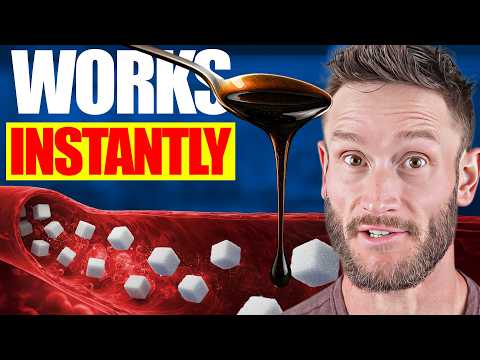
Molasses Stops Insulin Resistance Almost Immediately (how to use it)
~49 min
Episode Brief·YouTube

Molasses Stops Insulin Resistance Almost Immediately (how to use it)

Thomas DeLauer
Watch on YouTube Add to chat My bookmarks← All sources

TL;DR

The four things you'd lose by not watching

4 items

TL;DR

The four things you'd lose by not watching

4 items
1

Blackstrap molasses, at 0.5–1 tablespoon with a starchy lunch, reduces insulin requirements and improves beta-cell function, especially in insulin-resistant individuals.

2

Molasses acts as a natural carb blocker by inhibiting alpha-amylase and alpha-glucosidase, and slows gastric emptying via amylin, making it a tool for glucose control.

3

It has the highest antioxidant score among sweeteners, with ferric reducing ability and DNA-protective effects, blocking the Fenton reaction.

4

Avoid using molasses with dinner or sugary meals; Thrive Market offers vetted blackstrap molasses with 30% off.

Protocols

Concrete recipes — what, when, how much, and why

4 items

Molasses with Lunch Protocol

WhatConsume 0.5–1 tablespoon of blackstrap molasses with a starchy lunch to improve insulin sensitivity and promote fat loss.
WhenWith lunch, ideally with a meal containing starches (e.g., sandwich, pasta).
Dose0.5 to 1 tablespoon (approx. 7–15 ml). Do not exceed 3 tablespoons.
For whomIndividuals with insulin resistance or those looking to manage weight and glucose spikes.
WhyThe dose-dependent effect reduces insulin needs, slows gastric emptying via amylin, and blocks carb absorption, all while avoiding nighttime second-spike issues.
CaveatsAvoid using with dinner to prevent delayed gastric emptying causing a glucose spike during sleep. Do not use with high-sugar meals; only with starchy meals. Over 3 tablespoons may negate benefits due to sugar content.

The speaker explains that molasses' ability to delay gastric emptying is beneficial for daytime meals because it smooths the postprandial glucose curve and reduces the insulin response. However, at dinner, delayed emptying could push the second glucose spike into sleep, disrupting metabolic rest. Lunch is the ideal window because it allows the body to handle the slower absorption while active. The dose is critical: half to one tablespoon provides enough polyphenols and minerals to trigger the hormonal effects without adding excessive sugar. The speaker also notes that this protocol is distinct from using molasses purely for antioxidant benefits, which can be done anytime.

Mechanism

Amylin slows gastric emptying; GIP enhances glucose-dependent insulin secretion; alpha-amylase/glucosidase inhibition reduces starch digestion. Together, they lower the insulinogenic load of the meal.

You really want to be doing it with lunch. So, it's a good time that you could do it with breakfast, too, but it just makes sense with lunch cuz then you can, you know, have your I don't know, maybe a sandwich or something that has some more starch and you can delay the gastric emptying of it.

Also said
“You don't really want to delay gastric emptying with dinner because what's going to happen then is you're going to kind of delay the potential second spike.”— Explains the dinner avoidance.
“If you start going overboard like over 3 tablespoons then you start getting more of the actual sugar from the molasses superseding everything else.”— Dose ceiling.

Molasses with Starch, Not Sugar

WhatAdd molasses only to meals containing complex starches, not simple sugars, to maximize its carb-blocking and insulin-modulating effects.
WhenWhenever consuming a starchy meal (lunch preferred).
Dose0.5–1 tablespoon.
For whomAnyone looking to blunt the glycemic impact of starchy foods.
WhyMolasses aids in slowing starch digestion and reducing insulin response; adding it to sugary meals simply increases the glucose load without the starch-specific benefits.
CaveatsDo not use with desserts or sugary beverages.

The speaker emphasizes that molasses' enzyme inhibition targets starch-digesting enzymes, so its benefit is specific to complex carbohydrates. When consumed with simple sugars, the molasses adds its own sugar to the mix, potentially worsening the insulin spike. This distinction is crucial for practical application: use it in savory dishes, oatmeal, or with bread, not in sweet treats.

Mechanism

Polyphenols in molasses inhibit alpha-amylase and alpha-glucosidase, which are responsible for breaking down starches into glucose. Simple sugars do not require these enzymes, so the blocking effect is bypassed.

Use it with lunch with a high starch meal, not with a high sugar meal. If you use it with sugar, you're not going to get the same effect. Why? Because the molasses is designed to aid in the starches, right? It's going to help slow the digestion of the starches, but it's not going to help you when you're adding it on top of regular sugar.

Also said
“That's just going to increase the glucose load and stress you more as far as insulin is concerned.”— Consequence of misuse.

Blackstrap Molasses Selection

WhatOpt for dark or blackstrap molasses over light molasses for maximum mineral, antioxidant, and therapeutic effect.
WhenWhenever purchasing molasses for health purposes.
DoseN/A
For whomAnyone using molasses for insulin, antioxidant, or carb-blocking benefits.
WhyBlackstrap molasses is more concentrated in nutrients and polyphenols because it's from the third boiling of sugar cane, retaining more of the beneficial compounds.
CaveatsLight molasses still has some benefits but is less potent.

The speaker notes that the studies showing benefits predominantly used dark or blackstrap molasses. The darker the molasses, the more minerals and antioxidants it contains. Light molasses is from the first boiling and has more sugar relative to nutrients. For the protocols described, blackstrap is recommended to achieve the dose-dependent effects without needing excessive amounts.

Mechanism

The higher concentration of polyphenols, minerals like magnesium, and other phytochemicals in blackstrap molasses is responsible for the enzyme inhibition, antioxidant activity, and hormonal modulation.

Blackstrap molasses is going to have more potency when it comes to this. And that's why a lot of the studies look at either dark or black strap.

Also said
“Light molasses is still good, but it has less of the nutrients and less of the minerals.”— Comparison.

Molasses with Low-Glycemic Breakfast

WhatIf using molasses at breakfast, add it to low-glycemic foods like oatmeal or yogurt with fruit, not to sugary cereals or pancakes.
WhenBreakfast, only if the meal is low glycemic.
Dose0.5–1 tablespoon.
For whomThose who prefer morning use and eat a low-glycemic breakfast.
WhyTo avoid compounding a high sugar load; the molasses can still aid in slowing starch digestion from oats or provide antioxidant benefits.
CaveatsNot for high-sugar breakfasts. Still, lunch is preferred for insulin resistance goals.

The speaker briefly mentions that if one wants to use molasses at breakfast, it should be with something already low glycemic, like oatmeal or yogurt with fruit. This aligns with the starch-specific benefit. However, the primary recommendation remains lunch for the gastric emptying timing advantage.

Mechanism

Same as other protocols, but the timing consideration is less critical if the meal is low glycemic to begin with.

If you did want to use it with breakfast, you'd want to add add it to something that's already low glycemic. So, if that was the case, maybe you'd want to add it to maybe some oatmeal or something like that if that's what you're eating. Or adding it with a little bit of yogurt might not be a bad idea with some yogurt and some fruit.

What's new

Personal practice updates, fresh positions, predictions

4 items

molasses-reduces-insulin-needs

Adding molasses to a high-carb meal reduces the amount of insulin required, with greater effect in insulin-resistant individuals, by helping pancreatic beta cells function better.

Why this matters: Contradicts the assumption that all sugars worsen insulin resistance; shows a whole-food sweetener can improve insulin dynamics.

Background

Conventional wisdom holds that added sugars increase insulin demand and exacerbate insulin resistance. Molasses, a byproduct of sugar refining, retains minerals and polyphenols absent in refined sugar.

A study in the European Journal of Nutrition gave subjects test meals with varying molasses doses alongside carbohydrates. Surprisingly, more molasses led to less insulin secretion, not more. The effect was most pronounced in those with metabolic damage, suggesting molasses aids dysfunctional beta cells to produce insulin more efficiently. This challenges the calorie-centric view and highlights the food matrix. The American Journal of Clinical Nutrition also found molasses slows intestinal uptake of glucose and fructose, further blunting the insulin response. The speaker emphasizes that this is not about the sugar content but the accompanying compounds that modulate physiology.

The more of this sugar molasses that was added, the less insulin that was needed.

Also said
“It seems to impact pancreatic beta cells by actually helping dysfunctional beta cells produce insulin again.”— Explains the mechanism behind reduced insulin need.
“The more insulin resistant or the more metabolically damaged that somebody was, the more that the molasses helped.”— Shows the effect is targeted to those who need it most.
“Molasses also slowed the uptake of glucose and fructose by intestinal cells.”— Adds another layer of glucose modulation.

molasses-as-carb-blocker

Molasses inhibits alpha-amylase and alpha-glucosidase, enzymes that digest starches, reducing the amount and rate of carbohydrate absorption.

Why this matters: Positions molasses as a natural alternative to pharmaceutical carb blockers, despite being a sugar itself.

Background

Carbohydrate blockers are typically synthetic or extracted from plants like white kidney bean. The idea that a sugar-rich syrup could block carb digestion is paradoxical.

The speaker cites research showing molasses blocks alpha-amylase and alpha-glucosidase, the enzymes responsible for breaking down starches into absorbable sugars. By inhibiting these enzymes, some starch passes through the small intestine undigested and reaches the colon, where gut bacteria ferment it. This reduces the glycemic impact and insulin demand. The effect is dose-dependent, but exceeding 3 tablespoons overwhelms the benefit with the molasses' own sugar. This carb-blocking property, combined with the slowing of gastric emptying via amylin, makes molasses a dual-action tool for glucose control.

It blocks the enzymes that break down sugar and starches. So it blocks to a certain degree alpha amalayise and alpha gluccoidase.

Also said
“Bottom line less sugar is absorbed in the intestines when molasses is added into the mix.”— Summarizes the practical outcome.
“Some of the starch molecule might even make it all the way through and just get into our colon and ultimately broken down by the microbiome, not even absorbing into our bloodstream.”— Details the fate of blocked starch.

molasses-antioxidant-and-dna-protection

Blackstrap molasses has the highest antioxidant capacity among sweeteners, with strong ferric reducing ability, and protects DNA from mutation and oxidative damage.

Why this matters: Extends molasses' benefits beyond glucose control to longevity and cellular health, with specific assays like FRAP and anti-mutagenic tests.

Background

Antioxidant comparisons often focus on fruits and spices; molasses is rarely considered. The ferric reducing ability of plasma (FRAP) measures the ability to reduce iron and prevent oxidative stress.

A study in the Journal of the Academy of Nutrition and Dietetics compared molasses to sugar, corn syrup, and 11 other sweeteners. Blackstrap molasses scored highest in total antioxidant capacity and FRAP. The speaker explains that FRAP is crucial because it reflects the ability to keep iron in a reduced, less oxidative state, preventing Fenton reactions that generate hydroxyl radicals. Additionally, a Food Chemistry study found blackstrap molasses antioxidants had anti-mutagenic properties, protecting DNA from mutations. Another study in Journal of Agriculture Food Chemistry showed molasses protected liver DNA and blocked the Fenton reaction directly. These findings suggest long-term anti-inflammatory and anti-aging benefits from regular, low-dose consumption.

Molasses, blackstrap molasses, had the highest antioxidant score when it came to that feric reducing ability.

Also said
“The antioxidants that were in blackstrap molasses had anti-mutagogenic properties, meaning it was affecting our DNA to the point where the DNA wouldn't mutate.”— Highlights the anti-mutagenic effect.
“Molasses actually protected liver DNA. So, it's acting as a shield for the liver DNA.”— Specifies organ-level protection.
“It blocked something that's called the fentin reaction. The fentin reaction is a major catalyst when it comes down to oxidative stress.”— Explains a key mechanism of oxidative damage prevention.

molasses-amylin-gip-axis

Molasses increases amylin, which slows gastric emptying, and modulates GIP for glucose-dependent insulin release, improving overall insulin efficiency.

Why this matters: Reveals a hormonal pathway beyond simple glucose absorption, explaining why molasses can be used strategically with meals.

Background

Amylin is a hormone co-secreted with insulin that regulates gastric emptying and satiety. GIP is an incretin that stimulates insulin secretion in response to glucose. Their modulation by a food is unusual.

The Journal of Food study found that molasses increases amylin release from pancreatic beta cells. Amylin slows the rate at which food leaves the stomach, smoothing the post-meal glucose curve. Simultaneously, molasses affects GIP, an incretin hormone from the small intestine that ensures insulin is released only when glucose is present, preventing hypoglycemia. This coordinated effect means insulin works more effectively, and the body requires less of it. The speaker advises using molasses with lunch rather than dinner to avoid delaying gastric emptying too close to sleep, which could cause a second glucose spike during the night.

Molasses increases what's called amalain. Amalin is released by a pancreatic beta cell directly alongside insulin. It's the job of amalin to essentially make it so that glucose absorbs a little slower. It slows gastric emptying.

Also said
“Then you have gip which is released by the small intestine to essentially allow insulin to be released in a glucose dependent fashion.”— Adds the GIP component.
“What we're finding is that molasses helps insulin do its job better by helping other things communicate with it.”— Summarizes the integrative effect.

Recommendations

Products, supplements, and tools mentioned in the episode

1 item

Blackstrap Molasses

Product

As a functional food to improve insulin sensitivity, block carbs, and provide antioxidants.

The entire video is about the benefits of molasses, specifically blackstrap. The speaker recommends incorporating it into meals as a tool, not just a sweetener. He suggests using it in savory dishes or with starches, not as a sugar substitute in desserts. The product itself is the intervention.

vs alternatives

Compared to refined sugar, corn syrup, and even light molasses, blackstrap molasses offers superior mineral content, antioxidant capacity, and metabolic benefits. It is also compared to pharmaceutical carb blockers and insulin-sensitizing agents, but as a natural food.

I recommend you get either a dark or a blackstrap molasses

Also said
“Blackstrap molasses is going to have more potency when it comes to this.”— Reinforces the specific type.
Find Blackstrap
Disclosed sponsorships1speaker disclosed

Thrive Market

Service Sponsored · disclosed

For sourcing high-quality, vetted blackstrap molasses and other groceries.

DisclosureThomas DeLauer provides an affiliate link offering 30% off and a free gift; he states he trusts their product vetting.

The speaker emphasizes that molasses, like honey, can be stripped of nutrients to improve taste, so sourcing from a trusted vendor is important. Thrive Market screens products for ingredient quality and sourcing, ensuring the molasses retains its beneficial compounds. The 30% discount and free gift are incentives for using his link.

vs alternatives

Compared to generic supermarket molasses, which may be light or processed, Thrive Market offers dark/blackstrap options with quality assurance.

Personal experience

I trust Thrive Market when it comes to molasses because they vet all their products.

The reason that I trust Thrive Market when it comes to molasses is because they vet all their products. So they put them through the ringer when it comes to sourcing, when it comes to their ingredient quality.

Also said
“I put a link down below for Thrive Market. They have different forms of molasses there. I recommend you get either a dark or a blackstrap molasses, but if you use that link for Thrive Market, it gets you 30% off your entire grocery order.”— Direct endorsement and offer details.
Find Thrive

Notable quotes

Lines worth pulling out — contrarian, specific, or perfectly phrased

7 items
The more of this sugar molasses that was added, the less insulin that was needed.
Counterintuitive finding that challenges the sugar-insulin dogma.
It seems to impact pancreatic beta cells by actually helping dysfunctional beta cells produce insulin again.
Direct mechanism claim for improving insulin resistance.
The more insulin resistant or the more metabolically damaged that somebody was, the more that the molasses helped.
Personalized effect—greatest benefit for those who need it most.
Molasses, blackstrap molasses, had the highest antioxidant score when it came to that feric reducing ability.
Positions molasses as the top antioxidant sweetener.
It blocks the enzymes that break down sugar and starches. So it blocks to a certain degree alpha amalayise and alpha gluccoidase.
Frames molasses as a natural carb blocker.
The antioxidants that were in blackstrap molasses had anti-mutagogenic properties, meaning it was affecting our DNA to the point where the DNA wouldn't mutate.
Longevity and anti-cancer implication.
Use it with lunch with a high starch meal, not with a high sugar meal.
Clear, actionable rule that subverts typical sweetener use.

Sign in to share feedback

Tell us if this brief hit the mark or missed it — feedback feeds back into the next iteration of the prompt.

Topics covered

molassesinsulin-resistancebeta-cellsamylingipcarb-blockeralpha-amylasealpha-glucosidaseantioxidantferric-reducing-abilityfenton-reactiondna-protectionblackstrap-molassesdosemeal-timingthrive-marketglycemic-controlweight-loss
Free account

Make this library yours

Reading is free for everyone. A free account adds the personal layer: save protocols, follow experts, and see how the other experts weigh in on this same topic.

Create a free accountSign in

Where the experts disagree — weekly

One email a week: the sharpest new disagreements and protocols from the library. No spam, unsubscribe anytime.

Educational summary of the cited expert source — not medical advice. Open the source recording linked above and consult a qualified physician before acting on any protocol.