UNFUCG
DashboardSearchChatBookmarksNotificationsActivityPremiumProfile
?
Home
Search
Chat
Saved
Profile
Episode
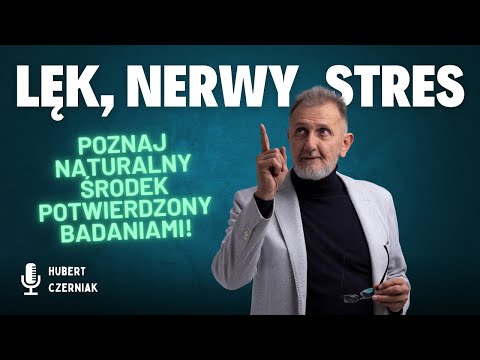
Badania potwierdzają! Lęk, nerwy i bezsenność i przegrywają z naturalną substancją! Hubert Czerniak
~4 min
Brief odcinka·YouTube

Badania potwierdzają! Lęk, nerwy i bezsenność i przegrywają z naturalną substancją! Hubert Czerniak

Hubert Czerniak
Obejrzyj na YouTube Dodaj do czatu Moje zakładki← Wszystkie źródła

TL;DR

Cztery rzeczy, które stracisz, jeśli nie obejrzysz

4 elementów

TL;DR

Cztery rzeczy, które stracisz, jeśli nie obejrzysz

4 elementów
1

Ashwagandha (Withania somnifera) is an adaptogenic herb from Ayurveda that reduces anxiety, lowers cortisol, and improves sleep.

2

Clinical studies show 60-day supplementation reduces anxiety markers (tribulus protein) and has blood-sugar-lowering effects comparable to glibenclamide.

3

Typical supplement dose: 300-500 mg extract or 3 g powdered root daily, for up to 3 months; Ayurvedic tradition uses 10x higher withanolide doses without harm.

4

The speaker recommends Ken Follett's 'World Without End' as a lesson in rational thinking during epidemics.

Protokoły

Konkretne przepisy — co, kiedy, ile i dlaczego

1 element

Ashwagandha supplementation for anxiety, stress, and sleep

CoTake ashwagandha extract or powdered root daily.
KiedyDaily, presumably with meals (not specified).
Dawka300–500 mg of extract OR approximately 3 g of powdered root per day, for no longer than 3 months. Alternatively, higher withanolide doses (up to 100 mg) as per Ayurvedic tradition if one chooses to disregard official 10 mg limit.
Dla kogoAdults experiencing anxiety, nervousness, insomnia, weakened immunity, or difficulty adapting to stress. Not for pregnant/breastfeeding women, children, or those with hyperactivity/aggression without careful consideration.
DlaczegoReduces anxiety and stress, lowers cortisol, improves sleep onset, may enhance testosterone, cognitive function, immunity, and physical performance.
ZastrzeżeniaAvoid in pregnancy, breastfeeding, and children. Caution in hyperactive or aggressive individuals. Do not exceed 3 months continuously. Overdose is possible but symptoms not detailed. The speaker suggests official withanolide limits are overly cautious, but listeners should consult a healthcare provider.

The speaker presents ashwagandha as a natural, non-toxic solution to common modern ailments: anxiety, sleep problems, low immunity, and poor stress adaptation. He describes the plant's origin in dry regions of Asia and Africa, its use in Ayurveda, and the parts utilized (root and fruit). He then details the standard supplement forms: extracts standardized to 300–500 mg or whole root powder at about 3 g daily, with a maximum duration of 3 months. He immediately contrasts this with official withanolide norms of 10 mg, arguing that Ayurveda safely uses tenfold higher doses long-term. He acknowledges contraindications for pregnant/breastfeeding women and children, and suggests caution for those who are hyperactive or aggressive. The overall message is that ashwagandha is a safe, effective, and underutilized natural substance that Westerners should adopt, just as Eastern medicine has for millennia.

Mechanizm

Ashwagandha contains withanolides, alkaloids, and flavonoids. It is classified as an adaptogen, helping the body resist stressors. It lowers cortisol, the primary stress hormone, and modulates neurotransmitters involved in anxiety. The speaker also mentions anti-inflammatory, antioxidant, and potential anticancer properties, though the exact pathways are not elaborated.

suplementy zawierają zwykle 300 do 500 mg ekstraktu w przypadku sproszkowanego korzenia należy stosować około 3 g dziennie nie dłużej jak 3 miesiące

Powiedział też
“w ajurwedzie stosuje się dawki 10 razy wyższe niż te zalecane u nas i to długotrwale i nikomu nie wyrządziło to żadnej krzywdy”— Provides the traditional dosing perspective that challenges official limits.
“kobiety w ciąży karmiące oraz dzieci ale jeżeli mamy osoby nadpobudliwe i agresywne należałoby się zastanowić nad suplementację”— Specifies populations that should avoid or carefully consider supplementation.

Co nowego

Zmiany w osobistej praktyce, świeże stanowiska, prognozy

2 elementów

ashwagandha-clinical-study-anxiety-cortisol

A 60-day ashwagandha extract study showed reduction in tribulus protein (a clinical anxiety marker), lowered cortisol, raised testosterone, and had a blood-sugar-lowering effect similar to glibenclamide.

Dlaczego to ważne: Provides specific clinical evidence for ashwagandha's multi-target effects on anxiety, stress hormones, and glucose metabolism, moving beyond traditional anecdotes.

Kontekst

Ashwagandha has been used in Ayurveda for centuries, but modern research quantifying its impact on biomarkers like tribulus protein and cortisol is relatively recent and strengthens its credibility in evidence-based circles.

The speaker cites research demonstrating that taking ashwagandha extract for 60 days significantly reduces tribulus protein, which he identifies as a clinical indicator of anxiety. He further notes that the herb lowers cortisol—the primary stress hormone—while simultaneously increasing testosterone levels. Additionally, he mentions a blood-sugar-lowering effect comparable to the antidiabetic drug glibenclamide. This positions ashwagandha not just as a calming agent but as a broad metabolic regulator. The speaker frames these findings as validation of traditional use, emphasizing that the plant is not a synthetic lab creation but a natural substance with a long safety record. He does not provide study details like sample size or publication, but the claims are presented as established facts.

Badania wykazały że stosowanie ekstraktu z aszw gandy przez 60 dni obniża poziom białka tribulus trybula jest klinicznym wskaźnikiem lęku ashwaganda wpływa też na obniżenie kortyzolu hormonu stresu podwyższa poziom testosteronu wpływa obniżają na poziom podobną do glibenklamid takiego leku przeciwcukrzycowe

Powiedział też
“ashwaganda wpływa też na obniżenie kortyzolu hormonu stresu podwyższa poziom testosteronu”— Adds the cortisol-testosterone axis modulation to the anxiety marker finding.

ashwagandha-dosing-safety-controversy

Official withanolide norms are set at 10 mg, but Ayurvedic practice uses doses 10 times higher long-term without reported harm, challenging regulatory conservatism.

Dlaczego to ważne: Directly questions official safety limits by appealing to centuries of traditional use, encouraging listeners to think critically rather than blindly follow modern guidelines.

Kontekst

Regulatory bodies often set conservative upper limits for herbal compounds based on limited toxicology data, while traditional systems like Ayurveda have empirical safety records from long-term use at higher doses.

The speaker points out that current official norms allow only 10 mg of withanolides, but in Ayurveda, doses are routinely 10 times higher and used for extended periods without any recorded harm. He explicitly tells the audience to 'turn on thinking' ('włączamy myślenie'), implying that the official limits are overly cautious and not grounded in real-world traditional use. He acknowledges that certain groups—pregnant and breastfeeding women, children, and possibly hyperactive or aggressive individuals—should exercise caution, but frames the overall risk as minimal. He also mentions that overdose is possible with any substance, even water, but does not detail specific ashwagandha overdose symptoms, suggesting they are not a major concern. This segment is a call to trust traditional knowledge over bureaucratic safety margins.

ostatnie normy które można oficjalnie stosować jeśli chodzi o witanolidy to 10 mg ale jeszcze do komu to przeszkadzało włączamy myślenie w ajurwedzie stosuje się dawki 10 razy wyższe niż te zalecane u nas i to długotrwale i nikomu nie wyrządziło to żadnej krzywdy

Powiedział też
“włączamy myślenie”— Encapsulates the speaker's push for critical evaluation of official guidelines.

Rekomendacje

Produkty, suplementy i narzędzia wymienione w odcinku

2 elementów

Ashwagandha (Withania somnifera)

Suplement

The speaker strongly endorses ashwagandha as a natural, non-toxic adaptogen for anxiety, stress, sleep, immunity, and overall health, urging listeners to start using it.

Throughout the video, the speaker builds a case for ashwagandha as a superior natural alternative to synthetic drugs. He highlights its long history in Ayurveda, its broad spectrum of benefits (anxiolytic, cortisol-lowering, testosterone-boosting, antidiabetic, cognitive, anti-inflammatory, antioxidant, anticancer), and its safety profile. He explicitly states that it is not toxic and has been highly valued in Eastern medicine for thousands of years, concluding that 'we too should start using it.' No specific brand is mentioned; the recommendation is for the substance itself in extract or powder form.

vs alternatywy

The speaker contrasts ashwagandha with patented laboratory drugs, emphasizing its natural origin and lack of toxicity. He also compares official withanolide limits to traditional Ayurvedic dosing, implying the latter is more effective and equally safe.

Jest to substancja naturalna która może przynieść nam bardzo duże korzyści nie jest toksyczna w medycynie Dalekiego Wschodu bardzo pożądana i często od tysięcy lat stosowana więc my też powinniśmy zacząć to stosować

Powiedział też
“łagodzi stres zmniejsza niepokój i lęki oraz ułatwia zasypianie zalicz jest do adaptogenów”— Summarizes the core benefits that make it a recommended supplement.
Znajdź Ashwagandha

Świat bez końca (World Without End) by Ken Follett

Książka

The speaker recommends this historical novel set during the Black Death as a lesson in rational thinking, independent decision-making, and not succumbing to fear propagated by authorities and media during epidemics.

In the closing segment, the speaker transitions from ashwagandha to a book recommendation, stating 'Kto czyta książki ten żyje podwójnie' (He who reads books lives twice). He describes the plot: in 14th-century England during the plague, a young person acquires knowledge from various sources and manages to minimize casualties, while priests close churches, healthcare fails, and people die in droves. He draws a parallel to contemporary times, criticizing fear-driven narratives from television, radio, and authorities (in the book, priests; today, presumably media and officials). He urges listeners to use their own reason, seek independent opinions, and act rationally rather than emotionally. The book is presented as a manual for navigating any epidemic by thinking for oneself.

Kto czyta książki ten żyje podwójnie kolejna wspaniała książka Kena feta Świat bez końca

Powiedział też
“zobaczycie że lęk strach i słuchanie tych głównych narratorów telewizji radia tam akurat księży zony to najgorsza rzecz jaka może was spotkać musicie kierować się swoim rozsądkiem i wyciągać niezależne opinie”— Directly states the core lesson the speaker wants listeners to take from the book.
Znajdź Świat

Cytaty warte uwagi

Frazy warte wyciągnięcia — kontrariańskie, konkretne lub doskonale sformułowane

5 elementów
w ajurwedzie stosuje się dawki 10 razy wyższe niż te zalecane u nas i to długotrwale i nikomu nie wyrządziło to żadnej krzywdy
Contrarian stance against official safety limits, using traditional evidence to challenge modern regulations.
włączamy myślenie
A direct call to critical thinking, encapsulating the speaker's anti-dogma attitude.
Jest to substancja naturalna która może przynieść nam bardzo duże korzyści nie jest toksyczna
Strong, unqualified endorsement of ashwagandha's safety and efficacy.
lęk strach i słuchanie tych głównych narratorów telewizji radia tam akurat księży zony to najgorsza rzecz jaka może was spotkać
Memorable warning against media and authority fear-mongering, tying the historical novel to present-day behavior.
Kto czyta książki ten żyje podwójnie
Aphoristic opener to the book recommendation, emphasizing the value of reading.

Sign in to share feedback

Tell us if this brief hit the mark or missed it — feedback feeds back into the next iteration of the prompt.

Poruszone tematy

ashwagandhaanxietycortisoladaptogensayurvedawithanolidessupplementationbook-recommendationcritical-thinkingepidemicsstresssleeptestosterone
Free account

Make this library yours

Reading is free for everyone. A free account adds the personal layer: save protocols, follow experts, and see how the other experts weigh in on this same topic.

Create a free accountSign in

Where the experts disagree — weekly

One email a week: the sharpest new disagreements and protocols from the library. No spam, unsubscribe anytime.

Educational summary of the cited expert source — not medical advice. Open the source recording linked above and consult a qualified physician before acting on any protocol.