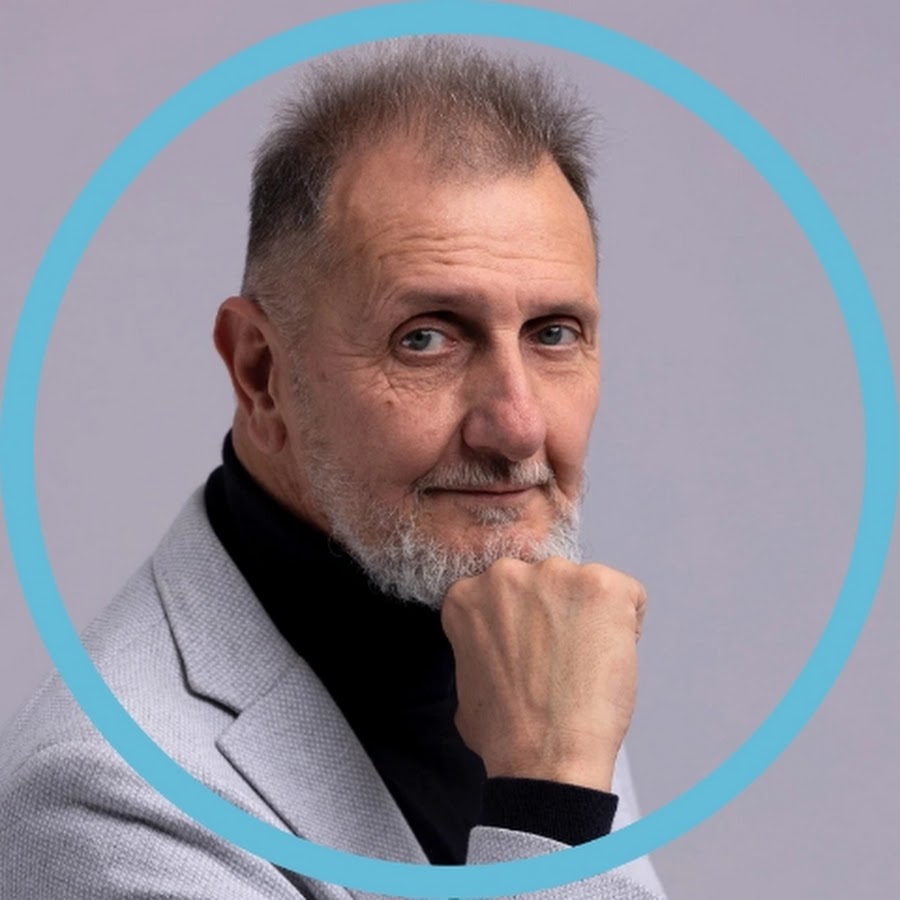
Hubert Czerniak argues that official vitamin D3 blood-level norms have been suspiciously lowered in 2024 (from 30–70 ng/ml to 54–40 ng/ml) without a clear rationale, while the Garland brothers' cancer-incidence research and the Coimbra protocol support much higher levels (≥60 ng/ml) for health and disease management.
2
He claims that evidence‑based medicine largely ignores vitamin K2 (menaquinone) despite near‑century‑old evidence from dentist Weston Price linking it to proper pelvic and dental arch development, and that standard newborn vitamin D dosing has collapsed from historical regimens of 10,000 IU/day down to 400 IU/day.
3
He promotes orthomolecular mitochondrial medicine, detailing how all cellular energy production depends on fat‑soluble vitamins A, D, K, the full B‑vitamin spectrum, and Coenzyme Q10, and invokes Linus Pauling and Frederick Klenner to argue that high‑dose vitamin C (tens of grams per day) is safe and effective.
4
He speculates that scientific papers on orthomolecular medicine are being quietly removed from academic libraries and openly advertises his ‘Eremedium’ online marketplace for small Polish natural‑product manufacturers.
Protocols
Concrete recipes — what, when, how much, and why
5 items
High‑dose vitamin D3 with full ADEK complex and minerals
WhatSupplement vitamin D3 always together with the other fat‑soluble vitamins A, D, E, K and add magnesium and potassium to prevent muscular and joint side effects.
WhenOngoing daily supplementation, especially for athletes and heavy sweaters. In disease states, higher doses are used (as per Coimbra protocol).
DoseNot specified as a single number; D3 doses range from hundreds to tens of thousands of IU depending on condition. The speaker notes that historical textbooks allowed 10,000 IU/kg body weight in certain diseases. The Coimbra protocol can reach extreme daily doses.
For whomAnyone supplementing vitamin D3, particularly physically active people who sweat a lot, and those following high‑dose protocols for autoimmune or other diseases.
WhyVitamin D3 improves energy metabolism, raises calcium levels, and depletes intracellular potassium and magnesium. Without the full ADE complement and these minerals, users may experience joint stiffness, muscle pain, and nocturnal cramps.
CaveatsMust add magnesium and potassium; otherwise risk of ‘sztywność stawów, bóle mięśni, nocne skurcze mięśni’ (joint stiffness, muscle pain, night cramps). Overdose of D3 alone is possible if hypercalcemia develops, but the speaker contends true vitamin A toxicity is extremely rare and he has never seen it.
The speaker’s core argument is that mainstream dosing advice ignores the physiological interdependence of fat‑soluble vitamins and minerals. He recounts how he and his colleagues independently arrived at the necessity of a full ADEK‑plus‑Mg/K protocol, only to discover that the Coimbra protocol in Brazil had long been using a similar approach for autoimmune diseases. The episode laments that this knowledge has not percolated to Poland and that academic medicine’s RDAs for D3 are being lowered instead of raised. He further warns that exercise and sweating accelerate potassium/magnesium loss, making the mineral add‑on even more critical for athletes.
Mechanism
Vitamin D3 enhances mitochondrial energy output and intestinal calcium absorption, raising serum calcium. That shift demands adequate vitamin K2 to direct calcium into bone rather than soft tissues, and requires potassium/magnesium to maintain ion balance in muscle and nerve cells. Without them, especially during intense sweating, intracellular electrolytes drop, causing muscle cramps and stiffness.
Personal experience
The speaker says, ‘myślałem, że to tylko ja i ci, którzy są koło mnie, że to my stwierdziliśmy, że trzeba dużych dawek witaminy D3’, indicating he and his circle independently adopted high‑dose D3. He also recalls that in his 35‑year career he never encountered a case of vitamin A poisoning, while vitamin A deficiency led to severe measles complications and deaths, cementing his confidence in safely using high doses.
musimy przy suplementacji witaminą D3 w ogóle CM adekiem dodawać jeszcze magnez i potas. te pierwiastki wewnątrzkomórkowe. Bowiem inaczej niektórzy mogą stwierdzić, szczególnie sportowcy, intensywnie ćwiczący i pocący się, że nagle czuje sztywność stawów, bóle mięśni, nocne skurcze mięśni, bo brak potasu i magnezu.
Also said
“nawet moje podręczniki pod redakcją profesora Kostowskiego pokazywały, że przy niektórych jednostkach chorobowych podawało się 10 000 jednostek na kilogram masy ciała dziennie i nie było żadnych problemów.”— Puts an extreme upper dose in a historical academic textbook, supporting the safety of high‑dose D3 when properly managed.
“osobiście pamiętam mojej 35letniej karierze, gdy pracowałem jako lekarz medycyny, ani razu nie spotkałem się z przypadkiem zatrucia witaminą A. Natomiast braki tej witaminy … wiązały się z ciężkimi przechorowaniami Odry, a nawet zejściami śmiertelnymi.”— First‑hand clinical experience underscoring that deficiency—not toxicity—is the real danger, reinforcing the safety of high‑dose ADEK.
Coimbra protocol for autoimmune diseases
WhatA high‑dose vitamin D3 protocol developed by Dr. Cicero Galikao Imbre to treat autoimmune conditions, using large daily doses of D3 with monitoring.
WhenAs a therapeutic protocol in diagnosed autoimmune disease, under medical supervision.
DoseDoses tailored to the patient; the exact numbers are not stated but are described as ‘bardzo duże dawki witaminy D3’, consistent with others using tens of thousands of IU or more per day.
For whomPatients with autoimmune disorders under the care of a physician familiar with the protocol.
WhyAutoimmune diseases respond to high, pharmacologic doses of vitamin D3 that far exceed the RDA, presumably through immunomodulation and improved cellular energy.
CaveatsMust be conducted with medical oversight; the speaker merely introduces it as an existing protocol, not as self‑treatment advice.
The speaker presents this protocol as proof that experienced clinicians around the world are independently converging on the same high‑dose D3 strategy, yet it remains unknown in Poland. He rhetorically asks why this 2013 innovation hasn’t reached his country, implying deliberate gatekeeping of alternative medical knowledge.
Cicero Galikao Imbre, … profesor na Uniwersytecie w San Paulo, w kwestii terapii chorób autoimmunologicznych stworzył tak zwany protokół Koimbry w roku 2013. Dlaczego to do nas nie dotarło przez tyle lat?
High‑dose vitamin C therapy
WhatOral vitamin C in doses of ‘kilkadziesiąt gramów na dobę’ (tens of grams per day) and, during high‑fever illness, up to the patient’s body weight in grams per day without causing diarrhea, citing Linus Pauling and Dr. Frederick Klenner.
WhenDaily supplementation for health, with much higher doses orally during acute febrile illness.
DoseRoutine: tens of grams/day; acute illness: up to 1 gram per kilogram of body weight per day orally, as long as bowel tolerance is not exceeded.
For whomGeneral health maintenance and particularly during infections with high fever.
WhyVitamin C is required by mitochondrial complex IV, supports collagen integrity, and acts as a powerful antioxidant. The speaker claims that the extremely high amounts used historically demonstrate genuine physiological demand that far exceeds the official 1‑gram RDA.
CaveatsThe absence of diarrhea at these massive oral doses indicates full absorption, implying that when the body needs it, the gut can absorb enormous quantities. This is presented as evidence of safety, not a warning.
The speaker contrasts the 1‑gram RDA promoted even in TV commercials with the clinical experience of Pauling (double Nobel laureate) and Klenner, who used up to ‘kilkadziesiąt gramów’ daily and, in fever patients, gave oral doses equal to the patient’s weight in kilograms—without triggering diarrhea. He interprets the lack of diarrhea as proof that the body absorbed every milligram, indicating genuine deficiency correctable only by huge amounts. This segment is a direct attack on official RDA logic, implying that the RDA is set to prevent scurvy, not to optimize health.
Mechanism
Vitamin C is a cofactor for prolyl hydroxylase and other enzymes, and it recycles vitamin E and glutathione. In the mitochondrial respiratory chain, complex IV (cytochrome c oxidase) directly uses vitamin C to facilitate electron transfer. The speaker frames high‑dose use as supporting the mitochondrial ‘engine’ during metabolic stress.
doktor Klener mówił o kilkudziesięciu gramach na dobę, kilkadziesiąt gramów. W chorobach z wysoką gorączką przyjmowano nawet tyle gramów, ile kilogramów waży człowiek i to doustnie. I nie było biegunki. To znaczy, że cała ilość witaminy C, którą wepchnęliśmy do jelit, do ust, została wchłonięta, bo tyle potrzebowało.
Also said
“Kompleks czwarty wymaga witaminy C.”— Grounds the physiological need for vitamin C in the mitochondrial electron transport chain, explaining why such high doses might be required.
Mitochondrial support with CoQ10 and full B‑vitamin complex
WhatEnsure adequate intake of Coenzyme Q10 (ubiquinone) and vitamins B2, B3, B8, B9, B12, plus vitamin K and C, to support the multicomponent electron transporters between mitochondrial complexes.
WhenOngoing dietary/supplemental intake to maintain efficient mitochondrial energy production.
DoseNo specific doses given; the speaker emphasizes that the electron transport chain requires ‘olbrzymiej ilości koenzymu Q10’ and the listed vitamins.
For whomEveryone, especially those with fatigue, chronic illness, or any condition that increases metabolic demand.
WhyThe four respiratory complexes and the ATP synthase (complex V) depend on specific cofactors: complex I uses NAD (B3) and vitamin A; complex II needs A and B2; electron shuttling between complexes relies on CoQ10, K, C, and various B vitamins; complex IV needs vitamin C. A deficiency in any of these bottleneck the entire energy pipeline.
CaveatsThe speaker does not warn of overdosing but frames the information as a biological fact, implying that modern diets are insufficient.
The speaker builds an analogy: the cell is an engine, and the electron transport chain is its pistons and fuel injectors. B vitamins, CoQ10, and fat‑soluble vitamins are the precision components that keep the engine from ‘choking and dying’. He emphasizes that the mitochondrial membranes themselves are made of phospholipids, which require fat‑soluble vitamins for integrity and function. Thus, deficiencies in these vitamins not only starve the respiratory chain but also degrade the structural membranes through which substrates and electrons must pass. The segment ties together the earlier discussion of RDA lowering to a concrete biological machine, making a case that sub‑optimal vitamin intake leads to a silent energy deficit in every cell.
Mechanism
The speaker walks through the mitochondrial respiratory chain: complex I uses NAD (B3) and vitamin A; complex II uses A and B2 (riboflavin). Electron transport between complexes across the inner mitochondrial membrane requires CoQ10 and vitamins K, C, B2, B3, B8, B9, B12. Complex IV uses vitamin C. All these complexes pump protons into the intermembrane space, creating a massive gradient that drives ATP synthase (complex V) at ‘3600 revolutions per minute’. Without the vitamin cofactors, the chain stalls, energy output drops, and the cell ‘chokes’ like a fuel‑starved engine.
System transportu elektronów przez wewnętrzną błonę mitochondrialną między tymi poszczególnymi czterema kompleksami, tym piątym, tymi enzymatycznymi, wymaga właśnie olbrzymiej ilości koenzymu Q10. czyli tak zwany ubichinot oraz witamin K, C, B2, B3, B8, B9, B12.
Also said
“Te wszystkie skumulowane jony wodorowe zaczynają pędzić przez piąty kompleks, jak elektrownia szczytowo-pompowa nakręca spirale ATPAy, czyli piąty kompleks z siłą wodospadu 3600 obrotów na minutę, to jest dużo.”— Adds the vivid mechanical analogy and the specific 3600‑rpm figure, reinforcing how critical efficient electron flow is.
“Kompleks numer 1 wymaga, jak widzicie do swojej pracy witaminy A oraz tu na dole NAD. A NAAD, czyli dwunukletyt nikotynamidoadeninowy, a więc nikotyna, witamina B3.”— Specifies that NAD is derived from niacin (B3), linking familiar B‑vitamin to a key mitochondrial complex.
Historical high‑dose D3 regimen for newborns
WhatNewborns received 2,000 IU of D3 per day plus a single 300,000 IU dose in each of the 3rd, 4th, and 5th months of life (averaging ~10,000 IU/day over that quarter), according to the speaker’s medical textbooks.
WhenDuring the speaker’s medical training era; presented as a stark contrast to current 400 IU/day recommendation.
Dose2,000 IU/day from birth; in months 3, 4, and 5, an additional single 300,000 IU dose (one per month).
For whomHistorically, all newborns; the speaker uses it as evidence of safe high‑dose D3 in infants.
WhyThe speaker does not explicitly endorse this regimen but implies it was effective and safe, questioning why doses have been so drastically reduced.
CaveatsThis is not a current medical recommendation; the speaker presents it as a historical benchmark to expose the modern policy shift.
The speaker uses this protocol as a rhetorical device: if the old, much higher dosing was standard medical practice and apparently caused no harm, then the modern drastic reduction cannot be justified by safety data. He specifically asks why the doses have fallen so much, hinting that the move is driven by economic or ideological forces rather than new toxicity evidence.
Personal experience
The speaker studied these protocols first‑hand in medical school, giving him direct knowledge of a once‑accepted standard.
Medycyna akademicka moich czasów studenckich zalecała 2000 dla noworodków i dodatkowo w trzecim, w czwartym i w piątym miesiącu życia po 300 000 jednostek jednorazowo, czyli średnio jakby przez te trzy miesiące po 10 000 dziennie.
What's new
Personal practice updates, fresh positions, predictions
4 items
Vitamin D3 lab norms shrunk in 2024
Official reference ranges for 25‑OH‑D3 blood levels have been abruptly reduced from 30–70 ng/ml to “54 do 40” ng/ml (the speaker misspeaks the exact range) in some laboratories since 2024.
Why this matters: The change narrows the range and makes it harder to identify or treat sub‑optimal vitamin D status, while the Garland brothers’ research and Coimbra protocol suggest much higher physiological requirements.
Background
For years the standard range was 30–70 ng/mL; the Garlands’ geographic cancer‑incidence studies indicated that 60 ng/mL is the minimum level at which a healthy person can function optimally.
The speaker presents this unannounced lowering as part of a broader pattern in which evidence‑based medicine restricts vitamin D exposure just as more independent studies show benefits at higher concentrations. He contrasts the new range with the Coimbra protocol, developed in 2013 in Brazil and Argentina, which uses far larger doses of D3 for autoimmune diseases, and wonders why such protocols remain unknown in Poland more than a decade later. The implication is that institutional forces deliberately suppress alternative dosing knowledge.
do niedawna było 30 do 70 popatrzcie porównujemy 30 do 70 nog na mil od 2024 roku zaczęto w niektórych laboratoriach tą normę obniżać do 54 do 40 nan na milit
Also said
“poziom 25 OHD3, przy którym zdrowy człowiek, zdrowy, nie chory, może jako tako funkcjonować to 60 nog na mlr.”— Cites the Garlands’ threshold, which is well above the old upper limit and far above the new range, underlining the stark gap between academic and orthomolecular medicine.
“Cicero Galikao Imbre, proszę bardzo. Lekarz z Buenos Aires, profesor na Uniwersytecie w San Paulo, w kwestii terapii chorób autoimmunologicznych stworzył tak zwany protokół Koimbry w roku 2013. Dlaczego to do nas nie dotarło przez tyle lat?”— Highlights a major auto‑immunity protocol unknown in Poland, reinforcing the theme of suppressed information.
Disappearing orthomolecular research papers
Peer‑reviewed orthomolecular studies that once appeared in highly ranked journals are now vanishing from academic library collections.
Why this matters: If true, this suggests systematic removal of information that contradicts current evidence‑based medicine dogma, limiting the public and even clinicians’ access to decades of published science.
Background
Orthomolecular medicine, focused on nutrient‑based detoxification and mitochondrial health, historically had a strong academic footprint. The speaker asserts that papers from this field were routinely published in respected journals before ‘strangely’ disappearing.
The claim is presented as an observation without a named whistle‑blower, but serves to frame the entire episode as a “health debate” in which one side’s evidence is being erased. The speaker ties this to the broader theme of suppressed high‑dose vitamin research, suggesting that academic medicine uses institutional power to control what remains accessible. No specific journal or paper is cited, so the note functions as an assertion that listeners can independently verify.
Co dziwne, prace naukowe z tej dziedziny medycyny ortomolekularnej bardzo często były publikowane w wielu wysoko notowanych periodykach naukowych, ale po pewnym czasie jakoś dziwnie znikają z bibliotek akademich.
Vitamin K2 completely overlooked by academic medicine
Despite being sold in pharmacies together with D3 for over a year, vitamin K2 (menaquinone) remains officially ignored, though dentist Weston Price identified it as ‘Factor X’ almost 100 years ago.
Why this matters: The oversight means that mainstream prenatal and pediatric guidelines miss a vitamin essential for wide pelvic development in girls and for proper jaw and tooth alignment, with profound consequences for childbirth and orthodontic health.
Background
Evidence‑based medicine recognized only vitamin K1 (phylloquinone) for coagulation. K2’s role in calcium trafficking and bone‑tooth development was well‑documented by Price in the early 20th century, yet the speaker asserts that it wasn’t acknowledged in his medical training or current official recommendations.
The speaker ties the lack of K2 directly to two concrete clinical consequences: girls who lack K2 during growth spurts fail to develop a sufficiently wide pelvis, impairing normal delivery; and children develop narrow jaws with crowded teeth, requiring orthodontic intervention. He argues that this nutrient has been available as a supplement alongside D3 for more than a year, making the continued ignorance inexcusable. The segment implies that academic obstetrics and pediatrics are failing women and children by ignoring this long‑standing evidence.
o witaminie K2 menachinonie nie wiedzieli nic, mimo że ta witamina była od ponad roku, myśmy trąbili od wielu lat, a ponad rok była sprzedawana w aptekach w kompleksie razem z witaminą D3.
Also said
“doktor dentysta Watson Price wykazał obecność takiego czynnika X, który później okazał się być witaminą K2 niezbędną do prawidłowego rozwojowych dentystą wyrostków zębodołowych, czyli żeby zęby nie mieściły się tak wąskiej żuchwie tylko w szerokiej jak jest K2, bo jak jest wąsko, to macie zęby w dwóch szeregach.”— Adds the historical origin and specific dental‑arch consequence of K2 deficiency.
“Brak witaminy K2 hamuje prawidłowy rozwój pasa biodrowego i barkowego, ale biodra są ważne, szczególnie u kobiet. Te dwa okresy akceleracji wzrostu, te dziewczynki jak szybko wzrastają, wtedy musi się rozwinąć pas biodrowy. Po co? bo ma to wpływ na prawidłowy przebieg porodów.”— Links K2 to pelvic development and obstetric outcomes, a high‑stakes practical implication.
Drastic drop in vitamin D dosing for newborns
Current evidence‑based medicine advises only 400 IU/day for newborns, while the speaker’s own medical training prescribed 2,000 IU/day plus three bolus doses of 300,000 IU during the first five months, equivalent to ~10,000 IU/day.
Why this matters: The 25‑fold discrepancy highlights a radical shift in pediatric nutrition policy that cannot be explained by increased dietary vitamin content—in fact, food vitamin levels have declined dramatically.
Background
The speaker describes the regimen from his student‑era textbooks: 2,000 IU daily from birth plus a single 300,000 IU dose in the third, fourth, and fifth months, which works out to about 10,000 IU per day over that quarter. Modern guidelines are only 400 IU for newborns and 2,000 IU for an adult male.
He questions whether the reduction is driven by genuine safety concerns (vitamin toxicity) or by other interests, noting that the vitamin content of food has dropped ten‑fold for fat‑soluble vitamins and four‑fold for water‑soluble ones. By juxtaposing the old protocol with current norms and the even higher dosing used in the Coimbra protocol, the speaker suggests that official RDAs are artificially low and may be harming public health rather than protecting it. He leaves the audience to ponder ‘who decides the RDAs and what motives lie behind them’.
Personal experience
The speaker trained as a physician when the high‑dose schedule was standard, giving him firsthand familiarity with a regimen that was considered safe at the time.
Medycyna akademicka moich czasów studenckich zalecała 2000 dla noworodków i dodatkowo w trzecim, w czwartym i w piątym miesiącu życia po 300 000 jednostek jednorazowo, czyli średnio jakby przez te trzy miesiące po 10 000 dziennie.
Also said
“Cały czas mamy gigantyczny, ale spadek zawartości witamin w żywności. Tych rozpuszczalnych w tłuszczach 10ięciokrotnie, a tych rozpuszczalnych w wodzie czterokrotnie.”— Counters the argument that increased dietary intake might justify lower supplementation, making the official dose reduction even more suspicious.
Recommendations
Products, supplements, and tools mentioned in the episode
1 item
Kanał Eymanowskiego – wywiad z prof. Grażyną Cichosz o jakości żywności
Service
The speaker urges viewers to listen to a specific interview on food quality, to be found on the Eymanowski channel, as a reliable source of information about the decline of vitamins in food.
He mentions that professor Grażyna Cichosz has spent 50 years working on food quality and her words should be taken to heart, especially in light of potential future food imports under new trade deals. This is the only external educational resource he explicitly endorses in this episode.
Ja proponuję wsłuchać się w rozmowy pani Grażyny Cichosz, tam pani profesor, która 50 lat pracowała w temacie na kanale u Eymanowskiego. Tam powiedziała co nieco o żywności, jakości żywności i tym podobne i weźcie to sobie do serca, co ona powiedziała.
Sklep Eremedium – rynek dla małych polskich manufaktur naturalnych
Service Sponsored · disclosed
At the end of the video, the speaker switches to a commercial message, promoting his online marketplace Eremedium as a platform for small, traditional Polish manufacturers producing items in harmony with nature and old principles.
DisclosureThe speaker is the owner/founder of the Eremedium online shop and directly advertises it at the end of the video, inviting small Polish natural product manufacturers to collaborate.
He frames the shop as a solution to the difficulty small, passionate creators face when trying to break through algorithm‑driven platforms. By offering a dedicated space, he claims to support genuine Polish quality. The pitch is emotional, calling for a joint effort to build Polish quality, and includes on‑screen contact details.
Personal experience
The speaker says ‘Osobiście dobrze wiem, jak trudno jest się dziś przebić przez mur algorytmów, gdy tworzy się coś małego, prawdziwego, z duszą’ — revealing his personal understanding of the struggles of small producers.
Dlatego nasz sklep Eremedium otwiera swoje drzwi właśnie przed wami. Szukamy małych polskich manufaktur, ludzi, którzy produkują rzeczy zgodnie z naturą, z pasją i według starych, dobrych, tradycyjnych zasad.
Also said
“Jeżeli tworzycie właśnie takie produkty, sklep Eremedium to miejsce właśnie dla Was.”— Direct call‑to‑action for producers, clarifying that the shop is actively recruiting.
Lines worth pulling out — contrarian, specific, or perfectly phrased
5 items
Co dziwne, prace naukowe z tej dziedziny medycyny ortomolekularnej bardzo często były publikowane w wielu wysoko notowanych periodykach naukowych, ale po pewnym czasie jakoś dziwnie znikają z bibliotek akademich.
Directly accuses academic libraries of systematically removing previously published, high‑ranking orthomolecular studies — a serious claim of institutional censorship.
osobiście pamiętam mojej 35letniej karierze, gdy pracowałem jako lekarz medycyny, ani razu nie spotkałem się z przypadkiem zatrucia witaminą A. Natomiast braki tej witaminy … wiązały się z ciężkimi przechorowaniami Odry, a nawet zejściami śmiertelnymi.
A physician with 35 years of practice flatly contradicts mainstream warnings about vitamin A toxicity, placing deficiency as the real lethal threat.
W chorobach z wysoką gorączką przyjmowano nawet tyle gramów, ile kilogramów waży człowiek i to doustnie. I nie było biegunki.
Describes an unbelievably high oral vitamin C dose (grams equal to body weight in kg) without diarrhea, challenging everything most listeners have been told about vitamin C tolerance.
Te wszystkie skumulowane jony wodorowe zaczynają pędzić przez piąty kompleks, jak elektrownia szczytowo-pompowa nakręca spirale ATPAy, czyli piąty kompleks z siłą wodospadu 3600 obrotów na minutę.
A vivid, poetic mechanical analogy for ATP synthase that makes mitochondrial energy production tangible and memorable.
Dlaczego mamy taki gigantyczny spadek zalecanych dawek? Czyżby ilość tych witamin w żywności tak bardzo się podniosła, że grozi to zatruciem witaminowym? Skąd nie? Cały czas mamy gigantyczny, ale spadek zawartości witamin w żywności.
The speaker frames the official dose lowering as logically inconsistent with the known decline in food vitamin content, effectively accusing authorities of irrational or deceptive policy.
Sign in to share feedback
Tell us if this brief hit the mark or missed it — feedback feeds back into the next iteration of the prompt.
Reading is free for everyone. A free account adds the personal layer: save protocols, follow experts, and see how the other experts weigh in on this same topic.
Educational summary of the cited expert source — not medical advice. Open the source recording linked above and consult a qualified physician before acting on any protocol.