UNFUCG
DashboardSearchChatBookmarksNotificationsActivityPremiumProfile
?
Home
Search
Chat
Saved
Profile
Episode
Are corporations afraid of this plant? Is that why they're suppressing natural health methods? Hu...
~10 min
Episode Brief·YouTube

Are corporations afraid of this plant? Is that why they're suppressing natural health methods? Hu...

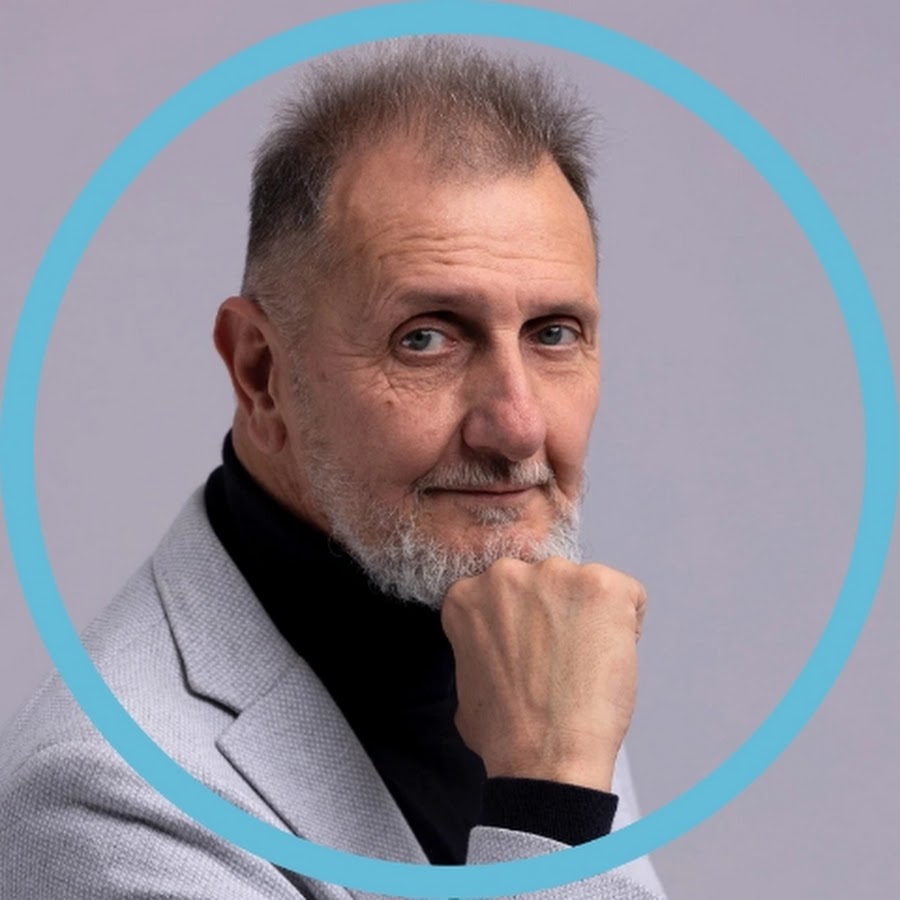
Hubert Czerniak
Watch on YouTube Add to chat My bookmarks← All sources

TL;DR

The four things you'd lose by not watching

4 items

TL;DR

The four things you'd lose by not watching

4 items
1

Hubert Czerniak claims that the plant Leptotaenia dissecta (Lomatium) contains a powerful antibiotic called leptoten, discovered by Ernst Krebs Sr., which was effective against the 1918 “Rockefeller flu” and was used by Native Americans as a panacea.

2

He argues that amygdalin (vitamin B17) from bitter apricot kernels selectively releases cyanide in cancer cells via beta-glucosidase, while healthy cells are protected by rhodanese, and that modern B17 deficiency causes cancer, hypertension, tooth decay, and dysbiosis.

3

He recommends a low-carbohydrate diet rich in bitter seeds (apricot, plum, cherry, apple, pear), fats, and protein, and teaching children to eat bitter kernels despite the taste.

4

He asserts that pharmaceutical companies suppress natural remedies like leptoten and amygdalin because they cannot be patented, and that sickle cell anemia patients in Africa suffer from lack of dietary cyanide when they adopt Western diets.

Protocols

Concrete recipes — what, when, how much, and why

4 items

daily-bitter-seed-consumption

WhatEat a substantial amount of bitter apricot kernels and other fruit seeds (plum, cherry, apple, pear) daily, along with seeds, grains, fats, and protein, while eliminating carbohydrates.
WhenDaily, as part of a regular diet.
DoseNo specific number given; described as “dużo” (a lot). The diet should be low-carb, high-fat, high-protein with abundant seeds.
For whomEveryone, especially those on a modern Western diet; children should be taught to eat them despite the bitter taste.
WhyProvides amygdalin (vitamin B17) to prevent cancer, hypertension, tooth decay, rheumatic diseases, and gut dysbiosis; the cyanide microdoses also improve blood morphology and regulate blood pressure.
CaveatsBitter seeds contain cyanide; birds (chickens) can die from overconsumption, implying a dose-dependent toxicity. The speaker claims the amounts in seeds are safe microdoses for humans.

Czerniak frames this as a return to ancestral eating patterns, citing Native Americans who used Lomatium and the Hunza who eat apricot kernels. He argues that the modern carbohydrate-heavy diet is harmful and that replacing it with seeds, fats, and protein will restore health. He emphasizes that even if the taste is unpleasant, parents must model the behavior so children adopt it. The protocol is not just about adding seeds but fundamentally restructuring the diet away from carbohydrates. He claims that animals instinctively follow this pattern, and humans have deviated to their detriment.

Mechanism

Amygdalin in the seeds is split by beta-glucosidase in cancer cells (and to a lesser extent in the gut) into benzaldehyde (pain relief, antiseptic) and cyanide. Cyanide is detoxified by rhodanese into thiocyanate, which regulates blood pressure and forms vitamin B12, boosting hemoglobin and red blood cells. In the mouth and gut, amygdalin reduces Lactobacillus and anaerobes, normalizing flora and eliminating the need for antibiotics and proton pump inhibitors.

odpuśćcie węglowodany jedźcie dużo pestek nasion ziaren i tłuszczów No i białka

Also said
“Nawet jeżeli to jest niesmaczne tak jak gorzka Pestka moreli to dziecko Dzięki temu będzie zdrowe uczmy dzieci”— Addresses the palatability barrier and the importance of parental example.
“amigdalina w jamie ustnej powoduje ograniczenie liczby lactobacillus bifidus … idąc dalej w przewodzie pokarmowym zabija beztlenowce”— Details the oral and gut microbiome effects that support the protocol.

lomatium-root-decoction

WhatPrepare and drink a decoction (water extract) of Leptotaenia dissecta (Lomatium) root, traditionally called “water of life” by Native Americans.
WhenDuring respiratory infections, flu, pneumonia, tuberculosis, asthma, rheumatism, or stomach issues; also as a general health tonic.
DoseNot specified; traditional use suggests as needed.
For whomAnyone suffering from the listed conditions; historically used by Native Americans for a wide range of ailments.
WhyThe root contains the antibiotic leptoten, which is effective against viruses and bacteria, including the 1918 flu virus, as confirmed by later university studies.
CaveatsThe speaker does not mention side effects, but notes that the plant is not patented and information about it has been removed from Wikipedia, implying suppression.

Czerniak describes Lomatium dissectum as a carrot-like plant with yellow or red flower umbels and seeds resembling pumpkin seeds. The whole plant is medicinal, but the root is especially valued. Native Americans used all parts: root decoction for asthma, rheumatism, coughs, colds, flu, pneumonia, tuberculosis, and stomach problems; poultices for wounds, ulcers, and boils. Ernst Krebs Sr. identified the antibiotic leptoten in the early 20th century, before penicillin. Despite initial ridicule, his findings were later confirmed by researchers at Ohio Western Reserve University (1948) and the University of Utah Medical School (1953), who demonstrated leptoten’s activity against the influenza virus. Czerniak laments that this knowledge has been scrubbed from the internet and Wikipedia in recent years, which he attributes to pharmaceutical suppression.

Mechanism

Leptoten is described as an antibiotic substance with antiviral and antibacterial properties. The exact mechanism is not detailed beyond its ability to kill viruses and bacteria, but the speaker implies it works systemically when ingested as a decoction.

Indianie mieli w swojej tradycji lek który był nazywany wodą dorca wywar z korzenia tej rośliny

Also said
“leptoten disect była stosowana w chorobie reumatycznej kaszlu przeziębieniach grypie zapaleniu płuc gruźlicy problemach żołądkowych stosowana była także jako okłady na rany owrzodzenia lub czyraki”— Lists the traditional indications, showing the breadth of use.
“w 1953 naukowcy z Uniwersytetu Medycznego w UTA potwierdzili działanie leptony na wirusa grypy czym potwierdzili obserwacje doktora ersta Krebsa seniora”— Cites academic validation of the traditional and early 20th-century claims.

laetrile-vitamin-b17-supplementation

WhatTake laetrile, a purified preparation of amygdalin (vitamin B17), as a non-toxic cancer treatment.
WhenFor cancer patients, presumably under supervision; the speaker mentions it was tested on animals and then self-administered by Ernst Krebs Jr.
DoseNot specified; the speaker only states that Krebs Jr. tested it on himself and found no toxicity or side effects.
For whomCancer patients seeking an alternative to conventional chemotherapy; historically used by the speaker’s “podopieczni” (charges/patients).
WhyLaetrile selectively targets cancer cells via the beta-glucosidase mechanism, releasing cyanide and benzaldehyde only in malignant tissue, while healthy cells detoxify it.
CaveatsMainstream medicine considers laetrile dangerous and ineffective; the speaker acknowledges that cyanide is a potent poison but argues the microdoses from amygdalin are safe. No human clinical trial data are presented.

Czerniak recounts that Ernst Krebs Jr. isolated vitamin B15 (pangamic acid) and later B17 (amygdalin) and developed laetrile. After animal tests, Krebs Jr. tested it on himself to prove its safety, experiencing no side effects. The speaker claims that his own patients who took laetrile did not suffer cancer pain, thanks to the analgesic benzoic acid released, and saw improvements in blood counts. He presents laetrile as a suppressed cure that would render chemotherapy obsolete, which is why, he argues, it is attacked by the medical establishment.

Mechanism

Same as amygdalin: beta-glucosidase in cancer cells cleaves laetrile into glucose, benzaldehyde (analgesic, anti-inflammatory), and cyanide. Rhodanese in healthy tissues converts cyanide to thiocyanate, which then forms vitamin B12 and regulates blood pressure. The selective toxicity is due to the enzyme distribution.

Personal experience

Ernst Krebs Jr. self-experimented: “po próbach na zwierzętach sprawdził ją na sobie czy nie jest to toksyczne szkodliwe okazało się że nie jest toksyczne nie by żadnych skutków ubocznych” (not the speaker’s own experience, but a key anecdote).

letril jest to preparat witaminy B17 amigdaliny naturalnie tak jak każdy z nas po próbach na zwierzętach sprawdził ją na sobie czy nie jest to toksyczne szkodliwe okazało się że nie jest toksyczne nie by żadnych skutków ubocznych

Also said
“bardzo prawdopodobne że właśnie z tego powodu nasi podopieczni nie cierpieli z powodu bólu w chorobach nowotworowych mimo że nie przyjmowali narkotycznych leków przeciwbólowych”— Clinical claim of pain relief without opioids in cancer patients using laetrile.

pangamic-acid-for-cardiovascular-and-athletic-performance

WhatTake vitamin B15 (pangamic acid) to support cardiovascular health and enhance athletic performance.
WhenDaily for heart health; Russian athletes use it for performance enhancement.
DoseNot specified.
For whomPeople with cardiovascular issues and athletes.
WhyPangamic acid is important in circulatory system diseases; it is used by Russian athletes to improve results.
CaveatsNo safety data or dosage provided; the speaker only mentions its use in Russia.

Czerniak briefly mentions that Ernst Krebs Jr. also extracted vitamin B15, pangamic acid, which he says is significant for cardiovascular diseases. He notes that Russian athletes take it to boost their sports performance, implying it enhances oxygen utilization or endurance, though no mechanism is detailed. This is presented as another example of a natural, unpatentable substance that is ignored or suppressed in the West.

Mechanism

Not explained beyond a general role in circulatory health.

witamina B15 kwas pangamowy który ma ważne znaczenie w chorobach układu krążenia sportowcy rosyjscy stosują kwas pangamowy dla podniesienia swoich wyników sportowych

What's new

Personal practice updates, fresh positions, predictions

5 items

rockefeller-flu-reinterpretation

Czerniak renames the 1918 Spanish flu as “Rockefeller flu,” claiming it killed middle-aged and young people, not the weak, contrary to typical epidemics.

Why this matters: Contrarian historical reinterpretation that challenges mainstream epidemiology and ties the pandemic to corporate interests.

Background

Standard accounts describe the 1918 flu as unusually deadly for young adults, but Czerniak frames it as a deliberate or corporate-driven event, not a natural outbreak.

Czerniak argues that in normal epidemics the very young and old die, but the Spanish flu disproportionately killed people in their prime. He labels it “Rockefeller flu” to imply that the Rockefeller family or pharmaceutical interests were behind it, possibly as a pretext to promote patented medicines. He contrasts this with the Native American use of Lomatium root decoction, which he says was effective against the flu, suggesting that natural remedies were suppressed then as now. This narrative serves his broader thesis that natural substances are deliberately hidden to protect profits.

grypa hiszpanka to taka choroba która powinna być nazywana gryp rockefellerów dlatego w tej grypie umierali przede wszystkim ludzie w średnim wieku i ludzie młodzi

Also said
“normalnie każda jakaś epidemia Jaka jest to umierają najsłabsi a wic dzieci i Star a największa przeżywalność jest w grupie ś”— Reinforces his claim that the 1918 flu pattern was abnormal and therefore suspicious.

amygdalin-cancer-mechanism

Amygdalin (B17) selectively kills cancer cells because they contain high levels of beta-glucosidase, which splits it into cyanide and benzaldehyde; healthy cells are protected by rhodanese.

Why this matters: Presents a detailed biochemical rationale for a controversial alternative cancer therapy, claiming it is both targeted and non-toxic to normal tissue.

Background

Amygdalin/laetrile has been promoted for decades as a cancer cure, but mainstream medicine considers it ineffective and dangerous due to cyanide poisoning risk. Czerniak offers a mechanistic explanation to counter that view.

Czerniak explains that amygdalin consists of two glucose molecules, benzaldehyde, and a cyanide group. The molecule can only be broken apart by the enzyme beta-glucosidase, which is present in cancer cells at concentrations hundreds of times higher than in normal cells. In the aqueous environment of the cell, the freed benzaldehyde acts as an analgesic and anti-inflammatory, while the cyanide is converted by the enzyme rhodanese (abundant in healthy organs like liver, spleen, endocrine glands) into thiocyanate, a natural blood pressure regulator and precursor to vitamin B12. He claims this explains why his patients did not suffer pain despite avoiding narcotic painkillers, and why blood morphology improves (higher hemoglobin and red cell count). He cites a 1933 mouse study showing cyanide increased erythrocytes. This mechanism, he argues, makes amygdalin a precise, non-toxic cancer treatment that also normalizes gut flora and oral bacteria.

rozerwanie cząstki amigdaliny może nastąpić tylko i wyłącznie pod wpływem enzymu bet glukozydazy A znajduje się ona głównie w komórkach nowotworowych jest tam w stężeniu setki razy wyższym niż w komórkach

Also said
“kwas benzoesowy działa już przeciwbólowo i przeciwzapalnie bardzo prawdopodobne że właśnie z tego powodu nasi podopieczni nie cierpieli z powodu bólu w chorobach nowotworowych mimo że nie przyjmowali narkotycznych leków przeciwbólowych”— Links the biochemical breakdown product to a clinical observation of pain relief without opioids.
“rodanki są naturalnymi regulatorami ciśnienia krwi z nich tworzona też jest cian kobalamina czyli witamina B12 a to poprawia morfologię rośnie hemoglobina i liczba krwinek czerwonych”— Explains the downstream benefits of cyanide detoxification, tying it to improved blood parameters.

animal-self-medication-with-bitter-seeds

Wild animals instinctively eat bitter seeds to prevent tooth decay and cancer; those that don't become weak and are preyed upon, illustrating natural selection.

Why this matters: A novel evolutionary argument that frames amygdalin consumption as a natural health behavior, not a fringe human practice.

Background

The idea that animals self-medicate (zoopharmacognosy) exists, but Czerniak extends it to cancer prevention via cyanogenic seeds.

Czerniak claims that animals in the wild consume bitter apricot kernels and similar seeds. If they fail to do so, they develop tooth decay and tumors, which makes eating painful, leading to weakness and eventual predation. This, he says, is natural selection at work—the sick become the prey. He uses this to argue that humans, by abandoning bitter seeds, have removed a crucial dietary component, resulting in modern diseases. He also speculates that the toxicity of seeds to birds (e.g., chickens die if they eat too many) is an evolutionary defense from the age of reptiles, when flying reptiles might have eaten the seeds, and that mammals later evolved to tolerate small doses.

zwierzęta jedzą gorzkich pestek za migdal się zęby chorują na nowotwory a więc stają się kolacją drapieżnika bo jak boli ząb to się nie najesz jak się nie najesz jesteś słaby i jesteś tym najsłabszym w stadzie selekcja naturalna

Also said
“ptaki kury jeżeli dostaną tych pestek i zjedzą to zdychają Myślę że to mógł być ciekawy sposób obrony roślin przed zjadaniem ich nasion z okresu gadów”— Adds an evolutionary hypothesis for why seeds are toxic to birds but not to mammals in small doses.

sickle-cell-cyanide-connection

Sickle cell trait protects against malaria, but when Africans adopt a Western diet lacking cyanide from bitter seeds, their sickle cells clump, causing strokes and clots.

Why this matters: Offers a dietary explanation for sickle cell crises that contradicts standard medical management, which uses hydroxyurea and painkillers, not cyanogenic seeds.

Background

Sickle cell disease is a genetic disorder causing misshapen red blood cells that can block vessels. Czerniak claims the missing factor is dietary cyanide, which prevents sickling.

Czerniak describes how sickle cell hemoglobin (HbS) evolved in Africa as protection against malaria, because the parasite cannot thrive in sickle-shaped cells. However, when people with this trait move to Europe or adopt a Western diet, they stop eating bitter seeds and thus lack dietary cyanide. Without cyanide, he claims, the red cells begin to stick together, leading to blockages, strokes, and clots. He contrasts this with the traditional diet that included bitter apricot kernels, which provided micro-doses of cyanide that kept the cells from clumping. He argues that pharmaceutical companies prefer to sell patented anticoagulants and painkillers rather than promote cheap, unpatentable seeds. He also mentions that quinine (an old malaria remedy) is now found in tonic water, but the focus should be on cyanide from seeds.

w Afryce powstała taka modyfikacja genetyczna gdzie hemoglobina ma inną budowę jest to tak zwana hemoglobina s s sierpowata erytrocyty nie są okrągłe tylko sierpowate te erytrocyty sierpowate są odporne na działanie zarodźca malarii I cóż się dzieje gdy jadą do eury zaczynają jeś to co Europejczycy zapominają o gorzkich pestkach moreli czy innych nasion brakuje cju w diecie i wtedy krwinki zaczynają się zlepia Zatory udary zakrzepy

Also said
“lekarstwem na to była sin bardzo dawny stary lekki w tej chwili możecie zale w toniku w szłeps takie napoje”— References quinine as an old malaria remedy now trivialized in tonic water, paralleling the suppression of natural cures.

b17-deficiency-epidemic

Czerniak asserts that the lack of vitamin B17 in the modern diet is responsible for epidemics of cancer, hypertension, tooth decay, rheumatic diseases, and gut dysbiosis.

Why this matters: A sweeping etiological claim that attributes multiple chronic diseases to a single missing nutrient, challenging conventional multifactorial models.

Background

Mainstream nutrition does not recognize B17 as a vitamin, and these diseases have complex causes. Czerniak presents a monocausal theory.

Building on his earlier biochemical arguments, Czerniak concludes that the absence of amygdalin-rich foods (bitter apricot kernels, other fruit seeds) from contemporary diets is the root cause of a wide range of modern illnesses. He lists cancer, hypertension, dental caries, rheumatic conditions, and intestinal dysbiosis as direct consequences. He points to the Hunza people, who traditionally eat apricot kernels and routinely live to 80–100 years, as evidence. He also notes that amygdalin normalizes oral and gut flora by reducing Lactobacillus overgrowth and killing anaerobes, which would make antibiotics and proton pump inhibitors unnecessary for ulcers and gastritis—another reason, he says, the medical industry suppresses this knowledge.

uważam że brak witaminy B17 w diecie współczesnego człowieka jest odpowiedzialne za współczesne epidem nowotworowe nadciśnienie próchnic choroby reumatyczne dysbiozy i różne choroby przewodu pokarmowego

Also said
“pewne plemiona gdzie tradycją jest zjadanie pestek moreli hunzowie królestwo hunzów tam żeby dostać się do rady wioski trzeba było mieć minimum 80 lat a 100 lat czyli wiek to był standard”— Uses the longevity of the Hunza as anecdotal evidence for the benefits of a B17-rich diet.

Recommendations

Products, supplements, and tools mentioned in the episode

4 items

bitter apricot kernels (pestki moreli) and other fruit seeds

Product

Recommended as a daily dietary staple to supply vitamin B17 and prevent a wide range of modern diseases.

Czerniak urges listeners to eat large quantities of bitter seeds from apricots, plums, cherries, apples, and pears, along with seeds, grains, fats, and protein, while eliminating carbohydrates. He claims this mimics the diet of long-lived peoples like the Hunza and wild animals, and that the amygdalin content will normalize oral and gut flora, improve blood parameters, and prevent cancer, hypertension, tooth decay, and rheumatic diseases. He acknowledges the bitter taste but insists that children will adopt the habit if parents set an example.

vs alternatives

Contrasts with carbohydrate-heavy Western diets and pharmaceutical interventions like antibiotics, proton pump inhibitors, anticoagulants, and painkillers, which he says become unnecessary.

jedźcie dużo pestek nasion ziaren i tłuszczów No i białka

Also said
“wszystkie pestki czyli śliwek wiśni jabłek gruszek bardzo dobre sę wydyma dlaczego Bo flora bakteryjna była normalizowana”— Extends the recommendation to a variety of fruit seeds and links it to gut flora normalization.
Find bitter

laetrile (letril) – vitamin B17 preparation

Supplement

Presented as a non-toxic, targeted cancer therapy that also provides pain relief and improves blood counts.

Laetrile is the purified form of amygdalin developed by Ernst Krebs Jr. Czerniak claims it was tested on animals and then self-administered by Krebs Jr. with no side effects. He states that his own cancer patients using laetrile did not need narcotic painkillers because the released benzoic acid acts as an analgesic and anti-inflammatory. He presents it as a suppressed cure that threatens the oncology industry.

vs alternatives

Compared implicitly to chemotherapy and opioid painkillers, which he suggests are toxic, addictive, and profitable, whereas laetrile is natural, non-toxic, and unpatentable.

Personal experience

Ernst Krebs Jr. self-tested: “sprawdził ją na sobie czy nie jest to toksyczne szkodliwe okazało się że nie jest toksyczne” (not the speaker’s own experience).

letril jest to preparat witaminy B17 amigdaliny

Also said
“po próbach na zwierzętach sprawdził ją na sobie czy nie jest to toksyczne szkodliwe okazało się że nie jest toksyczne nie by żadnych skutków ubocznych”— Emphasizes the safety claim based on self-experimentation.
Find laetrile

pangamic acid (vitamin B15)

Supplement

Mentioned as beneficial for cardiovascular diseases and used by Russian athletes for performance enhancement.

Czerniak notes that Ernst Krebs Jr. also isolated vitamin B15, pangamic acid, which he says is important in circulatory system diseases. He adds that Russian athletes take it to improve their sports results, implying it may enhance oxygen delivery or endurance. No further details are given, but it fits the theme of valuable natural substances ignored by Western medicine.

vs alternatives

No direct comparison, but positioned as another unpatentable natural compound that could replace pharmaceuticals for heart conditions and performance.

witamina B15 kwas pangamowy który ma ważne znaczenie w chorobach układu krążenia sportowcy rosyjscy stosują kwas pangamowy dla podniesienia swoich wyników sportowych

Find pangamic

Leptotaenia dissecta (Lomatium) root

Product

The whole plant, especially the root, is recommended as a source of the antibiotic leptoten, traditionally used as a decoction or poultice.

Czerniak describes the plant as a carrot-like desert parsley with yellow/red flowers. Native Americans used a root decoction (“water of life”) for respiratory infections, flu, pneumonia, tuberculosis, asthma, rheumatism, and stomach issues, and applied it externally for wounds, ulcers, and boils. He claims Ernst Krebs Sr. discovered the antibiotic leptoten in it, later confirmed by university studies. He encourages its use and laments that information about it has been removed from public sources.

vs alternatives

Compared to pharmaceutical antibiotics and antivirals, which he says are profitable but come with side effects, while leptoten is natural and was effective even against the 1918 flu.

lecznicza jest cała roślina a szczególnie korzeń zawiera antybiotyk lepton

Also said
“Indianie mieli w swojej tradycji lek który był nazywany wodą dorca wywar z korzenia tej rośliny”— Highlights the traditional preparation method and name.
Find Leptotaenia

Notable quotes

Lines worth pulling out — contrarian, specific, or perfectly phrased

5 items
substancje naturalne są nie do opatentowania na tym nie ma kasy są nietoksyczne a więc nie mamy chorób jatrogennych i ludzie mogą zdobyć to naturalnymi metodami nie trzeba płacić 20 50 100 razy więcej niż cena produkcji
Succinctly captures the core anti-pharma thesis: natural substances are suppressed because they are unpatentable, non-toxic, and cheap.
grypa hiszpanka to taka choroba która powinna być nazywana gryp rockefellerów
Provocative renaming of a historical pandemic to imply corporate conspiracy.
uważam że brak witaminy B17 w diecie współczesnego człowieka jest odpowiedzialne za współczesne epidem nowotworowe nadciśnienie próchnic choroby reumatyczne dysbiozy i różne choroby przewodu pokarmowego
A sweeping, controversial claim that attributes multiple modern epidemics to a single missing nutrient.
zwierzęta jedzą gorzkich pestek za migdal się zęby chorują na nowotwory a więc stają się kolacją drapieżnika
Vivid evolutionary imagery linking diet, dental health, cancer, and predation.
jeżeli zaczniemy w ten sposób uzdrawiać człowieka to nagle dwa antybiotyki i inhibitor pompy protonowej przy tych wszelkich wrzodach i zapaleniach żołądka okażą się niepotrzebne nie ma kasy nie ma zysku nie ma grantów
Explicitly states that natural healing would eliminate the need for common drugs, destroying profits and research funding.

Sign in to share feedback

Tell us if this brief hit the mark or missed it — feedback feeds back into the next iteration of the prompt.

Topics covered

leptotaenia-dissectalomatiumleptotenernst-krebsspanish-flurockefeller-fluamygdalinvitamin-b17laetrilecyanidebeta-glucosidaserhodanesecancersickle-cell-anemiamalariapharmaceutical-suppressionnatural-medicinelow-carb-dietbitter-apricot-kernelspangamic-acid
Free account

Make this library yours

Reading is free for everyone. A free account adds the personal layer: save protocols, follow experts, and see how the other experts weigh in on this same topic.

Create a free accountSign in

Where the experts disagree — weekly

One email a week: the sharpest new disagreements and protocols from the library. No spam, unsubscribe anytime.

Educational summary of the cited expert source — not medical advice. Open the source recording linked above and consult a qualified physician before acting on any protocol.