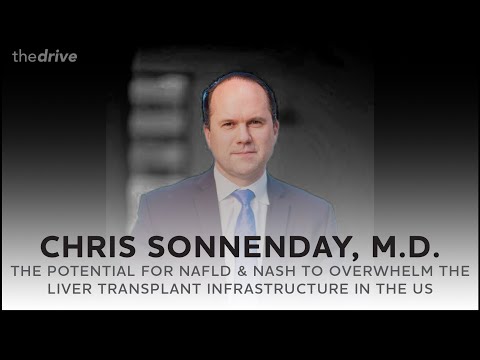
Direct-acting antivirals cured hepatitis C so thoroughly that transplant demand for it dropped precipitously — and the leading cause of liver transplant in the U.S. is shifting to NAFLD/NASH, driven by the obesity and metabolic syndrome epidemic.
2
NAFLD patients are far harder to transplant than classic liver-disease patients because they arrive with full metabolic syndrome — obesity, cardiovascular disease, hyperlipidemia — making the transplant population look increasingly like a kidney transplant population.
3
Alcohol-related liver disease is rising at a steeper slope than NAFLD, pandemic-accelerated, and now presenting in patients in their 20s and 30s — not the classic 65-year-old end-of-life drinker.
4
Both alcohol use disorder and NAFLD are behavioral diseases at root, and treating them without addressing behavioral drivers is the core failure of the current healthcare response.
Protocols
Concrete recipes — what, when, how much, and why
4 items
Recognize NAFLD as a silent progressive disease requiring early metabolic intervention
WhatNon-alcoholic fatty liver disease progresses silently — patients have no symptoms for years or decades while inflammation and fibrosis accumulate. Clinical vigilance in patients with obesity, metabolic syndrome, type 2 diabetes, or hyperlipidemia is essential for early detection before cirrhosis is established.
WhenAt any point a patient presents with metabolic syndrome components — particularly obesity, dyslipidemia, or type 2 diabetes. Do not wait for symptoms.
DoseOngoing surveillance; the disease is typically silent until late fibrosis or cirrhosis.
For whomPatients with obesity, metabolic syndrome, type 2 diabetes, hyperlipidemia, or any combination of these. Also relevant for their primary care physicians and internists who may not have hepatology on their radar.
WhyBy the time NAFLD patients present with symptoms, they are often already at the fibrosis or cirrhosis stage. The window for intervention — weight loss, metabolic control, elimination of cofactors — is in the asymptomatic phase. The parallel to hepatitis C is exact: hep C was also silent for decades before emerging as advanced cirrhosis.
CaveatsThe guest explicitly states there is currently no pharmacologic intervention that breaks the progression curve the way DAAs broke the hepatitis C curve. Behavioral/metabolic modification is the primary lever.
The episode draws the explicit analogy: hepatitis C was a silent disease that people acquired in the 70s and 80s and lived with silently until showing up with cirrhosis 20-30 years later. NAFLD follows exactly the same trajectory, but instead of a virus, the driver is metabolic dysfunction. The difference is there is no DAA-equivalent treatment for NAFLD — the slope of the transplant curve cannot currently be broken pharmacologically. This makes early metabolic intervention (weight loss, exercise, metabolic control) the only meaningful upstream lever.
Mechanism
Hepatic fat deposition triggers oxidative stress, mitochondrial dysfunction, and inflammatory signaling (TNF-alpha, IL-6, TGF-beta pathways) that activate hepatic stellate cells and drive fibrosis. Progression from simple steatosis to NASH to fibrosis to cirrhosis is the natural history without metabolic modification.
fatty deposition in the liver that leads to chronic inflammation and kind of just like a chronic virus you know ongoing inflammation fibrosis eventually cirrhosis
Frame alcohol use disorder as a behavioral disease requiring behavioral resources, not just medical gatekeeping
WhatAlcohol use disorder should be approached with the same behavioral health infrastructure deployed for other behavioral diseases — mental health professionals, addiction counselors, and sobriety support integrated into the medical care team. The old model of strict sobriety gatekeeping as a precondition for any care has given way to a supportive model that builds the conditions for sobriety.
WhenAt point of diagnosis of alcohol-related liver disease, or when alcohol use disorder is identified in any clinical context. Do not defer behavioral intervention until end-stage liver disease.
For whomClinicians managing patients with alcohol-related liver disease, addiction medicine specialists, primary care physicians identifying at-risk drinkers before liver disease develops.
WhyDr. Jessica Mellinger at University of Michigan is cited for her central argument: alcohol use disorder and NAFLD are behavioral diseases. Medical treatment of the liver without addressing the behavioral driver that caused it is only partially solving the problem — the underlying driver will destroy the new liver or new health behaviors without behavioral support.
CaveatsThe behavioral disease framing should not be used to blame patients or reduce access to care. The guest specifically criticizes the old Spanish Inquisition model of transplant eligibility gating and applauds the shift toward support-based models.
The episode explicitly cites Dr. Jessica Mellinger at the University of Michigan as the leader in this reframing. Her argument: if it is a behavioral disease, the resources put forth must be behavioral resources. Transplant centers have evolved from a binary in/out sobriety model to building mental health professionals and counselors into the evaluation and support infrastructure. The guest notes this is happening in parallel with a shift in the patient population — younger, often in their 20s-30s — which makes recovery with support far more plausible than in a 65-year-old with decades of alcohol use.
she really makes the sense that the um emphasizes the point that this is a behavioral disease you know uh you could argue nash can be a behavioral disease in some cases as well but therefore the resources have to be put forth to address the behavioral disease
Also said
“transplant centers have adapted their approach to patients with alcohol-related liver disease to make it a little less of kind of this terrible spanish inquisition kind of approach to you know you're either in or out”— Describes the practical shift away from gatekeeping toward support — the clinical protocol change that flows from the behavioral framing.
Conduct cardiovascular risk stratification as mandatory pre-transplant evaluation for NAFLD patients
WhatBefore listing a NAFLD/NASH patient for liver transplant, conduct full cardiovascular and metabolic risk stratification. These patients frequently have cardiovascular disease, hyperlipidemia, and obesity-related surgical risk that threatens long-term post-transplant survival independently of the liver disease.
WhenAs part of transplant evaluation for any NAFLD/NASH patient. Cardiovascular mortality may compete with or exceed liver-related mortality in the post-transplant period.
For whomHepatologists and transplant surgeons managing NAFLD patients on the transplant waitlist. Also relevant for any physician referring NAFLD patients for transplant evaluation.
WhyNAFLD patients arrive at transplant with full metabolic syndrome — they are not isolated liver-disease patients. The guest explicitly says cardiovascular comorbidities and their interaction with immunosuppression threaten long-term survival as much as the liver disease itself. The kidney transplant model offers the precedent: that population has always dealt with multi-morbid cardiovascular patients.
CaveatsObesity itself poses direct surgical risk independent of cardiovascular disease. Each element of metabolic syndrome adds independent risk and requires its own management strategy. Post-transplant immunosuppression compounds metabolic burden.
The clinical framing in the episode is that the liver transplant field is experiencing a paradigm shift: they are now managing patients who look like kidney transplant patients, not classic isolated liver-disease patients. This requires importing the multi-disciplinary metabolic management model from nephrology and endocrinology into hepatology. The immunosuppression required to prevent transplant rejection adds further metabolic stress — contributing to weight gain, diabetes, hyperlipidemia, and hypertension in patients who already have all of these.
we've kind of converted our liver transplant population to look a lot more like our kidney transplant population because they're dealing with these cardiovascular comorbidities and other things that are just that are threatening their long-term survival as much as their liver disease and immunosuppression
Apply the opiates-alcohol parallel when designing public health and clinical interventions for alcohol use disorder
WhatExplicitly draw the clinical and policy parallel between opiates and alcohol when designing interventions: the underlying driver (self-medication of psychological distress), the population dynamics (younger patients, rising incidence), and the appropriate response (behavioral resources, addiction medicine, mental health infrastructure) are structurally identical. Resist the cultural tendency to treat them as categorically different.
WhenWhen designing patient care pathways, institutional behavioral health resources, or public health policies addressing alcohol use disorder.
For whomClinicians managing patients with alcohol use disorder; hospital systems building behavioral health capacity; public health policymakers designing addiction treatment access.
WhySiloing alcohol from opiates — treating one as a criminal crisis and the other as an unfortunate lifestyle choice — has slowed progress on both. The fundamental pharmacological difference is kinetics: opiates cause binary acute toxicity; alcohol causes diffuse chronic toxicity. The behavioral and social drivers and the appropriate care infrastructure are the same.
Attia's framing in the episode is pointed: the opiate crisis correctly throws manufacturers and over-prescribing physicians under the bus, but the elephant in the room is the why — the underlying conditions that drive self-medication. The same question applies to alcohol, but because alcohol produces deaths slowly and diffusely, the public health response has been far less urgent. The guest from University of Michigan who treats both hepatitis C patients and NAFLD patients and ALD patients has front-row clinical experience: he sees the end-stage outcomes of both addictions in real bodies. The chronic, invisible nature of alcohol damage is precisely why it needs more systematic clinical and policy attention, not less.
acute alcohol toxicity is virtually unheard of very few people will drink themselves to death in a moment right much more common of course is the chronic toxicity of alcohol and i think that you know you're one of the few specialists within medicine as a transplant doc or a hepatologist who actually gets to see what that looks like
Also said
“the elephant in the room is the why right like why is it that people are self-medicating with opiates that are made too freely available”— Attia's framing that the root cause of both crises is the same — underlying psychological distress being medicated with available substances.
What's new
Personal practice updates, fresh positions, predictions
5 items
Direct-acting antivirals: possibly the greatest medical advance of the past 30 years
Hepatitis C was the dominant liver transplant indication for two decades, with old interferon-based treatments achieving only 15–30% response rates. The development of direct-acting antivirals (DAAs) in the last decade changed everything — viral cure rates approach 100%, and the number of patients progressing to transplant-level disease has dropped precipitously.
Why this matters: Even patients who already had cirrhosis showed unexpected liver recompensation after viral clearance — the liver's capacity to repair exceeded what was anticipated, and many cirrhotic patients who would have needed transplant no longer do.
Background
Before DAAs, every hepatitis C patient who received a liver transplant got recurrent infection immediately — the new liver would develop cirrhosis within years, producing a cycle of graft failure. The old medications were barely effective and highly toxic.
The conversation frames DAAs alongside HIV antiretrovirals as the top medical advances of their generation. The guest explicitly says he cannot think of something more impressive in his adult medical life. The key surprise was hepatic recompensation: once viremia cleared, patients' livers started repairing even when cirrhosis was already established. Patients who were pre-cirrhotic will never get there now. The result has been a precipitous, nearly complete drop in hepatitis C as a transplant indication over the past three to five years.
you can make some arguments about what's the greatest medical advance we've witnessed in our you know medical career but that's up in the top two or three
Also said
“once they clear the virus their liver does you know recompensate and repair somewhat and the patients that are not cirrhotic or with advanced fibrosis yet are never going to get there”— Quantifies why DAAs did more than expected — the liver actually healed, not just stabilized.
NAFLD/NASH projected to be the leading liver transplant indication by 2030
Non-alcoholic fatty liver disease (NAFLD) and its inflammatory form NASH are replacing hepatitis C as the primary driver of liver transplant demand. Driven by the obesity epidemic, the curve of NAFLD-related transplant listings is already inflecting sharply upward, with projections pointing to it becoming the number-one indication by around 2030.
Why this matters: Unlike hepatitis C, there is currently no direct pharmacologic intervention to break the slope of this curve — the guest explicitly says he does not see one coming quickly. This is a public health crisis with no equivalent to the DAA revolution on the horizon.
Background
NAFLD is defined by fatty deposition in the liver leading to chronic inflammation, fibrosis, and eventually cirrhosis — mechanistically similar to a chronic viral illness, but driven by metabolic factors. It was barely recognized as a distinct clinical entity 20 years ago.
The episode makes the point that NAFLD was essentially unknown as a major disease 20 years prior to this recording. It has emerged alongside the obesity epidemic and is now tracking toward dominating liver transplant infrastructure. The absence of a treatment that meaningfully breaks the progression curve — as DAAs broke the hepatitis C curve — is what makes this uniquely threatening to the transplant system. The guest frames it as a kind of slow-motion crisis without an obvious pharmacologic escape valve.
the prediction is that by 2030 or so it will become the leading indication for liver transplantation and we've already seen that curve start to inflect up pretty highly
Also said
“we unfortunately don't have an intervention for fatty liver disease that i see breaking that you know the slope of that curve uh quickly”— Explicitly distinguishes NAFLD from hepatitis C — no DAA-equivalent cure is visible, making behavioral/metabolic prevention the only lever.
Alcohol-related liver disease exploding in patients in their 20s and 30s
Alcohol-related liver disease (ALD) has been rising sharply — faster even than NAFLD — driven by the economic downturn of the late 2000s and dramatically worsened by the pandemic. What distinguishes the current wave is age: patients are destroying their livers in their 20s and 30s, not as a decades-long end-of-life process.
Why this matters: The Mickey Mantle model of ALD — a 65-year-old who drank his whole life reaching end-stage — is being replaced by a generation of young patients presenting with irreversible liver failure decades earlier. This strains transplant capacity and forces the field to reckon with behavioral root causes.
Background
ALD has always been a liver transplant indication, but historical cases were largely older adults with lifelong alcohol use. Transplant centers traditionally used strict sobriety requirements as gatekeeping criteria.
The guest frames the rise in ALD as structurally parallel to the opiate crisis, but receiving less societal attention because alcohol toxicity is chronic rather than acute. Both represent people self-medicating underlying psychological distress with substances; opiates produce immediate visible deaths, while alcohol kills slowly through cirrhosis, making the epidemic less legible to the public health system. The pandemic accelerated the trend significantly. Transplant centers have shifted away from rigid sobriety gatekeeping toward building behavioral health support infrastructure to help patients succeed post-transplant.
one of the things that's most notable about the alcohol-related liver disease population now is they are ridiculously young you know so not only have they drank enough to destroy their liver but they've drank enough to destroy their liver in their 20s and 30s
Also said
“most of us think of the mickey mantle story where you know it's it's exactly what you described but no i think i think it it is the same disease”— Reframes ALD as a disease of young people now, not just the classic aging heavy drinker narrative.
Alcohol use disorder and opiate addiction are two sides of the same coin
Attia argues that both alcohol use disorder and opiate addiction are fundamentally the same disease: people numbing underlying psychological suffering with available substances. The only difference is delivery mechanism — opiates produce binary, acute, visible overdose deaths; alcohol produces chronic, invisible liver disease. Siloing them has prevented appropriate public health response to both.
Why this matters: This is a heterodox framing from a physician with front-row clinical experience of where alcohol leads. It challenges the cultural tendency to moralize about opiates while normalizing alcohol, and implies that the same behavioral and social interventions apply to both.
Background
The opiate crisis has attracted manufacturers, prescribers, and policy-level accountability; alcohol use disorder attracts comparatively little equivalent public health infrastructure despite comparable morbidity.
The guest draws a direct parallel: one population numbs with an acute toxin (opiates) with acute visible toxicity; the other numbs with a chronic toxin (alcohol) with chronic invisible toxicity. The underlying condition — distress, self-medication, behavioral disease — is the same. The guest cites Dr. Jessica Mellinger at University of Michigan as a leader in formalizing this framing and pushing for behavioral health resources alongside hepatological care. Treating them as different diseases or different moral categories has, in the guest's view, slowed progress on both.
one uh one population numbs with an acute numbing agent opiates that have an acute toxicity and the other numbs with a chronic numbing agent that has a chronic toxicity and yeah to consider to somehow put those into different silos um when i think the underlying conditions are similar is is probably slowing our progress
NAFLD transplant patients now look like kidney transplant patients — metabolic syndrome dominates
Classic liver disease patients from hepatitis C or alcohol typically had isolated liver pathology. NAFLD patients arrive as the full metabolic syndrome package: obese, with cardiovascular disease, hyperlipidemia, hypertension — creating surgical risk and long-term management complexity that fundamentally changes what liver transplant medicine looks like.
Why this matters: The transplant field is being reshaped not just by rising case volume but by case complexity — patients who need a new liver but whose cardiovascular disease may kill them before or after the transplant. Immunosuppression adds further cardiovascular and metabolic burden.
Background
Kidney transplant programs have long dealt with multi-morbid patients because CKD patients typically accumulate cardiovascular and metabolic disease over time. Liver transplant programs historically did not face this.
The field's clinical comment is that liver transplant programs have converted their population to look a lot more like their kidney transplant population. The comorbidities of metabolic syndrome — cardiovascular disease, hyperlipidemia, obesity-related surgical risk — threaten long-term survival as much as the liver disease itself. This demands pre-transplant cardiovascular risk stratification, careful patient selection, and post-transplant management infrastructure that liver transplant centers previously did not need. The immunosuppression required after transplant adds further metabolic burden, compounding an already-compromised metabolic picture.
we've kind of converted our liver transplant population to look a lot more like our kidney transplant population because they're dealing with these cardiovascular comorbidities and other things that are just that are threatening their long-term survival as much as their liver disease
Recommendations
Products, supplements, and tools mentioned in the episode
3 items
Metabolic and weight management as the primary upstream intervention for NAFLD prevention
Practice
The episode explicitly identifies obesity and metabolic syndrome as the drivers of the NAFLD epidemic, and states that no pharmacologic cure is on the horizon. Weight management, metabolic control, and addressing insulin resistance are therefore the highest-leverage interventions for anyone at risk.
The guest frames NAFLD as a disease of metabolic dysfunction — fat deposition in the liver is the downstream result of excess caloric intake, insulin resistance, and the accompanying metabolic dysregulation. In the absence of a DAA-equivalent pharmacologic rescue, the only way to break the projected curve of NAFLD becoming the number-one liver transplant indication is population-level metabolic improvement. For individual patients: weight loss, management of dyslipidemia, tight glucose control in pre-diabetic or diabetic states, and reduction of fructose/excess carbohydrate intake are the operative levers.
vs alternatives
Unlike hepatitis C — where a single pharmacologic course of DAAs achieves near-100% viral cure regardless of lifestyle — NAFLD has no equivalent pill. The intervention is behavioral and metabolic, which is harder to deliver and harder to scale but is the only available tool.
with the obesity epidemic and other associated diseases the prediction is that by 2030 or so it will become the leading indication for liver transplantation
Build behavioral health resources into hepatology and transplant programs
Practice
The episode recommends — through Dr. Jessica Mellinger's framing — that treating liver disease without addressing behavioral disease is insufficient. Mental health professionals, addiction counselors, and sobriety support programs should be integrated into hepatology programs, not siloed in separate systems.
Mellinger's argument, as cited: if alcohol use disorder and NAFLD are behavioral diseases, the resources deployed to treat them must be behavioral resources. Transplant programs at major centers (including University of Michigan) have already begun building this infrastructure. The practical implication is that hepatologists need access to behavioral health teams in a way that is more standard in addiction medicine and psychiatry than in traditional liver disease programs.
we have developed resources um mental health professionals counselors and such to support people in their sobriety to allow them to get transplanted successfully
Treat alcohol use disorder with the same urgency and resources as the opiate crisis
Practice
The guest and Attia argue that alcohol-related liver disease deserves the same public health urgency, treatment infrastructure, and policy attention as the opiate crisis. The underlying drivers are the same; the outcomes are equally devastating; the only difference is visibility.
The argument in the episode: opiates get attention because overdose deaths are visible, binary, and easy to attribute to manufacturers and prescribers. Alcohol's chronic toxicity — slowly destroying a 25-year-old's liver over two to three years of heavy drinking — is invisible until it is irreversible. Both require the same upstream response: addressing why people are self-medicating, not just managing the downstream organ failure. The guest explicitly says society has turned a blind eye to alcohol use disorder while focusing on opiates, and the result is a parallel crisis that is poorly resourced.
vs alternatives
The opiate crisis has triggered manufacturer accountability, prescriber oversight, naloxone distribution, and expanded addiction treatment funding. Alcohol use disorder has received comparatively little of this infrastructure despite comparable population-level liver morbidity.
the impact of alcohol-related liver disease and alcohol use disorder in our society because of the just the factors you said it's a it's a freely available you know um substance you can go the 7-eleven and get you know that the kind of equivalently damaging dose
Lines worth pulling out — contrarian, specific, or perfectly phrased
5 items
the bad news is that something else is going to do that and that's NAFLD and NASH
Sets the central thesis of the episode: the hepatitis C crisis has been solved, and an equally large crisis is already building.
we unfortunately don't have an intervention for fatty liver disease that i see breaking that you know the slope of that curve uh quickly
Starkly distinguishes NAFLD from hepatitis C — no pharmaceutical escape valve exists; the trajectory of transplant system overwhelm is currently on track.
one of the things that's most notable about the alcohol-related liver disease population now is they are ridiculously young you know so not only have they drank enough to destroy their liver but they've drank enough to destroy their liver in their 20s and 30s
Puts a human face on the ALD epidemic — this is not end-of-life disease in the elderly but irreversible organ failure in young people.
one uh one population numbs with an acute numbing agent opiates that have an acute toxicity and the other numbs with a chronic numbing agent that has a chronic toxicity and yeah to consider to somehow put those into different silos um when i think the underlying conditions are similar is is probably slowing our progress
The clearest statement of the episode's most heterodox argument: opiates and alcohol are pharmacologically different delivery mechanisms for the same behavioral disease.
she really makes the sense that this is a behavioral disease you know uh you could argue nash can be a behavioral disease in some cases as well but therefore the resources have to be put forth to address the behavioral disease
Dr. Mellinger's framing — cited by the guest — that behavioral diseases require behavioral resources, not just organ-level medicine.
Sign in to share feedback
Tell us if this brief hit the mark or missed it — feedback feeds back into the next iteration of the prompt.
Reading is free for everyone. A free account adds the personal layer: save protocols, follow experts, and see how the other experts weigh in on this same topic.
Educational summary of the cited expert source — not medical advice. Open the source recording linked above and consult a qualified physician before acting on any protocol.