UNFUCG
DashboardSearchChatBookmarksNotificationsActivityPremiumProfile
?
Home
Search
Chat
Saved
Profile
Episode
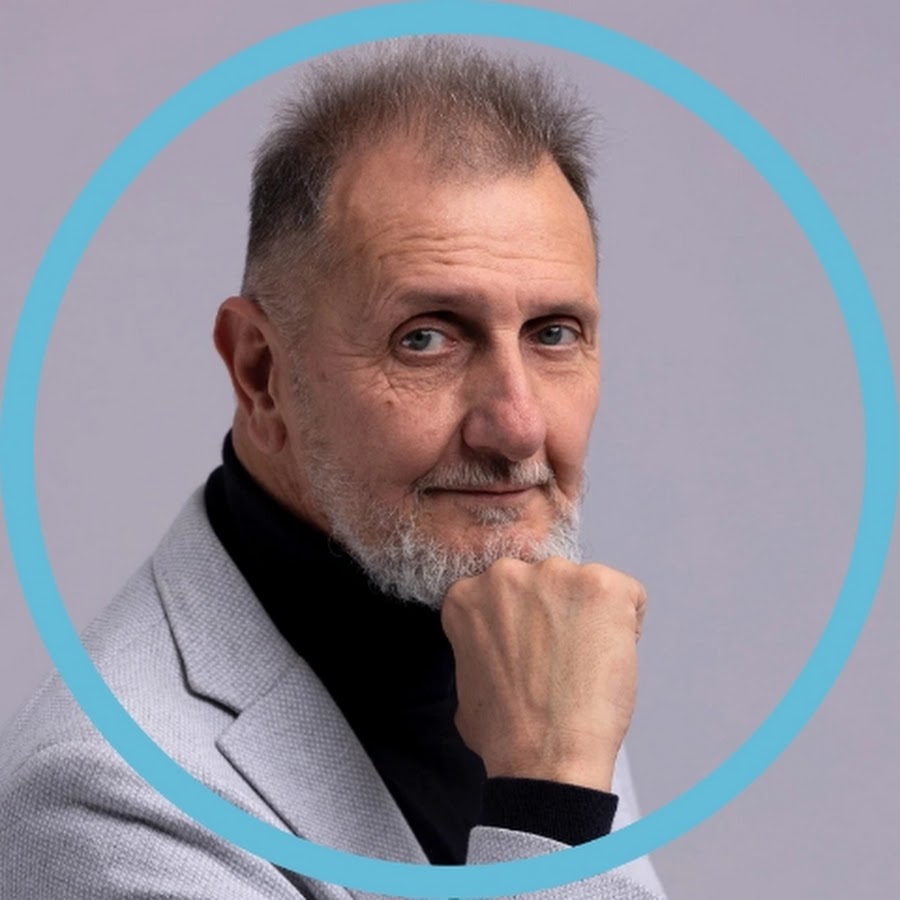
Hubert Czerniak TV - Jaki olejek CBD wybrać? Jak i na co stosować? Olej czy susz? Wszystko o #CBD
~10 min
Brief odcinka·YouTube

Hubert Czerniak TV - Jaki olejek CBD wybrać? Jak i na co stosować? Olej czy susz? Wszystko o #CBD

Hubert Czerniak
Obejrzyj na YouTube Dodaj do czatu Moje zakładki← Wszystkie źródła

TL;DR

Cztery rzeczy, które stracisz, jeśli nie obejrzysz

4 elementów

TL;DR

Cztery rzeczy, które stracisz, jeśli nie obejrzysz

4 elementów
1

The endocannabinoid system (ECS) is the most receptor-dense system in the human body, discovered only in the 1990s, yet deliberately omitted from medical education despite its potential to treat epilepsy, schizophrenia, autoimmune disorders, and more.

2

CBD requires high doses for some conditions: 800 mg of cannabidiol was effective for schizophrenia in early research, but natural compounds cannot be patented, stifling clinical adoption.

3

Vaporizing cannabis flower at exactly 200°C prevents formation of toxic combustion byproducts; this method is used in Israel’s regulated medical cannabis program with a doctor’s prescription.

4

Cannabis is a zero‑waste industrial crop with historical use for clothing, rope, paper, and engine oil, but it was demonised because it competes with patented products and cannot be monopolised.

Protokoły

Konkretne przepisy — co, kiedy, ile i dlaczego

4 elementów

Vaporization of cannabis flower at 200°C

CoHeat dried cannabis flower (susz) to exactly 200°C using a vaporizer, without exceeding this temperature, to avoid the formation of toxic combustion byproducts and to release only the health‑promoting compounds.
KiedyWhenever medical cannabis is indicated, as an alternative to smoking; used in Israel’s medical cannabis programme.
DawkaTemperature: 200°C (392°F). No combustion. Duration of inhalation session not specified, but the emphasis is on the temperature threshold.
Dla kogoPatients with a medical prescription for cannabis, particularly those seeking to avoid the harms of smoking.
DlaczegoCombustion above 200°C generates toxic substances; vaporisation at 200°C precisely releases cannabinoids and terpenes without harmful byproducts.
ZastrzeżeniaRequires a vaporizer capable of accurate temperature control. The speaker does not discuss specific device brands or potential risks of over‑heating.

The speaker contrasts the Israeli approach, where patients can legally obtain a prescription for cannabis flower and are instructed to vaporize it rather than smoke it, with the restrictive policies elsewhere. He notes that the Israeli Ministry of Health has been discussing these matters for years, and the practice is normalised there. The 200°C threshold is derived from the need to avoid pyrolysis of plant material, which would produce carcinogens and irritants typical of smoke. By staying at this temperature, the user gets the therapeutic benefits of cannabinoids – many of which have boiling points around 160–220°C – without the toxic load. This method is part of a harm‑reduction strategy that acknowledges the medical value of the plant while mitigating the risks associated with its administration.

Mechanizm

Cannabinoids such as CBD and other volatile compounds evaporate at temperatures below 230°C. Keeping the heating element at 200°C ensures vaporisation without combustion, thereby avoiding the creation of polycyclic aromatic hydrocarbons and carbon monoxide that occur when plant matter burns.

W Izraelu chory może sobie wysiać trochę tej rośliny i palić ją w takim waporyzatorze? Chodzi o to, żeby rozgrzać ten susz do 200 stopni, nie więcej. I wtedy nie tworzą się substancje toksyczne, tylko te prozdrowotne.

Powiedział też
“Można receptę na susz uzyskać od lekarza.”— Highlights that this is a formal medical pathway, not a recreational loophole.

High‑dose CBD for schizophrenia

CoAdminister 800 mg of cannabidiol (CBD) per day for the treatment of schizophrenia, based on early clinical research.
KiedyAs an antipsychotic intervention; specific scheduling not provided.
Dawka800 mg CBD per day (oral route implied).
Dla kogoPatients with schizophrenia; the speaker references research by Rafael Mechoulam, suggesting it has been tested in a clinical context.
DlaczegoCBD elevates anandamide, an endogenous cannabinoid, which may correct an underlying deficiency involved in schizophrenia pathology.
ZastrzeżeniaNo mention of titration schedule, potential interactions with other antipsychotics, or side effects at this dose level. The speaker notes that natural CBD is difficult to obtain as a pharmaceutical‑grade product due to patent limitations.

The speaker references studies from the Hebrew University of Jerusalem where CBD was found to produce ‘beautiful healing’ in schizophrenia. He underscores that 800 mg is a substantial dose, and that this quantity is necessary to achieve the antipsychotic effect. The underlying mechanism is an elevation of anandamide, which has a calming, homeostatic role in the brain. However, the speaker laments the political economy of medicine: because CBD is a natural substance, it cannot be patented, and therefore there is no lucrative market incentive to develop and distribute it as a registered medication. He draws a parallel with cortisone, where the natural hormone is unavailable, but a semi‑synthetic derivative is profitable and widely marketed. This protocol remains largely unavailable to patients because of these regulatory and economic barriers, not because of lack of efficacy.

Mechanizm

CBD is proposed to inhibit the enzymatic breakdown of anandamide (fatty acid amide hydrolase, FAAH) or to reuptake it, thereby increasing anandamide levels in the synaptic cleft. Anandamide then activates CB1 receptors in brain regions involved in cognition and emotion, reducing psychotic symptoms. This hypothesis is consistent with the observation that schizophrenic patients may have an endocannabinoid deficiency.

Stwierdzili, że CBD działa w schizofrenii. … Ma tylko jedną wadę. Trzeba podać aż 800 mg kanabidiolu.

Powiedział też
“Po podaniu kanabidiolu wzrasta poziom anandamidu. Możliwe, że kanabidiol pomaga w schizofrenii przez podwyższanie poziomu anandamidu.”— Confirms the proposed anandamide‑mediated mechanism.

CBD for autoimmune and inflammatory conditions

CoUse CBD preparations to dampen inflammation in autoimmune diseases such as Hashimoto’s thyroiditis, lupus, scleroderma, atopic dermatitis, rheumatoid arthritis, and ulcerative colitis.
KiedyUpon diagnosis of autoimmune or chronic inflammatory conditions; can be used as an adjunct or alternative to standard immunosuppressive therapies.
DawkaNo specific dose mentioned; the speaker implies regular supplementation.
Dla kogoIndividuals with autoimmune disorders, chronic inflammatory diseases, or conditions driven by microglial overactivation (e.g., autism).
DlaczegoCBD increases anti‑inflammatory cytokines, reduces the expression of genes that produce inflammatory factors, and modulates immune cell activity via CB2 receptors.
ZastrzeżeniaLack of detailed dosing guidance. The speaker does not address potential immune‑suppressive risks at high doses or interactions with conventional immunomodulators. He strongly advocates for its use, but acknowledges the legal and accessibility hurdles.

The speaker presents a multi‑layered anti‑inflammatory argument. First, CBD lowers the production of pro‑inflammatory bio‑messengers (cytokines) and shifts the immune response toward a less aggressive profile. Second, it reduces the expression of genes coding for inflammatory factors, meaning that at a transcriptional level, the machinery of inflammation is dialled down. Third, CBD acts on CB2 receptors that are abundant on immune cells (B‑lymphocytes, macrophages, monocytes) in peripheral tissues and the spleen, directly regulating the immune response. He specifically calls out ‘so‑called incurable diseases’ – Hashimoto’s, lupus, scleroderma – and asserts that they can be treated with cannabinoid preparations. The speaker also connects this to microglial inflammation in the brain, which is implicated in autism; by inhibiting CB2 receptor overstimulation on microglia, CBD protects neural tissue from damage. This protocol is presented as a necessary and logical step for any practitioner who genuinely wants to treat these conditions, rather than merely managing symptoms with drugs that have more side effects.

Mechanizm

Two main mechanisms are described: (1) CBD modulates the immune system by acting preferentially on CB2 receptors, which are expressed on leukocytes, B‑cells, macrophages, and microglia, thereby reducing the release of pro‑inflammatory cytokines; (2) CBD suppresses the expression of genes encoding inflammatory mediators, effectively turning down the volume of the inflammatory cascade at its source. Additionally, by inhibiting glutamate‑induced overactivation of microglia, CBD prevents neuroinflammation.

CBD podnosi produkcję bioprzekaźników obniżających stan zapalny układu odpornościowego. Czyli jeżeli macie wszelkie choroby autoagresyjne, atopowe zapalenie skóry, rzs, kolitis ulceroza, możemy liczyć na pomoc tego preparatu i okazuje się, że nam bardzo pomaga.

Powiedział też
“CBD obniża także ekspresję genów produkujących czynniki zapalne. Więc mniejsza ekspresja, mniej czynników zapalnych, mniej nasilony proces zapalny.”— Adds a genomic mechanism to the anti‑inflammatory profile.
“A więc wszystkie choroby tak zwane nieuleczalne, Hashimoto, toczeń sklerodermia, można leczyć, można tylko trzeba chcieć.”— Emphasises the speaker’s conviction that these diseases are treatable with CBD.

CBD for Dravet syndrome and pediatric epilepsy

CoAdminister CBD instead of standard GABAergic drugs to children with Dravet syndrome (severe myoclonic epilepsy of infancy) or other intractable epilepsies.
KiedyFrom diagnosis, particularly when conventional anti‑epileptic drugs fail or cause severe adverse effects.
DawkaNot specified; the speaker references positive outcomes from doctors like Dr Bachański who use it, but gives no numeric dose.
Dla kogoChildren with Dravet syndrome, autism‑related epilepsy, or other seizure disorders.
DlaczegoCBD supports the GABAergic system, exerts anticonvulsant effects via CB1 receptors in cortical layers I and IV, and lacks the extrapyramidal side effects typical of many anti‑epileptic drugs.
ZastrzeżeniaNo dosage provided. The speaker’s criticism of mainstream medicine suggests that many physicians are unwilling to prescribe natural cannabinoid preparations, so access may be a barrier.

The speaker directly challenges paediatric neurologists at leading Polish children’s hospitals (Centrum Zdrowia Dziecka, Centrum Zdrowia Matki Polki), asking why they ‘stuff’ children with GABAergic drugs when a natural substance could be used with ‘beautiful effects’. He cites the experience of Professor Bachański, a known proponent of medical cannabis in Poland, as evidence that CBD works in practice. He explains that CB1 receptors are present in layers I and IV of the cerebral cortex, and their activation inhibits epileptic discharges. Moreover, CBD’s action on the GABAergic system – the brain’s main inhibitory network – provides an anticonvulsant mechanism without the extrapyramidal (movement disorder) side effects that often accompany traditional anti‑epileptics. The speaker frames this as a matter of medical ethics: denying children a safe, effective therapy in favour of neuroleptics that ‘stupefy’ them is, in his view, indefensible.

Mechanizm

CBD potentiates GABA‑mediated inhibition, which raises the seizure threshold. Additionally, CB1 receptor activation in cortical layers reduces hyperexcitability, helping to abort the propagation of epileptiform activity. The speaker also notes that CBD does not cause the extrapyramidal side effects (such as dystonia or parkinsonism) that can occur with many anti‑epileptic and antipsychotic medications.

Kochani koledzy lekarze z Centrum Zdrowia Dziecka, z Centrum Zdrowia Matki Polki, dlaczego faszerujemy dzieci zespołem Draweta właśnie lekami gabaergicznymi? Dlaczego nie możemy naturalnej substancji podać? Ci, którzy podają mają piękne efekty.

Powiedział też
“Doktor dla mnie profesor Bachański ma takie efekty.”— Names a specific Polish physician achieving success with CBD in children.

Co nowego

Zmiany w osobistej praktyce, świeże stanowiska, prognozy

4 elementów

Endocannabinoid system as the largest receptor system

The ECS, with receptors CB1 and CB2, is the most extensive receptor network in the body, yet it is hidden from medical curricula and the public despite its role in memory, pain, immunity, and embryo implantation.

Dlaczego to ważne: Contradicts the standard medical training that overlooks a system with more receptors than any other; the speaker frames it as a deliberate omission because cannabis-based treatments cannot be patented.

Kontekst

Before the 1990s, the ECS was unknown. Rafael Mechoulam’s team isolated anandamide and 2‑AG, two endogenous ligands that act similarly to THC, and mapped CB1/CB2 receptors throughout the brain, organs, and immune cells. Ancient Sumerians already used cannabis, yet modern medicine ignores this knowledge.

The speaker argues that the ECS is the body’s most abundant receptor system, surpassing adrenergic, dopaminergic, and serotonergic systems in number. CB1 receptors are found in the cerebral cortex (layers I and IV), cerebellum, basal ganglia, spinal cord, heart, lungs, liver, kidneys, adipose tissue, prostate, testes, and ovaries, influencing movement coordination, appetite (especially for sweets), and pain perception. CB2 receptors are predominantly on hematopoietic cells, peripheral nervous system, leukocytes, B‑lymphocytes, macrophages, monocytes, spleen, and tonsils, modulating immune responses. Despite this ubiquity and its involvement in stress, anxiety, and neuroprotection, the ECS is not taught in medical schools. The speaker asserts this is a direct consequence of the fact that cannabinoid therapies, being natural, cannot be patented and therefore lack the financial incentive that drives pharmaceutical education. He draws a parallel with herbs, which were similarly marginalised in his previous talk.

Układ endogenny. układ, który jest największy w organizmie człowieka pod względem ilości receptorów, ale jest skrzętnie chowany przed lekarzami i przed społeczeństwem, a starożytni już od czasów Sumeru wykorzystywali go.

Powiedział też
“Najwięcej jest tych receptorów, nie? Alfa, beta 1, beta 2, nie, nie dopa. Najwięcej jest receptorów układu ekan. Dlaczego tego nie uczy się na studiach?”— Emphasises the scale of the receptor system and the educational gap.
“Receptory CBD znajdują się wszędzie na zwojach podstawy, a więc mają wpływ na koordynację ruchu, na to, że mamy zaburzenia równowagi, jak za dużo weźmiemy na pamięć i kojarzenie.”— Illustrates the broad functional impact of cannabinoid receptors on motor control and cognition.

Endogenous cannabinoids mediate runner’s high, breastfeeding, and meditation

Anandamide and 2‑AG are endogenous substances released during meditation, breastfeeding, and intense exercise, responsible for bliss, bonding, and the ‘runner’s high’.

Dlaczego to ważne: Re‑attributes well‑known euphoric states to a specific neurochemical system rather than endorphins alone, linking a mother‑infant bond and athletic euphoria to the same pathway targeted by cannabis.

Kontekst

The notion that endorphins cause runner’s high has been widely accepted; the speaker presents a paradigm shift by identifying the endocannabinoid system as the key mediator of these experiences.

When a woman breastfeeds, she secretes both anandamide and 2‑AG, which the speaker claims directly produce the infant’s feeling of well‑being and the mother‑child bond. Similarly, during meditation the same endocannabinoids are produced, contributing to a state of deep calm and bliss. The ‘high’ experienced during strenuous exercise – previously attributed to endorphins – is now understood by the speaker as a result of endocannabinoid release, specifically the emotion, fight, and will to win. He links this to the broader function of the ECS in inhibiting negative emotions and maintaining psychological equilibrium. A deficiency in endocannabinoid production or a scarcity of CB1/CB2 receptors, according to the speaker, can lead to post‑traumatic stress disorder, underscoring the system’s role in emotional homeostasis.

Anandamid arachidonyloglicerol są to substancje endogenne wydzielane na przykład w czasie medytacji. Kobieta karmiąca wydziela obydwie substancje i to jest odpowiedzialne za dobrostan, błogostan dziecka, które jest karmione piersią.

Powiedział też
“Te dwie substancje dwa arachidonyloglycerol i anandamit są także odpowiedziane za te uczucie haju, które mamy na treningu. Ta emocja, walka, chęć zwycięstwa to wszystko endogenne kanabinoidy.”— Explicitly names the two molecules and connects them to the psychological high of physical exertion.

CBD elevates anandamide and may treat schizophrenia

Administration of cannabidiol (CBD) raises anandamide levels, and this mechanism is hypothesised to be responsible for its antipsychotic effects; early research required 800 mg of CBD for schizophrenia.

Dlaczego to ważne: Offers a natural, non‑neuroleptic approach to a severe psychiatric disorder, based on a specific molecular pathway rather than empirical herbalism.

Kontekst

Schizophrenia has historically been treated with insulin shock, electroconvulsive therapy, or neuroleptics that often cause severe side effects. The notion that a plant‑derived molecule could work through the body’s own endocannabinoid tone is a modern development.

Rafael Mechoulam’s group at the Hebrew University of Jerusalem found that CBD is effective in schizophrenia models. They concluded that CBD increases the concentration of anandamide, the endocannabinoid that acts on CB1 and CB2 receptors. The speaker points out that the dose required was 800 mg of pure cannabidiol, a relatively high amount. Despite the promising results, the fact that CBD is a natural compound means it cannot be patented; consequently, there is no pharmaceutical blockbuster, and the treatment remains underutilised. The speaker compares this situation with that of cortisone, where the natural hormone is unpatentable but its patented derivative earns 5–6 million dollars annually per brand. He criticises the legal and economic barriers that prevent patients from accessing effective natural therapies.

Stwierdzili, że CBD działa w schizofrenii. … Natomiast można podając preparaty konopne uzyskać piękne wyleczenie. Ma tylko jedną wadę. Trzeba podać aż 800 mg kanabidiolu.

Powiedział też
“Po podaniu kanabidiolu wzrasta poziom anandamidu. Możliwe, że kanabidiol pomaga w schizofrenii przez podwyższanie poziomu anandamidu.”— Articulates the proposed mechanism of action – CBD as an anandamide booster.

CBD slows glutamatergic overactivity in autism and ADHD

CBD inhibits the glutamate system, reducing overstimulation of NMDA receptors, which is implicated in the neuronal hyperexcitability seen in autism, ADHD, and involuntary movement disorders.

Dlaczego to ważne: Positions CBD as a replacement for neuroleptics and psychotropic drugs in paediatric neurodevelopmental conditions, directly challenging standard treatment protocols.

Kontekst

Children with autism and ADHD are often prescribed antipsychotics or stimulants that can have dulling or sedating effects. The transcript argues these drugs merely ‘switch off’ the child rather than address the underlying glutamatergic storm.

The speaker explains that glutamate and aspartate are not only flavour enhancers acting on umami taste receptors but also major excitatory neurotransmitters in the brain. Overstimulation of glutamate receptors, particularly NMDA receptors, leads to neuronal hyperexcitability – a core feature in autism, involuntary movements, and ADHD. CBD, by slowing the glutamatergic system, can dampen this pathological excitation. The speaker frames this as an indispensable therapeutic tool: ‘Jeżeli chcemy leczyć dzieci, to musimy tego użyć. Nie ma innej możliwości.’ He sharply criticises the use of neuroleptics and psychotropics that, in his words, ‘stupify’ children. This is presented as a safer, mechanism‑based alternative that preserves cognitive function while calming the nervous system.

CBD spowalnia układ glutaminianowy. … To właśnie te receptory, które w mózgu pobudzone doprowadzają do nadpobudliwości nerwowej dzieci. W autyzmie, w ruchach mimowolnych, w ADHD. Można. Nie trzeba dawać neuroleptyków, psychotropów, które ogłupiają nam dzieci.

Powiedział też
“Nieodzownym czynnikiem terapeutycznym są właśnie te substancje pochodne konopi i od tego się nie ucieknie. Jeżeli chcemy leczyć dzieci, to musimy tego użyć. Nie ma innej możliwości.”— Expresses an absolute conviction that cannabinoids are necessary for treating these conditions.

Rekomendacje

Produkty, suplementy i narzędzia wymienione w odcinku

3 elementów

CBD oil (olejek CBD) / cannabidiol extract

Suplement

The speaker endorses CBD preparations for a wide range of conditions: schizophrenia, epilepsy, autoimmune diseases, autism, ADHD, and pain. He states that CBD raises anandamide, dampens glutamate, inhibits inflammation, and supports the GABA system, making it a versatile therapeutic agent.

Throughout the monologue, CBD is presented as a panacea‑like molecule that addresses dysfunctions in multiple neurotransmitter and immune systems. The speaker criticises the pharmaceutical industry for ignoring CBD because it is a natural substance that cannot be patented. He implies that whole‑plant extracts or purified CBD should be the first‑line approach for many disorders rather than synthetic drugs. While he does not specify a brand or concentration, the strong emphasis on ‘naturalne preparaty’ suggests a preference for full‑ or broad‑spectrum oils over isolates, though this is not explicit. The recommendation is underpinned by references to basic research from Mechoulam’s lab and anecdotal clinical successes.

vs alternatywy

Positioned as superior to neuroleptics, psychotropics, GABAergic anti‑epileptics, and standard immunosuppressants, which are described as stupefying, toxic, or merely symptomatic. CBD is portrayed as a physiological corrector rather than a pharmacological blunt instrument.

CBD podnosi produkcję bioprzekaźników obniżających stan zapalny układu odpornościowego. Czyli jeżeli macie wszelkie choroby autoagresyjne … możemy liczyć na pomoc tego preparatu.

Powiedział też
“Nieodzownym czynnikiem terapeutycznym są właśnie te substancje pochodne konopi i od tego się nie ucieknie.”— Expresses the view that cannabinoid preparations are indispensable, not optional.
Znajdź CBD

Vaporizer (waporyzator) for cannabis flower

Narzędzie

The speaker describes the Israeli medical model where patients can legally obtain dried cannabis flower and are instructed to use a vaporizer that heats the herb to precisely 200°C, thereby avoiding toxic combustion byproducts.

A vaporizer is recommended not merely as a consumption device but as a medical tool that ensures the delivery of health‑promoting compounds without the carcinogens associated with smoking. The speaker’s description of the Israeli system—where a doctor can prescribe the herb and the patient vaporizes it—implies that a high‑quality, temperature‑controlled vaporizer is an essential piece of equipment for anyone using medical cannabis flower. No specific brands are mentioned, but the core requirement is the ability to reliably hold the temperature at 200°C. The recommendation is indirectly for patients to adopt this method if they are prescribed cannabis flower, as it represents the safest inhalation route.

vs alternatywy

Vaporizing is contrasted with smoking (combustion) which produces toxic substances. It is also an alternative to oral preparations when faster onset or a different cannabinoid profile is desired.

Chodzi o to, żeby rozgrzać ten susz do 200 stopni, nie więcej. I wtedy nie tworzą się substancje toksyczne, tylko te prozdrowotne.

Powiedział też
“Można receptę na susz uzyskać od lekarza.”— Positions vaporization within a legal, medical framework.
Znajdź Vaporizer

Hemp seed oil (olej spożywczy z konopi)

Suplement

While the main focus is CBD, the speaker briefly highlights hemp seed oil as an excellent dietary oil because it has the best omega‑3 to omega‑6 fatty acid ratio of all oils.

In passing, when discussing the many industrial uses of hemp, the speaker mentions that edible hemp oil is superior to other oils due to its optimal omega‑3:omega‑6 balance. He frames this within the broader theme of cannabis as a 100% usable, zero‑waste plant. Although he does not elaborate on health implications, the statement is clearly a nutritional endorsement of hemp seed oil as a healthy fat source.

vs alternatywy

Stated to have the best omega‑3 to omega‑6 ratio among all oils, implicitly compared against common vegetable oils like sunflower or corn oil that are often high in omega‑6.

olej spożywczy jest bardzo dobry. jest dużo lepszy niż inne oleje z tego względu, że stosunek omega3 do omega6 jest najlepszy ze wszystkich olei.

Znajdź Hemp

Cytaty warte uwagi

Frazy warte wyciągnięcia — kontrariańskie, konkretne lub doskonale sformułowane

6 elementów
Układ endogenny. układ, który jest największy w organizmie człowieka pod względem ilości receptorów, ale jest skrzętnie chowany przed lekarzami i przed społeczeństwem, a starożytni już od czasów Sumeru wykorzystywali go.
Powerful opening statement that sets up the entire talk’s thesis: a vast, ancient, yet deliberately concealed biological system.
Dlaczego tego nie uczy się na studiach?
Rhetorical question that zeroes in on the systemic omission of the endocannabinoid system from medical education, reflecting the speaker’s frustration.
Nie trzeba dawać neuroleptyków, psychotropów, które ogłupiają nam dzieci. Możemy w ten sposób wyhamować nadpobudliwość neuronalną.
Stark comparison that portrays conventional paediatric psychiatric treatments as harmful and cannabinoids as a humane, effective alternative.
Nieodzownym czynnikiem terapeutycznym są właśnie te substancje pochodne konopi i od tego się nie ucieknie. Jeżeli chcemy leczyć dzieci, to musimy tego użyć. Nie ma innej możliwości.
An uncompromising declaration that cannabinoids are not just an option but a necessity in paediatric neurology and psychiatry.
Ci, którzy podają mają piękne efekty.
Simple, human testimony that contrasts the complex science with real‑world positive outcomes, adding emotional weight to the protocol for Dravet syndrome.
Produktu naturalnego nie można opatentować. Podobnie jak preparat nadnerczy, kortyzon, nie spotkacie go w sprzedaży, natomiast pochodną kortyzonu spotkacie i na nieel za patent rocznie zarabia się 5 do 6 milionów dolarów.
Draws a direct economic parallel that explains why natural cannabinoid therapies are suppressed, framing the issue as one of profit rather than safety or efficacy.

Sign in to share feedback

Tell us if this brief hit the mark or missed it — feedback feeds back into the next iteration of the prompt.

Poruszone tematy

endocannabinoid-systemcbdthccannabis-historyvaporizationschizophreniaautoimmune-diseasedravet-syndromeautismneuroprotectionanandamide2-agrafael-mechoulamcannabis-prohibitionindustrial-hempcbd-oilgabaglutamatecortisone-patent
Free account

Make this library yours

Reading is free for everyone. A free account adds the personal layer: save protocols, follow experts, and see how the other experts weigh in on this same topic.

Create a free accountSign in

Where the experts disagree — weekly

One email a week: the sharpest new disagreements and protocols from the library. No spam, unsubscribe anytime.

Educational summary of the cited expert source — not medical advice. Open the source recording linked above and consult a qualified physician before acting on any protocol.