UNFUCG
DashboardSearchChatBookmarksNotificationsActivityPremiumProfile
?
Home
Search
Chat
Saved
Profile
Episode
Best and Worst Protein Sources (ranked by science)
~68 min
Episode Brief·YouTube

Best and Worst Protein Sources (ranked by science)

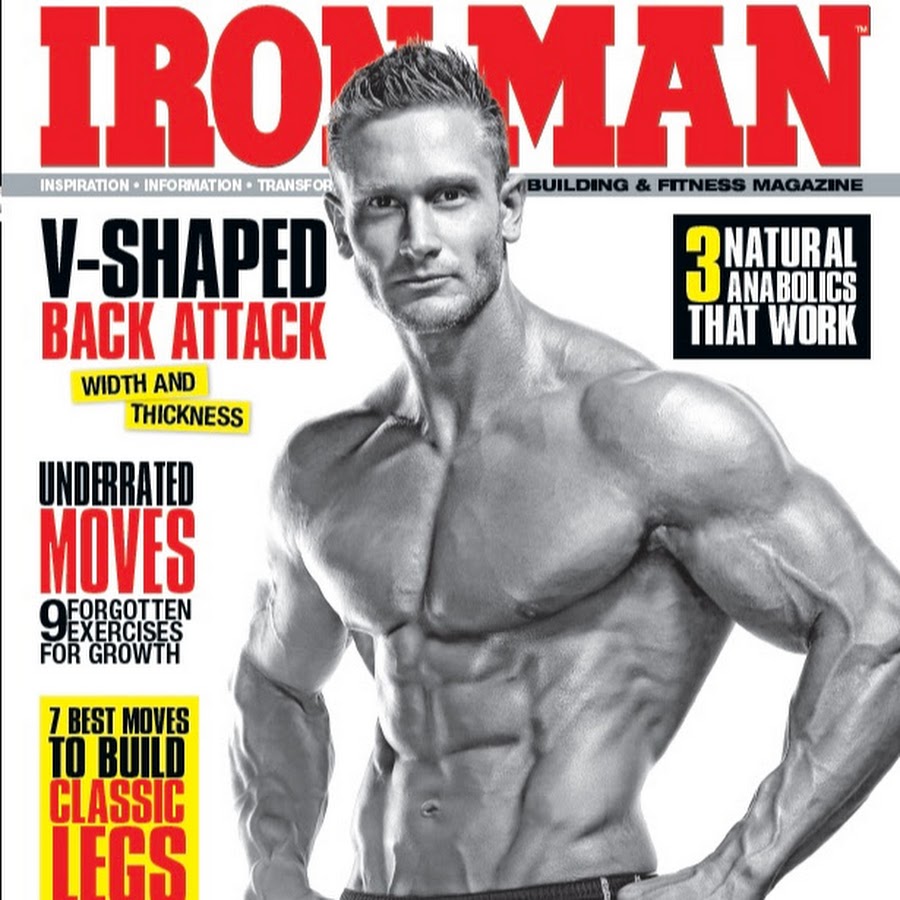
Thomas DeLauer
Watch on YouTube Add to chat My bookmarks← All sources

TL;DR

The four things you'd lose by not watching

4 items

TL;DR

The four things you'd lose by not watching

4 items
1

Ground beef, whey isolate/concentrate, and venison rank highest in digestibility and amino acid completeness (DIAAS scores up to 133), delivering creatine, zinc, and CLA for muscle and metabolism.

2

Eggs offer a phenomenal nutritional package despite a moderate DIAAS of 122—high in choline, vitamins, and monounsaturated fats, making them a personal favorite.

3

Nut butters, bacon, and bone broth are frequently mistaken for protein sources but should be viewed as fat or gut-support foods, not primary protein.

4

Avoid Fairlife Core Power drinks (additives, carrageenan), farmed tilapia (poor fatty acid profile), and soy protein (low leucine, DIAAS 98); instead, choose Pioneer Pastures milk protein, chunk light tuna, sardines in water, and cottage cheese free of carrageenan.

Protocols

Concrete recipes — what, when, how much, and why

12 items

Eat Ground Beef as a High-Quality Protein

WhatConsume ground beef regularly for its complete amino acid profile, high creatine, zinc, and CLA.
For whomAnyone looking for nutrient-dense animal protein.
WhyDIAAS score of 121, rich in creatine for muscle recovery, zinc for immunity, CLA for mitochondrial fat utilization.

Ground beef is presented as more than just protein. Its DIAAS of 121 indicates high digestibility, and the gristle provides collagen. The naturally high creatine content aids muscle building and anti-inflammatory effects. Zinc bolsters the immune system. Conjugated linoleic acid, found in the fat of red meat, helps the body utilize fat more effectively by enhancing mitochondrial uptake. This makes ground beef a 'multivitamin, multi-mineral rich food' in the speaker's view, ranking it as a top-tier protein source.

Mechanism

Creatine supports ATP regeneration for muscle energy; CLA activates fat transport into mitochondria; zinc is a cofactor in immune function.

It's got a very high amino acid score to begin with. It has a DAS score of 121.

Also said
“It's naturally very high in creatine, which makes it extremely good when it comes down to building muscle and recovery and anti-inflammatory effects.”— Creatine benefit beyond protein.
“It also has a bunch of zinc, which is really good for our immune system.”— Immune support.
“conjugated linoleic acid, CLA, which is pretty common in the fat that's in red meat. So, you're getting this fat that can actually help your body utilize fat in the mitochondria better.”— Explains unique fat metabolic benefit.

Prefer Ground Beef or Chicken Over Ground Turkey

WhatChoose ground beef or ground chicken instead of ground turkey when possible, because ground turkey often contains added fillers and lower-quality proteins.
WhenWhen shopping for ground meats.
For whomThose purchasing ground meats.
WhyGround turkey often has 'garbage' additives; beef and chicken offer equivalent protein without the same additive concerns.
CaveatsNot saying ground turkey is the worst, just that there are better options.

The speaker acknowledges ground turkey has good protein and amino acids, but he raises the issue of additives and lower-quality processing. Without specifying exact contaminants, he implies that ground turkey products may include extra fillers or poorer meat cuts, making them less desirable compared to beef or chicken. He'd rather have ground beef or ground chicken, implying these are cleaner and more consistent in quality.

I think ground turkey is quite good... but the thing is, when you get into ground turkey, you get into a lot more garbage that is added into that meat.

Also said
“I would much more likely have you go for ground beef or ground chicken.”— Direct recommendation.

Use Whey Protein Isolate for Rapid Post-Workout Absorption

WhatConsume whey protein isolate as a post-workout shake for its high leucine content and fast absorption (122% faster than casein).
WhenPost-exercise or whenever quick protein needed.
For whomAthletes and anyone needing quick recovery.
WhyDIAAS 125, rapid amino acid delivery to muscles.
CaveatsIt's processed, but still effective.

Despite criticism for being processed, whey isolate is championed for its high bioavailability. Its DIAAS of 125 surpasses ground beef, and it absorbs 122% faster than casein, meaning amino acids hit the bloodstream rapidly. This makes it ideal for post-workout recovery where speed matters. The speaker emphasizes that the leucine content is key for muscle building. He notes that even though it's a powder, the amino acid profile and digestibility make it a top-tier protein.

Mechanism

High leucine triggers mTOR pathway for muscle protein synthesis; fast gastric emptying and small peptide absorption.

When it comes down to leucine availability, it is one of the highest absorbing proteins and the fastest absorbing.

Also said
“It has a DI AAS score of 125. So it ranks actually higher than ground beef.”— Quantifies digestibility advantage.
“whey protein isolate absorbs 122% faster and better than casein.”— Speed of absorption data point.

Opt for Milk Protein (Casein+Whey) Over Isolated Casein Powders

WhatUse milk protein products that combine casein and whey (e.g., milk protein concentrate/isolate, or even plain milk) rather than pure casein powder, to get superior digestibility.
WhenAnytime you'd take casein, like before bed or as a meal.
For whomThose wanting slow-release protein.
WhyMilk protein's whole-food matrix combining casein and whey yields one of the highest DIAAS scores, better than isolated casein.
CaveatsDon't overdo milk if it adds too much sugar and fat; look for milk protein drinks or filtered milk for better macros.

The speaker points out that casein powder alone is gelatinous, slow, and has poor taste and lower digestibility. However, when naturally combined with whey as in straight milk or milk protein drinks, the DIAAS can be extremely high. This is because the proteins coexist in a natural matrix with other solutes, enhancing absorption. He suggests consumers seek out milk protein drinks (like Pioneer Pastures) or even plain filtered milk, but watch out for added sugar. Fairlife Core Power was noted as having milk protein but was downgraded due to additives—the protein source itself is good.

Mechanism

The combination of fast-absorbing whey and slow-absorbing casein creates a sustained amino acid release, and the whole-food solutes improve overall digestibility.

Personal experience

I started this video with even plain milk is a surprisingly really good protein source.

when you look at the research, milk protein straight up has some of the highest protein digestibility score that you can get.

Also said
“It's simply because you're combining different delivery types in essence. And you're getting these different solutes in a way and different amino acid profiles making one of the most complete proteins.”— Describes the synergy.

Choose Venison as the Optimal Lean Red Meat Protein

WhatEat venison (deer meat) regularly for its exceptionally high creatine, low fat, and superior fatty acid profile.
WhenWhenever available.
For whomAnyone seeking lean, nutrient-dense meat.
WhyHighest creatine levels in red meat, low calorie-to-protein ratio, excellent wild-game fatty acid profile without the high fat of beef.

Venison tops the list because it packs all the benefits of red meat—creatine, zinc, CLA—while being extremely low in fat, yielding a great calorie-to-protein ratio. Its fatty acid profile is significantly better than conventionally raised meat due to the animal's natural diet. The speaker tries to get it whenever possible and considers it almost a multivitamin effect without the added caloric load of fatty cuts like ribeye. He positions it above even ground beef as a superior protein source.

Mechanism

Creatine for muscle energy; CLA for fat metabolism; zinc for immune; wild game has better omega-3 to omega-6 ratio.

Personal experience

one that I try to get my hands on the most is ... venison.

Venison has some of the highest creatine levels that you can find in a red meat, all while being very low fat.

Also said
“your calorie to protein ratio is great.”— Practical diet advantage.
“the fatty acid profile of wild game is significantly better than the fatty acid profile of conventionally raised meat.”— Highlights health-promoting fat quality.

Trim Excess Fat from Ribeye to Manage Calorie-to-Protein Ratio

WhatWhen eating ribeye steak, trim visible fat to keep the protein-to-energy balance in check; ribeye itself has a high DIAAS of 130.
WhenWhen preparing ribeye.
For whomPeople who enjoy ribeye.
WhyRibeye has high DIAAS and nutrients, but a lot of fat; trimming fat reduces excess calories without sacrificing protein.
CaveatsFat thickness varies greatly, so trimming matters.

Ribeye is lauded for a DIAAS of 130, even higher than ground beef, delivering creatine, zinc, and leucine. However, the high fat content can turn a 200-calorie cut into 300 depending on the fat ribbon. The speaker advises careful trimming to enjoy the protein benefits without the calorie surplus. He still considers it a great protein source if fat is managed.

A roasted ribeye has a Diaas score of about 130. ... how you trim that fat makes all the difference in the world.

Also said
“you could have a ribeye that is 200 calories, but that same weight ribeye could be 300 calories if it has a thicker ribbon of fat.”— Illustrates the caloric swing from fat.

Treat Nut Butters as Fat Sources, Not Protein Sources

WhatDo not count nut butters toward daily protein goals; they are primarily fat with low DIAAS and incomplete amino acid profiles.
WhenWhen planning diets.
For whomAnyone mistaken about nut butter protein content.
WhyNut butters have poor digestibility, low DIAAS, high fat-to-protein ratio, and often oxidized oils.
CaveatsThey are fine as fat sources (e.g., macadamia, sacha inchi).

The speaker is irritated by the 'protein washing' of nut butters. He explains that while they contain some protein, the DIAAS score is low, meaning the protein isn't efficiently used, and the fat content is disproportionately high, making them a prime fat source. He points out oxidation of oils from long shelf time as another concern. He personally enjoys macadamia nut butter and sacha inchi butter but always treats them as fat, never as meaningful protein. This recategorization helps people avoid overestimating protein intake.

Mechanism

Incomplete amino acid profile, low leucine; high fat slows digestion but not quality.

Personal experience

I'm also very aware that this is a fat source, not a protein source.

this is a fat source, not a protein source.

Also said
“They have one of the lower DAS scores. You're not getting actual protein that's usable to a high degree.”— Reinforces the poor protein usability.

Eat Eggs as a Complete Nutrient Package, Not Just Protein

WhatConsume whole eggs regularly for their DIAAS 122 protein plus a suite of vitamins, choline, and monounsaturated fats.
WhenDaily if possible.
For whomAnyone looking for nutrient-dense protein.
WhyDespite a slightly lower DIAAS, eggs provide vitamins A, D, E, K, choline for brain health, and >50% monounsaturated fat, making them a top personal choice.

Eggs score 122 on DIAAS, decent but not the highest, yet the speaker values them as 'nature's true multivitamin' because their nutrient profile extends far beyond protein. They contain key fat-soluble vitamins, high choline for neurotransmitter synthesis, and a fatty acid composition that's over 50% monounsaturated, similar to olive oil. He says if he could, he'd eat eggs and venison every day. They round out the diet not just for muscle building but for overall health.

Mechanism

Choline is a precursor to acetylcholine, supporting cognition; monounsaturated fats improve cardiovascular health.

Personal experience

If I had it my way, I'd have eggs and venison every single day.

they round out the cake by being nature's true multivitamin.

Also said
“Vitamins A, vitamin D, vitamin E, vitamin K. You also have a high amount of choline, which is a precursor to acetylcholine, so a huge brain benefit.”— Lists the specific nutrient benefits.

Treat Bacon as a Fat Source, Not a Protein Source

WhatDo not rely on bacon for protein; it is primarily fat with a poor protein-to-energy ratio and potential antibiotic/pork quality issues.
WhenWhen considering protein sources.
For whomAnyone who thinks bacon is high-protein.
WhyHigh fat, low DIAAS, and often from inhumanely raised pigs with additives.
CaveatsGood-quality bacon exists, but still treat it as fat.

Similar to nut butters, bacon's high fat content relative to its protein makes it unsuitable as a primary protein source. The speaker also raises concerns about conventional pork farming practices (antibiotics, additives) that can taint the meat. While not saying it's bad as an occasional fat treat, he strongly advises against counting bacon toward daily protein. This is a correction of the common 'bacon has protein' misconception.

Bacon is not a viable high protein food.

Also said
“treat it as a fat source, not as a protein source.”— Direct dietary reclassification.

Avoid Farm-Raised Tilapia; Choose Other Fish

WhatSteer clear of tilapia, especially farm-raised, due to poor fatty acid profile, antibiotics, and inferior amino acid quality.
WhenSelecting fish.
For whomAnyone eating fish for health.
WhyFarm-raised tilapia is a 'dirty fish' with unfavorable omega-6 to omega-3, often loaded with antibiotics, and has a worse amino acid profile than other cheap fish like tuna.
CaveatsEven good-quality tilapia isn't as good as alternatives.

Tilapia is singled out as one of the worst fish for regular consumption. The speaker cites its poor fatty acid profile—low in beneficial omega-3s—and common farming practices involving antibiotics. The amino acid profile is also less favorable, meaning protein quality is lower. He recommends simply opting for other affordable fish like tuna, which offers better nutrition. This is a definitive 'do not eat' if better options exist.

Mechanism

Farm conditions lead to less desirable fatty acid composition and bioaccumulation of contaminants.

farm-raised tilapia is some of the worst fish that you could ever have.

Also said
“they are just a dirty fish.”— Blunt summary of its undesirable qualities.

Select Chunk Light Tuna and Limit Consumption

WhatChoose chunk light tuna (not albacore) and eat no more than a few times a week; the selenium content helps detoxify mercury.
WhenWhen eating tuna.
DoseNot every day.
For whomTuna lovers.
WhyChunk light has lower mercury; selenium aids liver in processing mercury, reducing risk.
CaveatsDon't eat tuna every single day.

Recent evidence suggests tuna isn't as bad as feared because it contains selenium, which helps the liver process mercury. The speaker still advises moderation, and specifically recommends chunk light tuna over albacore, which is higher in mercury. He doesn't recommend daily consumption, but considers it a good cheap protein source when used sensibly.

Mechanism

Selenium binds mercury and facilitates its excretion via the liver.

when you do have tuna, go for the chunk light, not the albacore.

Also said
“tuna is not as bad when it comes to mercury because it has selenium and selenium helps the liver actually process the mercury better.”— Explains the mercury mitigation mechanism.

Choose Whey Protein Concentrate Over Isolate for Higher DIAAS

WhatOpt for whey protein concentrate (which includes some milk solids and minor proteins) rather than pure isolate, because concentrate has a DIAAS of 133 vs 125.
WhenBuying whey protein powder.
For whomAnyone using whey supplements.
WhyThe whole milk matrix improves absorption, making concentrate more digestible and effective for muscle building.

This protocol stems from his re-evaluation. Despite being less processed, whey concentrate outperforms isolate in digestibility score. The speaker explains that the small amount of casein and milk solids in concentrate creates a more natural protein complex, much like how milk protein outperforms isolated casein. He recommends switching to concentrate powder to get the most muscle-building benefit per gram.

Mechanism

Milk solids and other proteins create a whole-food matrix that enhances amino acid uptake and utilization.

Personal experience

I used to think this was problematic ... now I can't deny the evidence on it.

Whey protein concentrate has a DAS score of 133 versus concentrate at 125.

Also said
“It perfectly shows how when you combine proteins and you actually put them in their whole food matrix form, it actually absorbs better even though it's totally counterintuitive.”— Explains the mechanism behind the counterintuitive score.

What's new

Personal practice updates, fresh positions, predictions

3 items

whey-protein-concentrate-reevaluation

DeLauer flipped from avoiding whey concentrate to endorsing it after seeing DIAAS 133 (versus isolate 125), realizing the whole food matrix of milk solids boosts absorption.

Why this matters: Counterintuitive that less pure protein powder absorbs better; challenges the isolate-purity dogma.

Background

He previously sought pure whey isolate to avoid milk solids.

He used to think whey concentrate was problematic because it includes milk solids and other proteins, wanting the purest whey. However, upon reviewing digestibility data, he found that whey protein concentrate has a DIAAS score of 133, while isolate scores 125. This higher score is due to the presence of minor milk proteins and solids that create a whole-food matrix effect, improving actual absorption and utilization. He parallels this to milk protein (casein+whey) having the highest DIAAS, demonstrating that protein synergy in a less processed form can outperform isolated fractions. He now considers concentrate superior for building muscle.

Personal experience

I used to think this was problematic cuz I wanted the most pure whey protein possible... now I can't deny the evidence on it.

Whey protein concentrate has a DAS score of 133 versus concentrate at 125.

Also said
“It perfectly shows how when you combine proteins and you actually put them in their whole food matrix form, it actually absorbs better even though it's totally counterintuitive.”— Explains the mechanism behind the score difference.

icelandic-skyr-as-superior-dairy

DeLauer shifts from Greek yogurt to Icelandic skyr as a higher-protein, zero-fat dairy option that tastes like full-fat yogurt.

Why this matters: Introduces a less common dairy product with a higher protein-to-fat ratio and creamy texture, positioning it above Greek yogurt.

Background

He previously relied on Greek yogurt as a go-to dairy protein.

He still loves Greek yogurt but has discovered Icelandic skyr, a strained cultured dairy product that is even more concentrated. Skyr has a higher protein-to-fat ratio and a buttery smooth texture even in zero-fat versions, mimicking 5% fat Greek yogurt. It delivers whey and casein along with probiotics, offering a complete protein package. He is so impressed that skyr is quickly becoming his top dairy-based protein choice, suggesting it outperforms Greek yogurt on both taste and nutrient density.

Personal experience

Now, I still love Greek yogurt, but what I'm learning is that there's something better. ... Skyr is quickly becoming my favorite dairybased protein.

a zero fat skyr yogurt that tastes like a full 5% fat Greek yogurt.

Also said
“you're still getting the whey, you're getting the casein, and you're getting the probiotics out of it.”— Highlights the complete protein and probiotic package.

bone-broth-protein-misconception

DeLauer clarifies that bone broth is not a complete protein and should not be counted toward daily protein goals, despite being valuable for gut and connective tissue.

Why this matters: Many people misuse bone broth as a protein source; he gives clear guidance to separate its functional benefits from protein counting.

Background

He uses bone broth almost daily but now explicitly states he does not count its protein.

Bone broth is often marketed as high-protein due to collagen, but he explains it lacks a complete amino acid profile and is not a viable protein source for muscle building. Instead, it provides gelatin and specific amino acids that support gut mucosal layer, connective tissue, and skin. He recommends using it as a functional food for gut health but not substituting it for meat, eggs, or dairy in meeting protein targets. He personally uses it almost every day but only for its non-protein benefits, never adding it to his daily protein tally. This distinction prevents overestimating protein intake.

Personal experience

I use it almost every day, but I don't count it towards my protein.

Bone broth as a protein source is not the best, but as a food, it's one of the best.

Also said
“You are not getting what you think you want, but you are getting a benefit.”— Reinforces the functional vs. protein distinction.

Recommendations

Products, supplements, and tools mentioned in the episode

1 item

Pioneer Pastures A2 Filtered Milk Protein

Product

He mentions Pioneer Pastures as a better milk protein drink alternative to Fairlife Core Power, using A2 filtered milk, available at Sprouts and Target.

As an alternative to the additive-laden Fairlife Core Power, Pioneer Pastures offers a milk protein drink made with A2 filtered milk, which may be gentler on digestion. It provides the same casein-whey combination without the carrageenan and artificial sweeteners, so it's a cleaner source of high-DIAAS protein. He points out availability at major retailers, making it accessible.

vs alternatives

vs Fairlife Core Power: uses A2 milk, likely fewer additives, no artificial sweeteners mentioned.

They use like an A2 filtered milk. ... They have it at Sprouts. They have it at Target.

Find Pioneer
Disclosed sponsorships1speaker disclosed

Create Creatine Gummies and Stick Packs

Supplement Sponsored · disclosed

He recommends his preferred creatine source that is third-party tested, sweetened with allulose (gummies) or pure Creapure (stick packs).

Disclosure54% off discount link mentioned, likely affiliate partnership.

The gummies contain a couple grams of sugar to enhance creatine uptake, combined with allulose (a natural sweetener) that uses the same glucose transporter but cancels out insulin effects to some degree. The stick packs use the patented Creapure form, known for purity. He warns not to overeat the gummies (they're easy to consume). The link provides 54% off.

vs alternatives

Unlike many creatine powders, the gummies mask taste and combine sugar with allulose for better absorption, while stick packs offer classic Creapure purity.

their gummies are sweetened with alulose. So they have a couple grams of sugar because that helps creatine uptake, but they combine it with alulose and alulose sort of uses the same transporter that glucose does and it actually cancels it out to a certain degree.

Also said
“three of these things you're getting 4 1/2 g of creatine. It's easy to eat like 10 of them so don't do that.”— Dosing warning and dosage info.
Find Create

Notable quotes

Lines worth pulling out — contrarian, specific, or perfectly phrased

5 items
Even plain milk is a surprisingly really good protein source.
Unexpected starting thesis that plain milk outperforms expectations as a protein.
Whey protein concentrate has a DAS score of 133 versus concentrate at 125.
Counterintuitive data point that less processed concentrate beats isolate.
this is a fat source, not a protein source.
Direct reclassification of nut butters, a common protein misconception.
they round out the cake by being nature's true multivitamin.
Elevates eggs beyond muscle building to a complete nutritional package.
they are just a dirty fish.
Blunt condemnation of farm-raised tilapia.

Sign in to share feedback

Tell us if this brief hit the mark or missed it — feedback feeds back into the next iteration of the prompt.

Topics covered

ground-beefwhey-proteinmilk-proteinvenisonribeyenut-butterseggsbacontilapiatunawhey-concentratesoy-proteinbone-brothicelandic-skyrcottage-cheese
Free account

Make this library yours

Reading is free for everyone. A free account adds the personal layer: save protocols, follow experts, and see how the other experts weigh in on this same topic.

Create a free accountSign in

Where the experts disagree — weekly

One email a week: the sharpest new disagreements and protocols from the library. No spam, unsubscribe anytime.

Educational summary of the cited expert source — not medical advice. Open the source recording linked above and consult a qualified physician before acting on any protocol.