Ukrainian refugee filtration and diaspora management
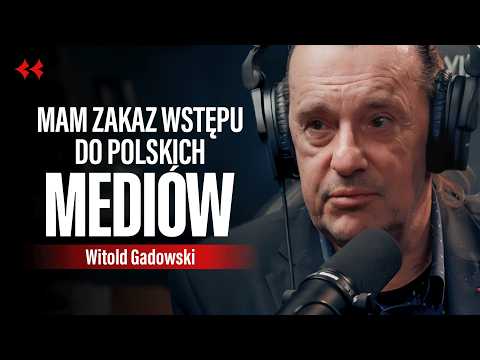
Gadowski contrasts Poland's chaotic 2022 open-door policy with even impoverished Lebanon's establishment of filtration camps for Syrian refugees. He warns that without dispersion, diaspora enclaves will become centres for Ukrainian nationalist organisers, agents of foreign services, and a population ready to sell services to the highest bidder. The immediate post-war stage, he predicts, will bring a wave of traumatised, potentially combat-hardened men whose entry must be rigorously controlled. He insists that the war-ending moment must trigger a lockdown of the border, not a further opening, and that a clear system of deportation for those who pose a risk is necessary, however harsh it sounds.
Geopolitical and sociological: concentrated diaspora communities create parallel societies impervious to host-state norms, enabling recruitment by hostile organisations (Ukrainian nationalists, Russian, Israeli, etc.) and fostering a 'civilisational' clash. Dispersal and forced assimilation into Polish norms break that dynamic, while strict border control keeps out individuals likely to become agents of chaos.
He has visited dozens of refugee camps worldwide and says he has never seen a procedure as reckless as Poland's in 2022: 'Without filtration camps, without establishing who is who, everyone was let into the territory of the Republic of Poland, as they came.' He notes MSW (Ministry of Interior) itself is now talking about the husband influx problem, confirming his earlier warnings.
We do not allow large Ukrainian concentrations, instead we thin out the diaspora in the most concrete way possible and try to Polonize those who want to stay here, to pick out those who have bad intentions or do not identify with the Polish state and prepare them for return to Ukraine.