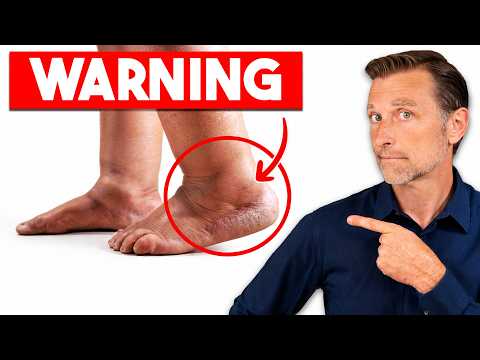

Ketogenic diet + intermittent fasting to eliminate edema
Berg presents this as the cornerstone intervention. He argues that treating edema with diuretics or compression is futile because it avoids the insulin-driven sodium retention. By cutting carbohydrates and implementing intermittent fasting, insulin levels drop, the kidneys stop holding onto sodium, and the body sheds the excess fluid. He quantifies the effect: 7–11 lbs of fluid loss in the first 1–2 weeks. However, he warns that this fluid loss is only sustained if the dietary change is permanent and if potassium is maintained at adequate levels. Without potassium, the sodium-potassium pump can't operate efficiently, and fluid equilibrium may be disrupted. He notes that many people try to address edema by reducing salt and taking diuretics, but they never touch the underlying insulin response from carbs. This protocol directly targets the root cause.
Carbohydrates raise insulin. High insulin directly signals the kidneys to reabsorb sodium, leading to water retention. Glycogen (stored carbohydrate) binds water in a 1:3 ratio. A ketogenic diet depletes glycogen and keeps insulin low, causing natriuresis and diuresis. Intermittent fasting extends the low-insulin window, enhancing sodium and fluid elimination.
Berg recalls having pitting edema in his early 30s and states, 'I had this problem for a decade. I didn't really know what it was back then,' later connecting it to insulin and carbs. The protocol appears to reflect his own solution.
if you were to do three things, lower your insulin by getting rid of your carbs and sugar, going on what's called the ketogenic diet, and then decreasing the frequency of eating, that's called intermittent fasting, you would instantly lower insulin and you would stop retaining sodium