UNFUCG
DashboardSearchChatBookmarksNotificationsActivityPremiumProfile
?
Home
Search
Chat
Saved
Profile
Episode
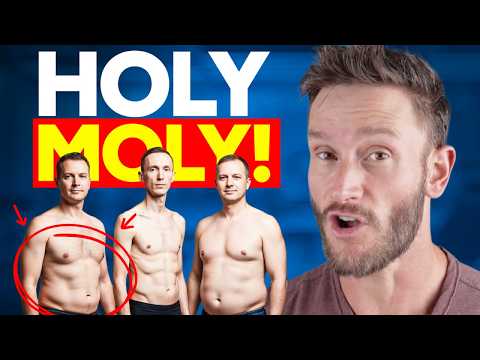
This Method Shrinks All 3 Types of Belly Fat (insanely fast)
~47 min
Episode Brief·YouTube

This Method Shrinks All 3 Types of Belly Fat (insanely fast)

Thomas DeLauer
Watch on YouTube Add to chat My bookmarks← All sources

TL;DR

The four things you'd lose by not watching

4 items

TL;DR

The four things you'd lose by not watching

4 items
1

There are three types of belly fat: subcutaneous, visceral, and a newly recognized 'remodeled subcutaneous fat' that is metabolically active, has more mitochondria, and is easier to lose. Exercise and specific interventions can convert bad belly fat into this good kind.

2

Alternating cardio zones (5 min zone 2, 2 min zone 4, repeated 5 times, 3–4x/week) and thermal flux (alternating hot/cold) increase mitochondria in fat cells, making belly fat more dynamic and burnable.

3

Near infrared light therapy for 10–15 minutes daily can boost mitochondrial function in subcutaneous fat by up to 35%, according to a study in Lasers in Surgery and Medicine.

4

Supplements like PQQ, CoQ10, urolithin A, berberine, and carnitine support mitochondrial health and fat transport, while a 'metabolic micro fast' (skipping lunch) with a midday workout further enhances mitochondrial biogenesis.

Protocols

Concrete recipes — what, when, how much, and why

6 items

Alternating Cardio Zones

WhatPerform 5 minutes of zone 2 cardio followed by 2 minutes of zone 4, repeated 5 times, 3–4 times per week. During zone 2, breathe through the nose; during zone 4, mouth breathe as needed.
When3–4 times per week, during cardio sessions.
Dose5 cycles of 5 min zone 2 + 2 min zone 4 (total ~35 minutes per session).
For whomAnyone looking to improve belly fat quality and metabolic health, especially those who have struggled to lose belly fat despite diet and exercise.
WhyCreates variable oxygen demand that increases mitochondrial density in fat cells, remodeling belly fat into the metabolically active type.
CaveatsNone mentioned, but implies a baseline fitness level to distinguish zones. Nasal breathing during zone 2 may take practice.

DeLauer emphasizes that many people focus solely on zone 2 for mitochondrial health, but the flux between zones is critical for fat remodeling. He notes that this protocol can 'spearhead' the conversion of bad belly fat to good belly fat without requiring a lifetime of exercise. The nasal breathing during zone 2 is added to boost nitric oxide, which further supports mitochondrial function. This approach is designed to make subsequent dietary interventions (like fasting) much more effective because the fat tissue is primed to release stored energy.

Mechanism

Alternating between moderate (zone 2) and high intensity (zone 4) creates fluctuating oxygen demands. This stress signals fat cells to increase mitochondrial content to handle the variable energy needs. More mitochondria in fat means greater capacity for fatty acid oxidation and dynamic turnover, making the fat less inert and more responsive to lipolytic signals from fasting or low insulin.

Do 5 minutes of zone 2 and then do 2 minutes of zone 4 and alternate and repeat that five times through. Do that three to four times per week.

Also said
“What you're doing is you're creating a variable oxygen demand that can actually increase the amount of mitochondria in that fat.”— Explains the direct mechanism linking cardio variation to fat mitochondria.
“During your zone 2 portions, really focus on breathing through your nose and then when you get into the higher intensity, go ahead and mouth breathe all you want.”— Adds the nasal breathing component for nitric oxide benefits.

Thermal Flux (Hot/Cold Alternation)

WhatAlternate between hot and cold exposures, such as cold shower to hot bath, or sauna to cold plunge, back and forth.
When2–3 days per week.
DoseNot specified; implies multiple cycles per session.
For whomThose with access to sauna, cold plunge, or willing to do contrast showers.
WhyInduces mitochondrial uncoupling, where mitochondria dissipate energy as heat, making them stronger and remodeling belly fat into the good type.
CaveatsNot for everyone; start gradually. The effect is not about brown fat activation but about improving the quality of white subcutaneous fat.

DeLauer clarifies that this is not just about activating brown fat (which burns energy for heat) but about transforming regular jiggly belly fat into the good remodeled type. He says the mitochondrial uncoupling from thermal flux teaches the mitochondria to dissipate energy, which paradoxically makes them more efficient over time. He stresses that you don't need to do this daily; a couple of times a week is sufficient to see changes in fat quality.

Mechanism

Rapid temperature swings force mitochondria to adapt by uncoupling oxidative phosphorylation, generating heat instead of ATP. This 'inefficiency' actually strengthens mitochondria and triggers remodeling of white adipose tissue, increasing its metabolic activity and making it more like the exerciser's fat—less inflammatory, more vascular, and easier to mobilize.

Cold shower, hot bath, sauna, cold plunge, sauna, cold shower. Anything where you could oscillate this thermal flux... This helps the mitochondria with what's called uncoupling.

Also said
“It's actually an inefficiency in the mitochondria that makes it stronger. And it will change your fat, it's not all about the brown fat. It's more about what it can actually do to that jiggly belly fat to make it the good fat.”— Distinguishes this from brown fat activation and emphasizes the remodeling of white fat.

Near Infrared Light Therapy

WhatApply red or near infrared light to the belly area for 10–15 minutes daily.
WhenDaily, ideally.
Dose10–15 minutes per day.
For whomAnyone, especially those with stubborn belly fat.
WhyIncreases mitochondrial function in subcutaneous fat by up to 35%, converting it to the remodeled, easier-to-burn type.
CaveatsRequires a red/NIR light device. Consistency is key.

DeLauer cites a study from Lasers in Surgery and Medicine showing a 35% boost in mitochondrial function in subcutaneous fat. He positions this as a low-effort, high-impact tool that can explain why some people lose fat everywhere except the belly—their belly fat mitochondria were underactive. Once the mitochondria are activated by light, fasting and diet become much more effective at reducing belly fat. He recommends it as part of a stacked stressor approach.

Mechanism

Photobiomodulation with red and near infrared light stimulates cytochrome c oxidase in mitochondria, enhancing electron transport and ATP production. In fat cells, this upregulates mitochondrial density and activity, shifting the tissue from an inert storage depot to a metabolically active one with higher fatty acid turnover.

Red light 10 or 15 minutes a day can increase the mitochondrial efficiency. So once that is functioning, your diet will work better.

Also said
“This could explain why you've had a hard time losing belly fat when you've lost fat everywhere else. It's the fact that your belly fat did not have this dynamic turnover because the mitochondria wasn't active in the fat.”— Provides a diagnostic insight for stubborn belly fat.

Stacking Stressors

WhatCombine fasting, cold exposure, and light therapy simultaneously, and alternate between high-intensity sympathetic activation and parasympathetic relaxation (e.g., HIIT followed by breathwork).
WhenThroughout the week, integrating into existing routines.
DoseNot specified; principle-based.
For whomThose already comfortable with individual stressors looking to optimize.
WhyStacking hormetic stressors amplifies mitochondrial adaptation and fat remodeling more than any single intervention alone.
CaveatsCan be intense; listen to body. Not for beginners.

DeLauer frames this as an advanced toolkit. He suggests that the more you stack these stressors, the more effective they are on mitochondria. He specifically mentions alternating high intensity interval training with relaxation, and using CO2 breathwork to trigger parasympathetic recovery. This oscillation between stress and recovery is key to remodeling fat without burnout.

Mechanism

Multiple mild stressors (fasting, cold, light, exercise) converge on pathways like AMPK and PGC-1α, synergistically boosting mitochondrial biogenesis and autophagy in fat cells. Alternating sympathetic (fight-or-flight) and parasympathetic (rest-and-digest) states prevents chronic stress while still providing the adaptive stimulus, leading to more resilient mitochondria and better fat turnover.

The more you stack them, the more effective it is on the mitochondria. I want you to focus on alternating parasympathetic and sympathetic triggers. High intensity interval training, relax. Intensity, relax. CO2, breath work, relax.

Metabolic Micro Fast with Midday Workout

WhatSkip lunch and perform a short workout during that fasting window.
WhenMidday, a few times per week.
DoseSkip one meal (lunch); workout duration not specified but 'even if short'.
For whomBeginners or those new to fasting.
WhyCreates a temporary energy deficit that triggers AMPK activation and mitochondrial biogenesis in fat cells.
CaveatsEnsure adequate protein and nutrients at other meals. May not suit everyone's schedule.

DeLauer calls this a 'metabolic micro fast' and recommends it as an easy entry point. He says it 'teases' the body with food then deprivation, which is a potent mitochondrial stimulus. Adding a workout amplifies the effect. He suggests it can be done a few times a week and is 'super duper effective'.

Mechanism

The brief fast combined with exercise depletes glycogen and increases AMP/ATP ratio, activating AMPK. This signals cells to produce more mitochondria to improve energy efficiency. In fat tissue, this leads to remodeling toward the high-mitochondria, dynamic phenotype.

If you do a midday workout with this, even if short, it can be super duper effective.

Also said
“This is called a metabolic micro fast and it can increase the amount of mitochondria simply by sort of teasing your body with some food and then depriving.”— Explains the concept of metabolic micro fast.

Mitochondrial Supplement Stack

WhatCombine PQQ, CoQ10, urolithin A, berberine, and carnitine to support mitochondrial function and fat transport.
WhenDaily, presumably with meals or as directed.
DoseNot specified; follow product labels.
For whomThose looking to enhance mitochondrial health and fat burning, especially in conjunction with the other protocols.
WhyPQQ and CoQ10 improve electron transport; urolithin A induces mitophagy and biogenesis; berberine activates AMPK; carnitine shuttles fatty acids into mitochondria.
CaveatsConsult healthcare provider; berberine can lower blood sugar; carnitine may cause fishy odor. Quality matters.

DeLauer presents these supplements as an advanced addition to the lifestyle protocols. He emphasizes that once you have more mitochondria in your fat (from exercise, light, etc.), these supplements make the fat-burning process more efficient. Carnitine ensures fat gets into the mitochondria, CoQ10 helps it burn inside, and urolithin A keeps the mitochondrial population healthy. Berberine further pushes the body toward mitochondrial production. He suggests this stack can overcome the 'stuck' belly fat that resists diet and exercise.

Mechanism

PQQ and CoQ10 are cofactors in the electron transport chain, improving ATP production. Urolithin A triggers mitophagy (clearing damaged mitochondria) and stimulates new mitochondrial growth. Berberine activates AMPK, mimicking an energy-deprived state that upregulates mitochondrial biogenesis. Carnitine transports long-chain fatty acids across the mitochondrial membrane for beta-oxidation. Together, they create a 'self-burning machine' where fat is efficiently delivered and burned.

Carnitine helps fat get into the mitochondria. You've got the co-enzyme Q10 that's helping the fat inside the mitochondria, but the carnitine is going to help the fat get inside the mitochondria. So, it's like a self-burning machine.

Also said
“PQQ and co-enzyme Q10 can help with mitochondrial efficiency off the chain because it actually increases the ability to receive an electron and allows mitochondria to kind of kickstart again.”— Details the role of PQQ and CoQ10.
“Urolithin A increases mitochondrial biogenesis mitochondrial autophagy. So it helps the old mitochondria become stronger and consolidates them with new mitochondria.”— Explains urolithin A's dual action.
“Berberine can increase... putting you in a state where the body has no choice but to start increasing the amount of mitochondria... because you are seen as in an energy deprived state. That's what happens with AMPK activation.”— Clarifies berberine's mechanism.

What's new

Personal practice updates, fresh positions, predictions

5 items

remodeled-subcutaneous-fat

A third type of belly fat—remodeled subcutaneous fat—exists in people who exercise. It has more blood vessels, less collagen, less inflammation, and more mitochondria, making it metabolically healthier and easier to lose than typical subcutaneous or visceral fat.

Why this matters: Challenges the binary view of fat as either subcutaneous or visceral. Shows that the quality of fat tissue, not just its quantity, determines metabolic harm, and that this quality can be improved without a lifetime of exercise.

Background

Traditionally, belly fat is categorized as subcutaneous (under the skin) or visceral (around organs). Visceral fat is known to be inflammatory and linked to insulin resistance. Subcutaneous fat is often considered benign but stubborn. The new concept of remodeled subcutaneous fat adds a functional dimension: fat tissue can be structurally altered to become more vascularized, less fibrotic, and more mitochondrial-rich, behaving almost like a different tissue.

DeLauer describes a study in Nature Metabolism that compared people with the same amount of belly fat: one group were lifetime exercisers, the other sedentary. Despite identical fat mass, the exercisers' fat had more capillaries, less collagen (making it less 'permanent'), lower pro-inflammatory signaling, and significantly more mitochondria. This meant the fat was in a state of dynamic turnover—storing and releasing energy readily. He argues that this explains why some people who exercise still carry belly fat but are metabolically healthier, and why once you convert your fat to this type, diet and fasting become far more effective at burning it. The key insight is that you don't need a lifetime of exercise to achieve this; targeted interventions can remodel fat relatively quickly.

Their belly fat had more blood vessels. It had more capillaries. It had less collagen, so it was less permanent. It had less of a pro-inflammatory signaling... But most importantly, it had more mitochondria, like it was actually active and serving a purpose.

Also said
“Even though they had the same amount of belly fat, it was metabolically very different and structurally and functionally very different.”— Highlights that fat mass alone is not the full story; tissue architecture matters.
“Once you switch to this good fat, it's a lot easier for your body to burn it.”— Emphasizes the practical benefit of remodeling fat for easier fat loss.

visceral-fat-insulin-resistance-link

Only 8% of people with high body fat have insulin resistance, while 33% of those with high visceral fat do, indicating that visceral fat, not overall obesity, is the primary driver of metabolic dysfunction.

Why this matters: Provides a concrete statistic that decouples body fat percentage from insulin resistance, reinforcing the importance of targeting visceral fat specifically.

Background

Common belief often equates being overweight with metabolic disease. This data from a Clinical Medicine study shows that many overweight individuals are metabolically healthy, while visceral fat is a much stronger predictor of insulin resistance.

DeLauer uses this statistic to argue that the goal should not just be weight loss but specifically reducing visceral fat and converting subcutaneous fat into the remodeled type. He notes that upper body fat is problematic mainly because it correlates with higher visceral fat, not because subcutaneous upper body fat is inherently harmful. This reframes the approach to belly fat: improve fat quality and reduce visceral fat, rather than simply losing pounds.

8% of people with higher levels of body fat had insulin resistance. 33% of people with higher levels of visceral fat had insulin resistance.

Also said
“Insulin resistance and metabolic dysfunction is actually not caused by just generally being overweight. It's more so caused by visceral fat.”— Directly states the causal shift in thinking.

near-infrared-light-for-fat-mitochondria

Red and near infrared light applied to the skin can increase mitochondrial function in subcutaneous fat by up to 35%, as shown in a study published in Lasers in Surgery and Medicine.

Why this matters: Introduces a non-exercise, non-dietary method to directly enhance mitochondrial activity in fat tissue, which is a novel application of photobiomodulation for belly fat remodeling.

Background

Near infrared light is known for muscle recovery and skin health, but its effect on fat mitochondria is less commonly discussed. This study suggests it can remodel fat to be more metabolically active.

DeLauer explains that most people think of mitochondria in muscle or brain, but fat cells also contain mitochondria. Increasing mitochondrial density and function in fat makes it more like the 'good' remodeled fat, enabling better fat burning during fasting or diet. He recommends 10–15 minutes of red/near infrared light daily on the belly area. This could explain why some people struggle to lose belly fat despite overall fat loss—their belly fat mitochondria were underactive. The light therapy is presented as a low-effort way to kickstart the remodeling process.

There was up to a 35% increase in mitochondrial function with red and near infrared light on the subcutaneous fat.

Also said
“It changed the mitochondria in the actual fat. So we think mitochondria, we think in our muscles, maybe in our brain, but we don't think about what's happening in our fat.”— Highlights the overlooked role of fat mitochondria.

metabolic-micro-fast

Skipping lunch (a 'metabolic micro fast') combined with a midday workout can increase mitochondrial biogenesis by creating a brief energy-deprived state that signals the body to produce more mitochondria.

Why this matters: Offers a simple, accessible fasting strategy distinct from longer fasts, specifically aimed at improving fat quality rather than just calorie restriction.

Background

Intermittent fasting is popular, but this specific protocol—skipping one meal and exercising in that window—is framed as a mitochondrial stimulus. It's less about weight loss and more about remodeling fat tissue.

DeLauer suggests that by eating breakfast, then skipping lunch and doing a short workout, you create a temporary energy deficit that activates AMPK and triggers mitochondrial biogenesis in fat cells. This 'teasing' of the body with food then deprivation mimics some of the benefits of longer fasts without the difficulty. He notes it's especially effective for beginners and can be done a few times a week.

Something that I recommend people do when they're just getting started is skipping lunch. This is called a metabolic micro fast and it can increase the amount of mitochondria simply by sort of teasing your body with some food and then depriving.

protein-leverage-hypothesis

The protein leverage hypothesis suggests there is a target amount of protein per meal that shuts off appetite, which is important for belly fat reduction. DeLauer references a separate video on the topic.

Why this matters: Connects appetite regulation to belly fat loss through a specific protein threshold, though details are deferred to another video.

Background

The protein leverage hypothesis posits that humans eat until they meet a protein target, so higher protein meals can reduce overall calorie intake. DeLauer mentions it as a tool for belly fat reduction but does not elaborate.

It's called the protein leverage hypothesis. It's really fascinating and it's showing us that there's like a target amount of protein you should hit in a given meal that shuts off your appetite.

Recommendations

Products, supplements, and tools mentioned in the episode

6 items

PQQ (Pyrroloquinoline Quinone)

Supplement

A supplement that supports mitochondrial efficiency by improving electron transport.

Mentioned as part of the mitochondrial stack. DeLauer says PQQ and CoQ10 together 'increase the ability to receive an electron and allows mitochondria to kind of kickstart again.' No specific brand mentioned.

PQQ and co-enzyme Q10 can help with mitochondrial efficiency off the chain because it actually increases the ability to receive an electron.

Find PQQ

Coenzyme Q10 (CoQ10)

Supplement

Works with PQQ to enhance mitochondrial electron transport and energy production.

DeLauer pairs it with PQQ for mitochondrial kickstarting. He also mentions it helps fat inside the mitochondria get burned, complementing carnitine's role in transporting fat into the mitochondria.

You've got the co-enzyme Q10 that's helping the fat inside the mitochondria.

Find Coenzyme

Urolithin A

Supplement

A postbiotic that promotes mitochondrial autophagy (clearing damaged mitochondria) and biogenesis (creating new ones), leading to mitochondrial fusion and stronger fat mitochondria.

DeLauer highlights its dual action: it clears out dysfunctional mitochondria in fat cells and stimulates the growth of new, healthy ones. This is crucial because if you have dysfunctional mitochondria in your belly fat, you're stuck with inert, hard-to-lose fat. Urolithin A essentially upgrades the mitochondrial pool in fat tissue.

Urolithin A increases mitochondrial biogenesis mitochondrial autophagy. So it helps the old mitochondria become stronger and consolidates them with new mitochondria. It's like mitochondrial fusion.

Also said
“If you have dysfunctional mitochondria in your fat, you're basically stuck with that type two not so good belly fat that's not maybe inflammatory, but it's just sitting there doing nothing.”— Explains why mitophagy matters for belly fat.
Find Urolithin

Berberine

Supplement

An AMPK activator that mimics an energy-deprived state, forcing the body to increase mitochondrial production.

DeLauer explains that berberine activates AMPK, signaling that the body is low on energy. This triggers mitochondrial biogenesis as an adaptive response. He recommends it as a powerful tool to increase mitochondria in fat, especially when combined with other stressors.

Berberine can increase... putting you in a state where the body has no choice but to start increasing the amount of mitochondria... because you are seen as in an energy deprived state.

Find Berberine

Carnitine

Supplement

An amino acid derivative that transports fatty acids into mitochondria for burning. DeLauer notes that exercise depletes carnitine stores, so supplementation can enhance fat utilization.

Carnitine acts as a shuttle for long-chain fatty acids across the mitochondrial membrane. DeLauer says that when you're working out, you deplete carnitine, so supplementing ensures that fat can efficiently enter the mitochondria. Combined with CoQ10 inside the mitochondria, it creates a 'self-burning machine' for fat.

Carnitine helps fat get into the mitochondria... If you're working out, you will deplete carnitine stores and therefore carnitine will help you.

Find Carnitine

Red/Near Infrared Light Device

Tool

A light therapy device emitting red and near infrared wavelengths to increase mitochondrial function in subcutaneous fat.

DeLauer cites a study showing a 35% increase in mitochondrial function with this light on fat. He recommends 10–15 minutes daily on the belly. No specific brand is mentioned, but the tool is central to his protocol for remodeling belly fat without exercise.

Red light 10 or 15 minutes a day can increase the mitochondrial efficiency.

Find Red/Near
Disclosed sponsorships1speaker disclosed

Fatty15 (C15:0)

Supplement Sponsored · disclosed

A saturated fat supplement (pentadecanoic acid, C15:0) that strengthens cell membranes, reduces oxidative stress, and supports metabolic health and longevity.

DisclosureSponsor of the video; link in description with 15% discount. DeLauer states he has worked side-by-side with them and recently spoke with Dr. Stephanie Venn-Watson.

DeLauer explains that C15:0 is a stable saturated fat that integrates into cell membranes, making them more resistant to lipid peroxidation and oxidative damage. This helps cells function better and reduces inflammation. He notes it's the same type of fat found in high-quality sheep and goat cheeses like Pecorino Romano. The science is Navy-funded and emerging in the longevity field. He positions it as foundational for cellular health, which complements the mitochondrial protocols by ensuring the fat cells themselves are robust.

vs alternatives

Compared to other saturated fats, C15:0 is claimed to be more stable and less prone to oxidation, making it uniquely beneficial for cell membranes.

Personal experience

DeLauer mentions he was just speaking with Dr. Stephanie Venn-Watson at an event a couple of weeks ago, diving into the details of the science.

It's called C15. And what it does is it actually helps your cell have a stronger membrane so it doesn't get affected by what's called oxidative stress and it doesn't oxidize the cell or the lipids.

Also said
“It's the same kind of saturated fat you get from good quality cheese. Mainly a pecarino Romano and like sheep and goat cheese.”— Provides a dietary source comparison.
Find Fatty15

Notable quotes

Lines worth pulling out — contrarian, specific, or perfectly phrased

6 items
8% of people with higher levels of body fat had insulin resistance. 33% of people with higher levels of visceral fat had insulin resistance.
A striking statistic that decouples obesity from metabolic disease and highlights visceral fat as the true culprit.
Their belly fat had more blood vessels. It had more capillaries. It had less collagen, so it was less permanent. It had less of a pro-inflammatory signaling... But most importantly, it had more mitochondria, like it was actually active and serving a purpose.
Vividly describes the structural differences of 'good' belly fat, making the concept tangible.
Once you switch to this good fat, it's a lot easier for your body to burn it.
The core promise of the entire video—remodeling fat makes fat loss easier.
There was up to a 35% increase in mitochondrial function with red and near infrared light on the subcutaneous fat.
A specific, study-backed number that gives credibility to a non-conventional intervention.
Carnitine helps fat get into the mitochondria. You've got the co-enzyme Q10 that's helping the fat inside the mitochondria, but the carnitine is going to help the fat get inside the mitochondria. So, it's like a self-burning machine.
A clear, mechanical analogy for how supplements work together to burn fat.
You don't need to practice mitochondrial uncoupling things that often. A couple days a week or 3 days a week is all you need with that.
Lowers the barrier to entry for thermal flux protocols, emphasizing efficiency over frequency.

Sign in to share feedback

Tell us if this brief hit the mark or missed it — feedback feeds back into the next iteration of the prompt.

Topics covered

belly-fat-typesremodeled-subcutaneous-fatvisceral-fat-insulin-resistancemitochondria-in-fatalternating-cardio-zonesnasal-breathingthermal-fluxmitochondrial-uncouplingnear-infrared-light-therapystacking-stressorsparasympathetic-sympathetic-alternationmetabolic-micro-fastprotein-leverage-hypothesispqqcoq10urolithin-aberberinecarnitinefatty15-c15cell-membrane-health
Free account

Make this library yours

Reading is free for everyone. A free account adds the personal layer: save protocols, follow experts, and see how the other experts weigh in on this same topic.

Create a free accountSign in

Where the experts disagree — weekly

One email a week: the sharpest new disagreements and protocols from the library. No spam, unsubscribe anytime.

Educational summary of the cited expert source — not medical advice. Open the source recording linked above and consult a qualified physician before acting on any protocol.