
Publicly admit and correct past dietary errors
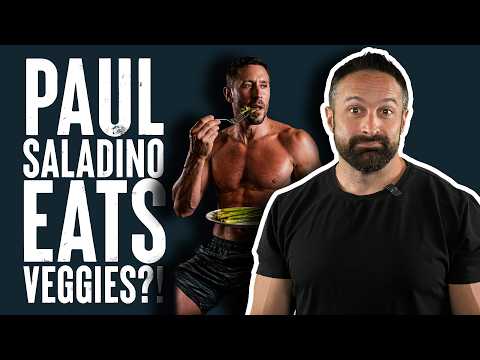
Norton argues that the way you change your message determines whether people can take you seriously. He points to Saladino's pattern as a cautionary tale: changing diets is fine, but each time he declared it optimal without admitting the previous optimal was wrong. In contrast, Norton describes his own protocol: he explicitly says, 'I said this before. I got it wrong.' This, he says, is not just an ethical obligation but also a trust-building mechanism. By acknowledging error, he invites the audience to follow his learning process, making them more likely to accept his corrected advice. He believes this is the responsible way to handle the evolving nature of nutritional science.
Norton shares firsthand: he has publicly corrected his stances on LDL cholesterol, BCAAs, and fasting, each time saying 'got it wrong, my bad.'
I say, 'Hey guys, got it wrong. My bad, you know, I changed my opinion.'