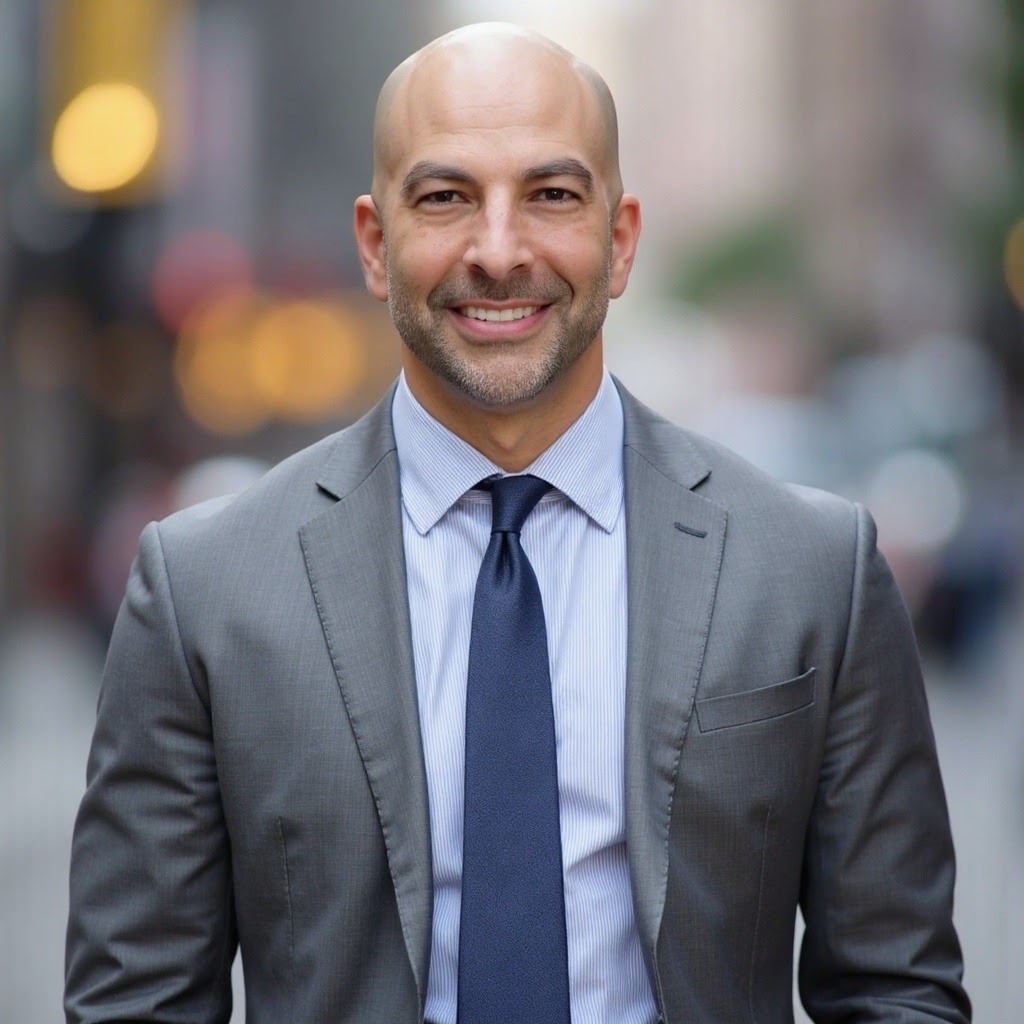
Mark Bell competed equipped to a 1,080 squat, 854 bench, and 766 deadlift — and a 700/578/715 raw total — on minimal volume: one heavy lift per session, no assistance work, and an early diet of nothing but red meat and water that dropped him 40 lbs while making him stronger.
2
Anabolic steroids primarily drive body mass gains rather than strength directly; genetics remain the ceiling — injecting the world's supply of steroids into an average person would still produce a physique nowhere near Phil Heath's, which is determined by decades of training, sleep, and diet.
3
Chris Bell's recovery from alcohol and drug addiction illustrates how isolation ('I feel alone') is the root driver of relapse, and how structured family intervention, detox, and a multi-month rehab stay can restart a life — but healing is a years-long process.
4
Attia's nine-step clinical testosterone algorithm works upstream of exogenous testosterone — correcting sleep, cortisol, SHBG, DHT, and pituitary signaling before ever prescribing TRT — and he starts patients no higher than 50 mg twice weekly.
Protocols
Concrete recipes — what, when, how much, and why
8 items
Low-volume max-effort powerlifting: one heavy compound per session, full recovery
WhatSelect one primary compound lift per session (squat, bench, or deadlift). Work to a maximal or near-maximal set on that lift only. Do no accessory work. Leave the gym. Repeat 3x per week.
WhenPrimary training protocol for strength athletes; applicable for anyone whose recovery capacity limits high-volume training.
DoseOne primary lift per session, 3 sessions/week. Mark Bell trained this way from age 16 through his peak competition years.
For whomGenetically strong individuals; intermediate to advanced lifters who are not progressing despite higher volume; anyone with joint or tendon limitations that reduce volume tolerance.
WhyBoth Bell brothers responded disproportionately well to minimal volume — their neurological and structural recovery allowed maximal-effort adaptation to a single stimulus without the noise and fatigue of accessory work.
CaveatsMark Bell retrospectively wishes he had better periodization knowledge — the minimal volume approach did not prevent cumulative tendon damage over a decade of maximal efforts. Rule number one remains: don't get hurt.
The Bell brothers' protocol aligns with Mike Mentzer's Heavy Duty methodology: maximum intensity, minimum volume, prioritize recovery. Their strength coach's only instruction was to 'squat and leave.' Mark squatted 675 raw at 18-19 on this approach, then progressed to 700 raw and 1,080 equipped. Chris benched 501 in competition (585 in the gym). Neither did meaningful accessory work during their peak years. Attia references his own non-negotiable three-days-per-week training schedule as a related principle: structured, consistent, never compromised.
we responded really well to not doing a whole lot so we'd go in the gym and we do one heavy lift and we would leave
Carnivore/keto body composition reset before powerlifting competition
WhatEliminate all carbohydrates and dietary fat sources except those in red meat. Eat only ground beef (or similar fatty red meat) and water. Hold for 2–4 weeks to initiate rapid fat loss while preserving or improving strength.
WhenPre-competition weight cut; initial body recomposition phase when a powerlifter needs to drop a weight class.
DoseChris Bell ran 2–3 weeks to drop 20+ lbs initially, then extended to drop from ~240 to under 198 lbs for competition.
For whomOverweight strength athletes who have failed conventional caloric restriction; anyone who cannot control snacking or cravings on higher-carb diets.
WhyRemoving carbohydrates eliminates hunger and cravings (Chris's report), allows fat loss while preserving muscle in a high-protein state, and improves leverages for squatting by reducing abdominal girth.
CaveatsThis protocol predates modern keto research; contemporary implementation would add electrolyte management and ensure adequate total protein. Not optimal for bodybuilding competition prep (Mark Bell's current competition uses a structured macro plan, not strict carnivore).
Ron Fedko's prescription in 1993 was maximally simple: red meat and water, nothing else. Chris Bell: 'I ran and did it I got the paper I was all excited and he just says red meat and water.' The result in the first 2-3 weeks: 20+ lbs lost, powerlifting competition won. By the time he reached the 198 lb class from ~240, he was notably stronger and mechanically better: 'because I lost weight I was able to grab the bar now I was able to squat better right I was able to get down to the bar.' Chris subsequently abandoned the diet for 10-15 years due to fear of carbohydrate restriction, which he retrospectively describes as his 'lost years' in athletic development.
Mechanism
Carbohydrate elimination drives ketosis, blunts hunger signaling, and removes the primary substrate for fat storage accumulation. Sustained high protein intake preserves lean mass. Reduced body mass improves squat mechanics by allowing greater depth and grip.
I lost like over 20 pounds won the powerlifting competition that I went into and then continued to do that down to like 198 weight class... I stayed relatively strong but my biggest problem was that for some reason there wasn't any research on a keto diet back then
Also said
“I feel like I ruined him I feel like because I wasn't optimizing my training along with my diet that had kind of wasted those years”— Chris Bell's regret about abandoning the protocol for a decade — a harm-reduction lesson about dietary consistency.
Nine-step testosterone evaluation before prescribing TRT
WhatBefore prescribing exogenous testosterone, systematically work through nine upstream levers: (1) free testosterone level, (2) SHBG, (3) siphoning into DHT via 5-alpha reductase, (4) siphoning into estradiol via aromatase, (5) DHEA substrate availability, (6) FSH/LH pituitary signaling, (7) sleep (primary fix for low LH/FSH), (8) cortisol/pregnenolone steal, (9) SHBG drivers (insulin, thyroid, estrogen, genetics).
WhenAt initial evaluation of any symptomatic male with low free testosterone. Must have both low number AND symptoms to justify treatment.
DoseWork through steps sequentially before considering TRT. If TRT is ultimately indicated, start at 50 mg testosterone twice weekly (not the 200 mg/week common in non-physician prescribing).
For whomSymptomatic men with documented low free testosterone. Attia's goal is to restore endogenous production first; TRT is a last resort, not a first resort.
WhyFree testosterone is a downstream product of a multi-node system. Most low-testosterone presentations can be corrected by addressing upstream nodes (sleep, cortisol, SHBG, aromatization) rather than bypassing the system entirely with exogenous testosterone.
CaveatsIf FSH and LH are also low despite low testosterone, the brain is not signaling correctly — most commonly from sleep deprivation or hypercortisolism. Addressing these can restore LH/FSH and then testosterone without exogenous replacement.
Attia: 'there are actually nine steps in understanding someone's testosterone and free testosterone level and we can actually impact every single one of those steps pharmacologically if we're trying to put this in service.' His starting dose when TRT is ultimately indicated — 50 mg twice weekly — is dramatically lower than the 200 mg/week dose that Mark Bell and most of his peers had been using (self-prescribed). Attia treats low testosterone as the end symptom of a system problem, not the disease itself.
Mechanism
Free testosterone = testosterone / SHBG. Testosterone is upstream of DHT (via 5-alpha reductase) and estradiol (via aromatase). FSH and LH from the pituitary drive testicular testosterone synthesis. Delta-wave sleep drives FSH/LH release. Cortisol competes for pregnenolone substrate and suppresses delta-wave sleep.
there are actually nine steps in understanding someone's testosterone and free testosterone level and we can actually impact every single one of those steps pharmacologically
Also said
“my testosterone went from 220 to about 650 by just sleeping once I went from not sleeping four hours a night”— Personal experiment demonstrating that sleep alone can tripled testosterone in a documented hypogonadal state.
Bodybuilding competition prep macros: 50 g protein per meal x 7 meals/day
WhatStructure daily food intake as seven meals, each containing exactly 50 g protein. Target macros: 350 g protein / 65 g fat / 150 g carbohydrates (~2,600 kcal). Eat at fixed times. Prepare all meals in advance. Do not eat at restaurants (cannot control fat content).
WhenDuring a physique competition prep phase. Not sustainable indefinitely, but enforces the discipline needed to achieve competition leanness.
DoseMark Bell maintains this structure for the full competition prep cycle (approaching a show from ~245 lbs to a projected ~215 lbs).
For whomElite natural or assisted bodybuilders in competition prep; anyone trying to maximize muscle retention during a significant caloric deficit.
WhyThe 50 g/meal constraint is based on the premise that muscle protein synthesis (MPS) per feeding is limited by amino acid availability and residence time. Spacing 350 g protein across seven meals maximizes the number of MPS-stimulating episodes per day.
CaveatsSeven meals per day requires complete meal preparation. Any restaurant meal introduces uncontrolled fat that can push the 65 g fat limit to 120 g, derailing the prep. The final two weeks typically involve further caloric restriction and water manipulation that Mark describes as 'feeling like a zombie.'
Jay Cutler (four-time Mr. Olympia) ate seven times a day, at the same times, with the same foods, while also conducting daily cardio and weight training on the same schedule. Mark Bell: 'he ate the same food at the same time every single day he did his cardio at the same time he did his weight lifting at the same time.' Mark is working with Hany Rambod, Mr. Olympia winner Phil Heath's nutritionist. The structure extends beyond food: all meals are prepped in advance, restaurants are prohibited, and even oil content of food preparation is tightly controlled.
it's 50 grams of protein at every meal for seven meals that's 350 grams of protein that's what you're supposed to do
Hip circle glute medius warm-up before every squat or deadlift session
WhatPut on a hip circle resistance band and walk forward, backward, and side-to-side before any lower-body training session. Add a hip-hinge or plate-pickup movement. Do not begin squatting or deadlifting until glute medius and TFL are firing.
WhenBefore every session that includes any lower-body compound lift. Mark Bell considers this non-negotiable.
Dose5–10 minutes. No specific rep count — walk until the target muscles are warm and contracting reliably.
For whomAnyone performing squats or deadlifts, from beginners to elite powerlifters. Particularly important for people who have experienced knee pain, IT band syndrome, or hip pain during lower-body training.
WhyThe glute medius and TFL are primary stabilizers of the pelvis during the squat and deadlift. Beginning heavy loading before these muscles are activated increases knee cave, pelvic instability, and cumulative joint stress.
Mark Bell developed and sells the hip circle product specifically for this activation purpose. Attia references it as 'one of the most important insights of my life.' The conversation establishes it as a prerequisite for any lower-body session — 'you can't squat or deadlift until your glute Mead your TfL are working.' The hip circle creates a resistance that forces abduction against the band during the walking patterns, pre-fatiguing (in the sense of activating) the abductors so they are neurologically recruited during the subsequent loading.
Mechanism
Walking with the hip circle creates lateral hip resistance that activates glute medius and TFL. These muscles control pelvic tilt during single- and double-leg loading. Pre-activating them before heavy loading ensures they fire at the appropriate moment in the squat and deadlift pattern.
you can't squat or deadlift until your glute Mead your TfL are working it's foolish to start a workout without warming up you got to move around if you're gonna do any sort of upper body stuff you got to get the elbow joint warm you got to get the shoulders warm
Steroid harm-reduction: physiologic dose ceiling and blood work monitoring
WhatIf using anabolic steroids, stay within physiologic dose ranges (200 mg testosterone/week was Mark Bell's ceiling; Attia's TRT starting point is 50 mg twice weekly). Monitor blood work to track lipid panels, hematocrit, liver enzymes, and SHBG. Get prescriptions where possible to ensure pharmaceutical-grade product.
WhenAny time anabolic steroids are in use, whether prescribed or otherwise.
DoseMark Bell maintained 200 mg testosterone/week as his consistent dose — never going higher because he did not want to get 'puffy.'
For whomAdults who have made an informed decision to use anabolic steroids. Harm-reduction framing per Attia's clinical approach.
WhyAt physiologic doses, Attia's review of the literature finds anabolic steroids safer than acetaminophen from a cardio-metabolic standpoint. The primary harms in non-medical use are: (1) tendon injury from muscle force outpacing connective tissue, (2) lipid effects at supraphysiologic doses, and (3) hematocrit elevation requiring monitoring.
CaveatsSupraphysiologic doses used in competitive bodybuilding (far above 200 mg/week) are a qualitatively different risk category than physiologic replacement. The Bell brothers' tendon injuries demonstrate that even moderate doses can create the muscle-tendon mismatch if training loads are extreme.
Attia: 'I honestly believe that anabolic steroids when used at physiologic levels are safer than tylenol yeah absolutely you know are far less toxic and frankly you know far less likely to lead into morbidity.' Mark Bell: 'I get it prescribed which is a kind of added bonus to making sure that it's like I guess more on the up and up.' Bell's admission that he was using trenbolone and testosterone together plus oral compounds after rehab — and tore his tricep — is the harm-reduction cautionary data point. His consistent message: 200 mg/week was his ceiling, he never wanted to go higher.
I honestly believe that anabolic steroids when used at physiologic levels are safer than tylenol yeah absolutely you know are far less toxic and frankly you know far less likely to lead into morbidity
Also said
“how much to steroids just two hundred milligrams a week I've only stuck to the two hundred milligrams I never really went above that because I never wanted to get like puffy”— Mark Bell's self-imposed dose ceiling — a practical harm-reduction boundary within an elite lifting career.
Dead-hang progressive overload for grip and shoulder integrity
WhatTrack maximum dead-hang time as a trackable performance metric. Hang until failure. Record time. Progress weekly. Take rest days between sessions to allow recovery.
WhenAs a supplementary strength test and grip/shoulder endurance builder. Accessible for home training without equipment.
DoseTest once per session with rest days between efforts. Attia's daughter improved from 17 seconds to over 2 minutes across several months.
For whomChildren and adults building baseline grip and shoulder integrity. Particularly useful for home training.
WhyThe dead hang develops grip endurance, shoulder girdle stability, and decompresses the spine. It also teaches the concept of training to failure and tolerating discomfort.
Attia used this with his then-9-year-old daughter, starting at 17 seconds and progressing to over 2 minutes. He used the training process to teach: 'by definition that is going to hurt.' When she wanted to hang every day, he prescribed rest days and explained recovery as a requirement to hit the next PR. The dead-hang also serves as a shoulder decompression tool for athletes with heavy pressing volume.
the first time she did it she could only hold seventeen seconds or something like that and now she's like over two minutes dead hanging really yeah
Family addiction intervention: remove access, relocate, surround with support
WhatWhen a family member is in acute addiction crisis: (1) remove car keys immediately to prevent impulsive use, (2) book flights for both the addicted person AND their partner (removing partner removes the excuse not to come), (3) arrange 3-4 day medical detox with phone removal, (4) follow with 60-90 day residential rehab, (5) maintain geographic proximity and continuous communication for months to years afterward.
WhenAcute addiction crisis with documented functional impairment and life-threatening dependency.
DoseEmergency same-night relocation, 3-4 day detox, 60-70 day residential, years of ongoing support.
For whomFamily members of people in acute substance addiction crisis.
WhyIsolation is the primary driver of relapse. The intervention must simultaneously address the immediate physical danger (keys, access) and the root social isolation (proximity, family presence). Booking the partner is tactical: the addicted person alone will likely miss the flight.
Mark Bell's wife Andy: 'we're gonna book him a flight we're gonna get him up here... we need a book Lauren a flight too because if we don't book both of them he's not gonna come.' Once in Sacramento, they safe-proofed the environment. Chris at the intervention said 'I feel alone' — which Mark identified as the root cause. Four years sober at recording. Mark's father's single moment of expressed anger ('I don't know what's wrong with you but you're a drug addict or an alcoholic') is credited by Chris as possibly saving his life — not because of the content but because of its rarity from a normally non-confrontational parent.
he said I feel alone and when he said that I was like I understand he's in LA and he doesn't you know he kind of has a girlfriend but he doesn't have us we're not there
What's new
Personal practice updates, fresh positions, predictions
7 items
Steroids raise the ceiling, but genetics define the floor
Mark Bell's framework: steroids do not multiply on top of themselves; they shift your achievable level from, say, 4 to 6 on a 1–10 scale, not to 8, 9, or 10. Phil Heath's physique is primarily genetic, not pharmaceutical.
Why this matters: Reframes the entire steroid debate — the drug's marginal effect is real but bounded, and conflating it with genetic elite performance is a category error that distorts public health messaging.
Background
Bell reached elite equipped totals while acknowledging steroid use throughout much of his career, giving him a rare insider empirical perspective on dose-response versus genetics.
Bell's argument: 'I could inject a human being with every anabolic steroid period — let's get the world's supply and inject it into me — I couldn't look 1/10 of what that guy looks like.' He is making a point about the genetic ceiling even within a heavily drug-assisted sport. Attia amplifies this: steroid critics conflate drug use with elite phenotype, but the causal arrow runs primarily from genetics to phenotype, with drugs as a modest amplifier. The practical implication for longevity medicine is that physiologic TRT doses (50 mg testosterone twice weekly) are operating far below any performance-enhancing range.
steroids don't multiply on top of themselves they only work to a certain level so you're you're on level one with your lifting and you progress and your genetics and everything allow you to get to level four you take steroids and maybe over a period of time it's like level six but you're still not going to be able to get to level eight nine or ten
Also said
“I could inject a human being with every anabolic steroid period beat like let's get the world's supply of anabolic steroids and injected into me I couldn't look 1/10 of what that guy looks like right”— The concrete illustration of why genetics dominate even in an aggressively pharmacologically assisted sport.
Low volume powerlifting: one heavy lift per session, no assistance work
Both Bell brothers discovered in high school that their strength responded best to extreme minimalism — one max-effort lift per session, no accessory work, leaving the gym immediately after. Mark squatted 675 at age 18-19 on this protocol.
Why this matters: Directly contradicts standard hypertrophy programming orthodoxy and mirrors the Mike Mentzer high-intensity/low-volume philosophy. Relevant to anyone who over-trains without results.
Background
Their early strength coach told them 'you don't even do any assistance work' — the brothers ignored conventional volume advice and kept producing results.
Mark: 'We responded really well to not doing a whole lot so we'd go in the gym and do one heavy lift and we would leave.' Chris: 'our coach had us squatting 675 that way at around 18 or 19 years old.' The brothers credit Mike Mentzer's philosophy of 'doing less and getting away with just going in and working really hard for a short amount of time.' This mirrors the principle of progressive overload with maximal recovery: one stimulus, full recovery, repeat. Attia confirms this matches his own training philosophy — he trains three days a week and centers his travel schedule around those sessions.
we responded really well to not doing a whole lot so we'd go in the gym and we do one heavy lift and we would leave
Also said
“our coach we had like a guy that was trying to coach us and he was like hell brothers just squat and lead he's like you don't even do any assistance work but I guess all we need”— External confirmation from their coach that the minimal approach was genuine, not anecdote.
Chris Bell's keto-carnivore discovery in 1993: 40 lbs lost, strength increased
In 1993, a Stanford mathematician-powerlifter named Ron Fedko prescribed Chris Bell 'red meat and water' — nothing else. In two to three weeks Chris lost over 20 lbs and won a powerlifting competition. He lost a total of 40+ lbs and got stronger, attributing it to improved leverages (could now grip the bar and reach depth).
Why this matters: A lived n=1 case study of extreme carbohydrate restriction improving both body composition and athletic performance — predating any mainstream ketogenic diet research. Chris frames his decade-long departure from it as 'lost years.'
Background
Fedko was completing a PhD in applied mathematics at UCLA with a 526 raw bench press and 804 squat at 198 lbs. He had no interest in softening his dietary advice.
Chris: 'I had gotten off of it for like 10 or 15 years... and I feel like those years in between were lost.' He credits the strength increase not only to metabolic state but to improved mechanics: 'because I lost weight I was able to grab the bar now I was able to squat better right I was able to get down to the bar.' The carbohydrate restriction allowed him to drop from 240 lbs to under 198 while maintaining competitive powerlifting, a weight cut that would have destroyed most lifters on conventional high-carb protocols. He has been back on a version of low-carb/carnivore for the two years preceding this recording.
red meat and water and I write it down I'm going okay and what else that's it that's your diet red meat and water I don't even want to see you chewing a stick of gum
Also said
“I lost like over 20 pounds won the powerlifting competition that I went into and then continued to do that down to like 198 weight class... I stayed relatively strong but my biggest problem was that for some reason there wasn't any research on a keto diet back then”— Outcome data: lost 40+ lbs, won competitions, got stronger — while eating only meat and water.
Sleep deprivation as the #1 cause of low LH/FSH-driven hypogonadism
Attia describes a common clinical pattern: a man with low free testosterone, normal SHBG, normal estradiol, normal DHT — but also low FSH and LH. The brain is not signaling the testes to produce testosterone despite low levels. The number-one diagnosis for this pattern is sleep deprivation.
Why this matters: Provides a mechanistic explanation for why sleep-deprived men have low testosterone without needing TRT — the fix is sleep, not exogenous hormone.
Background
Attia himself finished residency with a total testosterone of 220 (on a scale where 2 SD below mean was 350). He ultimately resolved this by increasing sleep from four hours a night, which drove testosterone from 220 to 650.
The mechanism: high cortisol from sleep deprivation impairs delta-wave sleep, which is the sleep stage where FSH and LH are made. Less FSH/LH means less testicular testosterone production. In addition, hypercortisolism drives a 'pregnenolone steal' — pregnenolone precursor is shunted toward more cortisol instead of sex hormone synthesis. Attia: 'my testosterone went from 220 to about 650 by just sleeping once I went from not sleeping four hours a night.' This is clinically important: many men on TRT could restore endogenous production by addressing sleep and cortisol first.
the number-one diagnosis for that is sleep deprivation so when I finished residency my... total testosterone... was 220 that was on a scale where 2 standard deviations below the mean was 350
Also said
“my testosterone went from 220 to about 650 by just sleeping once I went from not sleeping four hours a night”— The personal experiment demonstrating that sleep alone can more than triple free testosterone without any exogenous hormone.
“high levels of cortisol impair you from entering what's called delta-wave sleep which is where you make the FSH and LH to make the testosterone you only make this stuff when you're sleeping”— The mechanistic link between poor sleep, cortisol, and LH/FSH suppression.
Steroid-accelerated tendon failure in powerlifters: connective tissue cannot keep up with drug-enhanced muscle strength
Chris Bell tore both biceps, his pec three times, and his hamstring over his powerlifting career. Mark Bell tore his tricep from 'pushing things too hard.' Both attribute a key injury to being 'so naively strong that you just didn't have the tendon strength' — steroid-driven muscle hypertrophy outpaces tendon and ligament adaptation.
Why this matters: Provides first-person harm-reduction data point: the primary injury risk of steroid use in strength sports is not cardiac or hepatic — it is musculoskeletal, specifically the mismatch between drug-accelerated muscle force production and biologically-limited connective tissue.
Background
Attia had independently explored the research and concluded that at physiologic doses, steroids are safer than Tylenol from a cardio-metabolic standpoint. The Bell brothers' experience adds the mechanical injury vector.
Mark Bell's tricep tear: 'I was bench pressing 455 after it my triceps hurt a little bit they were sore and then I popped my tricep I've never been hurt lifting in my entire life at the time I was on a ton of juice.' He directly attributes the tear to steroid-driven strength outpacing tendon integrity. Chris Bell's catalogue of tears (both biceps, pec three times, hamstring) accumulated over a career where he 'never considered to really body build because I was like man if I died down I'd look weird because I've torn all that stuff off my body.' This is consistent with the known pharmacology: anabolic steroids accelerate nitrogen retention and muscle cross-sectional area growth faster than collagen synthesis in tendons can track.
I was bench pressing 455 after it my triceps hurt a little bit they were sore and then I popped my tricep I've never been hurt lifting in my entire life at the time I was on a ton of juice
Also said
“you're so naive that you just didn't have the tendon strength yes early and I attribute that to steroid use for sure 100%”— Direct causal attribution by the injured party: steroids caused the muscle-tendon strength mismatch.
Bodybuilding competition macros: 350g protein / 65g fat / 150g carbs at 2,600 kcal
Mark Bell's competition prep macros, prescribed by Mr. Olympia nutritionist Hany Rambod: 350 g protein, 65 g fat, 150 g carbohydrates at 2,600 kcal/day — 50 g protein per meal across seven meals. Starting weight ~245 lbs, competition weight projected ~215 lbs.
Why this matters: Concrete numbers from an elite, professionally coached physique prep that listeners can benchmark against their own protein targets. The 50 g/meal constraint is based on the premise that amino acid residence time limits muscle protein synthesis per feeding.
Mark Bell notes: 'I finally got it through my fat head that's what I'm supposed to do... 50 grams of protein at every meal for seven meals that's 350 grams of protein.' Attia flags the rationale: 'amino acids have a relatively short residence and you've got to kind of keep the exposure to those things high for a longer period of time.' For context, Attia's own TRT-plus-training target for a 135 lb person is 135 g/day — the competition prep number reflects drug-assisted elite muscle retention during a substantial caloric deficit.
it's 50 grams of protein at every meal for seven meals that's 350 grams of protein that's what you're supposed to do
Also said
“2600 calories is what you're saying not a whole lot of calories but you know one thing on that is I don't feel deprived at all I feel like I'm eating because I'm eating every two and a half three hours”— Contextualizes the caloric ceiling and subjective experience — 2,600 kcal is far below typical male bulking ranges, enforced by meal frequency rather than restriction.
Addiction and isolation: 'I feel alone' as the root driver of relapse
During Chris Bell's intervention, his single diagnostic statement was 'I feel alone.' Mark Bell credits this as the key insight that shaped the recovery strategy: flying Chris and his girlfriend to Sacramento, surrounding him with family, proximity-proofing his environment.
Why this matters: Clinical addiction frameworks often focus on the substance. The Bell family story reframes the problem as existential isolation — particularly salient for high-achieving people who relocate away from family for career (LA entertainment world, in Chris's case).
Background
Chris had gone through alcohol and drug dependence after a career of success as a filmmaker. His brother Mike died in a sober-living facility. The pattern of family-enabled recovery contrasts sharply with the formal treatment-only narrative.
Mark Bell: 'he said I feel alone and when he said that I was like I understand — he's in LA and he doesn't have us. He flies up here for Thanksgiving but he doesn't have family — all he has is a bunch of fake people around him.' The recovery protocol that worked: 3–4 days medical detox (phones removed, strict regimen), 60–70 day residential rehab, then 'constant communication' over years. Chris, four years sober at the time of recording: 'I thank God for it because I think that it's helped me to really help other people.' Mark's father's one moment of expressed anger — 'I don't know what's wrong with you but you're a drug addict' — is credited by Chris as possibly saving his life.
he said I feel alone and when he said that I was like I understand he's in LA and he doesn't you know he kind of has a girlfriend but he doesn't have us we're not there
Disclosed sponsorships4speaker disclosed
Mark Bell Hip Circle
Tool Sponsored · disclosed
Resistance band worn around the thighs during warm-up walks to activate glute medius and TFL before squatting or deadlifting. Attia calls it one of the most important training insights of his life.
DisclosureMark Bell manufactures and sells this product via slingshot; Attia endorses it independently as a training insight.
Attia: 'you sell a thing that one of the things I'm hoping you either have here or I'll have to buy it on the website but I like your little hip circle.' Mark Bell confirms the warm-up protocol: walk forward, backward, side to side, add a hip-hinge movement. Available at Mark Bell Slingshot dot com. Both men frame proper glute medius activation as a prerequisite for injury-free squatting and deadlifting.
you can't squat or deadlift until your glute Mead your TfL are working it's foolish to start a workout without warming up
Super Training Gym (Sacramento) — free public access
Service Sponsored · disclosed
Mark Bell's powerlifting gym in Sacramento, open to the public for free. Hosts some of the strongest lifters in the world and is regularly filmed for the YouTube channel.
DisclosureMark Bell owns Super Training Gym; he is promoting his own facility.
Mark Bell: 'super training gym is free I can't always guarantee that I'm there but if you want to look up that Instagram it's at super training gym.' The gym's culture — common to see 700–900 lb squats on any given Tuesday or Thursday — is described as foundational to the Bell brothers' development. Contact via @supertraininggym on Instagram.
super training gym is free I can't always guarantee that I'm there but if you want to look up that Instagram it's at super training gym
Super Training YouTube Channel (supertraining06) — 3,000+ instructional videos
Tool Sponsored · disclosed
Over 3,000 videos covering squat, bench, deadlift instruction, featuring elite coaches and powerlifters including Ed Coan and Stan Efferding. Attia endorses it as a resource for patients who need to learn correct barbell mechanics.
DisclosureMark Bell's channel; he is promoting his own content.
Attia: 'I'm always looking for ways if I can't plug one of my patients into a trainer that I trust to match them to correct mechanics I actually don't want them to just learn to squat on their own... this will be a great reference.' The channel features Ed Coan, arguably the greatest raw powerlifter in history, and Stan Efferding, the strongest raw powerlifter at his bodyweight. Chris Bell notes Mark's investment: 'he puts in more effort and time than a lot of people... they put out almost a video a day.'
I have over 3,000 videos on YouTube so we you know we have a whole media team and we pump out a lot of him
Chris Bell's documentary covering kratom, a Southeast Asian plant used to help people taper off opioids and as a daily pre-workout stimulant. Bell uses it daily pre-workout, reporting improved focus, strength, and mood.
DisclosureChris Bell co-created a kratom product called Mind Bullet; he is promoting both the documentary and his product.
Chris Bell: 'kratom is a plant that comes from Southeast Asia that a lot of people are using to get off of opioids and they're also using it just to feel better like for me every day I use it as a pre-workout just makes me feel great before I get in the gym I've gotten a lot stronger because of it.' The documentary covers both therapeutic use (opioid recovery) and performance use. Note: kratom has partial mu-opioid agonist activity and its own dependency potential — this is a harm-reduction framing, not an unconditional endorsement.
vs alternatives
Compared to opioids (which kratom is used to taper from), kratom's risk profile is lower at moderate doses. Compared to conventional pre-workout stimulants, kratom has a different mechanism (partial mu-opioid agonism) and a mood-enhancing effect that caffeine-based products lack.
kratom is a plant that comes from Southeast Asia that a lot of people are using to get off of opioids and they're also using it just to feel better like for me every day I use it as a pre-workout
Lines worth pulling out — contrarian, specific, or perfectly phrased
7 items
I honestly believe that anabolic steroids when used at physiologic levels are safer than tylenol yeah absolutely you know are far less toxic and frankly you know far less likely to lead into morbidity
Attia's clinical bottom line on physiologic-dose steroid use — the strongest possible endorsement of harm-reduction framing from a physician who has reviewed the literature.
steroids don't multiply on top of themselves they only work to a certain level so you're on level one with your lifting and you progress and your genetics and everything allow you to get to level four you take steroids and maybe over a period of time it's like level six but you're still not going to be able to get to level eight nine or ten
The clearest articulation of why steroid-versus-genetics debates are a false dichotomy: drugs amplify but do not override the genetic ceiling.
my testosterone went from 220 to about 650 by just sleeping once I went from not sleeping four hours a night
Personal quantified experiment: sleep alone more than tripled Attia's testosterone from a clinically hypogonadal level without any exogenous hormone.
you're so naive that you just didn't have the tendon strength yes early and I attribute that to steroid use for sure 100%
Direct harm-reduction admission from an elite powerlifter — the primary steroid injury risk is musculoskeletal, the muscle-tendon strength mismatch.
rule number one is don't get hurt
Mark Bell's hierarchy: injury prevention is the prerequisite for all strength gains. Everything else is secondary to remaining in the game.
I feel like I ruined him I feel like because I wasn't optimizing my training along with my diet that had kind of wasted those years
Chris Bell on the decade he spent off carnivore/keto — a rare honest admission from an elite athlete that dietary choices cost him years of athletic development.
nothing is all good and nothing is all bad and mark has been really illustrating that to me half as we go through he goes see carbs we're all bad right see they're all bad and it's like well no now I can see how you can use them as a tool
Chris Bell's meta-lesson from the nutrition documentary process — the move from binary moral judgment to conditional tool-use thinking.
Sign in to share feedback
Tell us if this brief hit the mark or missed it — feedback feeds back into the next iteration of the prompt.
Reading is free for everyone. A free account adds the personal layer: save protocols, follow experts, and see how the other experts weigh in on this same topic.
Educational summary of the cited expert source — not medical advice. Open the source recording linked above and consult a qualified physician before acting on any protocol.