UNFUCG
DashboardSearchChatBookmarksNotificationsActivityPremiumProfile
?
Home
Search
Chat
Saved
Profile
Episode
Hubert Czerniak - Silny antyoksydant, który obroni organizm i zregeneruje tkankę łączną! Siarka MSM!
~27 min
Brief odcinka·YouTube

Hubert Czerniak - Silny antyoksydant, który obroni organizm i zregeneruje tkankę łączną! Siarka MSM!

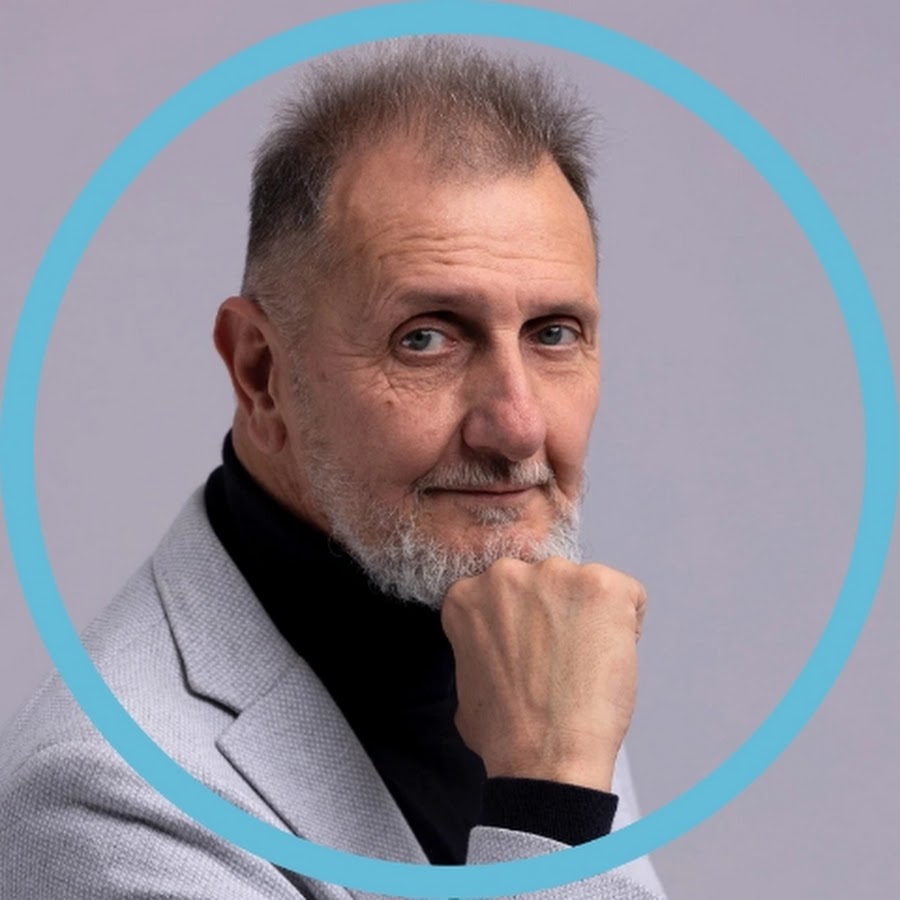
Hubert Czerniak
Obejrzyj na YouTube Dodaj do czatu Moje zakładki← Wszystkie źródła

TL;DR

Cztery rzeczy, które stracisz, jeśli nie obejrzysz

4 elementów

TL;DR

Cztery rzeczy, które stracisz, jeśli nie obejrzysz

4 elementów
1

Hubert Czerniak argues that sulfur compounds (MSM, glutathione, taurine, chondroitin, etc.) form a crucial antioxidant network that works synergistically with vitamin C, each tackling different free radicals. He emphasizes evolutionary adaptation to sulfur-rich volcanic environments as the basis for human need.

2

He now recommends vitamin D3 blood levels above 200 ng/mL for everyone, up to 600 ng/mL for neurological conditions, contradicting standard guidelines, and advises taking it with vitamin A (50–100% more) and K2.

3

A comprehensive sulfur supplement protocol should include MSM (5–10 g/day), glucosamine, chondroitin, NAC, along with minerals (boron, silica, selenium, molybdenum, manganese), vitamin C, biotin, and anti-inflammatory herbs (cinnamon, ginger, curcumin). He directs listeners to his online store for such a product.

4

He promotes the historical novel 'Sydonia' by Elżbieta Cherezińska as a lens on witch hunts during the Maunder Minimum, suggesting rulers used scapegoating to distract from famine.

Protokoły

Konkretne przepisy — co, kiedy, ile i dlaczego

8 elementów

MSM (methylsulfonylmethane) anti-aging protocol

CoTake 5–10 grams of MSM daily for 5–6 weeks to reduce wrinkles and improve hair condition.
KiedyDaily, duration 5–6 weeks; not tied to a specific meal.
Dawka5–10 g per day for 5–6 weeks.
Dla kogoAdults seeking anti-aging effects on skin and hair (speaker’s anecdotal experience).
DlaczegoMSM provides bioavailable sulfur that replenishes interstitial matrix water-binding capacity, restoring tissue hydration lost with age (sulfur normally binds water; with aging, excess protons block sulfur-water binding).
ZastrzeżeniaNo toxicity mentioned, but he distinguishes MSM from DMSO by noting MSM does not cause foul odor. Very high doses may be needed for effect.

Czerniak explains that aging is fundamentally a loss of water from tissues. Sulfur compounds in the extracellular matrix normally attract and hold water. Over time, the body dumps excess protons into the interstitial space, protonating sulfate groups and breaking hydrogen bonds with water. By supplying a large pool of methylsulfonylmethane, the body can repair sulfated glycoforms, rehydrate tissues, and visibly reduce wrinkles and brittleness of hair. He warns that single low doses (1–3 g) are insufficient; his personal experience and literature suggest 5–10 g over nearly two months to see results. This is part of a broader sulfur-repletion strategy that also includes chondroitin, glucosamine, NAC, and mineral cofactors.

Mechanizm

Sulfur in proteoglycans binds water via negative charge. Age-related accumulation of metabolic acids (protons) displaces water from sulfate groups, leading to tissue dehydration and wrinkles. MSM donates sulfur to restore hydration capacity.

Osobiste doświadczenie

The speaker says: 'sam gdy zacząłem powiem brać MSM ... zobaczycie że zmarszczki się zmniejszą stan włosów się poprawie' (When I started taking MSM ... you will see wrinkles diminish, hair condition improve).

MSM pomaga jeżeli przyjmujecie to dłuższy czas Czyli tak 56 tygodni nawet do 10 g dziennie zobaczycie że zmarszczki się zmniejszą stan włosów się poprawie

Powiedział też
“Starzenie polega na tym że ubywa nam wody w tkankach A dlaczego ubywa wody bowiem normalnie Związki siarki które są w przestrzeni międzykomórkowej ... Rik nadmiar protonów to człowiek się ratuje i rzuca do najmniej potrzebnej struktury A więc do substancji międzykomórkowej i te wolne protony łącząc się z siarką uniemożliwiają te tej siarce łączenie się z wodą”— Explains the aging mechanism as sulfur-related water loss.

Taurine timed for calm focus, not at night

CoSupplement taurine during the day to reduce hyperarousal, increase focus, and support cardiovascular function; avoid evening dosing due to interference with sleep onset.
KiedyMorning or daytime; not in the evening.
DawkaNo specific dose given; standard supplemental ranges (implied hundreds of milligrams).
Dla kogoPeople with ADHD, hyperactivity, heart failure, or those needing daytime calm without drowsiness.
DlaczegoTaurine calms overexcited neurons and improves concentration but does not induce sleep; it can cause paradoxical insomnia if taken at night.
ZastrzeżeniaDo not take in the evening to avoid sleep problems. He mentions taurine is abundant in muscle and brain, so deficiency is likely on low-meat diets.

The speaker describes taurine as a tonic for the nervous system: it ‘tonizuje pracę mózgu ale zwiększa koncentrację’ (tones brain activity but increases concentration). Because it produces a relaxed yet alert state, he warns that taking it before bed will make you calm but unable to fall asleep – a classic GABAergic but wake-promoting effect. He notes that newborns have extremely high brain taurine until about 6 months, linking it to epigenetic brain maturation along with vitamin C. He also highlights its role in bile solubility (preventing gallstones) and recommends it for heart failure based on its calcium-regulating and vasodilatory properties. The population most in need are those on plant-based diets, as meat is the primary dietary source.

Mechanizm

Taurine is a sulfur-containing amino acid that modulates calcium handling in muscle and neurons, acts as a neurotransmitter agonist/neuromodulator, aids bile salt formation (taurocholic acid), and dilates blood vessels. Its calming effect is cortical but not hypnotic.

tauryny nie powinniśmy przyjmować wieczorem bo co prawda będziemy spokojniejsi ale będzie problem z zaśnięciem

Powiedział też
“tauryna ... bierze udział w tworzeniu żółci reguluje gospodarkę wapniem w mięśniach stosujemy ją przy niewydolności mięśnia sercowego”— Adds multi-system rationale.

Alpha-lipoic acid microdosing for chronic heavy metal detox

CoTake 10–15 mg of alpha-lipoic acid (ALA) every 3 hours for 2 weeks, then pause for 2 weeks to allow clearance, repeatedly; simultaneously use chlorella/spirulina as intestinal binder.
KiedyEvery 3 hours during 2-week cycles, with 2-week breaks.
Dawka10–15 mg every 3 hours for 2 weeks on, 2 weeks off. Do NOT use for acute poisoning.
Dla kogoPeople with chronic low-level heavy metal burdens, NOT acute metal intoxication.
DlaczegoALA crosses the blood-brain barrier and can mobilize mercury; pulsed low doses slowly pull metals out without overwhelming detox pathways, and the off period allows excretion and regeneration.
ZastrzeżeniaContraindicated in acute heavy metal poisoning – ALA can shuttle metals into the brain along the concentration gradient. In acute cases, use DMSA (dimercaptosuccinic acid) instead, which does not cross the BBB.

Czerniak warns that many people think alpha-lipoic acid is a universal safe detoxifier. He explains the duel strategy: for chronic accumulation, minute, frequent doses (every 3 hours) move tiny amounts of mercury, avoiding spikes. The 2-week break then lets the body’s glymphatic/biliary systems expel the chelated complexes. Chlorella or spirulina act as a ‘sponge’ in the gut to trap excreted metals and prevent reabsorption. He emphasizes the danger of acute poisoning: if someone has just been exposed to high mercury, ALA will bind it and, following the concentration gradient, carry it directly into the brain, worsening neurotoxicity. Instead, one must use DMSA, which stays in the bloodstream and is excreted without CNS access. This protocol reflects his clinical caution.

Mechanizm

ALA is a dithiol compound that chelates mercury, lead, etc. Due to its lipophilic nature, it penetrates the CNS and can remove metals there, but if blood levels are high, it can carry metals into the brain. Pulsing keeps blood metal concentrations low, and the 2-week break allows the brain’s own efflux mechanisms to clear what was mobilized.

kwas alfaliponowy ... ma zdolność przenikania bariery krew mózg więc jeżeli coś stamtąd wyciągnie to później trzeba dać dwa tygodnie na oczyszczanie się i znowu coś wyciągnie i znowu oczyszczanie

Powiedział też
“jeżeli natomiast mamy problem zatrucia czymś świeżo to kwasu alfalipon nie ruszamy bowiem metale ciężkie zwykle przenikają szczególnie rtęć zgodnie z gradientem to byśmy jeszcze napali kwasem alfaliponowy do mózgu tej toksyny”— Crucial safety caveat about acute exposure.
“wtedy należy stosować inny związek siarki kwas dimerkaptobursztynowy [DMSA] on nie przenika bariery krew mózg”— Specifies alternative for zero-CNS risk.

Silica water for aluminum detox and collagen stability

CoBoil horsetail (Equisetum) and/or stinging nettle (Urtica dioica) for 1–2 hours to extract silica; drink regularly.
KiedySeasonally (nettle in May) or year-round; as a daily beverage.
DawkaUnspecified quantity; long-term regular consumption.
Dla kogoAnyone with suspected aluminum toxicity, or as general connective tissue support.
DlaczegoSilica (silicon) binds aluminum in the gut and tissues, preventing its absorption and aiding excretion; silica also cross-links and stabilizes collagen structures built by vitamin C and sulfur.
ZastrzeżeniaMust be boiled for a long time to extract sufficient orthosilicic acid; hot water infusion alone may be insufficient.

Czerniak mentions the emerging evidence of aluminum’s role in neurodegeneration, noting that glyphosate acts as a ‘cloaking agent’ allowing aluminum past tight junctions. The traditional remedy of horsetail/nettle tea is his recommended source of silicon. He stresses that the herbs must be simmered for an hour or two, not simply steeped, to release silica. This dovetails with his broader connective tissue protocol: sulfur compounds build the matrix, vitamin C hydroxylates collagen, and silica stabilizes it. He encourages harvesting fresh nettles in May as a seasonal practice.

Mechanizm

Soluble orthosilicic acid complexes with Al³⁺ in the gastrointestinal tract, forming non-absorbable aluminosilicate. Systemically, silica acts as a structure-stabilizing agent for collagen fibrils, reinforcing cross-links.

żeby związać toksyny głównie aluminium to musimy też wypijać sporo krzemu wywar wywar z krzemu czyli gotowany godzinę dwie skrzyp pokrzywa niedługo będzie maj to przypominam o tym żeby zbierać pokrzywy i ważyć

Powiedział też
“krzem jak gdyby stabilizuje to co zostanie stworzone wcześniej przez kolagen w stawach”— Direct role of silicon in joint integrity.

Collagen as glycine source for glutathione synthesis

CoConsume collagen (best from fish, then bovine/calf) daily to supply glycine for glutathione production; use bone broth or collagen hydrolysate.
KiedyDaily, ideally as a long-term habit; switch to fish collagen if joint degeneration is present.
DawkaNot specified; sufficient to supply glycine (~10–15 g collagen/day would provide several grams of glycine).
Dla kogoEveryone, especially those with joint issues or low glutathione status.
DlaczegoGlutathione (GSH) is composed of glutamate, cysteine, and glycine. Glycine is often the rate-limiting amino acid; collagen is the richest dietary source. This sustains intracellular antioxidant reserves.
ZastrzeżeniaFish collagen is more bioavailable than bovine or veal, especially for rebuilding damaged joints. Vegetarians cannot use this; alternatives would be glycine powder.

The speaker frames collagen intake as ancestral: early humans ate the entire animal, including skin, tendons, bones. He mentions that ‘zupy mocy’ (bone broth) are nothing new – they are the slow-cooked bones that extract marrow and connective tissue. He argues that modern diets lack sufficient collagen, impairing glutathione synthesis. Together with cysteine donors (NAC, MSM) and vitamin C, glycine completes the tripeptide. He counsels that those already with osteoarthritis should start with fish collagen for maximum absorbability, while healthy individuals can use any animal source for prevention.

Mechanizm

Collagen peptides are digested into amino acids, especially glycine and proline. Glycine enters the glutathione synthesis pathway along with cysteine (from NAC/MSM/diet) and glutamate (abundant). This supports the constant regeneration of GSH in the cytoplasm.

Glutation jest stworzony jakby z trzech elementów ... drugi to na acetyl cysteina ... i glukozamina ... natomiast skąd dostarczyć glicynę glicynę to najprościej dać kolagen

Powiedział też
“jeżeli jesteśmy zdrowi to profilaktykę możemy prowadzić wcześniej obecnie są modne zupy mocy ale to jest nic innego jak to co człowiek pierwotny zjadał”— Links collagen to ancestral eating patterns.

Full-spectrum sulfur supplement cocktail

CoCombine MSM, chondroitin sulfate, glucosamine, methionine, cysteine (or NAC), cinnamon, ginger, curcumin, minerals (manganese, molybdenum, selenium, boron, silicon), vitamin C, and biotin; optionally add a sweetener that is not sugar.
KiedyDaily as a comprehensive connective-tissue and antioxidant support.
DawkaNot specified beyond individual MSM dose and general encouragement to consume all sulfur-related compounds.
Dla kogoAdults seeking systemic regeneration, joint health, anti-aging.
DlaczegoNo single sulfur compound covers all functions (antioxidant, structural, detox); a broad mixture mimics the evolutionary input from a sulfur-rich diet.
ZastrzeżeniaMust ensure adequate mineral cofactors; boron is essential but restricted in some jurisdictions (Australia), so alternative sources like borax may not be permitted. The speaker recommends his own store’s product.

The speaker critiques modern agriculture and food processing for depleting sulfur from our diet, making supplementation necessary. He advocates a shotgun approach: rather than single isolates, take everything that an ancestral sulfur-rich environment would have provided. He explicitly describes a supplement formula that contains all these ingredients, stating it should be sweetened without sugar, and directs listeners to his online shop. He also notes that boron, while banned in high doses in some countries, is necessary and must be included in trace amounts. The overall message: sulfur metabolism is a web, not a single thread.

Mechanizm

Each component targets a different pathway: MSM provides methyl-sulfur groups for transsulfuration, chondroitin/glucosamine are substrates for joint proteoglycans, NAC is a cysteine pro-drug for glutathione synthesis, cinnamon/ginger/curcumin are anti-inflammatory and antioxidant, minerals are cofactors for sulfur metabolism enzymes (Mo for sulfite oxidase, Mn for glycosyltransferases, Se for glutathione peroxidase, B for bone and hormone regulation, Si for collagen stability). Vitamin C regenerates oxidized glutathione and is essential for collagen hydroxylation.

do tego dobrze by było dodać kurkumę która jest też antyoksydantem dość ciekawym ... oprócz tego tam należałoby minerały wrzucić jakieś mangan molibden Selen bor ... no i jeszcze jakby dorzucić tam biotynę ... no to ma cały komplet

Powiedział też
“jeżeli chcemy prowadzić prawidłowo gospodarkę siarką to musimy dać naszemu organizmowi cały wachlarz różn[y związków]”— Summarizes the multi-compound necessity.

Vitamin D3 cofactor protocol for high-dose target

CoTo safely achieve serum 25(OH)D3 above 200 ng/mL, take vitamin D3 together with vitamin A (50–100% more than D3 amount), vitamin K2, and maintain adequate magnesium; avoid vitamin D3 alone.
KiedyDaily with meals containing fat.
DawkaNo precise IU given; tailored to reach >200 ng/mL. Vitamin A dose should be 50–100% of D3 dose.
Dla kogoAnyone aiming for supranormal vitamin D status, especially those with metabolic, autoimmune, or neurological conditions.
DlaczegoVitamins A, D, and K2 work synergistically; A prevents D toxicity and supports gene expression, K2 directs calcium, preventing hypercalcemia. High D3 without partners is dangerous.
ZastrzeżeniaCalcium and magnesium status must be maintained. Sun exposure and co-factor balance are mandatory. The speaker warns never to take vitamin D3 alone at these doses.

This protocol backs his new ultra-high D3 target. He reminds that his store’s formula includes ADEK complex. Evolutionary reasoning: the Rift Valley provided both high UVB and sulfur, so our bodies expect a constant high turnover of vitamin D. He references that even among Masai, the average 104 ng/mL was without supplementation, suggesting that modern humans are chronically low. He strongly advises getting blood tests to verify and adjust.

Mechanizm

Vitamin A (retinol) and D3 are both nuclear hormone receptors that dimerize RXR-RAR/RXR-VDR; excess D3 without A can cause imbalanced gene transcription. K2 activates matrix Gla protein and osteocalcin, preventing arterial calcification. Magnesium is a cofactor for all vitamin D hydroxylation steps.

nie wolno samej witaminy D3 brać kompleks to Adek a witaminy A ma być 50 100% więcej niż witaminy D3

Powiedział też
“jeszcze nie spotkałem się z toksycznym poziomem witaminy D3 rekordzista Mia 100 N r”— Anecdotal safety claim.

High-dose vitamin B6 for homocysteine in sulfur cycle defects

CoIn cases of MTHFR or CBS mutations causing elevated homocysteine, consider up to 500 mg vitamin B6 daily to drive the transsulfuration pathway.
KiedyDaily, presumably long-term.
DawkaUp to 500 mg/day.
Dla kogoIndividuals with known genetic polymorphisms in methylation/sulfur pathways (MTHFR, CBS) and high homocysteine.
DlaczegoB6 is a cofactor for cystathionine β-synthase (CBS) and cystathionase, which convert homocysteine to cysteine. High-dose B6 can overcome genetic enzyme inefficiencies.
ZastrzeżeniaSuch high doses of B6 can cause peripheral neuropathy; medical supervision advised. He does not mention this risk.

The speaker highlights that sulfur metabolism is interwoven with methylation. Metionina → homocysteine, and if the remethylation cycle (MTHFR) or transsulfuration pathway (CBS) is impaired, homocysteine builds up, damaging the endothelium. He cites the need for very high B6 doses (500 mg) in people with certain mutations, a practice common in functional medicine but controversial. He does not discuss potential toxicity, and frames this as part of the holistic sulfur management: together with adequate betaine, methyl donors, and sulfur supply.

Mechanizm

CBS enzyme uses pyridoxal phosphate (B6) to combine homocysteine with serine to form cystathionine, which is then cleaved to cysteine. If enzyme affinity is reduced by mutation, saturating cofactor can partially restore flux.

jeżeli mamy niedobór Bet cysty takiego enzymu są takie mutacje musimy dać bardzo dużo dawkę witaminy B6 nawet 500 mg

Co nowego

Zmiany w osobistej praktyce, świeże stanowiska, prognozy

4 elementów

Radically higher vitamin D3 targets

The speaker now advocates for vitamin D3 25(OH)D levels above 200 ng/mL for healthy adults, with even higher thresholds for specific conditions (400+ for metabolic/exam stress, 600+ for neurological issues, 800+ in autism), a major shift from his previous 100–200 ng/mL stance and from conventional medicine (30–100 ng/mL).

Dlaczego to ważne: He publicly corrects his earlier recommendation based on new clinical observations and Masai data, emphasizing the lack of toxicity even at extreme levels when cofactors are present.

Kontekst

Previously he advised levels around 100–200 ng/mL. Standard guidelines suggest sufficiency at 30–50 ng/mL, with toxicity concerns above 150 ng/mL. His new view aligns with an evolutionary perspective that humans evolved in high-sun, high-sulfur environments near the Rift Valley.

The speaker cites the Garland brothers’ landmark paper on vitamin D and cancer prevention, which showed a north-south gradient in colon cancer incidence. He then notes that when the Garlands studied the Masai, their average 25(OH)D was 104 ng/mL, implying that ‘normal’ human levels are much higher than Western norms. Anecdotally, he reports that autistic children became more communicative at 800 ng/mL than at 600 ng/mL, and that he has never seen toxicity even at 1000 ng/mL. He stresses that vitamin D3 should never be taken in isolation but always as part of the ADEK complex, with vitamin A at 50–100% of the D3 dose. The underlying reasoning ties back to the Rift Valley origin: just as early humans needed a metabolism primed with sulfur, they also needed robust vitamin D synthesis. Therefore, modern indoor lifestyles and fear of sun or high-dose supplementation are misaligned with our biology.

Osobiste doświadczenie

The speaker explicitly states: 'Myliłem się obecnie uważam że poziom który powinniśmy mieć powinien być powyżej 200' (I was wrong; now I think we should have levels above 200). He also shares observations from his own practice/reports of children with autism and no toxicity cases.

obecnie uważam że poziom który powinniśmy mieć powinien być powyżej 200 natomiast jeżeli ktoś ma jakieś choroby metaboliczne ewentualnie szykuje się do sesji egzaminacyjnej powinien wejść na poziom powyżej 400 Jeżeli ktoś ma problemy neurologiczne jak SM Parkinson i ty 600

Powiedział też
“najniższy poziom przy którym Jakkolwiek może człowiek pracować funkcjonować witaminy D3 to 60 nanogram na ml ale jak robił badanie wśród masajów to wyszło że średni poziom u masajów to jest 104 nanog na ml”— Cites Masai data as biological baseline for safe and functional vitamin D levels.
“dzieci autystyczne gdy miały 800 to były bardziej komunikatywne niż gdy miały 600”— Anecdotal clinical endpoint for ultra-high dosing.

Cyanide as an essential hormetic compound (amygdalin from seeds)

The speaker argues that small amounts of cyanide from amygdalin in fruit seeds are physiologically necessary, serving as a hormetic trigger and oral antimicrobial, and that humans have a built-in cyanide-buffering system via methemoglobin and the sulfur-dependent enzyme rhodanese.

Dlaczego to ważne: This directly contradicts mainstream toxicology, which treats cyanide as purely lethal, and frames amygdalin (laetrile) not as dangerous quackery but as an ancestral dietary component.

Kontekst

Amygdalin in bitter seeds (apricot kernels, etc.) is generally considered a cyanogenic glycoside to be avoided. The speaker revives an old biochemical view from Harper’s textbook that methemoglobin (ferric hemoglobin) acts as a cyanide sink, protecting cytochrome c oxidase.

The speaker describes monkeys that crack open pits and eat the seeds, living longer and healthier. He attributes this to amygdalin, which in small doses kills pathogenic mouth bacteria while leaving commensals unharmed. He then explains the human cyanide detoxification pathway: normally about 3% of hemoglobin is oxidized to methemoglobin, which does not carry oxygen but has a high affinity for cyanide, binding it more tightly than cytochrome C. This prevents mitochondrial poisoning. When the threat passes, an enzyme system requiring NADH, vitamin C, and glutathione (the ‘rhodanese’ pathway) converts cyanide to thiocyanate, which is excreted in urine. He laments that modern textbooks no longer teach this detoxification role, but it is a legacy of our evolutionary home in the volcanically active Rift Valley, where hydrogen cyanide was present. In this view, cyanide becomes a hormetic stressor that keeps detox systems primed.

w pestkach jest amigdalina amigdalina pod wpływem pewnych enzymów rozkładających powoduje rozłożenie amigdaliny na dwie cząstki glukozy benzaldehyd i CJ w małej ilości jest nam potrzebny dlaczego Bo zabija nadmiar bakterii w jamie ustnej

Powiedział też
“człowiek produkuje około 3 PR methemoglobiny ... methemoglobina ma jedną cechę wiąże się z cyjankami silniej niż cytochrom C”— Shows built-in buffer capacity for cyanide.
“reduktaza przy pomocy n wiam c i glutu rozkłada CJ hemoglobinę do funkcji hemoglobinowy i rodnika rodankowy siu idzie do moczu”— Details the role of vitamin C and glutathione in recycling hemoglobin.

Antioxidant division of labor between vitamin C and sulfur compounds

The speaker presents a detailed biochemical hierarchy: vitamin C and sulfur compounds (glutathione) handle different reactive species with differing efficiencies – vitamin C dominates against singlet oxygen and superoxide, while sulfur/thiols dominate against lipid peroxidation products; glutathione peroxidase is 2000× more active than vitamin C against H₂O₂.

Dlaczego to ważne: This goes beyond the common ‘antioxidant’ generalization and provides specific molecular reasons why both vitamin C and sulfur compounds are necessary, not interchangeable.

Kontekst

Many popular narratives treat vitamin C as the universal antioxidant. Czerniak counters that evolution crafted a multi-pronged defense because our volcanic birthplace exposed us to diverse oxidants.

Czerniak traces this division back to the Rift Valley, where volcanic outgassing created a chemical soup including sulfur compounds, cyanide, and heavy metals. To survive, early life forms and humans developed an elaborate antioxidant network. He cites specific radical types: hydroxyl (•OH) is neutralized similarly by vitamin C and sulfur compounds; singlet oxygen (¹O₂) or superoxide anion radical – vitamin C is up to 100-fold more effective; unsaturated fat peroxidation products like acrolein and aldehydes – sulfur compounds (glutathione) dominate; hydrogen peroxide (H₂O₂) – neither vitamin C nor glutathione alone do much, but glutathione as the cofactor for glutathione peroxidase becomes 2000 times more active. Thus, a deficiency in dietary sulfur leaves the body vulnerable to lipid-derived oxidative damage, even with abundant vitamin C. This explains why diets rich in sulfur-containing foods (eggs, cruciferous vegetables, meat) and supplements like NAC, MSM, and glutathione precursors are essential for full antioxidant protection.

jeżeli mamy rodniki związane z utlenianiem tłuszczów czyli na przykład akroleina aldehydy tłuszczowe to tutaj znowu zdecydowanie dominują związki siarkowe GL tutaj dominuje a jeżeli mamy peroksydazy czyli nadtlenek wodoru ... Glutation jako kofaktor peroksydazy glutationowej 2000 razy aktywniejszy jest niż witamina C

Powiedział też
“jeżeli weźmiemy na przykład likwidację rodnika hydroksylowe Oh to witamina C i Związki siarki są w miarę podobne”— Shows where they are interchangeable.
“tlen singletowy czy anionorodnik ponadtlenkowy tutaj witamina C dominuje stukrotnie ponad nad substancjami siarkowymi nad glutationem”— Illustrates vitamin C’s superiority for certain radicals.

Sulfate forms of cholesterol and vitamin D sustain endothelial glycocalyx

He integrates Stephanie Seneff’s hypothesis that cholesterol sulfate and vitamin D3 sulfate are water-soluble, circulate freely, and donate sulfate to the endothelial glycocalyx, alongside vitamin C’s role in maintaining endothelial integrity, making both essential for preventing cardiovascular disease.

Dlaczego to ważne: This offers a unified mechanism linking sulfur metabolism, vitamin D, and cardiovascular health, challenging the ‘cholesterol as villain’ narrative by highlighting structural roles of sulfated sterols.

Kontekst

Conventional medicine focuses on lowering LDL-cholesterol and clotting. Seneff proposes that sulfate deficiency in the glycocalyx leads to sticky endothelium, thrombosis, and atherosclerosis. Czerniak marries this with earlier Polish research (Instytut Rata) on vitamin C and arterial smoothness.

Czerniak references Dr. Stefania Seneff’s AI-assisted discovery that aluminum bypasses the gut barrier by hiding under a glyphosate cap, and that cholesterol sulfate and vitamin D sulfate are key for the glycocalyx – the slippery, negatively charged layer lining blood vessels and the gut. When the glycocalyx is intact, blood flows smoothly and nothing adheres. Damage to it (from lack of sulfate, vitamin C deficiency, glyphosate, aluminum) slows flow and triggers thrombosis. He then recalls a lecture by Dr. Niedźwiedzki from the Rata Institute demonstrating that vitamin C deficiency creates chaotic endothelial architecture. Thus, both vitamin C and sulfur-providing compounds (from sulfated sterols and dietary sulfur) are non-negotiable for endothelial health. He suggests that combining vitamin C with sulfur compounds (MSM, glutathione, sulfur foods) and vitamin D3 sulfate should be standard in ischemic heart disease, not just pharmaceuticals.

te związki witaminy D3 i cholesterolu związków siarkowych dostarczają siarkę endotelium i tworzą tam glikokaliks Czyli taką substancję która daje ślisk po tętnicach

Powiedział też
“Gdy mamy zaburzenie struktury glikokaliksu wtedy elementy przylegać zaczynają bo nie ma takiego dużego ładunku elektrycznego ujemnego nie odpychają się od czynników morfotycznych”— Explains physical consequence of sulfate deficiency.
“brak witaminy C powodował że śródbłonek był bardzo chaotycznie zbudowany a podanie witaminy C ó wielowarstwowy”— Adds vitamin C dimension to endothelial integrity.

Rekomendacje

Produkty, suplementy i narzędzia wymienione w odcinku

1 element

Sydonia by Elżbieta Cherezińska

Książka

The speaker strongly recommends the historical novel 'Sydonia', which is set in the Baltic region (Gdańsk, Kołobrzeg, Szczecin) during the witch-burning era. He connects the novel’s setting to the Maunder Minimum – a period of intense cold when the Baltic froze over – and suggests that witch trials were orchestrated by rulers to distract populations from famine and hardship.

Czerniak draws a parallel between the climate crisis of the Little Ice Age and social scapegoating. He notes that the novel’s protagonist, Sydonia, was a wise woman, and he reflects on how societies have historically suppressed female independence and knowledge. He mentions that the book is also available as an audiobook. He appreciates Cherezińska’s storytelling (narrator Filip Kosior) and frames the recommendation as a lesson in history: when people are starving and crops fail, rulers can deflect blame by fabricating enemies – witches. The novel has profoundly changed his view on witch hunts. This is not a medical but a cultural/historical recommendation.

Osobiste doświadczenie

He says: 'Czytając tą książkę nagle zaczął zacząłem inaczej patrzeć na to palenie czarownic' (Reading this book made me see witch-burning differently).

Czy wiecie że to palenie zaczęło się gdy w Europie na świecie było minimum mandera ... podejrzewam że była to próba odwrócenia uwagi od głodu i biedy

Powiedział też
“wtedy była rola kobiet dzięki Bogu to już się troszeczkę zaczęło zmieniać i tutaj znowu czyta Filip Kosior Elżbieta Cherezińska kolejną wspaniałą książkę napisała”— Praises the author and narrator.
Znajdź Sydonia
Ujawnione sponsorowanie1ujawnione przez prowadzącego

Kompleks siarkowy (all-in-one sulfur formula dostępny w sklepie medium.pl)

Produkt Sponsorowane · ujawnione

After detailing the necessity of combining multiple sulfur compounds and cofactors, Czerniak says his store offers a ready-made supplement that includes MSM, chondroitin, glucosamine, methionine, cysteine, NAC, cinnamon, ginger, curcumin, minerals (Mn, Mo, Se, B, Si), vitamin C, biotin, and a sugar-free sweetener, essentially a ‘full kit’ for sulfur metabolism.

UjawnienieSpeaker directs listeners to his own online store: 'zapraszam was do sklepu medium na dz i co TR do zobaczenia'. The exact product is a custom blend containing all discussed ingredients.

Rather than expecting consumers to source a dozen separate raw ingredients, the speaker has created a single product that mirrors the ancestral sulfur richness. He argues that modern soil depletion, food processing, and dietary dogma (vegan, low-fat) create widespread sulfur deficiency, making such a supplement all but necessary. He distinguishes between MSM alone (which he also recommends) and this comprehensive blend, implying the blend is for daily maintenance while isolated high-dose MSM is for therapeutic tissue repair. The store mention comes at the end of the episode, indicating a commercial intent.

vs alternatywy

Alternative would be buying individual supplements: MSM powder, glucosamine/chondroitin tablets, NAC capsules, mineral complexes, and fresh herbs – laborious and costly. The speaker’s product is positioned as a convenient, synergistically formulated replacement.

zapraszam was do sklepu medium na dz i co TR do zobaczenia

Znajdź Kompleks

Cytaty warte uwagi

Frazy warte wyciągnięcia — kontrariańskie, konkretne lub doskonale sformułowane

6 elementów
Glutation jako kofaktor peroksydazy glutationowej 2000 razy aktywniejszy jest niż witamina C
Quantifies why glutathione is irreplaceable, defying the notion that vitamin C is the ultimate antioxidant.
obecnie uważam że poziom który powinniśmy mieć powinien być powyżej 200 ... Jeżeli ktoś ma problemy neurologiczne jak SM Parkinson i ty 600
Extreme and public reversal on vitamin D target, challenging medical consensus.
Czy spotkał ktoś rasowego Hindusa żeby miał nowotwór przewodu pokarmowego bo ten antyoksydant ich Zabezpiecza
Provocative, oversimplified anthropological claim linking curcumin to cancer absence.
chlor to straszliwy gaz ... sód to taki pierwiastek straszliwie aktywny ... a połączenie tych dwch substancji to jest cholernie toksyczna rzecz NaCl sól kuchenna
Memorable analogy to challenge binary thinking about toxins (cyanide) – context is everything.
jeżeli mamy problem zatrucia czymś świeżo to kwasu alfalipon nie ruszamy bo ... byśmy jeszcze napali kwasem alfaliponowy do mózgu tej toksyny
Clear, life-critical warning that a popular supplement can worsen acute poisoning.
wszystkie te czynniki należałoby stosować przy chorobie niedokrwiennej serca bowiem nie tylko witamina C ale i Związki siarki przeróżne Związki siarki powinny tutaj nam wspomagać działanie
Integrates vitamin C and sulfur into a novel heart disease protocol, moving beyond statins.

Sign in to share feedback

Tell us if this brief hit the mark or missed it — feedback feeds back into the next iteration of the prompt.

Poruszone tematy

sulfur-evolutionmsm-dosagevitamin-d-targetsglutathione-antioxidant-specificitytaurine-benefitscyanide-hormesisglycocalyx-sulfateheavy-metal-detoxcollagen-glutathionesilica-waterdietary-sulfur-deficiencybook-recommendation-sydonia
Free account

Make this library yours

Reading is free for everyone. A free account adds the personal layer: save protocols, follow experts, and see how the other experts weigh in on this same topic.

Create a free accountSign in

Where the experts disagree — weekly

One email a week: the sharpest new disagreements and protocols from the library. No spam, unsubscribe anytime.

Educational summary of the cited expert source — not medical advice. Open the source recording linked above and consult a qualified physician before acting on any protocol.