UNFUCG
DashboardSearchChatBookmarksNotificationsActivityPremiumProfile
?
Home
Search
Chat
Saved
Profile
Episode
5 Kinds of Fasting for Different Benefits - Gut Health, Fat Loss, Brain Health & Insulin Resistance
~63 min
Episode Brief·YouTube

5 Kinds of Fasting for Different Benefits - Gut Health, Fat Loss, Brain Health & Insulin Resistance

Thomas DeLauer
Watch on YouTube Add to chat My bookmarks← All sources

TL;DR

The four things you'd lose by not watching

4 items

TL;DR

The four things you'd lose by not watching

4 items
1

Thomas DeLauer details five distinct fasting protocols for different goals: fat fasts (FMD/MCT) for cellular autophagy without extreme deficit, sugar fasts that spike FGF-21 to rev metabolism, bone broth fasts to protect the gut lining, protein-sparing modified fasts for rapid shredding, and dry fasting that creates metabolic water but requires caution.

2

He personally does occasional fat fasts with MCT oil or macadamia nuts to obtain longevity benefits while preserving muscle mass, and relies on bone broth fasts to manage lifelong IBS-related gut issues.

3

Sugar fasting is currently trending online but is historically rooted in juice fasting; it works by elevating FGF-21 to boost metabolic rate and thermogenesis, yet is not suitable for everyone, especially those with severe insulin resistance or type 1 diabetes.

4

Electrolytes are critical during any extended fast; DeLauer recommends Element sparkling electrolyte drinks (1000 mg sodium, 200 mg potassium, 60 mg magnesium per can), which he has used for 6–7 years, and notes methylene blue paired with a water fast can enhance mitochondrial energy production.

Protocols

Concrete recipes — what, when, how much, and why

6 items

MCT/FMD Fat Fast

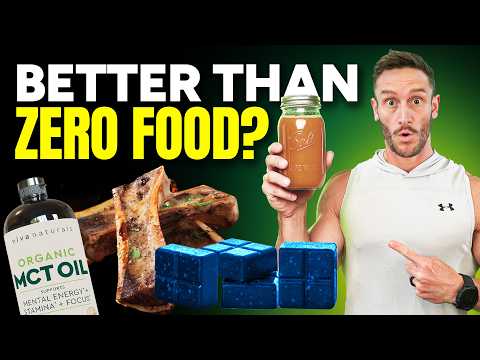
WhatConsume only fat (MCT oil, macadamia nuts) or a high-fat, very-low-protein diet while still drinking water, coffee, tea, and electrolytes for 2–3 days to mimic the cellular effects of fasting without a severe caloric deficit.
WhenWhen you want autophagy, telomere, and longevity benefits but need to avoid extreme calorie restriction (e.g., to maintain muscle mass). Not for fat loss.
Dose2–3 days, keeping fat intake high and fiber low. MCT oil can be used if tolerated; macadamia nuts are an alternative.
For whomIndividuals seeking cellular and cognitive benefits from fasting who want to avoid muscle loss or extreme hunger; DeLauer uses it personally as a former 300 lb person concerned about muscle maintenance.
WhyElevates ketones and keeps insulin low while restricting protein, triggering autophagy and stem cell renewal (similar to Valter Longo's FMD), without the catabolic stress of a full fast.
CaveatsNot designed for fat loss; may cause digestive upset with MCT oil; does not deliver the same metabolic impact as a true water fast. Must still hydrate with electrolytes.

DeLauer reintroduces the concept of fat fasting, which he hadn't discussed in years, blending the older MCT oil fast with Valter Longo's fasting-mimicking diet (FMD). The central idea is to achieve key benefits of fasting—autophagy, telomere lengthening, stem cell regeneration—without entering the extreme energy deficit that comes with pure water fasting. This appeals to people who have lost significant weight and fear losing muscle, like DeLauer himself. He is careful not to claim it outperforms a real fast; instead, he positions it as a strategic tool. The protocol is straightforward: maintain all the usual fasting liquids (water, black coffee, tea, electrolytes) but add pure fats while restricting protein and fiber to keep insulin levels rock-bottom. The fat keeps ketones elevated, providing brain fuel and a sense of energy. He warns that it's not a fat loss strategy—it's about cellular housekeeping. The psychological benefit of sipping MCT oil or eating a few macadamia nuts can make extended fast-like periods more sustainable for those who struggle with complete abstention.

Mechanism

By cutting protein and carbohydrate, the body remains in a low-insulin state that signals autophagy. The high fat intake raises ketones, which mimic the metabolic state of fasting and fuel the brain. Longo's research shows that extreme protein restriction combined with high fat can activate the same regeneration pathways seen in prolonged water-only fasts. The absence of insulin spikes and mTOR activation keeps cellular cleanup processes online while the small caloric cushion from fat prevents the body from entering a high-stress energy deficit.

Personal experience

DeLauer explains he was 300 lbs and lost 100 lbs. He says if he relied only on long water fasts, he'd struggle to maintain muscle mass. To get the cellular longevity benefits without that conflict, he does occasional fat fasts with MCT oil or macadamia nuts.

So for me, I do occasional fat fasts or MCT oil fasts. And that's just where I am still trying to get the telomere benefit, the autophagy benefit, and some of the potential longevity benefit, but without putting myself into this extreme deficit where I'm trying to necessarily lose fat.

Also said
“Dr. Walter Longo has made this very evident in his work, right?”— Grounds the protocol in Longo's fasting-mimicking diet research.
“I'm not suggesting that it works better than a fast.”— Clarifies he isn't claiming superiority over true fasting.

Sugar Fast

WhatFor 24–48 hours, consume only high-carbohydrate sources (fruit juice, sucrose, fruit) while eliminating fat and protein completely, then break with lean protein and starch before slowly reintroducing fats.
WhenWhen looking to experimentally boost metabolism or force cellular glucose adaptation; however, it is not universally effective and is risky for certain metabolic conditions.
Dose24–48 hours, with 500–600 g of carbohydrates from sugar/fruit juice and virtually zero fat and protein.
For whomSome individuals (unknown phenotype) report feeling shredded and energetic; may briefly help those with mild insulin resistance, but contraindicated in type 1 diabetes and advanced insulin resistance.
WhyElevates FGF-21, which can increase metabolic rate and thermic heat expenditure, and may force insulin-resistant cells to relearn how to use glucose when no other fuel is available.
CaveatsNot for everyone; some people crash. Type 1 diabetics would die. Those with pathological insulin resistance will not respond. Social media representations misrepresent the real protocol. Breaking the fast poorly (e.g., with high fat) can backfire.

DeLauer acknowledges the social media frenzy around 'sugar fasting' but separates the noise from the underlying science. He traces its roots to juice fasts his mother practiced and references Ray Peat's high-carb, low-fat concepts. He explains that strict avoidance of fat and protein while flooding the system with sugar triggers a specific hormonal response: FGF-21 rises, ramping up metabolism and fat burning. There is also a logic of forcing cells to adapt to glucose when no other substrates are present, potentially restoring insulin sensitivity in some people. However, he is cautious, noting that the response is heterogeneous—some thrive, others crash. He warns that candy-gorging versions online are distortions; the real protocol is about pure fruit juice or sucrose without any fat or protein. He insists that if someone tries it, the refeed must begin with lean protein and starch, with fats added gradually over several days to avoid overwhelming a system that has downregulated fat metabolism. He is not endorsing it for everyone and wants viewers to self-identify whether they are a 'carb responder' or 'carb crasher.'

Mechanism

The fast elevates FGF-21, a hormone that increases metabolic rate, thermic heat expenditure, and fat oxidation. By removing fat and protein, the only fuel available is carbohydrates, which may force insulin-resistant cells to upregulate glucose transporters and improve glucose disposal. However, this mechanism fails in type 1 diabetics (no insulin) and in advanced insulin resistance where cells are pathologically unresponsive.

Personal experience

DeLauer says, 'I have done a sugar fast. I've definitely done them before. It's a real thing.' He remains non-committal about its general applicability.

If you drop fats to the floor, protein to the floor, the cell is eventually going to figure out how to use glucose.

Also said
“There's something called FGF-21 and it elevates after any prolonged fast. Evidently, according to the research, if you have sugar or fruit juice ... it elevates this FGF-21 compound in your body, which can increase the metabolic rate and it can increase thermic heat expenditure and you can actually burn a lot of fat.”— Outlines the primary metabolic driver behind the sugar fast.
“When you come back onto regular food, breaking that fast, you would want to keep it with lean protein and some starch. You are not going to break down fats as well as you might think you will. You need to give it a little time and ramp the fats up slowly.”— Critical refeeding instructions to avoid negative effects.

Bone Broth Fast

WhatConsume only water and bone broth (plus optional collagen) for up to 48 hours to support the gut mucosal layer while the gut undergoes fasting-induced regeneration.
WhenWhen you want targeted gut health benefits, especially if you suffer from IBS or a sensitive gut, and are willing to accept a mild metabolic break from a true fast.
DoseMaximum 48 hours; longer makes hunger harder and may lead to tissue breakdown due to incomplete protein sparing.
For whomIndividuals with gut issues (DeLauer cites his IBS) who want the gut-repairing effects of fasting without the risk of a damaged mucosal barrier upon refeeding.
WhyFasting naturally degrades the gut mucosal layer before rebuilding; adding bone broth provides gelatin and collagen that protect and support the mucosal lining during regeneration, preventing damage when food is reintroduced.
CaveatsTechnically breaks a fast (amino acids trigger mTOR), so metabolic and fat-loss benefits are reduced. The savory taste and amino acids increase hunger, making longer durations harder. DeLauer finds it more difficult than pure water fasting. Not recommended beyond 48 hours due to risk of muscle loss.

DeLauer credits bone broth fasting as the practice that first gave him a sense of control over his lifelong IBS. He explains that water fasting temporarily degrades the gut mucosal layer, which rebuilds when eating resumes. However, the transition back to food can undo some of that progress. By adding bone broth—rich in gelatin and collagen—you provide a physical layer of protection that supports the mucosal lining while the gut is in a regeneration state, essentially getting the 'best of both worlds.' He emphasizes that this fast is gut-centric, not designed for metabolic prowess; bone broth breaks a fast. He admits that from a hunger standpoint, pure water fasting is easier for him because the saltiness and satisfying mouthfeel of broth trigger a desire to eat. For safety, he caps the protocol at 48 hours because the small influx of amino acids is not enough to fully protein-spare the body, and muscle breakdown could occur if extended.

Mechanism

During fasting, the gut undergoes autophagy and stem cell regeneration, but the intestinal mucosal layer becomes thinner. Bone broth supplies glycine, proline, and collagen peptides that directly nourish and protect the gut lining. This helps maintain barrier integrity during the fast and reduces epithelial damage when food is reintroduced, potentially accelerating gut repair.

Personal experience

DeLauer says, 'I have been plagued with gut and digestive issues, irritable bowel syndrome for my entire life. And it was bone broth fasting that first taught me that I maybe had some control over this.'

With bone broth fasting you're giving a layer of protection on the gut which is going to make it so that when you do break your fast you don't damage the gut as much.

Also said
“Normally when you fast you break down your gut layer and you don't have anything in there to help support it. So the moment you bring food back in in some ways you kind of go back to square one.”— Highlights the problem that bone broth fast solves.
“The small amount of amino acids that are coming in are going to make you hungry. I find it easier to just flat out fast than it is to do a bone broth fast because once you're consuming something salty and savory ... it makes you want to eat.”— A practical caveat about hunger and compliance.

Protein Sparing Modified Fast

WhatEat only lean protein (chicken breast, etc.) with virtually no fat or carbohydrates for a maximum of 2 days to achieve extremely rapid fat loss while preserving muscle.
WhenDuring a cutting phase when you need to get exceptionally lean quickly.
Dose2 days at a time; keep protein as high as possible from lean sources, fat and carbs near zero.
For whomIndividuals with a bodybuilding or physique-oriented focus who want rapid shredding and can tolerate a very restrictive intake.
WhyBy eliminating fat and carbs, calories plummet while high protein intake protects lean tissue, creating a severe energy deficit that results in fast fat loss.
CaveatsCalories are extremely low; not sustainable beyond 2 days. Can be psychologically challenging. Often demonized by fasting purists who consider any food a break, but DeLauer notes that water fasting is also zero fat, making this akin to 'protein fasting.' Advanced users can cycle protein restriction to enhance sensitivity.

DeLauer presents protein sparing modified fasting (PSMF) as the most aggressive fat-loss method among the protocols. He frames it within the fasting community's sometimes contradictory view of low-fat diets: water fasting is inherently a zero-fat state, so a brief period of lean protein alone is conceptually similar—just with the addition of muscle-sparing amino acids. He compares it to 'protein fasting,' where you eat nothing but lean meat. The protocol was originally used in medical settings and bodybuilding. He cautions that it's meant only for short bursts because the calorie intake becomes dangerously low; pushing beyond 2 days could lead to hormonal disruptions. He alludes to a separate video where he discusses protein sensitivity cycling, implying that occasional protein restriction followed by PSMF could have an anabolic rebound effect.

Mechanism

Severe calorie restriction from near-zero fat and carb intake forces the body to oxidize stored fat for energy. The high protein supply, despite the low energy, spares lean muscle mass by providing amino acids for protein synthesis, preventing the muscle catabolism that can accompany plain water fasting.

Arguably the fastest way to get shredded.

Also said
“When you're fasting, you're eating no fat. So in this case, what you're doing is you're eating no fat, but you're just having protein in the equation. So consider it like protein fasting where you're just having nothing but protein.”— Frames PSMF in a fasting-compatible mindset.

Dry Fast

WhatAbstain from all food and water for short periods; the body creates metabolic water from fat burning to maintain hydration.
WhenOnly for very short stints (hours to perhaps a day) under supervised conditions if you are experienced; not for routine use.
DoseShort periods only; DeLauer does not prescribe a specific duration but references Ramadan (daylight hours) and warns against extremes.
For whomVery experienced fasters or those already accustomed to Ramadan-style dry fasts. He does not recommend it for the average person.
WhyFat cells release hydrogen that combines with inhaled oxygen to form molecular water, leading to faster autophagy and potentially rapid fat loss (anecdotally 1 dry day ≈ 3 water-fasting days).
CaveatsDehydration risk is real; can cause serious harm. He believes water fasting is safer for most. Supervision is critical. He personally questions if the benefits outweigh the risks for more than very brief periods.

DeLauer approaches dry fasting with more caution than any other protocol. While he acknowledges its effectiveness—citing the well-known anecdote that three days of water fasting is equivalent to one day of dry fasting—he repeatedly says he doesn't think people should push it that far. He explains the mechanism of endogenous water creation from fat metabolism as a fascinating biological adaptation, likely something our ancestors relied on when water was scarce. Still, he underscores that we live in a time when cellular hydration and electrolyte balance are paramount, and he would rather see people use water fasting with proper electrolyte support. He mentions the Ramadan practice as a culturally accepted short-term dry fast, but extreme versions like Dr. Filannov's multi-week dry fasts are not what he's endorsing. He closes by saying that while he's done it and found it effective, the 'juice isn't worth the squeeze' for most people.

Mechanism

When no exogenous water is consumed, the body oxidizes stored triglycerides. This process releases hydrogen atoms that combine with oxygen from breathing to create H₂O—molecular water. This effectively hydrates the body while accelerating fat utilization, which is why dry fasting reputedly yields faster results.

Personal experience

He says, 'I've done a couple dry fasts in my life. They are effective. I don't know if the juice is always worth the squeeze.' He does not detail the length of his own dry fasts.

The speculation, the anecdote is about one day of dry fasting is equal to about 3 days of regular fasting. I don't think that people should be pushing it that far.

Also said
“When you go without water, your fat cells actually release hydrogen and it combines with oxygen that you breathe and you actually create molecular water.”— Explains the counterintuitive hydration mechanism.
“I think realistically water fasting is probably a better way to go for most people unless you have an ability to be supervised or you're very experienced.”— His ultimate safety recommendation.

Methylene Blue Water Fast

WhatPair a standard water fast with methylene blue supplementation to enhance mitochondrial energy production and improve energy levels during the fast.
WhenDuring a water fast, if you want more cognitive and physical energy and better fuel utilization.
DoseNot specified; DeLauer references a separate detailed video.
For whomIntermediate and advanced fasters looking to mitigate fatigue and enhance mitochondrial efficiency. Not a first-line beginner addition.
WhyMethylene blue facilitates electron transport in the mitochondrial complexes, boosting ATP output, which means more energy during the fast and more efficient use of body fat.
CaveatsMethylene blue must be pharmaceutical grade; dosing matters; he urges viewers to watch his dedicated video for safe usage.

DeLauer touches on this bonus protocol because he believes there is a 'serious serious benefit' to pairing methylene blue with fasting. He explains that one of the challenges of fasting is reduced energy, but methylene blue directly supports the mitochondrial electron transport chain, making the body better at producing ATP from fat. This essentially turns up the cellular engine during a fast, potentially allowing for longer or more comfortable fasts. He doesn't go into detail here because he has a whole separate video on the topic, which he says he will link.

Mechanism

Methylene blue acts as an electron donor/acceptor in the mitochondrial electron transport chain, allowing more efficient passage of electrons through Complexes I-IV, resulting in increased ATP synthesis and reduced reactive oxygen species. During a fast, this can translate to sustained energy and enhanced fat oxidation.

Methylene blue actually aids in the mitochondrial function that we're looking to achieve with fasting. It allows electrons to actually pass through the various complexes in the mitochondria and get to the end result of producing ATP.

Also said
“I did a video on pairing methylene blue with fasting because I think there is a serious serious benefit there.”— Emphasizes that he has extensively covered this topic elsewhere and considers it highly impactful.

What's new

Personal practice updates, fresh positions, predictions

3 items

Fat Fast Resurgence

MCT oil/fat fasts are making a comeback as a way to gain autophagy, telomere, and longevity benefits without the extreme caloric deficit of pure water fasting.

Why this matters: DeLauer hasn't discussed fat fasts in years and now reveals he personally uses them to maintain muscle mass while still reaping cellular fasting benefits.

Background

MCT oil fasting was once popular to elevate ketones, and Valter Longo's fasting-mimicking diet (FMD) demonstrated that very high fat with extremely low protein can mimic fasting's effects on stem cells and autophagy.

DeLauer frames this as a tool for those who find prolonged water fasting too catabolic. He contrasts it with pure fasting: fat fasts are not designed for fat loss, but for the longevity and cellular cleanup mechanisms that come from low insulin, high ketones, and protein restriction. Citing Longo's work, he explains that a high-fat, low-protein approach keeps the body in a fasted-mimicking state without forcing a severe energy deficit. He says he uses them occasionally because, as someone who once weighed 300 lbs and lost 100 lbs, he worries about muscle loss from too much traditional fasting. While he admits the approach isn't superior to a full fast, he values the cognitive boost and the ability to still drink water, coffee, tea, and electrolytes while adding MCT oil or macadamia nuts. He emphasizes that the focus should be on pure fat, keeping fiber low to drive ketones up and insulin low.

Personal experience

DeLauer shares that he used to weigh 300 lbs and lost 100 lbs. He says if he continually did long water fasts, it would be hard to maintain muscle mass. Therefore, he now does occasional fat fasts or MCT oil fasts to get telomere, autophagy, and longevity benefits while avoiding an extreme deficit aimed at fat loss.

So for me, I do occasional fat fasts or MCT oil fasts. And that's just where I am still trying to get the telomere benefit, the autophagy benefit, and some of the potential longevity benefit, but without putting myself into this extreme deficit where I'm trying to necessarily lose fat.

Also said
“I used to be 300 lb. I lost 100 lbs. If I were to just continually do a lot of fasting, it would be hard for me to maintain muscle mass.”— Explains his personal motivation for avoiding prolonged extreme deficits.

Sugar Fast Trend

A high-carb, zero-fat, zero-protein fast (often from fruit juice or sucrose) is blowing up on social media, but DeLauer clarifies its real biological mechanism—via FGF-21 and forced glucose adaptation—and its historical roots in juice fasting.

Why this matters: The protocol is being misrepresented online (e.g., eating candy), yet DeLauer acknowledges it is a real physiological tool for some people, though not for everyone.

Background

Juice fasts and very low-fat, low-protein high-carb periods have existed for decades; Ray Peat's work explored high-carb, low-fat eating for certain metabolic conditions. Recently, figures like Mark Bell have joked about candy-based sugar fasts.

DeLauer says his mother did juice fasts when he was a kid, so the concept isn't new. The trend has returned, but he stresses that the real sugar fast involves consuming 500–600 grams of sugar from fruit, juice, or sucrose while dropping fats and protein to near zero. He points to research showing that such a fast elevates FGF-21, a compound that can increase metabolic rate and thermic energy expenditure, leading to fat burning. Additionally, forcing cells to rely solely on glucose may help some insulin-resistant individuals re-learn how to use glucose, but only if their insulin resistance isn't too advanced. He cautions that type 1 diabetics would die on this protocol, and those with pathological insulin resistance won't benefit. Breaking the fast should be done with lean protein and starch, followed by a gradual reintroduction of fats—not a cheeseburger. He does not fully endorse it but wants to give credit where due, as some people report feeling shredded and energized.

Personal experience

He states, 'I have done a sugar fast. I've definitely done them before. It's a real thing.' He is hesitant to call it right for everyone.

Sugar fasting is a real thing. Okay, but it's not just about eating Sour Patch Kids and candy like some people are putting out there on social media right now.

Also said
“There's something called FGF-21 and it elevates after any prolonged fast. Evidently, according to the research, if you have sugar or fruit juice or anything with very low fat and very low practically non-existent protein, it elevates this FGF-21 compound in your body, which can increase the metabolic rate and it can increase thermic heat expenditure and you can actually burn a lot of fat.”— Provides the underlying mechanism that distinguishes the real sugar fast from candy-eating fads.

Dry Fasting Comeback

Dry fasting (no food or water) is regaining attention, with a claimed fat-loss amplification of 1 day ≈ 3 days of water fasting due to endogenous water creation from fat metabolism, though DeLauer urges extreme caution and short durations.

Why this matters: He personally tried it, acknowledges its effectiveness, but questions whether the risk is worth it, and frames it as something our ancestors may have endured without ill effect.

Background

Dry fasting is practiced during Ramadan, but extreme proponents like Dr. Filannov have had people go weeks without water. The recent resurgence has sparked interest in its metabolic water mechanism.

DeLauer reveals he has done a couple of dry fasts and found them effective, but he isn't sure 'the juice is worth the squeeze.' He explains that fat cells release hydrogen as they are broken down, which combines with oxygen from breathing to create molecular H₂O—effectively hydrating the body through accelerated fat burning. This underlies the anecdote that a single day of dry fasting can equal three days of water fasting in terms of results. He explicitly says he does not think people should push it that far, but he provides the information because short periods (like during Ramadan) might have some effect. He believes our ancestors went long stretches without water without harm. For most people, however, water fasting is safer, and he emphasizes staying smart, using electrolytes, and having supervision if attempting anything beyond brief stints.

Personal experience

He says, 'I've done a couple dry fasts in my life. They are effective. I don't know if the juice is always worth the squeeze.'

The speculation, the anecdote is about one day of dry fasting is equal to about 3 days of regular fasting. I don't think that people should be pushing it that far.

Also said
“When you go without water, your fat cells actually release hydrogen and it combines with oxygen that you breathe and you actually create molecular water.”— Details the endogenous water-creation mechanism that makes dry fasting unusually potent.

Recommendations

Products, supplements, and tools mentioned in the episode

1 item

MCT Oil

Supplement

Used as the primary fat source in an MCT/fat fast if the stomach can tolerate it.

DeLauer suggests that for a pure fat fast, MCT oil is ideal because it rapidly elevates ketones and provides quick energy without requiring digestion of solid food. He admits that some people's stomachs cannot handle MCT oil, in which case macadamia nuts are a food-based alternative.

You could do this with just MCT oil if your stomach could handle it.

Find MCT
Disclosed sponsorships1speaker disclosed

Element Sparkling Electrolyte Drink

Supplement Sponsored · disclosed

DeLauer recommends this electrolyte beverage for any kind of fasting to prevent dehydration and electrolyte imbalances; he has used it as his go-to for 6–7 years.

DisclosureSponsor; the link in the video description provides a free sample variety pack.

While discussing fat fasting, he emphasizes that electrolytes are crucial because low insulin increases water excretion. He highlights Element's ready-to-drink cans, which he says taste like soda but are sweetened with stevia, containing 1000 mg sodium, 200 mg potassium, and 60 mg magnesium per can. He personally prefers the sparkling version and mentions sharing them with neighbors to introduce people to fasting support.

Personal experience

DeLauer says, 'My go-to fasting electrolytes have been for the last six, seven years element. And I prefer the sparkling drinks now. They're really, really good. It feels like I'm drinking a soda, but it's sweetened with stevia, so I'm not getting the garbage.'

My go-to fasting electrolytes have been for the last six, seven years element.

Also said
“thousand milligrams sodium, 200 potassium, 60 magnesium. Really good formulation, especially in that ready to drink can.”— Specifies the electrolyte breakdown.
Find Element

Notable quotes

Lines worth pulling out — contrarian, specific, or perfectly phrased

6 items
I used to be 300 lb. I lost 100 lbs. If I were to just continually do a lot of fasting, it would be hard for me to maintain muscle mass.
Reveals his personal struggle and why he developed a nuanced fasting approach beyond dogma.
Sugar fasting is a real thing. Okay, but it's not just about eating Sour Patch Kids and candy like some people are putting out there on social media right now.
Cuts through the noise of an online trend and anchors the concept in actual physiology.
With bone broth fasting you're giving a layer of protection on the gut which is going to make it so that when you do break your fast you don't damage the gut as much.
A vivid, mechanical image that explains the unique gut-health niche of this fast.
Arguably the fastest way to get shredded.
A bold, memorable claim about protein sparing modified fasting that grabs attention.
The speculation, the anecdote is about one day of dry fasting is equal to about 3 days of regular fasting. I don't think that people should be pushing it that far.
Encapsulates the allure and the caution around dry fasting in one sentence.
I have been plagued with gut and digestive issues, irritable bowel syndrome for my entire life. And it was bone broth fasting that first taught me that I maybe had some control over this.
Gives emotional weight to the bone broth protocol and shows it as a tool born from personal suffering.

Sign in to share feedback

Tell us if this brief hit the mark or missed it — feedback feeds back into the next iteration of the prompt.

Topics covered

fat-fastingmct-oilfasting-mimicking-dietsugar-fastingfgf-21juice-fastingbone-broth-fastinggut-healthcollagenprotein-sparing-modified-fastrapid-fat-lossdry-fastingmetabolic-waterramadanmethylene-bluemitochondrial-functionelectrolytesinsulin-resistanceautophagy
Free account

Make this library yours

Reading is free for everyone. A free account adds the personal layer: save protocols, follow experts, and see how the other experts weigh in on this same topic.

Create a free accountSign in

Where the experts disagree — weekly

One email a week: the sharpest new disagreements and protocols from the library. No spam, unsubscribe anytime.

Educational summary of the cited expert source — not medical advice. Open the source recording linked above and consult a qualified physician before acting on any protocol.