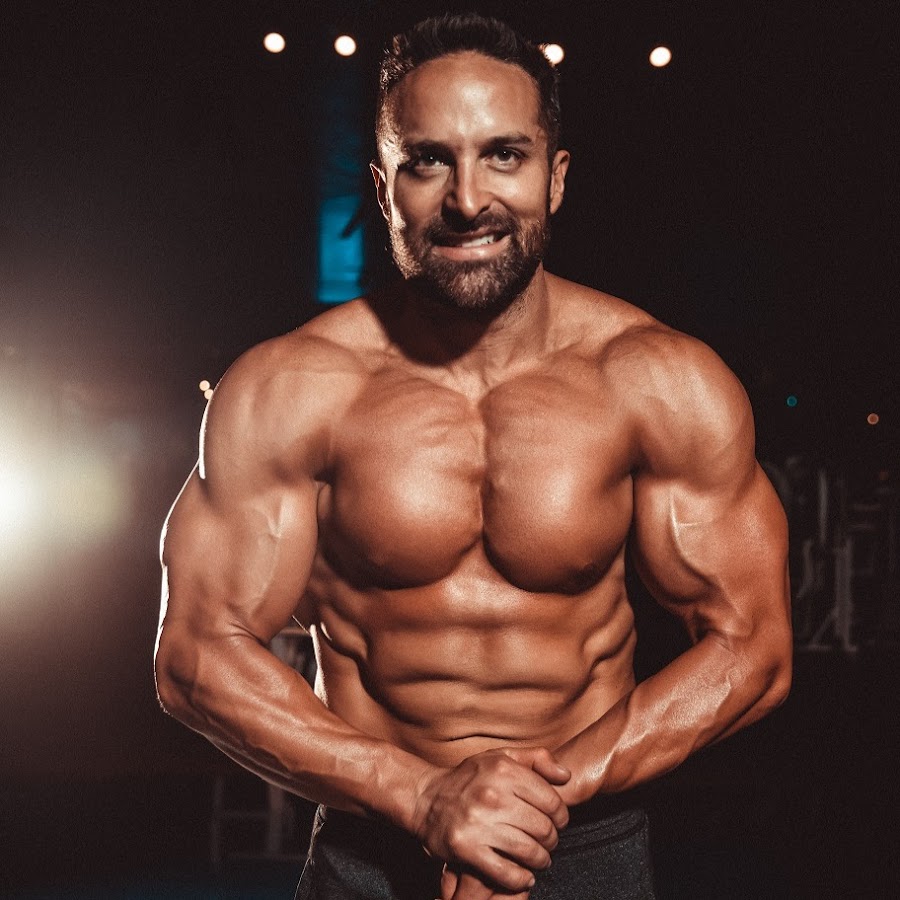
A 10-month RCT in elite 17–18-year-old soccer players found that adding 2 hours per week of heavy strength training (barbell squats, deadlifts, bench press) to regular soccer training significantly outperformed adding functional training (plyometrics, sprints, TRX bands) in improving 1RM strength, jump height, and 20 m sprint times, with large effect sizes.
2
Layne Norton argues that the 'functional training' movement's claim that traditional strength training isn't functional is contradicted by this evidence—strength training produced greater gains in sport-critical metrics.
3
He recommends strength training twice a week for at least 10 months as a base for any athlete, alongside their normal sport practice.
4
Norton mentions his own 'workout builder' product as an evidence-based programming resource for those wanting to start strength training.
Protocols
Concrete recipes — what, when, how much, and why
1 item
twice-weekly-heavy-strength-training-for-athletes
WhatAdd two 1-hour sessions per week of heavy compound strength training (barbell back squat, bench press, deadlift, overhead press, and pulls) to regular sport-specific practice.
WhenDuring the competitive or training season, as an add-on to normal sport sessions; the study ran for 10 months concurrent with soccer training.
DoseTwo sessions per week, each 1 hour long, for at least 10 months (to match the study duration).
For whomAthletes, especially those in sports requiring sprinting, jumping, and change of direction (soccer, basketball, football, etc.), including well-trained elite adolescents. Norton argues strength should be a base for any athlete.
WhyImproves maximal strength, vertical jump height, and linear sprint speed more than plyometric/sprint/TRX functional training of the same total time. The large strength gains translate to athletic performance when combined with sport practice.
CaveatsMust continue regular sport training; strength training is an addition, not a replacement. The protocol does not dictate sets/reps; follow an evidence-based program (like Norton's own). Not intended as a sole training modality—functional or sport-specific work may still be part of an overall plan, but strength forms the foundation.
The protocol is derived directly from the study design Norton described. Elite adolescent soccer players did this on top of their usual training. The lifts chosen—back squat, deadlift, bench press, overhead press—are all heavy, multi-joint, bilateral exercises. The comparison group did 'functional training' including TRX bands, bodyweight, banded work, plus dedicated plyometrics and sprints, all for the same weekly time commitment. The strength group outperformed them in jump and sprint tests, suggesting that basic heavy loading builds neuromuscular efficiency and maximal force capacity that transfers to explosive athletic tasks even without direct plyometric practice. Norton uses this protocol as a model for how athletes should structure supplemental training.
They had them do 10 months of training of either two times a week for an hour session strength training where they're doing things like barbell back squat, bench press, deadlifts, and some other strength movements like pulls, I think, overhead presses versus doing plyometrics and sprint work for two hours per week.
Also said
“So each group was doing the same amount of training just with their different disciplines.”— Confirms the volume-matched comparison, ruling out total training time as a confounder.
“Now, it's important to point out they still continue to do their regular soccer training. So they did these two sessions per week in addition to their regular soccer training.”— Clarifies that the strength protocol is supplementary and does not replace sport practice, crucial for real-world application.
What's new
Personal practice updates, fresh positions, predictions
A 10-month randomized controlled trial in elite adolescent soccer players demonstrated that adding heavy strength training (barbell squats, deadlifts, bench press, overhead presses) twice a week improved one-rep max strength, jump height, and 20 m sprint times substantially more than adding functional training (plyometrics, sprints, TRX/banded work) for the same total training time, with large effect sizes.
Why this matters: Directly challenges the common 'functional training' narrative that traditional heavy lifting doesn't transfer to sport performance, providing rigorous evidence that it does—for sprinting, jumping, and maximal strength in already well-trained athletes.
Background
Many social media fitness influencers and 'functional patterns' proponents have long claimed that exercises like squats, deadlifts, and bench press are not 'functional' for athletic movements such as throwing a punch or kicking a ball. They argue that sport-specific, multi-plane movements with bands, TRX, or bodyweight are superior. This study directly tests that claim in a controlled, long-term design.
The study took elite 17–18-year-old soccer players and randomly assigned them to two additional training groups, both on top of their regular soccer practice. One group did two 1-hour strength sessions per week focusing on classic barbell lifts (back squat, bench press, deadlift, overhead press). The other group did two 1-hour 'functional' sessions with plyometrics, sprint work, TRX, and banded exercises. After 10 months, the strength training group showed significantly larger improvements in all measured performance outcomes—maximal strength, vertical jump height, and 20 m linear sprint time. Norton emphasizes that the effect sizes were large, not marginal, and that this directly refutes the claim that heavy resistance training isn't functional. He clarifies he is not saying to avoid all other training, but that strength work should form the athletic base. The implication is that increasing maximal force production through heavy loading creates a larger foundation for explosive movements than practicing those movements directly with lighter loads or unstable surfaces.
Personal experience
Norton shares his longstanding skepticism of the anti-strength-training argument: 'Which I always thought about like, if I can squat down and come up with something heavy, how is that not functional? If I can bend over and pick something heavy up, how is that not functional?' He frames the study as vindication of that intuition.
strength training kicked the out of functional training and sprints and plyometrics for improving one rep maximum strength for increasing jump height and for decreasing sprint times on a 20 m linear sprint.
Also said
“And the effect sizes were large like this was not a small effect. This was a large effect compared to the other forms of training.”— Underscores the practical significance, not just statistical significance, of the strength training advantage.
“But strength training should form a base for any athlete. It will make you stronger. It will make you faster. It will make you jump higher.”— Summarizes his core recommendation and the transfer claim that the study supports.
At the end of the video, Norton offers his workout builder as a resource for people wanting to start strength training or get better programming. He describes it as containing 'all my evidence-based programming' with a link in the video description.
DisclosureThis is Layne Norton's own product; he promotes it directly.
Now, if you're interested in starting out with strength training or just getting really good programming, you can check out my workout builder that has all my evidence-based programming. Link is in the description.
Lines worth pulling out — contrarian, specific, or perfectly phrased
5 items
Bike the pillow functional training gurus, you're not going to like this one.
A blunt, confrontational opener that sets the tone for debunking the functional training trend, directly calling out its advocates.
strength training kicked the out of functional training and sprints and plyometrics for improving one rep maximum strength for increasing jump height and for decreasing sprint times on a 20 m linear sprint.
The central factual finding of the study, stated with emphasis—clearly communicates the hierarchy of training effectiveness.
And the effect sizes were large like this was not a small effect. This was a large effect compared to the other forms of training.
Highlights that the advantage wasn't borderline, but substantial and practically meaningful for athletic performance.
But strength training should form a base for any athlete. It will make you stronger. It will make you faster. It will make you jump higher.
A clear, actionable takeaway that distills the entire argument into a general training principle for all sports.
Which I always thought about like, if I can squat down and come up with something heavy, how is that not functional? If I can bend over and pick something heavy up, how is that not functional?
A pithy, intuitive counter to the 'not functional' critique, showing that heavy lifting inherently mimics real-world demands.
Sign in to share feedback
Tell us if this brief hit the mark or missed it — feedback feeds back into the next iteration of the prompt.
Reading is free for everyone. A free account adds the personal layer: save protocols, follow experts, and see how the other experts weigh in on this same topic.
Educational summary of the cited expert source — not medical advice. Open the source recording linked above and consult a qualified physician before acting on any protocol.