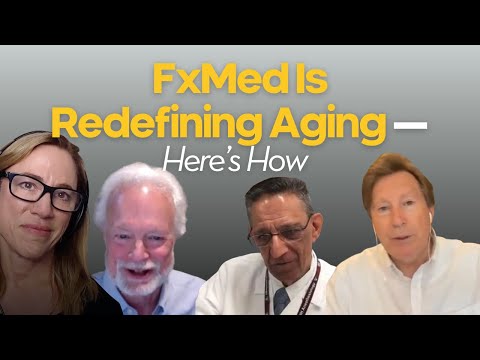
Functional medicine's matrix inherently overlaps with the pillars of aging, making it a ready-made longevity medicine framework (Roundtree).
2
Biological age clocks like Horvath's mammalian clock reveal a conserved 'pseudo program' of aging that has resisted manipulation by known longevity interventions (Roundtree).
3
Dale Bredesen's ReCODE protocol, a multimodal systems approach, has shown cognitive improvement in Alzheimer's patients, with an ongoing RCT demonstrating statistically significant benefit over standard care.
4
Charles Serhan's discovery of specialized pro-resolving mediators (SPMs) from omega-3s reveals an active, programmed resolution phase of inflammation, with profound implications for aging and chronic disease.
Protocols
Concrete recipes — what, when, how much, and why
3 items
ReCODE Protocol for cognitive decline
WhatA personalized, multimodal systems-based protocol that addresses all identified network insufficiencies contributing to cognitive decline, including diet, lifestyle, supplements, and targeted therapies.
WhenAs early as possible in the course of cognitive decline or even preventively.
DoseOngoing, personalized based on individual lab results and clinical picture.
For whomIndividuals with subjective cognitive impairment, mild cognitive impairment, or early Alzheimer's disease; also being adapted for other neurodegenerative conditions.
WhyAlzheimer's is a network insufficiency requiring a comprehensive approach; single-target drugs have failed. Addressing all contributing factors simultaneously can improve cognition.
CaveatsNot 100% effective; requires commitment and a trained practitioner. The approach is still considered alternative by mainstream medicine, though evidence is growing.
Bredesen developed the ReCODE protocol after realizing that Alzheimer's results from a network of insufficient systems, not a single cause. The protocol uses extensive lab testing to identify individual contributors (inflammation, insulin resistance, nutrient deficiencies, toxins, etc.) and then deploys targeted interventions—diet, exercise, sleep optimization, stress reduction, supplements, and sometimes medications—to address each one. The first patient treated in 2012 improved dramatically and remains well. Since then, thousands have been treated, with documented improvements. A proof-of-concept trial published in 2022 showed benefit, and an independent replication by Dr. Heather Sanderson confirmed the results. The ongoing RCT is the next level of evidence. Bredesen stresses that this approach is not anti-medication; he envisions combining targeted drugs with the protocol for even greater effect.
Mechanism
By correcting multiple metabolic, inflammatory, and trophic imbalances, the protocol restores the brain's neuroplasticity and network function. It addresses the Achilles heels created by evolution's preference for performance over durability.
Personal experience
Bredesen shares that the first patient he treated in April 2012 is now 81 and walking across the United States (judywalks.org). He also notes that he initially tried to design a single-drug trial but realized it would be insufficient.
the light bulb went off like, wait a minute, we have to address all the pieces of the network that are insufficient.
Also said
“the very first person who ever got better, someone I saw in April of 2012, is now walking across the United States from coast to coast.”— Powerful anecdotal evidence of long-term success.
“we're adapting this now to macular degeneration to Louisibody disease to ALS to Parkinson's to fronttotemporal dementia all these things.”— Shows the broader applicability of the network approach.
Ensure adequate omega-3 intake for inflammation resolution
WhatConsume sufficient EPA and DHA (omega-3 fatty acids) to provide substrates for the body's production of specialized pro-resolving mediators (SPMs).
WhenDaily, as part of a balanced diet or supplementation, especially in the context of chronic inflammation or aging.
DoseNot specified; general recommendation to maintain adequate levels, with emphasis on balance between omega-6 and omega-3.
For whomEveryone, particularly those with chronic inflammatory conditions, aging individuals, and those with low omega-3 intake.
WhySPMs derived from EPA and DHA are essential for actively resolving inflammation and clearing debris. Deficiency leads to uncontrolled inflammation and impaired tissue repair.
CaveatsBalance with omega-6 is crucial; arachidonic acid is also needed for the initial immune response and the class switch to lipoxins. Avoid extreme reduction of omega-6.
Charles Serhan's work shows that the resolution of inflammation is an active process requiring EPA and DHA to produce resolvins, protectins, and maresins. These molecules stimulate macrophage clearance of dead cells and debris. Without adequate omega-3s, the resolution phase is impaired, leading to chronic inflammation. Importantly, the body needs both omega-6 (arachidonic acid) for the initial inflammatory response and the class switch to lipoxins, and omega-3 for the later resolution mediators. Thus, the goal is balance, not elimination of omega-6. Serhan also notes that free fatty acids in circulation are the main source for SPMs in acute inflammation, so maintaining circulating levels is key.
Mechanism
EPA and DHA are converted enzymatically to resolvins, protectins, and maresins. These SPMs limit neutrophil infiltration, promote macrophage efferocytosis, and restore tissue homeostasis. They do not block inflammation but actively resolve it.
we need the arachidonic acid also in coagulation. It is essential as well. It's not a question of um it's really the balance between the um N6 versus the N3
Also said
“the lion share of EPA and DHA that get converted to the specialized pro-resolving medias ... come from free fatty acids in circulation.”— Indicates that circulating levels are directly used for SPM synthesis.
“if we don't have the cleanup substrates, if we don't have the ingredients, we're not going to be doing a heck of a lot of efficient cleanup.”— Stresses the necessity of omega-3s for resolution.
Avoid severe calorie restriction for longevity
WhatDo not pursue extreme calorie restriction as a longevity strategy; it may show short-term benefits but can backfire long-term.
WhenWhen considering dietary interventions for aging.
DoseAvoid severe restriction; focus on balanced nutrition instead.
For whomAnyone tempted by extreme caloric restriction for anti-aging.
WhyHistorical example of Roy Walford in Biosphere 2 showed initial health improvements but poor long-term outcomes, and monkey studies have not supported severe restriction.
CaveatsMild caloric restriction or intermittent fasting may still have benefits, but extreme deprivation is not recommended.
Bob Roundtree recounts the story of Roy Walford, a pioneer in caloric restriction research, who participated in the Biosphere 2 experiment. Due to food shortages, the crew experienced severe calorie restriction. Initially, many health markers improved, but later, Walford's health declined, and his student Valter Longo noted that the severe restriction did not pay off in the long run. Roundtree also mentions that monkey studies have not consistently shown lifespan extension from severe calorie restriction. This serves as a caution that extreme interventions may not translate to human longevity and could be harmful.
Personal experience
Roundtree shares that he was a big fan of Roy Walford's book early in his career, which sparked his interest in aging, but he now sees the limitations.
Roy didn't do so well in the years that came after that. So he looked better initially and all that severe calorie restriction appeared to be beneficial but maybe didn't pay off.
Also said
“I think that they've sh demonstrated that in monkeys.”— References animal studies that failed to show benefit.
What's new
Personal practice updates, fresh positions, predictions
6 items
Mammalian biological age clock and the 'pseudo program' of aging
A conserved DNA methylation clock across mammals can predict life expectancy, but no longevity intervention has yet altered it, suggesting a hardwired aging program.
Why this matters: Challenges the idea that aging is easily malleable and points to a deeply embedded biological program that may limit the effectiveness of current anti-aging interventions.
Background
Biological age clocks based on DNA methylation (e.g., Horvath clock) have gained popularity as tools to measure aging. Researchers have now extended this to a pan-mammalian clock that works across species.
Bob Roundtree explains that a mammalian clock using conserved CPG methylation sites can map life expectancy across species. Despite many longevity interventions being tested, none have successfully manipulated this clock. The authors, including Horvath, propose that this consistency points to a 'pseudo program'—a built-in aging trajectory that may be an active program rather than just accumulated damage. Roundtree finds this compelling evidence that there is an underlying programmatic phenomenon driving aging, which could explain why some supercentenarians seem to have a genetic advantage. He contrasts this with the idea of escape velocity, where one might reverse biological age every year, noting that the clock's resistance to change suggests a more complex reality.
they haven't found they none of the longevity the the interventions that they've tried to manipulate it have actually worked. But one of the things that these authors who've who've Horvath being one of them who've mapped out this mamalian age clock is that there might be they call it a pseudo program because it's consistent across mammals
Also said
“there's a collection of CPG sites across mammals and then and then an iteration has identified life expectancy. So they're able to like map that out”— Explains how the clock works across species.
“I think that for in my mind that's an argument towards there being something there being some kind of a program phenomena on the aging journey.”— Roundtree's personal interpretation of the data.
Network insufficiency model of neurodegeneration
Alzheimer's and other neurodegenerative diseases result from a network insufficiency where multiple systems fail, not a single cause, requiring a multimodal treatment approach.
Why this matters: Shifts the paradigm from single-target drugs to a systems-based protocol, aligning with functional medicine and explaining why previous single-target therapies failed.
Background
For decades, Alzheimer's research focused on single culprits like amyloid, tau, or inflammation, but drugs targeting these have largely failed. Bredesen's lab initially studied neurodegeneration in a dish, seeking a fundamental mechanism.
Dale Bredesen describes how his 30 years of molecular research led him to see Alzheimer's as a network insufficiency. Evolution selects for high-performance brains but not durability, creating Achilles heels. When multiple stressors (inflammation, reduced blood flow, oxygenation, etc.) accumulate, the network downsizes. Depending on which part of the network fails, you get Alzheimer's (neuroplasticity loss), ALS (amplification loss), or Parkinson's (motor modulation loss). This insight forced him to abandon the single-drug approach and instead address all insufficient network pieces simultaneously, which became the ReCODE protocol. He notes that this conclusion, reached from test-tube research, converged with the functional medicine model developed from clinical experience.
Personal experience
Bredesen recounts the moment in 2011 when planning a clinical trial with a single drug, he realized it wouldn't address the other network pieces. He started adding components until the light bulb went off that all pieces needed attention. The first patient he treated in April 2012 improved and is now walking across the US at age 81.
if you step back and look at this what you see is a beautiful network and it's a network insufficiency.
Also said
“we select as organisms repeatedly for performance over durability. So, we get these amazing performing brains. ... they have Achilles heels.”— Explains the evolutionary trade-off underlying the network's vulnerability.
“when you lose the neuroplasticity one you get Alzheimer's when you lose the amplification one you get ALS when you you lose the motor modulation one you get Parkinson's”— Shows how different network failures map to specific diseases.
Discovery of specialized pro-resolving mediators (SPMs) and the lipid mediator class switch
Inflammation resolution is an active, programmed process driven by a class switch from pro-inflammatory prostaglandins/leukotrienes to pro-resolving lipid mediators (SPMs) derived from omega-3s.
Why this matters: Overturns the old view that inflammation just passively fades; reveals a novel superfamily of molecules that actively clean up inflammation and promote tissue repair.
Background
Previously, inflammation was thought to resolve passively as pro-inflammatory signals diluted. Anti-inflammatory drugs block the initiation of inflammation but do not actively promote resolution.
Charles Serhan describes how his team studied pus from a mouse model of acute inflammation. They observed that as neutrophil infiltration peaked and began to decline, the lipid mediators produced by the immune cells underwent a class switch: from arachidonic acid-derived prostaglandins and leukotrienes (pro-inflammatory) to EPA- and DHA-derived resolvins, protectins, and maresins (pro-resolving). These SPMs not only stop further neutrophil recruitment but also stimulate macrophages to clear dead cells and debris (efferocytosis), returning the tissue to homeostasis. This is a highly orchestrated, active program, not a passive wind-down. The discovery has opened a new field of resolution pharmacology, distinct from anti-inflammation.
Personal experience
Serhan credits his mentors in inflammation, hematology-oncology, and lipid biochemistry, and says he was 'destined to put that all together with the grace of God and ask the right questions.'
when the lucasytes reach a maxima and they start to come down, we found that there's a lipid mediator class switch. ... There's a very dynamic process there in minutes to hours and then goes to produce a whole host of pro-resolving mediators to get us back to a new level of homeostasis.
Also said
“the pro-resolving mediators are made by the body and they stimulate this epherosyto the clearance of dead cells and debris and that's a critical process in every tissue and organ in the body”— Highlights the universal importance of SPMs in tissue maintenance.
“they differ from the traditional anti-inflammatories because an anti-inflammatory blocks the initial prostaglandon or the cytoines that are produced like anti-TNF therapies.”— Distinguishes SPMs from standard anti-inflammatory drugs.
Free fatty acids as the primary source for SPMs in acute inflammation
Contrary to earlier assumptions, the majority of EPA and DHA converted to SPMs during acute inflammation comes from circulating free fatty acids, not membrane phospholipids.
Why this matters: Refines the understanding of omega-3 metabolism and suggests that maintaining adequate circulating levels of EPA/DHA is critical for rapid resolution responses.
Background
It was previously thought that omega-3s needed to be incorporated into cell membrane phospholipids before being released for SPM synthesis.
Serhan shares recent data from multiple labs showing that in the acute inflammatory response, the lion's share of EPA and DHA used to make resolvins, protectins, and maresins comes directly from free fatty acids in the circulation, bypassing the esterification step into phospholipids. However, in other contexts like vagus nerve stimulation, DHA appears to come from membrane phospholipid pools, and M2 reparative macrophages carry DHA in their plasma membranes to produce SPMs locally. This indicates two distinct systems: one rapid, using circulating free fatty acids, and another more localized, using membrane stores. This has implications for how we think about omega-3 supplementation and timing.
the lion share of EPA and DHA that get converted to the specialized pro-resolving medias the resolins and The protectants and the marisins come from free fatty acids in circulation.
Also said
“So we don't have to go through that asterification step into the phospholipids at least in the acute inflammatory response”— Clarifies the simplified pathway for acute resolution.
“in the vagus nerve electrical stimulation ... it appears that the DHA is coming from the membrane phospholipid pool.”— Shows the alternative pathway in neural contexts.
Age-related loss of resolution capacity and senescent cell clearance by SPMs
Aging is associated with a decline in SPM production, leading to uncontrolled inflammation, and SPMs can stimulate macrophages to clear senescent cells.
Why this matters: Links SPM deficiency directly to inflammaging and suggests SPM restoration could combat age-related chronic inflammation and senescent cell accumulation.
Background
Chronic low-grade inflammation (inflammaging) is a hallmark of aging. Senescent cells accumulate and contribute to tissue dysfunction. The role of resolution pathways in aging was underappreciated.
Serhan notes that aged mice show excessive inflammatory responses and a loss of resolution mediators, meaning they cannot counter-regulate inflammation. This loss of control is a key feature of aging. Excitingly, his group and others have shown that resolvins and SPM-stimulated M2 macrophages can clear senescent cells. This positions SPMs as potential senolytics that work with the body's own cleanup systems. Additionally, in the spleen, an EPA-derived resolvin E4 stimulates macrophages to clear aged red blood cells, a physiological process that maintains healthy blood cell turnover. These findings suggest that boosting SPMs could address multiple aging processes.
aged mice ... have a loss of resolution mediators and so there's no control over their inflammatory response. They can't counter regulate.
Also said
“scinsesscent cells are cleaned up by resolve and stimulated M2 macrofasages.”— Directly states the senolytic effect of SPMs.
“those age scinesscent red cells are cleared by an EPA derived resolving E4 stimulating the macrofasages.”— Provides a specific example in the spleen.
Ongoing randomized controlled trial of the ReCODE protocol
A randomized trial comparing standard Alzheimer's care to the personalized ReCODE protocol has already achieved statistically significant cognitive improvement in the treatment group.
Why this matters: Provides the strongest evidence yet that a multimodal functional medicine approach can reverse cognitive decline, challenging the standard of care.
Background
Previous evidence for ReCODE came from case series and a proof-of-concept trial. A randomized controlled trial was needed to address skepticism.
Dale Bredesen reports that the trial, led by several physicians, compares standard of care to a personalized functional medicine protocol. The standard-of-care group is declining as expected, while the protocol group is improving, with a statistically significant difference already achieved. The trial will be completed on October 31st and published next year. Bredesen also mentions that Dr. Heather Sanderson independently published a similar trial with very similar results, providing confirmation. He emphasizes that this is not an isolated finding—anyone who does this seriously sees improvements. The next steps include adapting the approach to other neurodegenerative diseases like macular degeneration, Lewy body disease, ALS, Parkinson's, and frontotemporal dementia.
The people who are on the standard of care, just as you'd imagine, are going down, down, down with their cognitive testing. The people that are on the protocol are going up, up and there's already a statistically significant difference between the two groups.
Also said
“we're seeing these remarkable results”— Emphasizes the positive outcome.
“Dr. Heather Sanderson published her own trial doing very much the same thing, getting very much the same results.”— Shows independent replication.
Disclosed sponsorships7speaker disclosed
Functional Medicine Is Longevity Medicine Master Class
Service Sponsored · disclosed
A 3-day virtual conference (September 17-19) with 30 experts discussing functional medicine as longevity medicine, including new interventions, natural products, lab technology, and AI. Registration at functionalmedicine.com.
DisclosureHosted by Dr. Kara Fitzgerald, the podcast host, and featuring 30 speakers. Free virtual conference.
Dr. Kara Fitzgerald promotes this master class throughout the episode, highlighting speakers like Jeff Bland, Mark Hyman, Dale Bredesen, David Perlmutter, and many others. The event includes live chat with presenters and is free. It aims to equip clinicians with tools and knowledge to practice longevity-focused functional medicine.
Join us at our master class coming this September 17th through the 19th. I will be bringing 30 of my brilliant colleagues talking to you about the best in functional medicine as longevity medicine.
Offers evidence-based training on hormone metabolism, interpreting Dutch test results, and therapeutic strategies including hormone replacement therapy. Provider registration gives access to education hub with webinars and case studies. Visit dutchtest.com/courses.
DisclosureDiamond Level sponsor of the podcast.
Precision Analytical, creator of the Dutch Test, is offering evidence-based training on key topics like hormone metabolism, interpreting Dutch test results, and therapeutic strategies, including hormone replacement therapy, all aimed at improving patient outcomes.
Nutritional products of superior quality and effectiveness, available exclusively to healthcare providers. Find them at bioticsresearch.com.
DisclosureDiamond Level sponsor of the podcast.
For over 40 years, the foundation of biotics research has been innovation and quality. ... Biotics nutritional products are of superior quality and effectiveness.
Advanced antioxidant targeting the inner mitochondrial membrane, reducing reactive oxygen species by 48%. Backed by 30 years of research and 25 clinical trials. Supports mitochondrial and cardiovascular health, metabolism, and DNA stability. Learn more at mitoq.com/drcara.
DisclosureSponsor mentioned in ad break.
Mitoq mitochinol is an advanced antioxidant that targets the inner mitochondrial membrane reducing reactive oxygen species by 48%.
Topical supplement with OS1 peptide that penetrates deeper skin layers, impacting cellular level biomarkers for visible improvements in lines, wrinkles, and thinning skin. Use code drara for 15% off at onskin.co/drara.
DisclosureSponsor mentioned in ad break.
Developed by skin longevity scientists, OS1, which is found in one skin topical supplements, penetrates deeper layers of the skin, impacting cellular level biomarkers for visible improvements in lines, wrinkles, and thinning skin.
Lines worth pulling out — contrarian, specific, or perfectly phrased
6 items
Functional medicine is longevity medicine. You know, if you're walking around the matrix and looking at all the imbalances that can occur, it's amazing how that overlaps with the quote pillars of aging.
Succinctly captures the core thesis of the episode and the functional medicine approach to aging.
the light bulb went off like, wait a minute, we have to address all the pieces of the network that are insufficient.
The pivotal moment that led to the creation of the ReCODE protocol, illustrating the shift from reductionist to systems thinking.
there are a lot of people that need what we're doing and that doctors aren't aware of it, patients aren't aware of it, and so people really literally are dying needlessly.
A stark, urgent call to action highlighting the gap between evidence and practice in Alzheimer's care.
when the lucasytes reach a maxima and they start to come down, we found that there's a lipid mediator class switch. ... There's a very dynamic process there in minutes to hours and then goes to produce a whole host of pro-resolving mediators to get us back to a new level of homeostasis.
Beautifully summarizes the active resolution program that redefined inflammation biology.
the pro-resolving mediators are made by the body and they stimulate this epherosyto the clearance of dead cells and debris and that's a critical process in every tissue and organ in the body
Emphasizes the universal, non-immunosuppressive cleanup role of SPMs, contrasting with anti-inflammatory drugs.
we select as organisms repeatedly for performance over durability. So, we get these amazing performing brains. ... they have Achilles heels.
An elegant evolutionary explanation for why our brains are vulnerable to neurodegeneration.
Sign in to share feedback
Tell us if this brief hit the mark or missed it — feedback feeds back into the next iteration of the prompt.
Reading is free for everyone. A free account adds the personal layer: save protocols, follow experts, and see how the other experts weigh in on this same topic.
Educational summary of the cited expert source — not medical advice. Open the source recording linked above and consult a qualified physician before acting on any protocol.