UNFUCG
DashboardSearchChatBookmarksNotificationsActivityPremiumProfile
?
Home
Search
Chat
Saved
Profile
Episode
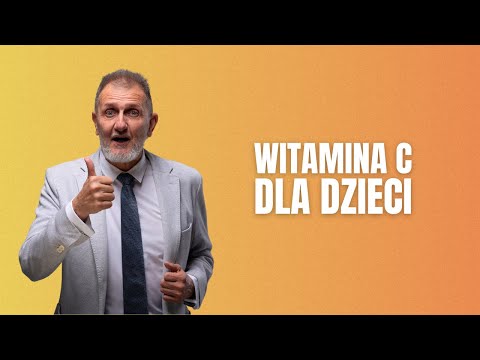
Hubert Czerniak - Vitamin C for children / Every parent should know about new discoveries!
~8 min
Episode Brief·YouTube

Hubert Czerniak - Vitamin C for children / Every parent should know about new discoveries!

Hubert Czerniak
Watch on YouTube Add to chat My bookmarks← All sources

TL;DR

The four things you'd lose by not watching

4 items

TL;DR

The four things you'd lose by not watching

4 items
1

The 2009 discovery of 5-hydroxymethylcytosine revealed that vitamin C, via TET enzymes, unblocks silenced genes in toxic states, enabling new biochemical pathways—a key epigenetic mechanism.

2

Contrary to popular belief, vitamin C does not cause kidney stones; deficiency may rather cause renal tubular necrosis, as shown in guinea pigs that, like humans, do not synthesize vitamin C.

3

Vitamin C acts as a pro-oxidant in inflammation and cancer: it reduces iron to Fe2+, which enters cells and reacts with leukocyte peroxide via the Fenton reaction to produce tumor- and pathogen-killing hydroxyl radicals.

4

Infants and children urgently need vitamin C for neuron development, yet pediatric practice overlooks it; supplementation from infancy, using a palatable form (the speaker recommends his store emedium.pl), is essential.

Protocols

Concrete recipes — what, when, how much, and why

4 items

Daily vitamin C supplementation for infants and children

WhatProvide vitamin C from early infancy, daily, ideally in a tasty form children will accept.
WhenFrom birth, especially for formula-fed infants, continuing through childhood.
DoseNo specific dose given; the speaker advises against ‘huge amounts’ but implies that standard or even higher intake is needed, consistent with observations that rodents maintain levels 100× human RDA.
For whomAll infants and children, with particular urgency for those not exclusively breastfed or receiving formula without adequate vitamin C.
WhyEssential for neuronal development via epigenetic gene reactivation, immune defense through pro-oxidant Fenton killing, collagen synthesis for bones and teeth, and prevention of deficiency-related renal tubular necrosis.
CaveatsAvoid extremely high, unphysiological mega-doses; focus on consistent, adequate intake using child-friendly formulations.

The speaker’s core message is a direct call to action for parents: while every pediatrician mentions vitamin D, vitamin C is somehow neglected, yet the infant brain demands it. He argues that newborns rapidly consume their tiny vitamin reserve, and when mothers cannot breastfeed, the replacement formula may not compensate. Drawing on the new epigenetic evidence and the animal model of kidney necrosis, he insists that supplementation should start from the youngest age. He is realistic about compliance—children are reluctant to take anything unpleasant—so he emphasizes that the supplement must be tasty and appealing, leading him to direct viewers to his store’s product. This protocol is not a formal medical guideline but a personal, impassioned recommendation grounded in his interpretation of recent biochemical discoveries.

Mechanism

Vitamin C fuels TET enzymes to create 5-hmC, unblocking silenced neuronal genes; it acts as a pro-oxidant in immune cells by reducing iron and enabling hydroxyl radical production against pathogens; it is required for hydroxylation of proline and lysine in collagen formation, stabilizing teeth and bone matrix.

małe dzieci mają mały zasób witamin i minerałów … a małe dzieci potrzebują neurony wymagają bardzo witaminy C

Also said
“jak zachęcić dzieci żeby zaczęły spożywać z chęcią tą witaminę C bo dzieci są oporne na różne rzeczy no więc to musi być Smaczne zdrowe i naprawdę bardzo fajne”— Addresses the practical challenge of getting children to take supplements, justifying the need for a palatable product.

Vitamin C as adjuvant during bleomycin chemotherapy

WhatAdminister vitamin C alongside bleomycin to amplify its cancer-killing effect.
WhenDuring bleomycin-based chemotherapy regimens.
DoseNot specified; the speaker references studies demonstrating greater chemo efficacy, implying clinically relevant doses.
For whomCancer patients under bleomycin therapy.
WhyBoth vitamin C and bleomycin exploit the Fenton reaction: bleomycin generates hydroxyl radicals via iron, and vitamin C increases intracellular Fe2+, intensifying the radical production.
CaveatsNone mentioned; the speaker presents this as a supported oncological strategy.

The speaker explicitly states that vitamin C should be given in malignant diseases, referencing ‘many scientific papers’ that show its benefit. He singles out bleomycin as an example where the synergy is particularly clear because both agents converge on the same iron-dependent radical mechanism. This is not presented as a fringe protocol but as a logical extension of biochemistry, and he urges that vitamin C be considered a standard adjuvant.

Mechanism

Vitamin C reduces extracellular Fe3+ to Fe2+, which enters cancer cells. Inside, Fe2+ reacts with hydrogen peroxide to produce hydroxyl radicals (Fenton reaction). Bleomycin also relies on Fe2+-mediated radical formation, so vitamin C synergistically boosts this chemistry, leading to greater tumor cell death.

przy podawaniu bleomy była dużo większa efektywność chemioterapii bowiem bley na tej samej zasadzie bazuje na reakcji fentona

Also said
“witamina C powinna być dawana od najmłodszych lat tak dzieciom jak później dorosłym jak i w chorobach nowotworowych”— Frames vitamin C as a life-long nutrient and therapeutic agent, including for cancer.

Vitamin C for immune pro-oxidant defense

WhatMaintain adequate vitamin C status to support leukocyte-mediated killing of pathogens via the Fenton reaction.
WhenOngoing; particularly important when fighting an infection.
DoseNot specified; the speaker implies sufficient dietary or supplemental intake to enable the pro-oxidant mechanism.
For whomGeneral population, especially during active infections.
WhyOxidized vitamin C imports iron into cells; at the infection site, leukocytes release H₂O₂, which reacts with the newly imported Fe2+ to form lethal hydroxyl radicals that destroy invading pathogens.
CaveatsNone stated.

The speaker describes this as a natural, built-in weapon: when a pathogen breaches tissue, leukocytes rush in and pour out hydrogen peroxide; vitamin C ensures there is enough ferrous iron inside the cells to trigger the Fenton reaction, generating a burst of hydroxyl radical that sanitizes the area. He contrasts this pro-oxidant role with the simplistic view of vitamin C as only an antioxidant, emphasizing that the body deliberately uses it to create controlled oxidative bursts for defense.

Mechanism

During inflammation, vitamin C undergoes oxidation to dehydroascorbate, which enters cells via GLUT channels; simultaneously, it reduces Fe3+ to Fe2+, allowing iron influx. Inside the cell, Fe2+ encounters H₂O₂ discharged by leukocytes, producing hydroxyl radical—a potent antimicrobial agent that kills pathogens on contact.

nagle wylewamy Perhydrol reaguje z żelazem tworzy się rodnik hydroksylowy i w ten sposób zabija się patogeny

Vitamin C for collagen synthesis and dental/bone health

WhatEnsure sufficient daily intake of vitamin C to support collagen formation.
WhenDaily.
DoseNot specified; adequate intake as per dietary needs.
For whomEveryone, particularly children whose bones and teeth are developing.
WhyVitamin C is required for the hydroxylation of proline and lysine residues, indispensable for stable collagen; deficiency results in weak bones, tooth loss, and poor wound healing.
CaveatsNone mentioned.

The speaker briefly reminds the audience that collagen is the scaffold of bones and teeth, and that without vitamin C, teeth become loose and fall out—a classic sign of scurvy. He likens it to the stabilizing role of vitamin D in tissues, underscoring that both are necessary for structural integrity.

Mechanism

Prolyl hydroxylase and lysyl hydroxylase enzymes require vitamin C as a cofactor to convert proline to hydroxyproline and lysine to hydroxylysine, essential for cross-linking collagen fibrils.

nie ma witaminy C zęby wypadają słabe są zęby tak samo witaminy D jak nie ma

What's new

Personal practice updates, fresh positions, predictions

5 items

epigenetic-unlocking-by-vitamin-c

The 2009 discovery of 5-hydroxymethylcytosine and the TET enzymes showed that vitamin C reactivates ancient silenced genes, creating new biochemical pathways in response to toxins.

Why this matters: Shifts vitamin C from a mere antioxidant to a master epigenetic modulator that can unblock genetic programs not normally expressed.

Background

Previously, vitamin C was seen mainly as an antioxidant and collagen cofactor. The 2009 breakthrough identified a new nucleotide modification, 5-hmC, that removes transcription blocks on DNA, revealing a direct role for vitamin C in epigenetic regulation.

The speaker explains that the discovery of 5-hydroxymethylcytosine, a nucleotide that unblocks protein biosynthesis on DNA, was a turning point. A group of enzymes (TET) uses vitamin C to oxidize 5-methylcytosine to 5-hmC, thereby reactivating genes that have been silent for millennia. He argues that in situations of toxic exposure—when the organism’s current metabolism cannot cope—vitamin C becomes critical: it drives the creation of 5-hmC, unblocking the genetic material and allowing the formation of entirely new biochemical pathways. This, he says, is the essence of epigenetics, linking environmental challenges to gene expression. He frames this as especially important for brain function, insisting that the brain, particularly in children, requires abundant vitamin C to operate this epigenetic machinery properly. He notes that this mechanism was once dismissed as fantasy but is now confirmed biochemistry.

odkrycie w 2009 roku 5 hydroksy metyl cytozyny takiego nukleotydu który nukleotyd Odblokowuje biosyntezę białek na matrycy DNA która normalnie jest zablokowana doprowadziło do odkrycia nowych właściwości witaminy C to była grupa enzymów [Muzyka] t odblokowują materiał genetyczny do tworzenia czegoś jakieś informacje w pamięci genetycznej naszą sprzed setek tysięcy lat Nawet która nie jest wykorzystywana ale w zmieniających się warunkach środowiska gdy obecny metabolizm nie daje sobie rady Gdy nasze dziecko my zostaliśmy zatruci substancją toksyczną wtedy witamina C powoduje stworzenie i tej pi hydroksy metyl cytozyny która Odblokowuje nasz materiał genetyczny i to powoduje stworzenie nowych linii biochemicznych To jest tak zwana epigenetyka

Also said
“to była grupa enzymów t odblokowują materiał genetyczny do tworzenia czegoś jakieś informacje w pamięci genetycznej naszą sprzed setek tysięcy lat”— Emphasizes the idea of ancient genomic memory being accessed.

vitamin-c-deficiency-renal-tubular-necrosis

Guinea pigs, which like humans cannot synthesize vitamin C, develop renal tubular necrosis when deficient, contradicting claims that high-dose vitamin C causes kidney stones.

Why this matters: Directly overturns the widespread medical warning that vitamin C supplementation leads to oxalate kidney stones, suggesting deficiency is the real renal threat.

Background

For years, television doctors and some medical sources have cautioned that high doses of vitamin C can cause kidney stones via oxalate accumulation. The speaker challenges this dogma with animal evidence.

The speaker points out that guinea pigs, like humans, lack the ability to produce their own vitamin C. In newborn guinea pigs deprived of the vitamin, necrosis of the proximal renal tubules occurs. He states bluntly that claims about vitamin C causing kidney stones are false, and that contrary to popular belief, vitamin C deficiency can lead to tubular necrosis. He references multiple scientific papers that, in his view, demonstrate that vitamin C should be administered from the earliest years of life. By implication, he is arguing that the pediatric and public health focus on avoiding stones has caused harm by discouraging supplementation, especially in infancy when vitamin stores are low and the risk of deficiency‐related kidney damage may be higher.

świnka morska tak jak ludzie nie ma nie produkuje witaminy C dochodzi do martwicy kanalików nerkowych a więc nie jest prawdą To co mówią głowy gadające z telewizji że witamina C powoduje kamicę nerkową wręcz odwrotnie braki witaminy C mogą powodować martwice kanalików nerkowych

Also said
“już mamy wiele prac naukowych które pokazują że witamina C powinna być dawana od najmłodszych lat tak dzieciom jak później dorosłym”— Cites scientific support for early supplementation.
“chodzi o ten kanalik bliższy”— Specifies the anatomical site of damage.

fenton-reaction-cancer-therapy-vitamin-c

Vitamin C enhances the Fenton reaction by reducing iron to Fe2+, thus potentiating hydroxyl radical production that kills cancer cells and pathogens, synergizing with bleomycin chemotherapy.

Why this matters: Provides a clear pro-oxidant mechanism explaining how high-dose intravenous vitamin C kills tumors, linking it directly to classic iron-mediated radical chemistry.

Background

The debate over high-dose vitamin C for cancer has lacked a widely accepted mechanism. The speaker offers a specific biochemistry-based explanation rooted in the Fenton reaction.

The speaker outlines a stepwise pathway: in inflammatory conditions or in the tumor microenvironment, vitamin C is oxidized extracellularly to dehydroascorbate, which enters cells via GLUT transporters. Simultaneously, this oxidized vitamin C reduces ferric iron (Fe3+) in plasma to ferrous iron (Fe2+), which is also imported into the cell. Inside, the Fe2+ encounters hydrogen peroxide produced by leukocytes, triggering the Fenton reaction that generates hydroxyl radical—the most destructive radical, lethal to both pathogens and cancer cells. He stresses that bleomycin chemotherapy operates on exactly the same principle, and that co-administering vitamin C dramatically increases its efficacy. Based on this mechanism, he advocates routine vitamin C administration in oncological diseases, citing published studies that show greater chemo effectiveness. He also notes that healthy tissues like heart, brain, and breast gland concentrate vitamin C at levels far above plasma, implying a built-in protective or functional role.

utleniony witamina C redukuje żelazo trójwartościowe do dwuwartościowego które wchodzi do komórki i wtedy żelazo dwuwartościowe w komórce Spotykając się z natl wodoru produkowanym przez nasze leukocyty wytwarza reakcj fentona i rodnik hydroksylowy który jest właśnie to jest to zabójcze dla nowotworów

Also said
“przy podawaniu bleomy była dużo większa efektywność chemioterapii bowiem bley na tej samej zasadzie bazuje na reakcji fentona”— Links the mechanism directly to enhanced chemotherapy outcomes.

vitamin-c-for-children-brain-development

Young children have limited vitamin stores; breastmilk may not supply enough, especially if mother lacks milk; formula lacks adequate vitamin C, which is crucial for neuron development and brain function, yet pediatricians rarely recommend it.

Why this matters: Challenges standard pediatric nutritional advice—typically only vitamin D is emphasized—by asserting that vitamin C is critically needed for infant brain development and is routinely overlooked.

Background

Common pediatric guidance in many countries focuses on vitamin D drops for infants, with little mention of vitamin C, assuming adequate intake from breastmilk or formula. The speaker argues this is a dangerous gap.

The speaker laments that while vitamin D supplementation is widely recommended and talked about, vitamin C is ignored, despite clear evidence that the developing brain requires large amounts. He states that newborns have a small reserve of vitamins and minerals, which they quickly deplete. Ideally, the mother supplies vitamin C through breast milk, but many women do not lactate, and infant formula often does not contain sufficient vitamin C. Without it, neuronal development is compromised. He ties this to the newly discovered epigenetic role of vitamin C, arguing that the brain’s ability to reactivate needed genetic programs in early life depends on this vitamin. He urges parents to consider supplementation from the youngest age, implicitly criticizing the medical establishment for not addressing this need.

małe dzieci mają mały zasób witamin i minerałów w związku z tym bardzo szybko noworodek zużywa ten zapas matka powinna dostarczać to w mleku ale ile matek Nie ma pokarmu dajecie jakieś tam mleko a Czy dajecie witaminę C No witaminie d się o witaminę d się jeszcze coś mówiło ale o witaminie C nic się nie mówi a małe dzieci potrzebują neurony wymagają bardzo witaminy C

Also said
“bardzo szybko noworodek zużywa ten zapas”— Highlights the urgency of supplementation.
“dajecie jakieś tam mleko a Czy dajecie witaminę C”— Underlines the gap in standard infant feeding practices.

rodent-endogenous-vitamin-c-levels

Mice and rats have tissue vitamin C concentrations 100 times higher than human RDA, suggesting that human recommendations may be far too low.

Why this matters: Uses comparative biology to question the adequacy of current dietary guidelines, implying a vast safety margin for higher intake.

Background

Rodents synthesize their own vitamin C, achieving high steady-state levels. Humans, having lost this ability, rely on dietary intake, and the RDA may not reflect the levels that would be produced endogenously if the pathway were intact.

The speaker mentions that in mice and rats, vitamin C concentrations are continually high—about 100-fold above the human RDA. He leaves this as a provocative observation, suggesting that if the body naturally maintains such high levels when it can self-synthesize, perhaps the externally set RDA for humans is grossly underestimated. He does not prescribe a specific higher dose but uses this point to counter fears of ‘excessive’ vitamin C, implying that what we call high dosing may simply be restoring physiological levels closer to those of synthesizing animals.

u myszy i szczurów wysokie stężenie witaminy C stale występuje i jest 100 razy wyższe niż norma rda zalecana dla ludzi

Disclosed sponsorships2speaker disclosed

Witamina C dla dzieci (available at emedium.pl)

Supplement Sponsored · disclosed

After arguing that children need vitamin C but are resistant to taking it, the speaker recommends getting a tasty, child-friendly vitamin C from his store.

DisclosureThe speaker owns or is affiliated with the emedium.pl store and is promoting its products.

The speaker directly says that to succeed in supplementing children, the product must be tasty and appealing. He then invites viewers to visit his emedium store, implying that he has curated or developed a suitable formulation. This is a commercial endorsement embedded in the scientific narrative.

Zapraszam do sklepu emedium www bezpieczn a więc włączamy myślenie

Also said
“to musi być Smaczne zdrowe i naprawdę bardzo fajne gdzie znajdziecie Zapraszam do sklepu emedium”— Clarifies the criteria for the supplement and the destination.
Find Witamina

Konferencja na temat nowotworów złośliwych – 17 maja, Hotel Wulkan, Szczecin

Service Sponsored · disclosed

The speaker announces a multi-hour conference on malignant tumors, featuring new treatment methods and a review of previous topics, and provides a link to contact the organizers.

DisclosureThe speaker is likely a presenter or organizer of the conference, and invites his audience to attend.

He weaves the conference into his closing remarks as a next step for those interested in advanced oncology. He emphasizes that it will be a substantive event with ‘a lot of knowledge and new ways of treatment,’ plus a recap of earlier discussions. This is presented as an educational opportunity aligned with his message about vitamin C and cancer.

Zapraszam państwa na 17 maja do Szczecina konferencja na temat nowotworów złośliwych hotel wulkan na dole macie link jak można się skomunikować z organizatorami

Also said
“będzie to no parogodzinny wydarzenie dużo wied nowe sposoby leczenia plus przypomnijmy sobie to o czym kiedyś Mówiliśmy”— Highlights the content and format of the conference.
Find Konferencja

Notable quotes

Lines worth pulling out — contrarian, specific, or perfectly phrased

5 items
odkrycie w 2009 roku 5 hydroksy metyl cytozyny ... doprowadziło do odkrycia nowych właściwości witaminy C ... Gdy nasze dziecko my zostaliśmy zatruci substancją toksyczną wtedy witamina C powoduje stworzenie i tej pi hydroksy metyl cytozyny która Odblokowuje nasz materiał genetyczny i to powoduje stworzenie nowych linii biochemicznych To jest tak zwana epigenetyka
Links vitamin C to epigenetic gene reactivation, overturning its mere antioxidant role.
świnka morska tak jak ludzie nie ma nie produkuje witaminy C dochodzi do martwicy kanalików nerkowych a więc nie jest prawdą To co mówią głowy gadające z telewizji że witamina C powoduje kamicę nerkową wręcz odwrotnie braki witaminy C mogą powodować martwice kanalików nerkowych
Directly refutes the common medical claim that vitamin C causes kidney stones, using a clear animal model.
małe dzieci mają mały zasób witamin i minerałów ... a Czy dajecie witaminę C No witaminie d się o witaminę d się jeszcze coś mówiło ale o witaminie C nic się nie mówi a małe dzieci potrzebują neurony wymagają bardzo witaminy C
Captures the speaker’s core frustration that pediatric medicine ignores vitamin C while obsessing over vitamin D, despite the brain’s high demand.
u myszy i szczurów wysokie stężenie witaminy C stale występuje i jest 100 razy wyższe niż norma rda zalecana dla ludzi
Uses comparative biology to provocatively suggest that human RDAs are orders of magnitude too low.
utleniony witamina C redukuje żelazo trójwartościowe do dwuwartościowego które wchodzi do komórki i wtedy żelazo dwuwartościowe w komórce Spotykając się z natl wodoru produkowanym przez nasze leukocyty wytwarza reakcj fentona i rodnik hydroksylowy który jest właśnie to jest to zabójcze dla nowotworów
Delivers a concise, mechanistic explanation for how vitamin C kills cancer cells via the Fenton reaction.

Sign in to share feedback

Tell us if this brief hit the mark or missed it — feedback feeds back into the next iteration of the prompt.

Topics covered

vitamin-c-childrenepigenetics-5-hmCrenal-tubular-necrosisfenton-reaction-cancervitamin-c-immunevitamin-c-collageninfant-neuron-developmentguinea-pig-vitamin-c-deficiencymice-vitamin-c-levelsbleomycin-adjuvantemedium-supplementcancer-conference-szczecinvitamin-c-deficiency-myth
Free account

Make this library yours

Reading is free for everyone. A free account adds the personal layer: save protocols, follow experts, and see how the other experts weigh in on this same topic.

Create a free accountSign in

Where the experts disagree — weekly

One email a week: the sharpest new disagreements and protocols from the library. No spam, unsubscribe anytime.

Educational summary of the cited expert source — not medical advice. Open the source recording linked above and consult a qualified physician before acting on any protocol.