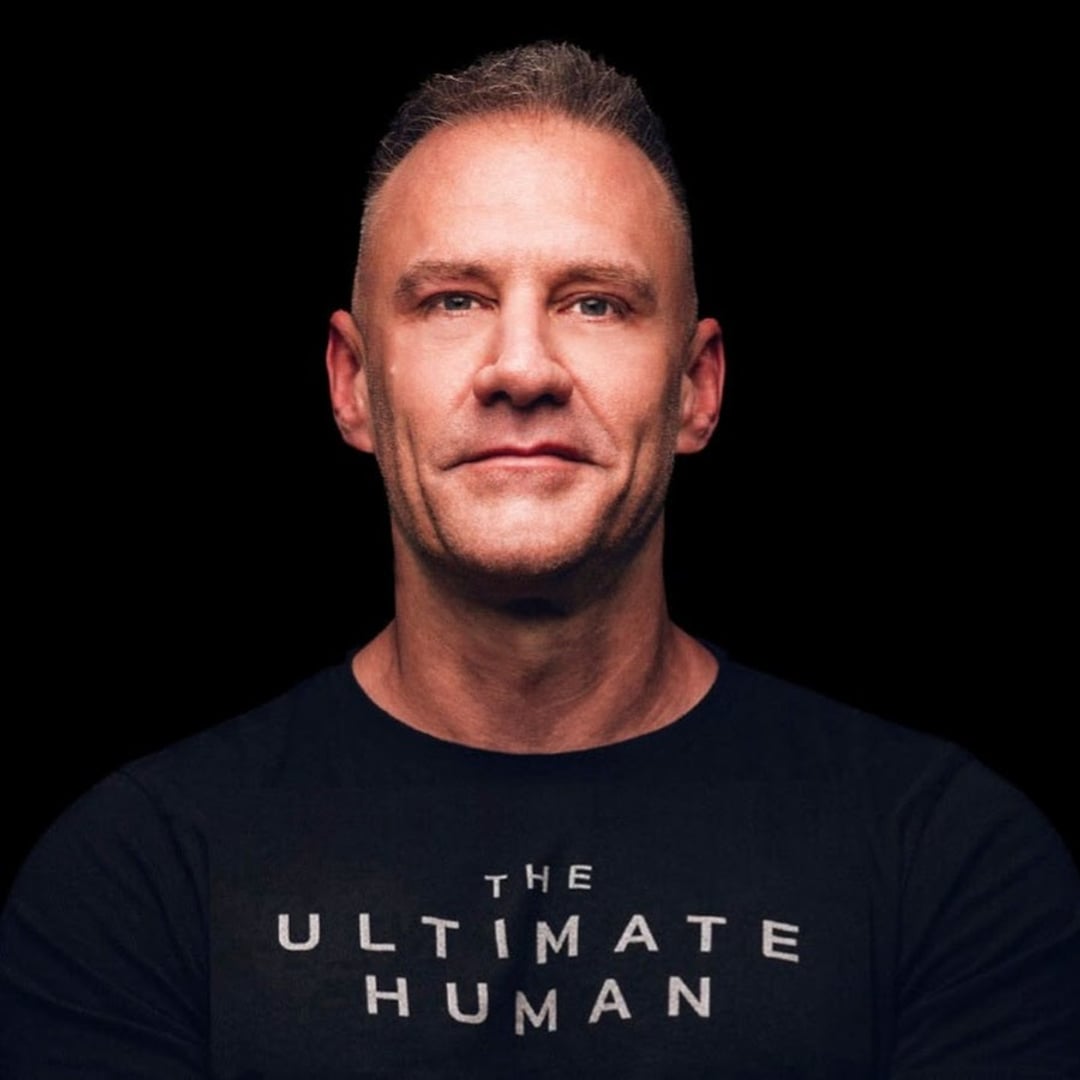
Dr. Mehmet Oz, CMS Administrator, reveals that US life expectancy is now 4–5 years behind Europe despite spending twice as much per capita, driven by chronic illness and loneliness.
2
The MAHA report uncovers alarming childhood health stats: over 1 in 5 kids over 6 are obese, 25% are pre-diabetic, and loneliness is the #1 cost driver in healthcare.
3
He advocates for community-based care models like PACE centers that reduce frailty and long-term care costs, and defends Medicaid work requirements to protect the vulnerable.
4
His personal rule as a heart surgeon: never operate on patients who come alone, emphasizing the life-or-death importance of social support.
Protocols
Concrete recipes — what, when, how much, and why
4 items
Social Support for Medical Procedures
WhatAlways bring a companion to serious medical consultations and procedures.
WhenBefore any major surgery or life-threatening diagnosis.
DoseAt least one support person per appointment.
For whomPatients facing heart surgery or other high-stakes interventions.
WhySocial support improves surgical outcomes, indicates a support network, and reduces isolation-related risks.
CaveatsNot a guarantee of success, but a rule of thumb Dr. Oz used to ensure patients had someone to rely on.
Dr. Oz developed this rule early in his cardiac surgery career after observing that patients without a support person had worse outcomes. He would refuse to operate if they came alone, pushing them to reconnect with estranged family or friends. He framed it not as a punishment but as a necessity: he needed someone to share the joy of a successful operation with. This often led patients to rebuild bridges, which itself was therapeutic.
Mechanism
Social connection reduces stress, improves adherence to pre- and post-operative instructions, and provides emotional resilience.
Personal experience
Dr. Oz enforced this rule throughout his surgical career. He would tell patients, 'I need to celebrate the success of your operation with somebody. When you're under anesthesia and I finish, who am I going to high-five with?' This message consistently motivated patients to find a support person.
I made a rule early in my career that I would not operate on patients who came to the office alone.
Also said
“I'd say to them, I need to celebrate the success of your operation with somebody. When you're under anesthesia and I finish, who am I going to high-five with?”— Shows the compassionate framing he used to enforce the rule.
Community-Based Exercise for Frailty Prevention
WhatParticipate in community health programs like PACE that combine socializing, exercise (dancing, yoga), and medical oversight.
WhenRegularly, ideally daily, especially for older adults living alone.
DoseDaily attendance at a community center with structured activities.
For whomElderly individuals at risk of isolation and frailty.
WhyBuilds core strength, balance, and social connection, preventing frailty and reducing injury risk from falls.
CaveatsRequires access to such a program and transportation; not a substitute for acute medical care.
Dr. Oz witnessed the power of this approach at a San Francisco PACE center. An octogenarian fell backward after stepping on a dumbbell but, because of months of dancing and core exercise, she was able to tense her muscles, protect her head, and roll back up without injury. In a frail person, the same fall could have caused a subdural hematoma, hospitalization, and a downward spiral. He emphasizes that frailty—measured by inability to walk a quarter mile—is the top predictor of poor outcomes, and community-based exercise directly combats it.
Mechanism
Regular exercise improves muscle strength, proprioception, and bone density. Social engagement reduces cortisol and inflammation, while community support encourages consistency.
Personal experience
Dr. Oz visited a PACE center, danced with the participants, and saw the woman fall and recover. He described it as a vivid lesson in the difference between frailty and resilience.
She'd been dancing and exercising for months in this center. And she rolled and got back up again and started dancing.
Also said
“Frailty is the single biggest predictor as you get older. If you can't walk a mile, it means a lot. Can't walk a quarter mile means a lot.”— Explains the clinical significance of preventing frailty.
Lifestyle Over Medication for Chronic Disease
WhatPrioritize whole-food diet, physical activity, and community connection over reliance on pharmaceuticals for chronic conditions.
WhenAs a lifelong daily practice, especially before chronic disease develops.
DoseOngoing lifestyle commitment.
For whomEveryone, particularly those with or at risk for obesity, diabetes, heart disease.
WhyChronic illness is often rooted in lifestyle; medications treat symptoms but don't address the cause.
CaveatsSome conditions require medication regardless of lifestyle; always consult a doctor before changing prescriptions.
Dr. Oz critiques the cultural shift that began with the birth control pill—the idea that a pill could fix a lifestyle problem. He uses the metaphor of sprinkling a statin on a kielbasa: it doesn't make the sandwich healthier. The MAHA report, he says, is about curiosity and taking responsibility. He argues that the victim mentality and reliance on governmental elites to fix health has led to the current crisis. True health requires personal agency and community support.
Mechanism
Healthy lifestyle reduces systemic inflammation, improves metabolic health, and supports mitochondrial function, reducing the need for pharmaceutical intervention.
If you sprinkle a statin drug on a kielbasa, it doesn't make the sandwich any better for you.
Also said
“What's the best way to reduce how much we spend on pharmaceuticals? Make people healthier. If they're healthy, they don't need the pills.”— Directly links lifestyle to cost reduction.
Work/Volunteer Requirements for Able-Bodied Medicaid Recipients
WhatRequire able-bodied adults on Medicaid to engage in work, volunteering, education, or caregiving to maintain eligibility.
WhenAs a condition of ongoing Medicaid enrollment for those without exemptions.
DoseOngoing demonstration of effort.
For whomAble-bodied adults without dependents or disabilities that prevent participation.
WhyEnsures program sustainability, reduces waste, and promotes personal agency.
CaveatsExemptions for the disabled, elderly, and those with caregiving responsibilities that preclude work. Must be implemented compassionately.
Dr. Oz frames this as a moral imperative to protect the original intent of Medicaid. He notes that Medicaid spending is the fastest-growing state budget item, crowding out education and child services. He compares it to SNAP work requirements, which have broad public support (80% approval). He argues that without such requirements, the system faces bankruptcy, which would harm the very populations it was designed to serve. He emphasizes that the requirement is about showing effort and agency, not punishment.
Mechanism
Policy mechanism, not biological. Aims to align incentives and preserve resources for the truly vulnerable.
You've got to show that you're trying, that you have agency over your future, that you care.
Also said
“If you bankrupt the system, you're hurting those people.”— Frames fiscal sustainability as a protection for the vulnerable.
What's new
Personal practice updates, fresh positions, predictions
5 items
US life expectancy decline despite highest spending
The US spends twice as much as other developed nations on healthcare but life expectancy has fallen 4–5 years behind Europe, a decline since Dr. Oz was in medical school.
Why this matters: As CMS Administrator, Dr. Oz frames this as a systemic failure rooted in chronic disease, not just spending inefficiency.
Background
When Dr. Oz attended medical school, US life expectancy was roughly equal to Europe. Now it lags significantly.
Dr. Oz explains that chronic illness drives about 70% of all healthcare expenditures. The solution, he argues, is not more pharmaceuticals but making people healthier so they don't need pills. He ties this to the MAHA report's mission of curiosity—asking why we're sick and acting on the answers, even when it's inconvenient. He criticizes the shift toward chronic medication that began with the birth control pill, suggesting it fostered a victim mentality and a reliance on drugs over lifestyle changes.
When I was going through medical school, we're roughly equal with Europe. Now we're about four or five years behind.
Also said
“At its very core, we're sicker people.”— Distills the root cause of high spending.
“What's the best way to reduce how much we spend on pharmaceuticals? Make people healthier.”— Directly states the solution logic.
Childhood chronic disease epidemic
The MAHA report shows over 1 in 5 children over 6 are obese (270% increase since the 1970s), 25% of kids are pre-diabetic, and rates of allergies, celiac disease, ADHD, and depression have skyrocketed.
Why this matters: Reveals that chronic disease seeds are planted in childhood, not just adulthood, demanding early intervention.
Background
US obesity rate is more than double the G7 average; 80% of obese teens remain obese into adulthood.
Dr. Oz emphasizes the financial burden: an obese child costs about $2,000 more per year, and since half of US children are on Medicaid or CHIP, the government foots the bill. He argues for improving school lunches, SNAP, and helping kids understand they have agency over their health. The downstream costs—diabetes, mental health issues—amount to tens of thousands over a lifetime. He frames this as a pandemic that requires dramatic action, not just later-life management.
A quarter of children, a quarter are pre-diabetic. … A quarter of kids have allergies. … A quarter of teenage boys are believed to be ADHD. And a quarter of women, children, you know, young girls under the age of 18, um, have significant depression.
Also said
“80% of obese teens remain obese into adulthood and this is a big problem to solve.”— Highlights the lifelong trajectory.
Loneliness as the #1 healthcare cost driver
Dr. Oz identifies loneliness as the single biggest driver of chronic illness and healthcare costs, because humans are social beings and isolation breeds disease.
Why this matters: A CMS administrator pinpointing loneliness—not a drug or procedure—as the top cost driver is unconventional and shifts the policy conversation.
Background
Research shows isolation can cut life expectancy in half at any age. Social media and modern life have eroded human connection.
Dr. Oz explains that our brains are wired for social interaction; when we're lonely, we're not using our brains properly, and chronic illnesses proliferate. He connects this to the rise in youth mental health issues and obesity. He also shares his personal rule as a heart surgeon: he would not operate on patients who came alone, because heart surgery is life-or-death and social support is critical. He would push patients to reconnect with estranged family, telling them he needed someone to high-five after surgery. This rule, he says, often brought people back into community.
Personal experience
As a heart surgeon, Dr. Oz refused to operate on patients who came to consultations alone. He would tell them, 'I need to celebrate the success of your operation with somebody. When you're under anesthesia and I finish, who am I going to high-five with?' This message usually prompted them to find a dormant relative or friend, re-establishing a support network.
A major driver of all of this and the number one driver of cost overall for what I do is loneliness.
Also said
“If you don't have another person in your life that you can crutch on, that can support you. … many of these chronic illnesses begin to grow.”— Links loneliness directly to disease onset.
“I made a rule early in my career that I would not operate on patients who came to the office alone.”— Concrete personal policy illustrating the stakes.
PACE centers as a model for elderly care
PACE (Program of All-Inclusive Care for the Elderly) centers provide community, exercise, meals, and medical care for older adults living at home, dramatically reducing long-term care facility stays and improving health outcomes.
Why this matters: Offers a concrete, scalable alternative to nursing homes that reduces frailty and costs while preserving independence.
Background
Traditional long-term care is expensive and isolating. PACE centers keep seniors in their homes but bring them to a community hub daily.
Dr. Oz describes visiting a PACE center in San Francisco where he danced with octogenarians. One woman stepped on a dumbbell, fell backward, but because she had been exercising and dancing for months, she tensed her core, held her neck up, and rolled back up without injury. He contrasts this with the typical cascade: a fall leads to a subdural hematoma, hospitalization, infection, ventilator, and decline. This, he says, is the difference between frailty and non-frailty. Frailty, measured by inability to walk a mile or a quarter mile, is the single biggest predictor of poor outcomes in aging. PACE centers build the strength and community that prevent such declines.
Personal experience
Dr. Oz visited a PACE center in San Francisco last week, danced with the elderly participants, and witnessed an 80-year-old woman fall but avoid injury because of her fitness from the program.
This woman tensed her core, held her neck up because she'd been dancing and exercising for months in this center. And she rolled and got back up again and started dancing. And that's the difference between frailty and non-frailty.
Also said
“Frailty is the single biggest predictor as you get older. If you can't walk a mile, it means a lot.”— Explains why preventing frailty is so critical.
Medicaid reform with work requirements
Dr. Oz argues that Medicaid must be protected for the truly vulnerable, but able-bodied recipients should demonstrate effort—work, volunteering, education, or caregiving—to prevent waste and ensure sustainability.
Why this matters: A sitting CMS administrator publicly defending work requirements, framing it as moral protection of the program's original intent.
Background
Medicaid spending is growing 2–3% faster than the economy, crowding out state budgets for education and child services. SNAP already has work requirements.
Dr. Oz calls the current Medicaid system 'legalized money laundering' due to waste, fraud, and abuse. He insists the moral obligation is to protect those in the dawn, zenith, and twilight of life, and those in the shadows—the original intent of the program. Expanding Medicaid to able-bodied adults without any expectation of effort, he says, threatens the program's solvency and hurts the very people it was designed to serve. He cites that 80% of Americans agree that able-bodied recipients should do something—work, volunteer, study, or care for family—to receive benefits. He frames this as giving people agency over their future, not punishment.
It is imperative that we protect Medicaid and not let anything hurt the people that every great society protects… But what has happened to Medicaid now is legalized money laundering, tons of waste, fraud, abuse… you've got to show that you're trying, that you have agency over your future, that you care.
Also said
“If you bankrupt the system, you're hurting those people.”— Directly ties fiscal responsibility to protecting the vulnerable.
“If there's someone sitting in my basement that I don't know and they're getting something free like health insurance… and they're not even willing to pick up the phone and make a phone call to try to get a job or volunteer somewhere… then do they really deserve it for free?”— Illustrates the fairness argument with a relatable scenario.
Notable quotes
Lines worth pulling out — contrarian, specific, or perfectly phrased
6 items
If you wanted to cut a person's life expectancy in half at any age, put them in isolation.
Stark, research-backed statement from host Gary Brecka that underscores the lethality of loneliness.
When I was going through medical school, we're roughly equal with Europe. Now we're about four or five years behind.
Dr. Oz quantifies the dramatic decline in US life expectancy relative to peers.
A major driver of all of this and the number one driver of cost overall for what I do is loneliness.
A CMS administrator naming loneliness as the top cost driver is a striking departure from typical healthcare policy rhetoric.
If you sprinkle a statin drug on a kielbasa, it doesn't make the sandwich any better for you.
Vivid, memorable metaphor for the futility of medicating a poor lifestyle.
I made a rule early in my career that I would not operate on patients who came to the office alone.
Reveals a deeply personal, counterintuitive surgical policy rooted in the power of social support.
This woman tensed her core, held her neck up because she'd been dancing and exercising for months in this center. And she rolled and got back up again and started dancing. And that's the difference between frailty and non-frailty.
A concrete, almost cinematic illustration of how community exercise prevents catastrophic decline in the elderly.
Sign in to share feedback
Tell us if this brief hit the mark or missed it — feedback feeds back into the next iteration of the prompt.
Reading is free for everyone. A free account adds the personal layer: save protocols, follow experts, and see how the other experts weigh in on this same topic.
Educational summary of the cited expert source — not medical advice. Open the source recording linked above and consult a qualified physician before acting on any protocol.