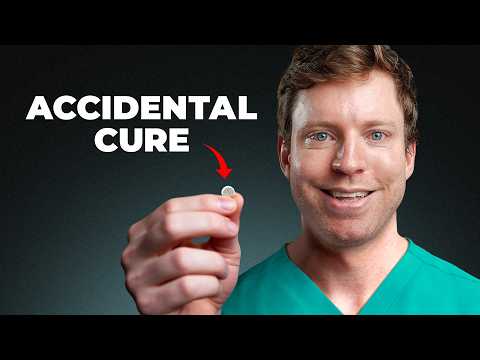
Zinc acetate lozenges (≥75 mg/day, without citric acid, sorbitol, or mannitol) can shorten colds by ~33% if started at first symptoms, with 22% of users symptom-free within 24 hours in one trial.
2
Hypertonic saline nasal irrigation, started within 48 hours, reduced cold duration by ~2 days, cut medication use by 36%, and lowered household transmission by 35% in a clinical trial, likely by supplying chloride ions for the body's own hypochlorous acid antiviral defense.
3
Honey (1 tsp before bed) consistently outperformed usual care for cough frequency and severity in a 2020 meta-analysis of 14 trials, though it doesn't shorten the infection.
4
Emerging: Sanitize nitric oxide nasal spray inactivated rhinovirus by >99% in 2 minutes in lab; Betadine gargle (used early) showed a 40% symptom improvement in a small subgroup, but evidence is preliminary.
Protocols
Concrete recipes — what, when, how much, and why
4 items
Zinc Lozenge Protocol for Colds
WhatDissolve zinc acetate or zinc gluconate lozenges slowly in the mouth, avoiding chewing, to keep zinc ions in contact with throat tissues.
WhenAt the very first sign of cold symptoms, and continue throughout the day.
DoseAbove 75 mg of zinc per day, from lozenges that do not contain citric acid, sorbitol, or mannitol.
For whomAdults with common cold symptoms; not specified for children.
WhyZinc ions interfere with viral replication in the throat; early use can abort the cold in some people.
CaveatsMay cause nausea, especially on an empty stomach; take after food. Avoid formulations with chelating agents like citric acid, sorbitol, mannitol. Not for long-term use.
The discovery traces back to 1979 when George Eby's daughter accidentally let a zinc tablet dissolve in her mouth and her cold vanished. Eby's subsequent randomized trial showed 22% of zinc users symptom-free within 24 hours versus 0% on placebo. However, the next two decades produced conflicting results because many commercial lozenges contained citric acid or other binders that chelate zinc ions, rendering them inactive. Eby himself warned that a widely cited negative trial (Turner 2000) used such a formulation. Once trials were restricted to zinc acetate lozenges without these additives, a meta-analysis by Harri Hemilä found a consistent 33% reduction in cold duration, equating to 2.73–2.94 days shorter. The key is to have the lozenges on hand before getting sick, as early intervention is critical.
Mechanism
Zinc ions directly inhibit viral replication. In petri dishes, zinc interferes with the ability of cold-causing viruses to replicate and spread. The effect requires ionized zinc, which is why lozenges must dissolve slowly in the mouth to maintain high local concentrations in the throat.
look for zinc acetate or zinc gluconate lozenges that do not contain citric acid, sorbitol, or mannitol because those compounds, they bind to the zinc ions and they neutralize the effect.
Also said
“The evidence is thus very strong that zinc lozenges may shorten the duration of colds by approximately 33%.”— Quantifies the benefit from the most rigorous meta-analysis.
“22% within the first 24 hours. But in contrast, none in the placebo group had their cold resolve that quickly.”— Shows the rapid effect possible with early zinc use.
“The ionized zinc, the form that actually fights the viruses, ranged from 100% in zinc acetate lozenges to literally 0% in some commercial formulations.”— Explains why formulation is everything.
Hypertonic Saline Nasal Irrigation and Gargling
WhatRinse the nasal passages with a hypertonic saline solution (saltier than body fluids) using a neti pot, squeeze bottle, or spray; also gargle with the solution.
WhenWithin 48 hours of first cold symptoms, and repeat several times daily.
DoseUse hypertonic saline (concentration not specified; commercial packets or homemade). Frequency: several times per day during illness.
For whomAdults and children (trial in children under 6 used saline drops).
WhyFloods nasal tissues with chloride ions, which cells use to produce hypochlorous acid—a natural antiviral bleach—thereby reducing viral load and transmission.
CaveatsUse sterile or distilled water for safety; do not use tap water without boiling. The Elvis trial was small (66 participants) and unblinded, so effect sizes may be overestimated. Larger confirmatory trial in children showed benefit.
Nasal rinsing with salt water has been a folk remedy in South Asia for millennia but was dismissed by Western medicine. Clues emerged from Australian woodworkers who reported fewer colds after using saline for wood-dust irritation, and from a 1961 lab finding that sodium chloride inactivates viruses. Dr. Sandeep Ramalingam connected these dots, demonstrating in 2018 that chloride ions fuel the innate immune system's hypochlorous acid weapon. His pilot trial (Elvis) found saline users recovered 1.9 days faster, used 36% less medication, and were 35% less likely to infect household members. A 2024 trial in over 400 children confirmed reduced symptom duration (6 vs 8 days) and lower transmission. The intervention is cheap, safe, and can be started immediately.
Mechanism
Cells lining the nose and airways can produce hypochlorous acid (HOCl) from chloride ions and hydrogen peroxide to kill viruses. During a cold, chloride can become limiting. Hypertonic saline provides a surplus of chloride ions, enabling sustained HOCl production. Additionally, the mechanical rinsing removes viral particles.
the saline solution does is flood those nasal passages with chloride ions. So you're not only washing the virus away, you're resupplying your cells with the ammunition needed to fight it themselves.
Also said
“the saline group, they recovered nearly two days faster than the control group. They used 36% less over-the-counter cold medications, and they were 35% less likely to pass on the cold to someone else in their household.”— Quantifies the real-world benefits from the pilot trial.
“The cells that line your nose and airways, they already have a built-in antiviral weapon. So when a virus shows up, those cells can produce tiny amounts of hypochlorous acid, which is essentially a natural form of bleach, and it's used to kill the viruses before it spreads.”— Explains the biological mechanism in accessible terms.
Honey for Cough and Cold Symptom Relief
WhatTake 1 teaspoon of straight honey 30–60 minutes before bedtime.
WhenDuring a cold, especially when cough is bothersome, before sleep.
Dose1 teaspoon (approx. 5 ml) of honey, 30–60 minutes before bed. Optimal dose unknown.
For whomAdults and children over 1 year (honey is unsafe for infants due to botulism risk).
WhyReduces cough frequency and severity, improving comfort and sleep; supported by a meta-analysis of 14 trials showing superiority to usual care.
CaveatsNot for infants under 1 year. Does not shorten the infection, only symptom relief. Optimal type (raw vs processed) and dose not established.
Honey has been used medicinally for millennia—ancient Egyptian papyri mention it in 500 of 900 remedies, and Hippocrates prescribed it for coughs. Despite this, modern medicine largely ignored it until a 2020 Oxford systematic review and meta-analysis of 14 randomized controlled trials. The analysis found that honey significantly improved combined symptom scores, reduced cough frequency, and reduced cough severity compared to usual care. The researchers, led by Joe Lee, noted honey is cheap, widely available, and worth trying before visiting a doctor. However, the speaker acknowledges gaps: optimal dosing and whether raw honey differs from processed remain unknown. Still, the consistency across trials makes it a low-risk, evidence-based option for symptom relief.
honey is cheap and widely available. Many people will probably have some sitting in their cupboard. So it's worth giving it a try before visiting your GP.
Also said
“compared to usual care, honey improved the combined symptom scores. It reduced cough frequency, and it reduced cough severity.”— Summarizes the meta-analysis findings.
“across the 14 trials in both children and adults, honey reliably outperformed usual care for cold symptoms.”— Emphasizes the consistency of the evidence.
Betadine Gargle for Early Cold Symptoms
WhatGargle with Betadine (povidone-iodine) solution according to product instructions.
WhenWithin the first 24 hours of cold symptoms.
DoseAs directed on the product label; typically gargle for 30 seconds, several times a day.
For whomAdults with common cold symptoms.
WhyPovidone-iodine is a broad-spectrum antiseptic; early use may reduce symptom severity, though evidence is limited.
CaveatsEvidence is thinner than for zinc or saline. A phase 3 trial of Betadine nasal spray missed its primary endpoint; the 40% symptom improvement was in a small subgroup (n=29) who started within 24 hours. Gargling evidence is even less robust. Not a substitute for proven strategies. Avoid in those with thyroid conditions or iodine allergy.
Betadine (povidone-iodine) is a well-known antiseptic. Japan has included Betadine gargling in national respiratory guidelines for years, though the speaker notes the evidence for gargling specifically is thinner. A recent phase 3 trial tested a 0.5% Betadine nasal spray in 260 adults with colds. The primary endpoint—nasal symptom improvement—was not statistically significant. However, a pre-specified subgroup of participants who began treatment within 24 hours of symptom onset showed a 40% improvement in overall symptom severity compared to saline. This subgroup was only 29 people, far too small for firm conclusions. The speaker presents this as an emerging option to watch, not a first-line recommendation. Betadine gargle is inexpensive and widely available over the counter, making it a low-cost potential addition, but with the caveat that the data are not yet strong.
Mechanism
Povidone-iodine releases free iodine, which has direct virucidal activity, disrupting viral envelopes and proteins.
among people who started using the spray within the first 24 hours of symptoms, there was a striking 40% improvement in overall symptom severity compared to saline.
Also said
“The primary endpoint, which was nasal symptom improvement, did not reach statistical significance.”— Highlights the trial's failure on its main goal.
“Japan has included Betadine gargling in their national respiratory guidelines for years.”— Shows real-world adoption despite limited evidence.
What's new
Personal practice updates, fresh positions, predictions
6 items
zinc-lozenge-formulation-matters
Zinc lozenges work only if they contain ionizable zinc and are free of citric acid, sorbitol, or mannitol, which chelate zinc and neutralize its antiviral effect.
Why this matters: Explains why decades of zinc trials were contradictory and how to get the real benefit.
Background
Zinc lozenges were controversial; some trials showed dramatic cold shortening while others found no effect.
The story began in 1979 when George Eby's daughter accidentally dissolved a zinc tablet in her mouth and her cold vanished. Eby's subsequent randomized trial found 22% of zinc users symptom-free within 24 hours versus 0% on placebo. However, the next two decades produced conflicting results because many commercial lozenges contained citric acid or other binders that chelate zinc ions, rendering them inactive. Eby himself warned that a widely cited negative trial (Turner 2000) used such a formulation. Once trials were restricted to zinc acetate lozenges without these additives, a meta-analysis by Harri Hemilä found a consistent 33% reduction in cold duration, equating to 2.73–2.94 days shorter. The key is to have the lozenges on hand before getting sick, as early intervention is critical.
The ionized zinc, the form that actually fights the viruses, ranged from 100% in zinc acetate lozenges to literally 0% in some commercial formulations.
Also said
“The evidence is thus very strong that zinc lozenges may shorten the duration of colds by approximately 33%.”— Quantifies the benefit from the most rigorous meta-analysis.
“22% within the first 24 hours. But in contrast, none in the placebo group had their cold resolve that quickly.”— Shows the rapid effect possible with early zinc use.
saline-nasal-irrigation-mechanism
Hypertonic saline works not just by washing away virus but by supplying chloride ions that cells use to produce hypochlorous acid, a natural antiviral bleach.
Why this matters: First mechanistic explanation for why an ancient folk remedy actually works against viruses.
Background
Nasal rinsing with salt water was a folk remedy in South Asia for millennia but dismissed by Western medicine.
Clues emerged from Australian woodworkers who reported fewer colds after using saline for wood-dust irritation, and from a 1961 lab finding that sodium chloride inactivates viruses. Dr. Sandeep Ramalingam connected these dots, demonstrating in 2018 that chloride ions fuel the innate immune system's hypochlorous acid weapon. His pilot trial (Elvis) found saline users recovered 1.9 days faster, used 36% less medication, and were 35% less likely to infect household members. A 2024 trial in over 400 children confirmed reduced symptom duration (6 vs 8 days) and lower transmission. The intervention is cheap, safe, and can be started immediately.
the saline solution does is flood those nasal passages with chloride ions. So you're not only washing the virus away, you're resupplying your cells with the ammunition needed to fight it themselves.
Also said
“the saline group, they recovered nearly two days faster than the control group. They used 36% less over-the-counter cold medications, and they were 35% less likely to pass on the cold to someone else in their household.”— Quantifies the real-world benefits from the pilot trial.
“The cells that line your nose and airways, they already have a built-in antiviral weapon. So when a virus shows up, those cells can produce tiny amounts of hypochlorous acid, which is essentially a natural form of bleach, and it's used to kill the viruses before it spreads.”— Explains the biological mechanism in accessible terms.
honey-effective-for-colds
A 2020 Oxford meta-analysis of 14 RCTs found honey reliably reduces cough frequency and severity in upper respiratory infections, outperforming usual care.
Why this matters: Elevates a grandmother's remedy to evidence-based medicine, with consistent trial data.
Background
Honey has been used medicinally for millennia—ancient Egyptian papyri mention it in 500 of 900 remedies, and Hippocrates prescribed it for coughs—but modern medicine ignored it.
The Oxford systematic review and meta-analysis pulled data from 14 randomized controlled trials involving patients of all ages with upper respiratory tract infections. Compared to usual care, honey improved combined symptom scores, reduced cough frequency, and reduced cough severity. The effects were consistent enough that the researchers concluded honey was superior to usual care. Lead author Joe Lee noted honey is cheap, widely available, and worth trying before visiting a GP. The speaker acknowledges gaps: optimal dosing and whether raw honey differs from processed remain unknown. Still, the consistency across trials makes it a low-risk, evidence-based option for symptom relief.
honey is cheap and widely available. Many people will probably have some sitting in their cupboard. So it's worth giving it a try before visiting your GP.
Also said
“compared to usual care, honey improved the combined symptom scores. It reduced cough frequency, and it reduced cough severity.”— Summarizes the meta-analysis findings.
“across the 14 trials in both children and adults, honey reliably outperformed usual care for cold symptoms.”— Emphasizes the consistency of the evidence.
nitric-oxide-spray-rhinovirus
Sanitize nitric oxide nasal spray inactivated human rhinovirus by over 99% within 2 minutes in a 2025 lab study, and showed rapid inactivation of influenza and COVID.
Why this matters: Lab results are remarkable, but clinical trials for the common cold are still underway.
Background
Nitric oxide is an endogenous molecule involved in immune defense. A company developed a spray that releases sustained doses in the nasal cavity.
In a 2025 study, the spray inactivated influenza A and B within 15 seconds, eliminated COVID virus within 2 minutes, and reduced human rhinovirus by over 99% within 2 minutes. A clinical trial during COVID showed it could clear viral loads by about 95% within the first 24 hours in real patients, but that was for COVID, not colds. A large European trial across seven countries is currently testing it against respiratory infections broadly, but results are not yet available. Currently the spray is only available in a handful of countries. The speaker presents this as an emerging tool to watch.
It reduced human rhinovirus, which is the most common causes of the cold, by over 99% within 2 minutes.
Also said
“in a 2025 study, the spray inactivated influenza A and B within 15 seconds, and it eliminated the COVID virus within 2 minutes.”— Demonstrates broad-spectrum speed.
betadine-early-use-subgroup
A phase 3 trial of Betadine nasal spray missed its primary endpoint, but a small subgroup who started within 24 hours had a 40% improvement in symptom severity.
Why this matters: Suggests early use might matter, but the evidence is too thin to recommend confidently.
Background
Betadine (povidone-iodine) is a widely available antiseptic. Japan includes Betadine gargling in national respiratory guidelines.
The phase 3 trial tested 0.5% Betadine nasal spray in 260 adults with common cold symptoms. The primary endpoint—nasal symptom improvement—did not reach statistical significance. However, among people who started using the spray within the first 24 hours of symptoms, there was a striking 40% improvement in overall symptom severity compared to saline. This subgroup had only 29 people, far too small to draw firm conclusions. The speaker notes that Betadine gargle is more accessible and inexpensive, but the evidence for gargling specifically is even thinner. Both are worth watching as research develops, but for now the strongest evidence sits with zinc, saline, and honey.
among people who started using the spray within the first 24 hours of symptoms, there was a striking 40% improvement in overall symptom severity compared to saline.
Also said
“The primary endpoint, which was nasal symptom improvement, did not reach statistical significance.”— Highlights the trial's failure on its main goal.
“Japan has included Betadine gargling in their national respiratory guidelines for years.”— Shows real-world adoption despite limited evidence.
ineffective-cold-remedies
High-dose vitamin C, echinacea, garlic, and mega-doses of vitamin D have all been tested in human clinical trials and are not effective for the common cold.
Why this matters: Challenges a billion-dollar industry and common consumer beliefs.
Background
Many people reach for these supplements when a cold strikes, and companies market them aggressively.
The speaker states bluntly that most of what we reach for doesn't work. He lists high-dose vitamin C, echinacea, garlic, and mega-doses of vitamin D as examples that have been tested in human clinical trials and found ineffective. This sets up the contrast with the three evidence-based strategies (zinc, saline, honey) that actually have trial support. The cold remedy industry is built on products that fail when tested properly, yet they continue to sell because people are desperate to feel better.
most of what we reach for when a cold strikes doesn't actually work. So be it high-dose vitamin C, echinacea, garlic, mega-doses of vitamin D, they've all been tested in human clinical trials, and none of them are effective.
Also said
“It's a billion-dollar industry built on remedies that fail when you test them properly.”— Underscores the scale of the problem.
Recommendations
Products, supplements, and tools mentioned in the episode
5 items
Zinc acetate or zinc gluconate lozenges (free of citric acid, sorbitol, mannitol)
Supplement
For shortening cold duration when taken at first symptoms.
The speaker emphasizes that only lozenges with ionizable zinc work; many commercial products are ineffective due to added binders. Look for minimal ingredients. Dose >75 mg/day.
vs alternatives
Compared to zinc lozenges with citric acid or other chelators, which have 0% ionized zinc and no benefit.
the dose that showed a benefit in a meta-analysis of zinc acetate trials was above 75 mg per day of zinc.
Also said
“look for zinc acetate or zinc gluconate lozenges that do not contain citric acid, sorbitol, or mannitol”— Specific shopping guidance.
Emerging; lab studies show rapid inactivation of cold viruses, but clinical trials for colds are pending.
The spray releases sustained nitric oxide. In a 2025 lab study, it inactivated rhinovirus by >99% in 2 minutes. A COVID trial showed 95% viral load reduction in 24 hours. A large European trial is underway. Currently available in only a few countries.
vs alternatives
Compared to saline sprays, nitric oxide spray has direct virucidal activity in lab, but real-world cold efficacy unproven.
It reduced human rhinovirus, which is the most common causes of the cold, by over 99% within 2 minutes.
Also said
“in a 2025 study, the spray inactivated influenza A and B within 15 seconds, and it eliminated the COVID virus within 2 minutes.”— Demonstrates broad-spectrum speed.
Over-the-counter antiseptic gargle; may help if used early, but evidence is limited.
Japan includes it in respiratory guidelines. The speaker notes the evidence for gargling is thinner than for nasal spray. The phase 3 nasal spray trial failed its primary endpoint but showed a 40% symptom improvement in a small early-use subgroup. Gargle is inexpensive and accessible.
vs alternatives
Compared to saline gargle, Betadine adds antiseptic action, but clinical proof of superiority is lacking.
Japan has included Betadine gargling in their national respiratory guidelines for years.
Lines worth pulling out — contrarian, specific, or perfectly phrased
6 items
It's a billion-dollar industry built on remedies that fail when you test them properly.
Blunt critique of the cold remedy market.
most of what we reach for when a cold strikes doesn't actually work. So be it high-dose vitamin C, echinacea, garlic, mega-doses of vitamin D, they've all been tested in human clinical trials, and none of them are effective.
Clear list of ineffective popular remedies.
The evidence is thus very strong that zinc lozenges may shorten the duration of colds by approximately 33%.
Strong endorsement from a leading researcher.
the saline solution does is flood those nasal passages with chloride ions. So you're not only washing the virus away, you're resupplying your cells with the ammunition needed to fight it themselves.
Vivid mechanistic explanation.
honey is cheap and widely available. Many people will probably have some sitting in their cupboard. So it's worth giving it a try before visiting your GP.
Practical, evidence-based advice from a doctor.
22% within the first 24 hours. But in contrast, none in the placebo group had their cold resolve that quickly.
Striking statistic from the original zinc trial.
Sign in to share feedback
Tell us if this brief hit the mark or missed it — feedback feeds back into the next iteration of the prompt.
Reading is free for everyone. A free account adds the personal layer: save protocols, follow experts, and see how the other experts weigh in on this same topic.
Educational summary of the cited expert source — not medical advice. Open the source recording linked above and consult a qualified physician before acting on any protocol.