UNFUCG
DashboardSearchChatBookmarksNotificationsActivityPremiumProfile
?
Home
Search
Chat
Saved
Profile
Episode
Gary Brecka Shares Top Airplane Travel Health Hacks - Move, Breathe, Hydrate | TUH #218
~20 min
Episode Brief·YouTube

Gary Brecka Shares Top Airplane Travel Health Hacks - Move, Breathe, Hydrate | TUH #218

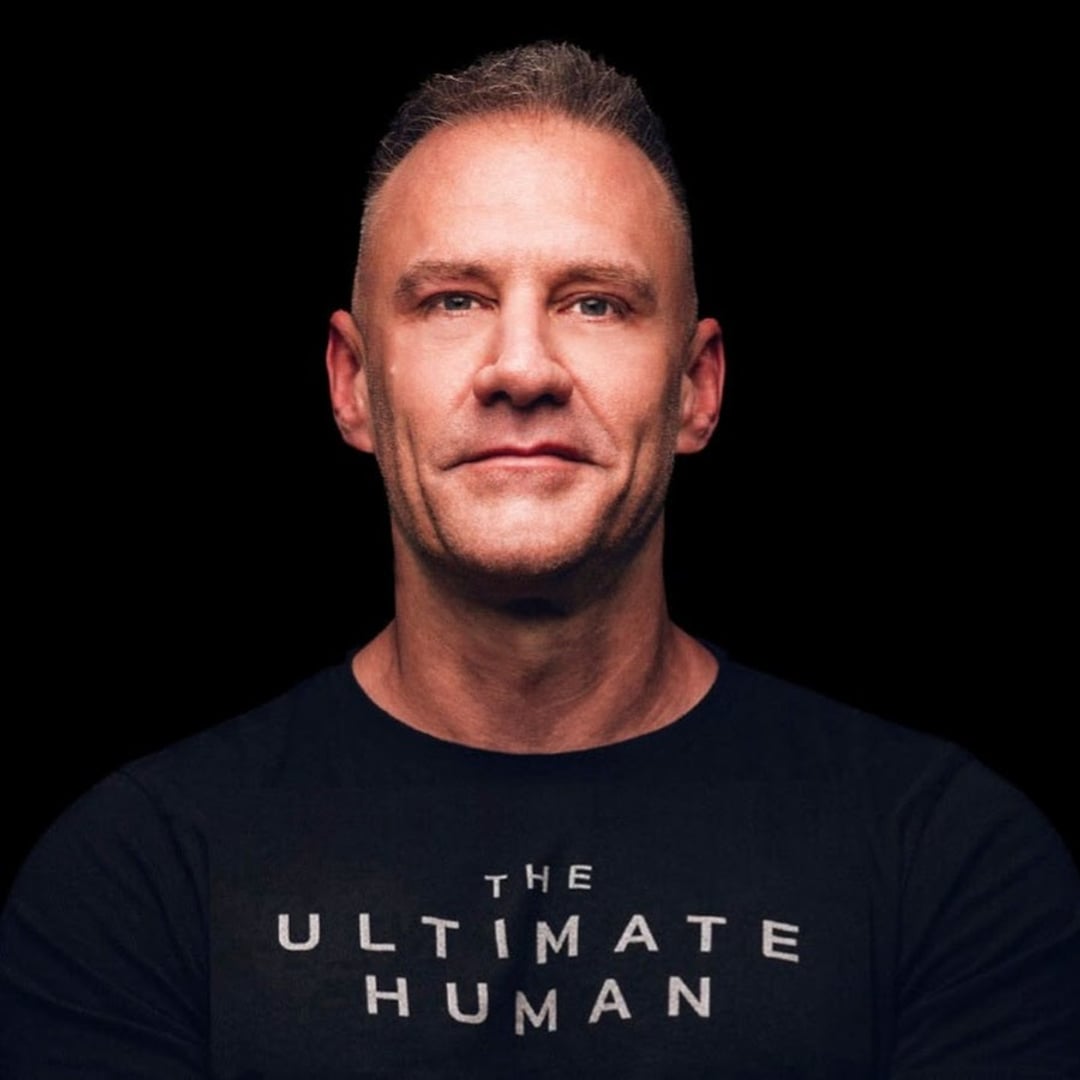
Gary Brecka
Watch on YouTube Add to chat My bookmarks← All sources

TL;DR

The four things you'd lose by not watching

4 items

TL;DR

The four things you'd lose by not watching

4 items
1

Fast on domestic flights under 5 hours to avoid diverting energy to digestion at altitude, and bring clean food (nuts, jerky) for long-haul flights instead of eating airline meals.

2

Preload before boarding with Baja Gold mineral salt, Perfect Amino essential amino acids, and H2 TAB hydrogen tablets to combat dehydration, low oxygen, static electricity, radiation, and toxicity from other passengers.

3

Every hour in the air, do 10 air squats and 10 deep nasal-in/mouth-out breaths to pump your lymphatic system and oxygenate the lower lungs.

4

After landing, get 10–15 minutes of sunlight without sunglasses, elevate your legs above your heart for 10 minutes, and move for 20 minutes to reset your circadian rhythm, drain pooled blood, and clear stress.

Protocols

Concrete recipes — what, when, how much, and why

9 items

Eat a real, nutrient-dense meal before heading to the airport

WhatConsume a solid meal of whole foods — quality protein, healthy fats, vegetables — before leaving for the airport.
WhenWithin a few hours before departure, prior to heading to the airport.
DoseOne substantial meal; not specified by macros.
For whomAll travelers
WhyGives the body the fuel it needs to handle stress and avoids relying on poor-quality airport or airplane food.
CaveatsFor domestic flights under 5 hours, this meal is intended to be the last solid food until landing; for long-haul flights, Brecka advises bringing your own clean food instead of eating plane meals.

I eat a real meal before I leave for the airport. And when I say real, I mean nutrient-dense whole foods, quality protein, healthy fats, some vegetables. This is not the time for grabbing something quick or convenient.

Fast on domestic flights (under 5 hours)

WhatAvoid all solid food during the flight; consume only water with electrolytes, minerals, and hydrogen gas.
WhenDuring any domestic flight shorter than 5 hours.
DoseDuration of the flight.
For whomAnyone flying domestically; especially those who want to avoid immune suppression and post-flight grogginess.
WhyDigestion diverts blood and oxygen from the brain and adds stress in an environment of low oxygen and dehydration; fasting keeps blood flow in the brain, energy stable, and the body focused on protection.
CaveatsFor international flights over 8 hours, Brecka recommends eating but bringing your own clean food (e.g., raw nuts, grass-fed jerky) and avoiding airport/airline meals loaded with seed oils and processed ingredients.

Brecka explains that at commercial airplane altitudes, the body is already under physiological stress from reduced oxygen and extreme dryness. Eating triggers digestion, which is one of the most energy-demanding processes. It causes blood to be shunted to the gut, reducing cerebral oxygen delivery and adding metabolic load to an already taxed system. By abstaining from food, the body can maintain better brain perfusion, keep energy stable, and focus on immune defense rather than digestive work. He frames this as a superpower for frequent flyers and a simple way to avoid the crash that follows a heavy meal in a low-oxygen environment.

Mechanism

At altitude, partial pressure of oxygen is lower, reducing blood oxygen saturation. Digestion increases splanchnic blood flow, which competes with brain and muscle for oxygen. The cabin’s 10–20% humidity accelerates fluid loss, and adding digestive demand exacerbates systemic strain. Fasting eliminates this oxygen steal and keeps the body’s resources dedicated to maintaining homeostasis and immune surveillance.

Personal experience

Brecka states: “If I’m flying domestic, anything under four or five hours, I’m not going to eat on the plane at all. I’ll eat before I board and after I land.” He has adopted this policy after extensive travel and claims it keeps him sharp and prevents post-flight fatigue.

Fasting on airplanes is a superpower.

Also said
“When you eat, especially at altitude, your body has to divert blood flow to your gut to digest that food. That means less blood going to your brain, less oxygen getting where it needs to go, and more stress on a system that’s already working harder than normal.”— Provides the direct physiological trade-off.
“It keeps blood flow in my brain, keeps my energy stable, and it keeps my body focused on protecting itself, not breaking down a mediocre sandwich that you got in the airport.”— Adds the personal motivation and contrasts with typical traveler behavior.

Pre-flight hydration with minerals, amino acids, and hydrogen gas

WhatDrink water mixed with Baja Gold sea salt, Perfect Amino essential amino acids, and H2 TAB hydrogen tablets before boarding.
WhenBefore heading to the airport or while at the gate, before boarding.
DoseNot specified; presumably one serving each of the three products in water.
For whomAll air travelers
WhyFront-loads the body with the full spectrum of minerals, amino acids to supply raw materials without breaking a fast, and hydrogen gas to improve microvascular circulation and counter the dehydrating, low-oxygen, high-radiation cabin environment.
CaveatsThese supplements are intended to be taken without any solid food to maintain the fasted state. Brecka does not specify exact measurements; listeners should follow product label instructions.

Brecka portrays the airplane cabin as a hostile environment where static electricity, low humidity, low barometric pressure, increased radiation, and airborne pathogens all attack the body. Starting to hydrate before stepping on the plane is crucial because once in the air, moisture loss accelerates rapidly. Plain water is insufficient because it lacks the mineral matrix needed to hold fluid in the cells. By combining a full-spectrum mineral salt (Baja Gold) with pure essential amino acids (Perfect Amino) and hydrogen gas (H2 TAB), he claims to give the body osmotic support, building blocks for immunity and tissue repair, and enhanced microvascular flow — all without breaking a fast. This pre-load aims to keep cells hydrated, maintain protein synthesis capacity, and offset the circulatory sluggishness of prolonged sitting.

Mechanism

Electrolytes (sodium, potassium, magnesium, and trace minerals) maintain osmotic balance and prevent rapid water loss. The amino acids provide substrate for glutathione synthesis, immune cell function, and muscle preservation during a fasted state. Hydrogen gas acts as a gaseous signaling molecule that may improve microvascular circulation by reducing oxidative stress and enhancing blood flow in the capillaries, which is especially relevant when the heart’s pumping action cannot fully overcome gravity’s pooling effect in the legs.

Personal experience

Brecka personally uses this combination before every flight: “I use all three of those before you board a flight. Baja Gold sea salt, perfect aminos, and hydrogen tablets so that you don’t break a fast, and you also improve circulation, give your body the amino acids it needs, and most importantly, give it all 91 of the essential minerals.”

I use all three of those before you board a flight. Baja Gold sea salt, perfect aminos, and hydrogen tablets so that you don’t break a fast, and you also improve circulation, give your body the amino acids it needs, and most importantly, give it all 91 of the essential minerals.

Also said
“Your body is about to lose a ton of moisture, so you want to start ahead of the curve.”— Summarizes the rationale for pre-hydration.

Hourly in-flight movement and deep breathing

WhatEvery hour, stand up, do 10 slow air squats, and take 10 deep breaths (inhale through nose, exhale through pursed lips like a straw), optionally walking to the back of the plane.
WhenEvery hour during flight, regardless of duration.
Dose10 squats and 10 breaths each hour.
For whomAll passengers, especially on flights longer than 2 hours.
WhySitting idly shuts down the lymphatic system, which relies on muscle contractions to circulate immune cells and clear waste; air squats pump lymph, and deep breaths recruit lower lung capacity that becomes shallow when seated.
CaveatsBreaths should be deep but not loud or attention-drawing. Squats should be slow and controlled. Perform in the aisle, galley, or alcove without disrupting other passengers.

Brecka emphasizes that the lymphatic system — a central part of immune defense — lacks a pump like the heart and depends entirely on physical movement. Hours of sitting cause lymphatic stagnation, meaning waste products accumulate and immune cells fail to circulate efficiently. The cabin’s dry, low-pressure air also encourages shallow breathing, limiting oxygen exchange to the apex of the lungs and neglecting the lower lobes where the most gas exchange capacity resides. By combining 10 air squats (which contract leg and core muscles to push lymph upward) with 10 intentional deep breaths that fill the lower lungs, he aims to re-mobilize the lymph, enhance oxygen saturation, and reverse the respiratory stagnation of sedentary flying.

Mechanism

The lymphatic system returns interstitial fluid and immune cells to the bloodstream via one-way valves that open when surrounding skeletal muscles contract. Without movement, lymph flow nearly halts. Air squats generate rhythmic lower-body muscle contractions that pump lymph from the legs and pelvis. Deep breathing, particularly with a prolonged exhale, creates negative intrathoracic pressure that draws lymph from the lower body into the thoracic duct. Additionally, consciously using the diaphragm and secondary respiratory muscles reopens the lung bases, improving ventilation-perfusion matching and countering the hypoxic drift of shallow cabin breathing.

Personal experience

Brecka says, “Every hour, I'm standing up. I'm doing about 10 air squats right there in the aisle, or I'll walk to the back of the plane or find one of those al coes, and I'll just do 10 slow air squats. nothing crazy. And I'll remind myself to take 10 intentional deep breaths.”

When you sit still for hours, your lymphatic system shuts down. … It doesn’t have a pump like your heart does. It relies on movement. So, if you’re not moving, you’re not detoxing.

Also said
“Get oxygen deep down into the loes of your lungs. When we’re sitting on aircraft, our respiratory rate becomes more shallow. We breathe only with the apex of our lungs and not with the loes of our lungs where the massive amount of capacity is.”— Explains the specific respiratory limitation of seated posture.
“Standing up and moving every hour … your lymphatic system shuts down. That’s the system responsible for clearing waste and moving your immune cells around your body.”— Reinforces the immune consequence of immobility.

Wear blue light blocking glasses on flights

WhatWear glasses that block blue spectrum light during the flight, especially at night or when trying to sleep.
WhenThroughout the entire flight, particularly on evening or overnight flights and when aiming to adjust to new time zones.
DoseContinuous wear while exposed to cabin lighting.
For whomAll travelers, especially those crossing time zones or flying at night.
WhyAirplane cabin lights are high in blue spectrum, which signals the brain that it’s daytime, disrupting circadian rhythm and impairing sleep; blue light blockers help preserve melatonin signaling.
CaveatsThese are light-blocking glasses, not reading glasses. They should be worn whenever the cabin lights are on, even if not looking directly at screens.

Brecka describes airplane cabin lighting as “terrible for your circadian rhythm” because it is bright and weighted toward blue wavelengths, telling the brain it’s midday regardless of actual time. This causes a mismatch between the external environment and the internal body clock, worsening jet lag and making it difficult to feel rested after landing. By filtering out blue light, the glasses help maintain melatonin production and signal to the brain that it’s evening, supporting sleep on the plane and easier adaptation to the destination time zone.

Mechanism

Blue light (wavelengths around 460–480 nm) stimulates intrinsically photosensitive retinal ganglion cells that project to the suprachiasmatic nucleus, the master circadian pacemaker. This suppressed melatonin secretion and phase-delays the circadian clock. Blocking blue light prevents that stimulation, allowing the natural dim-light melatonin onset to proceed, which aids sleep onset and aligns the body with the destination schedule.

Personal experience

Brecka states, “I'm wearing blue light blocking glasses on every flight, especially if I'm flying at night or trying to sleep.”

The lighting on airplanes is terrible for your circadian rhythm. It’s bright. It’s heavy blue spectrum, and it’s telling your brain it’s the middle of the day, even when it’s not.

Also said
“If you want any chance of adjusting to a new time zone or just feeling rested when you land, you’ve got to protect your eyes from the artificial light.”— States the direct consequence of not using the glasses.

Avoid alcohol while flying

WhatSkip all alcoholic beverages from the time you start travel until after you’ve landed and recovered.
WhenDuring the entire flight and pre-boarding period.
DoseNo alcohol at all.
For whomAll air travelers
WhyAlcohol’s dehydrating and immunosuppressive effects are amplified at altitude due to lower oxygen and dry air, which worsens dehydration, weakens the immune system, and adds physiological stress.

Brecka explains that although alcohol’s potency does not literally double at altitude, the combined impact of lower oxygen and arid cabin air amplifies both its intoxicating and dehydrating effects. Alcohol is a diuretic, which accelerates the water loss already occurring, and it suppresses immune function at a time when the body is exposed to airborne pathogens. By abstaining, travelers avoid compounding the stress of the cabin environment and arrive with less fatigue and a stronger immune barrier.

Mechanism

Alcohol inhibits antidiuretic hormone, increasing urine output and accelerating dehydration. At altitude, the already low humidity and reduced partial pressure of oxygen cause increased respiratory water loss and reduced blood oxygen, creating a synergistic dehydration stress. Alcohol also disrupts sleep architecture and reduces natural killer cell activity, weakening immune defense.

Drinking alcohol at altitude on a plane can hit harder than usual. Not because it doubles in strength, but because the lower oxygen and dry air amplify the effects and the dehydration that alcohol exerts on the body.

Also said
“Alcohol also really contributes to dehydration by weakening your immune system and it adds stress to the body that’s already working harder to adapt to that environment.”— Adds the immune angle beyond just dehydration.

Post-landing sunlight exposure within hours of arrival

WhatGo outside and expose your eyes to natural light without sunglasses for 10–15 minutes as soon as possible after landing.
WhenWithin the first few hours after landing, ideally in the morning local time if arriving during daylight.
Dose10–15 minutes.
For whomAll travelers, especially those crossing multiple time zones.
WhyNatural light is the primary zeitgeber for resetting the circadian clock; it initiates the cortisol awakening response, promotes alertness, and sets the stage for a restorative night’s sleep in the new time zone.
CaveatsNo sunglasses; avoid direct staring at the sun. If landing at night, start with artificial bright light in the morning and follow with natural light as soon as the sun rises.

Brecka frames exposure to natural sunlight as the single most powerful action to recover from jet lag. The internal clock relies on light signals entering the eyes to synchronize with the local day-night cycle. Sunlight, particularly in the morning, triggers a cascade that includes cortisol release, which promotes wakefulness and sets a timer for melatonin production later in the evening. He warns that skipping this step often results in days of dragging fatigue and poor sleep, which perpetuates immune weakness and ruins the trip experience.

Mechanism

Morning natural light (high color temperature, broad spectrum) activates melanopsin-containing retinal ganglion cells that project to the suprachiasmatic nucleus, resetting the circadian phase. This triggers the hypothalamic-pituitary-adrenal axis to produce a cortisol pulse that enhances alertness and metabolic readiness. The phase shift also aligns the subsequent melatonin secretion to the new night, consolidating sleep.

Personal experience

Brecka insists, “I don’t care if you’re tired. I don’t care if it’s cold outside. As soon as possible after you land, get outside and just get natural light into your eyes.”

If you skip this step, you’re going to be dragging for days. And all it takes is 10 or 15 minutes outside, no sunglasses, just let that light into your eyes.

Also said
“Sunlight in the morning tells your brain that it’s time to be awake and time to be alert. It starts the cortisol rhythm that’s going to carry you throughout the day and it’s also going to set you up for a good night’s sleep that night.”— Explains the dual action of cortisol and sleep induction.

Legs-up-the-wall for 10 minutes after landing

WhatLay on the floor with legs elevated on the bed, or sit on the bed with buttocks against the wall and legs vertical, for about 10 minutes.
WhenImmediately after arriving at the hotel or final destination.
Dose10 minutes.
For whomAll travelers, especially after long flights.
WhyGravity has caused blood to pool in the legs during the flight; elevating the legs above the heart helps drain that stagnant, deoxygenated blood back into circulation, refreshing the extremities with oxygenated blood.
CaveatsCan be done on the hotel room floor or bed; no special equipment needed. Ensure comfort and avoid strain.

Brecka explains that prolonged sitting in a pressurized cabin causes blood to pool in the lower extremities because the skeletal muscle pump is inactive and gravity pulls fluid downward. This “old pulled tired blood” needs to be returned to central circulation where it can be re-oxygenated and filtered. Simply spending 10 minutes with the legs above the heart uses gravity in reverse to facilitate venous return and reduce swelling, which he says leaves him feeling refreshed and lighter.

Mechanism

Venous return is primarily driven by the pressure gradient created by the muscle pump and respiratory pump. In the absence of movement, gravity causes venous pooling in the legs, increasing hydrostatic pressure and impairing capillary exchange. Elevating the legs reduces the gravitational column, allowing passive drainage through the venous system, decreasing hydrostatic pressure, and facilitating the return of blood to the heart and lungs for gas exchange and filtration by the lymphatic system and kidneys.

Personal experience

Brecka says, “Another thing I do first thing when I arrive to a hotel room is I will either lay on the floor of the hotel and put my legs up on the bed or I will get onto the bed, scoot my butt as close as I can to the wall and get my feet above my heart for about 10 minutes. Let that old pulled tired blood out. Let it drain out of your extremities and go back into circulation and get fresh new oxygen.”

Let that old pulled tired blood out. Let it drain out of your extremities and go back into circulation and get fresh new oxygen.

Post-landing movement (20 minutes of light exercise)

WhatAfter landing, do 20 minutes of movement — a walk, a quick hotel gym circuit, or bodyweight exercises in the room.
WhenWithin the first few hours after landing, following leg elevation and sunlight exposure.
Dose20 minutes.
For whomAll travelers
WhyReactivates the lymphatic system, stimulates blood flow, and helps the body clear the metabolic and circulatory stagnation accumulated during the flight.
CaveatsDoes not need to be intense; the goal is gentle reactivation, not an exhaustive workout. Adjust to fatigue level.

Complementing the sunlight and leg elevation, Brecka prescribes 20 minutes of low- to moderate-intensity movement to fully restart the body’s circulatory and detoxification systems. He explains that after hours of immobility, the lymphatic system remains sluggish, and waste products are still not being effectively cleared. Light exercise — whether a walk outdoors, a few rounds of bodyweight squats and lunges in the hotel room, or a brief session in the gym — jumpstarts lymph flow, increases cardiac output, and enhances tissue oxygenation, completing the recovery process from travel.

Mechanism

Contractions of skeletal muscles compress lymphatic vessels, pushing lymph through one-way valves toward the thoracic duct and back into the venous circulation. Increased heart rate elevates capillary pressure and filtration, accelerating waste removal. The combination of movement and natural light exposure synergistically resets the neuroendocrine and immune systems.

20 minutes of movement can completely change how you feel for the rest of the entire day.

Also said
“Hit the hotel gym for a quick circuit workout. Do some body weight exercises right there in your room. It doesn’t need to be super intense, but just enough to get your blood flowing, get your lymphatic system moving, and help your body clear out the stress from travel.”— Gives specific exercise options and clarifies the low-intensity requirement.

What's new

Personal practice updates, fresh positions, predictions

3 items

Fasting on domestic flights as a deliberate immune and energy strategy

Gary Brecka fasts on any flight under 5 hours, calling it a “superpower” that preserves blood flow to the brain and avoids digestive strain at altitude.

Why this matters: Most travelers snack or eat airline food without considering the physiological cost; Brecka reframes in-flight eating as a stressor and frames fasting as a protective action.

Background

Common advice might be to eat light, but not to skip food entirely for immune and cognitive preservation during travel.

Brecka explains that when you eat at altitude, your body diverts blood flow to the gut for digestion, which reduces oxygen delivery to the brain and adds stress to a system already coping with low oxygen and dehydration. He notes that digestion is one of the most energy-intensive processes, so in a low-oxygen, dry environment it’s the last thing you want to burden your body with. By fasting, blood stays in the brain, energy remains steady, and the body focuses on protecting itself rather than breaking down food. He makes a distinction: on domestic flights (under about 5 hours) he eats nothing; on long-haul international flights he will eat but brings his own clean food (raw nuts, grass-fed jerky) to avoid seed oils and processed garbage served on the plane.

Personal experience

Brecka says, “If I’m flying domestic, anything under four or five hours, I’m not going to eat on the plane at all. I’ll eat before I board and after I land.” He has adopted this as a non-negotiable after extensive travel.

Fasting on airplanes is a superpower.

Also said
“When you eat, especially at altitude, your body has to divert blood flow to your gut to digest that food. That means less blood going to your brain, less oxygen getting where it needs to go, and more stress on a system that’s already working harder than normal.”— Details the physiological cost of eating at altitude.
“Digestion is one of the most energyintensive things your body does. And when you’re in a low oxygen, dehydrated environment, it’s the last thing you want to be spending energy on.”— Reinforces why fasting is protective, not just a calorie strategy.

Hydrogen water tablets (H2 TAB) as a travel-specific countermeasure to multiple stressors

Brecka uses H2 TAB hydrogen-rich water tablets made of elemental magnesium to combat static electricity, dry air, low barometric pressure, increased radiation, and airborne toxins — stressors he views as unique to airplane cabins.

Why this matters: Tying a single supplement to five distinct cabin stressors and claiming it improves microvascular circulation is an unconventional and underexplored stack for air travel.

Background

Molecule hydrogen supplements are known in biohacking circles for potential antioxidant effects, but explicitly recommending them for the combination of altitude, radiation, and passenger toxins on planes is a fresh framing.

Brecka argues that the airplane environment assaults the body with static electricity, extremely low humidity, reduced barometric pressure, elevated radiation, and pathogens from other passengers. He says that H2 TAB tablets, when dropped in water, effervesce into hydrogen gas and improve microvascular circulation — the part of circulation not driven by the heart, which is particularly relevant when prolonged sitting causes blood to pool in the legs. By enhancing microvascular flow, the hydrogen gas helps counteract the circulatory stagnation that contributes to deep vein thrombosis risk and impaired waste removal.

Personal experience

Brecka states, “These are hydrogen-rich water tablets … I use hydrogen tablets and electrolytes to combat the deficiency in electrolytes and the need for increased circulation.” He personally uses them before and during flights.

An absolute musthave when traveling on an airplane to combat static electricity, dry air, low barometric pressure, increased radiation, and additional toxicity bombarding your body from other passengers is something called H2 TAB.

Also said
“It helps with something called microvascular circulation, which is the part of the circulatory system that your heart is not responsible for.”— Explains the mechanism why hydrogen gas is targeted to the unique circulatory challenge of sitting.
“Remember, when you’re sitting and you’re static, blood pulls in the lower portion of your legs. You might have heard of something called a deep vein thrombosis that we get from sitting for prolonged periods of time.”— Connects the supplement to a well-known travel risk.

Pre-flight loading of electrolytes, amino acids, and hydrogen gas without breaking a fast

Before boarding, Brecka combines Baja Gold mineral salt, Perfect Amino essential aminos, and H2 TAB hydrogen tablets to flood the body with minerals, amino acids, and hydrogen gas while remaining fasted.

Why this matters: Most travelers might hydrate with water or sports drinks; Brecka’s stack is designed to support cellular function, circulation, and muscle preservation without triggering an insulin response or digestive work.

Background

Traditional advice for travel often includes electrolyte packets, but adding hydrogen gas to address cabin-specific stressors and amino acids to supply raw materials during a fast is a distinctive pre-flight ritual.

Brecka explains that the body will lose a massive amount of moisture during flight, so starting ahead of the curve is essential. Plain water alone is insufficient because it lacks the minerals needed to hold water inside cells. By adding Baja Gold sea salt (which he says contains all 91 essential minerals), Perfect Amino (all nine essential amino acids in their pure form), and H2 TAB hydrogen tablets, he provides the body with osmotic support, building blocks for tissue repair and enzyme function, and improved microvascular circulation — all without any calories or digestive burden that would break a fast.

Personal experience

Brecka says, “I use all three of those before you board a flight. Baja Gold sea salt, perfect aminos, and hydrogen tablets so that you don’t break a fast, and you also improve circulation, give your body the amino acids it needs, and most importantly, give it all 91 of the essential minerals.”

I use all three of those before you board a flight. Baja Gold sea salt, perfect aminos, and hydrogen tablets so that you don’t break a fast, and you also improve circulation, give your body the amino acids it needs, and most importantly, give it all 91 of the essential minerals.

Also said
“This actually gives my body the basic raw material it needs to do its job without breaking a fast.”— Clarifies the functional benefit of amino acids during a fasted state.

Recommendations

Products, supplements, and tools mentioned in the episode

4 items

Baja Gold mineral sea salt

Supplement

An unrefined sea salt claimed to contain all 91 essential minerals; used by Brecka to mix with water for pre-flight and in-flight hydration to replenish electrolytes and keep cells hydrated.

Brecka promotes Baja Gold as an alternative to plain table salt, asserting that it provides the full spectrum of trace minerals necessary for cellular hydration and osmotic balance. He uses it specifically for travel to front-load minerals before prolonged moisture loss begins, and during flight to maintain electrolyte levels that sustain proper nerve function and fluid distribution.

vs alternatives

Compared to plain water or standard sports drinks, he claims this provides the full mineral profile without added sugars or artificial ingredients, and unlike table salt, it doesn’t just supply sodium chloride but a broad array of trace elements.

Personal experience

Brecka says, “I use a mineral salt called Baja Gold.” and “give it all 91 of the essential minerals.”

I use a mineral salt called Baja Gold. … give it all 91 of the essential minerals.

Find Baja

H2 TAB hydrogen water tablets

Supplement

Effervescent tablets made of elemental magnesium that release hydrogen gas when dropped in water. Brecka uses them before and during flights to improve microvascular circulation and combat cabin stressors like static electricity, dry air, low pressure, radiation, and passenger-borne toxins.

Brecka presents H2 TAB as a travel-specific countermeasure. He explains that the hydrogen gas improves microvascular circulation — the small vessel network not pumped by the heart — which is crucial when prolonged sitting causes blood pooling and impairs nutrient/waste exchange. He also claims it addresses the unique assault of the airplane environment, including increased cosmic radiation and airborne pathogens. This product is central to his pre-flight and in-flight hydration strategy, always combined with electrolyte and amino acid intake.

vs alternatives

Unlike standard electrolyte tablets or powders, hydrogen tablets offer the additional claimed benefit of gaseous molecular hydrogen, which may act as an antioxidant signal and vasodilator in the microcirculation, addressing the circulatory slowdown that plain electrolytes do not.

Personal experience

He states, “Hydrogen-rich water tablets … I use hydrogen tablets … to combat the deficiency in electrolytes and the need for increased circulation.”

An absolute musthave when traveling on an airplane … is something called H2 TAB. These are hydrogen-rich water tablets that are made out of elemental magnesium. You drop this tablet into water, it effroveses into hydrogen gas. It helps with something called microvascular circulation…

Also said
“to combat static electricity, dry air, low barometric pressure, increased radiation, and additional toxicity bombarding your body from other passengers”— Lists the specific cabin stressors the product addresses.
Find H2

Perfect Amino essential amino acids

Supplement

A supplement containing all nine essential amino acids, which Brecka takes before flying to supply the body’s raw materials for protein synthesis, immune function, and repair without breaking a fast.

Brecka uses Perfect Amino specifically to provide the body with the building blocks it needs to maintain tissue integrity and immune cell production during the stress of travel, all while preserving the fasted state. He emphasizes that because the aminos are in pure form without calories, they do not trigger digestion or insulin release, making them compatible with his in-flight fasting protocol.

vs alternatives

Compared to whole protein sources or branched-chain amino acids (BCAAs), he implies that this complete essential amino profile is more efficient for supporting anabolic and immune needs without the digestive requirements of food, and it avoids the insulin response some BCAAs may cause.

Personal experience

He says, “I also take something called perfect amino, which is all nine of the essential amino acids. And this actually gives my body the basic raw material it needs to do its job without breaking a fast.”

I also take something called perfect amino, which is all nine of the essential amino acids. And this actually gives my body the basic raw material it needs to do its job without breaking a fast.

Find Perfect

Blue light blocking glasses

Tool

Glasses that filter out blue spectrum light; recommended for wear during all flights, especially at night, to protect circadian rhythm from bright, blue-heavy cabin lighting.

Brecka advocates wearing blue light blocking glasses as a simple non-pharmaceutical way to manage jet lag and in-flight fatigue. He explains that airplane interior lighting is excessively bright and artificially weighted toward blue, which tricks the brain into thinking it’s daytime, thereby delaying melatonin onset and making it difficult to sleep or adapt to a new time zone. This is particularly critical on evening and overnight flights.

vs alternatives

Compared to sleep masks (which block all light), these glasses allow you to remain visually functional while still reducing the circadian-disrupting portion of the light spectrum. Compared to doing nothing, they offer a passive, easy-to-deploy intervention for circadian alignment.

Personal experience

He says, “I’m wearing blue light blocking glasses on every flight, especially if I’m flying at night or trying to sleep.”

If you want any chance of adjusting to a new time zone or just feeling rested when you land, you’ve got to protect your eyes from the artificial light. … I’m wearing blue light blocking glasses on every flight…

Find Blue
Disclosed sponsorships1speaker disclosed

Gary Brecka’s VIP Community with ‘Becoming the Ultimate Human’ course

Service Sponsored · disclosed

A paid membership community that includes a 10-month course ‘Becoming the Ultimate Human’ (normally a $1,700 value, but free for VIPs). The course features a month-long travel module covering deeper protocols for jet lag, immune strengthening, sleep, nutrition, and morning routines.

DisclosureSpeaker’s own community and course; he explicitly promotes joining via link in show notes and describes the value of the included travel module.

Brecka pitches this as a deeper dive into all the health strategies touched on in the episode. The travel module goes beyond the quick tips, providing detailed, specific protocols for circadian adjustment, immune support, and recovery. The community aspect is emphasized as a support network of like-minded individuals pursuing optimal health.

vs alternatives

Compared to the free episode content, the course provides a structured, comprehensive curriculum with actionable modules, direct community interaction, and ongoing support for implementing these strategies long-term.

When you join my VIP community, you get access to my 10-month course, Becoming the Ultimate Human. … There’s an entire month-long module on travel where we go way deeper than what we covered today. I go over my specific protocols for jet lag, immune system strengthening, and strategies we don’t even touch on here.

Also said
“The best part is that you’re surrounded by people that are on the same journey, a community of like-minded people that are pushing for the same results.”— Adds the community support angle, not just information.
Find Gary

Notable quotes

Lines worth pulling out — contrarian, specific, or perfectly phrased

5 items
Fasting on airplanes is a superpower.
A bold, memorable framing that elevates a mundane choice into a health advantage.
The Sahara Desert sits around 25% humidity. You’re literally in a drier environment than a desert.
A concrete comparison that vividly illustrates the extreme dehydration stress of the cabin.
If you’re not getting up to use the bathroom at least once during the flight, you are definitely not drinking enough.
A blunt, actionable metric for hydration compliance that cuts through vague advice.
Land clear, not crushed.
A pithy, repeatable mantra that encapsulates the entire travel protocol philosophy.
Your health is not random. It’s not luck. It’s the result of the decisions you make every single day. And those decisions compound.
A motivational statement that anchors the practical tips in a larger mindset shift.

Sign in to share feedback

Tell us if this brief hit the mark or missed it — feedback feeds back into the next iteration of the prompt.

Topics covered

airplane cabin humidityin-flight dehydrationfasting during travelhydrogen water tabletselectrolyte supplementationessential amino acidslymphatic stagnationmicrovascular circulationdeep vein thrombosis preventionblue light and circadian rhythmjet lag recoverypost-flight sunlight exposureblood pooling and leg elevationin-flight movement and breathingalcohol at altitudepre-travel nutrition
Free account

Make this library yours

Reading is free for everyone. A free account adds the personal layer: save protocols, follow experts, and see how the other experts weigh in on this same topic.

Create a free accountSign in

Where the experts disagree — weekly

One email a week: the sharpest new disagreements and protocols from the library. No spam, unsubscribe anytime.

Educational summary of the cited expert source — not medical advice. Open the source recording linked above and consult a qualified physician before acting on any protocol.