Dynorphins are brain peptides that bind to kappa opioid receptors in reward and feeding centers, directly stimulating appetite and impulsive eating—especially for high-fat, ultraprocessed foods.
2
Knockout mice lacking dynorphins gained significantly more weight on a high-fat diet than normal mice despite eating the same or less, revealing that dynorphins also control metabolism and how the body handles energy.
3
Dynorphins dampen prefrontal cortex self-control and reduce dopamine after a food reward, creating a dysphoria-to-craving cycle that drives compulsive overeating and food addiction.
4
Pharmacological blockade of kappa opioid receptors is emerging as a promising target to reduce binge eating and restore reward balance, with future treatments potentially tailored to individual genetic differences in the dynorphin system.
What's new
Personal practice updates, fresh positions, predictions
5 items
Dynorphins directly stimulate appetite without affecting other behaviors
Injecting specific dynorphin peptides into the mammalian brain caused increased food intake without altering locomotion or resting, demonstrating a targeted, appetite-specific role.
Why this matters: It challenges a simplistic view that appetite control is diffuse; dynorphins act precisely through kappa opioid receptors in reward-related brain areas to trigger feeding.
Background
Previous understanding of feeding behavior often centered on hormones like ghrelin and leptin. This research pinpoints dynorphins as a dedicated neuronal signal that can independently boost hunger.
Gary Brecka explains that researchers injected dynorphin directly into the brains of mammals and observed a clear, isolated effect: the animals ate more, but their movement and resting patterns remained unchanged. This specificity told the researchers that dynorphins play a targeted and specific role in triggering appetite without being involved in other behaviors. Further, they found that various parts of the dynorphin molecule and different dynorphin peptides can stimulate appetite, revealing a redundant backup system in the brain to ensure feeding behavior gets activated properly. This means multiple dynorphin signals converge on the same outcome, making the drive to eat when these receptors are stimulated extremely robust. The implication is that when ultraprocessed foods hijack this system, the appetite signal can be artificially amplified, leading to overconsumption that overrides normal satiety cues.
Some new research found that injecting specific dinerfin into the brain of mammals caused them to eat more, but it didn't mess with anything else they were doing like moving around or resting.
Also said
“They also found that various parts of the dinorfin molecule and different dinerins can stimulate appetite. that revealed the brain as a backup system to make sure that your feeding behavior gets activated properly.”— Shows redundancy in the dynorphin system, making the appetite signal more fail-safe.
Dynorphins regulate metabolism and weight gain independently of calorie intake
Mice genetically engineered to lack dynorphins gained significantly more weight on a high-fat diet than normal mice, even when eating the same amount or less, pointing to a role in energy partitioning and metabolic rate.
Why this matters: This suggests that dynorphins don't just make you hungry; they also influence how efficiently the body uses energy, challenging the simple calories-in/calories-out model.
Background
Typical weight management advice focuses on calorie balance. This finding indicates that a dysfunction in the dynorphin system could predispose an individual to obesity even without overeating, explaining why some people struggle to lose weight despite dietary compliance.
The research Brecka describes involved special mice that don't produce dynorphins at all (knockout mice). When fed a high-fat diet—the kind of diet that's much more popular nowadays with highly processed options—these knockout mice ended up getting much heavier than the normal mice despite eating the same amount or even less in some cases. This tells us that dynorphins are more involved than only making us hungry. They also play a part in how the body controls weight metabolism and how efficiently energy is used from food. Usually, if you burn more calories than you intake, you lose weight. That rule gets a little loose here. Without dynorphins, the body loses some of its ability to balance energy intake and weight gain, possibly because dynorphins affect how our cells produce and use energy. This is particularly striking when considering today's environment where junk food is everywhere and metabolic problems like obesity are on the rise. The takeaway is that targeting the dynorphin system might be necessary to address obesity beyond simple calorie restriction.
These knockout mice ended up getting much heavier than the normal mice despite eating the same amount or even less in some cases.
Also said
“Without diner fins, the body loses some of its ability to balance energy intake and weight gain. Possibly because diner fins affect how our cells produce and use energy.”— Explains the mechanism behind weight gain—energy efficiency, not just intake.
Dynorphins drive binge eating and food addiction via kappa opioid receptors
Dynorphin action on kappa opioid receptors influences how rewarding food feels and promotes compulsive eating; blocking these receptors reduces binge episodes in animal models, especially in obesity-prone individuals.
Why this matters: It positions dynorphins as a central player in food addiction, similar to how the same brain circuits are involved in substance use disorders, opening a path for targeted addiction-style treatments.
Background
Binge eating and food addiction have often been discussed in terms of dopamine and reward deficiency. This adds the dynorphin/kappa receptor system as a key mediator of the negative emotional states that drive bingeing.
Brecka explains that dynorphins act on kappa opioid receptors to influence how rewarding food feels, specifically how much we want or crave it. Animal studies have shown that when drugs block these receptors, binge or compulsive eating drops, especially in animals prone to obesity. This overlaps with what we know about addiction because the same brain circuits involved in drinking alcohol or using drugs also respond to these signals. This supports the growing idea that some people develop food addictions where hyperprocessed foods kick off cycles of craving, binging, and withdrawal-like feelings. Blocking dynorphin signals doesn't just reduce overeating, but it also calms the bad feelings, breaking the cycle of needing food to feel better only to feel worse when it's not available. This makes the dynorphin-kappa receptor system a promising target for new treatments aimed at controlling impulsive, compulsive eating patterns.
Blocking these dinorphine signals doesn't just reduce overeating, but it also calms the bad feelings. It breaks the cycle of needing food to feel better only to feel worse when it's not available.
Also said
“This overlaps quite a bit with what we know about addiction because the same brain circuits involved in drinking alcohol or using drugs also respond to these signals.”— Draws a direct parallel between food addiction and substance addiction through shared neural circuitry.
“This makes the dinerfin core system a promising target for new treatments aimed at controlling impulsive, compulsive eating patterns.”— Concludes with therapeutic implication.
Elevated dynorphins dampen activity in the prefrontal cortex—the brain's self-control center—making it harder to resist junk food and leading to more impulsive eating.
Why this matters: It provides a neurochemical explanation for why it's so difficult to say no to hyperpalatable foods, beyond just lack of willpower; the biological brakes are literally being weakened.
Background
Impulsivity is often framed as a personality flaw. This shows a direct biological mechanism where dynorphins modulate top-down control, linking trait impulsivity to overeating.
Brecka elaborates that impulsivity is a personality trait linked to greater chances of food addiction and overeating. Animal studies have shown that those with higher impulsivity are much more likely to engage in rapid uncontrollable eating binges. Now, dynorphins and their receptors step in here as well. This system dampens the activity of brain areas responsible for self-control, especially the prefrontal cortex, which is the same brain region you rely on to say no when you want that extra cookie but you know you probably shouldn't have it. When dynorphins are in high quantity, the brakes on these self-control areas weaken, meaning the temptation to go back for seconds or thirds wins even more often. This creates a perfect storm for impulsive eating, especially fueled by ultraprocessed foods that are designed to be irresistible. So, if you ever wonder why those chips, cookies, or fast food grab your attention, dynorphins might play a part in making it harder to resist.
When diner fins are in high quantity, the breaks on these self-control areas weaken, meaning the temptation to go back for seconds or thirds wins even more often.
Also said
“This system dampens the activity of brain areas responsible for self-control, especially the prefrontal cortex, which is the same brain region you rely on. Say no when you want that extra cookie, but you know you probably shouldn't have it.”— Directly links dynorphin activity to everyday struggles with resisting food.
The dynorphin-dopamine seesaw creates a dysphoria-to-craving cycle
Ultraprocessed foods spike dopamine for a reward, but dynorphins then reduce dopamine via kappa receptors, causing mild dysphoria that drives further junk food seeking to restore the high, leading to a vicious cycle of diminishing satisfaction.
Why this matters: This explains why people keep eating junk food despite it becoming less enjoyable over time—the negative emotional state from dynorphins perpetuates consumption, not just pleasure seeking.
Background
Conventional wisdom says we overeat because food is delicious. This adds that the 'crash' after the reward—dynorphin-induced dysphoria—actually motivates the next binge, making it an escape from negative feelings.
Brecka breaks down the brain chemistry: ultraprocessed foods flood the nucleus accumbens with dopamine, the feel-good hub, making you want more. But dynorphins attach to kappa receptors and reduce dopamine release, bringing you down from that feel-good state. This leads to feelings of dysphoria, a kind of mild negative mood or dissatisfaction. Because you feel a little off, you may be pushed to eat more ultraprocessed food to chase that dopamine hit again. As this happens over time, the brain adapts—the negative feelings from dynorphins ramp up while dopamine's positive effect slows down. This relationship creates a cycle where you keep chasing that reward, but it feels less and less satisfying. Dynorphins also influence other neurotransmitters like acetylcholine and glutamate, which help regulate how rewards are processed and how impulses are controlled, further messing with the brain's balance between wanting food and managing cravings. Ultimately, this contributes to binge eating and loss of control.
They actually attach to the receptors in the brain, which then actually reduce dopamine release. You're brought down from that feel-good state. This leads to feelings of dysphoria, a kind of mild negative mood or dissatisfaction.
Also said
“This relationship creates a cycle where you keep chasing that reward, but it feels less and less satisfying.”— Summarizes the diminishing returns that trap people in overeating.
“Dinerfin influences other neurotransmitters like dopamine, acetylcholine, and glutamate, which help regulate how rewards are processed and how impulses are controlled.”— Highlights the broad impact on multiple neurotransmitter systems beyond dopamine.
Disclosed sponsorships1speaker disclosed
Gary Brecka's VIP Community
Service Sponsored · disclosed
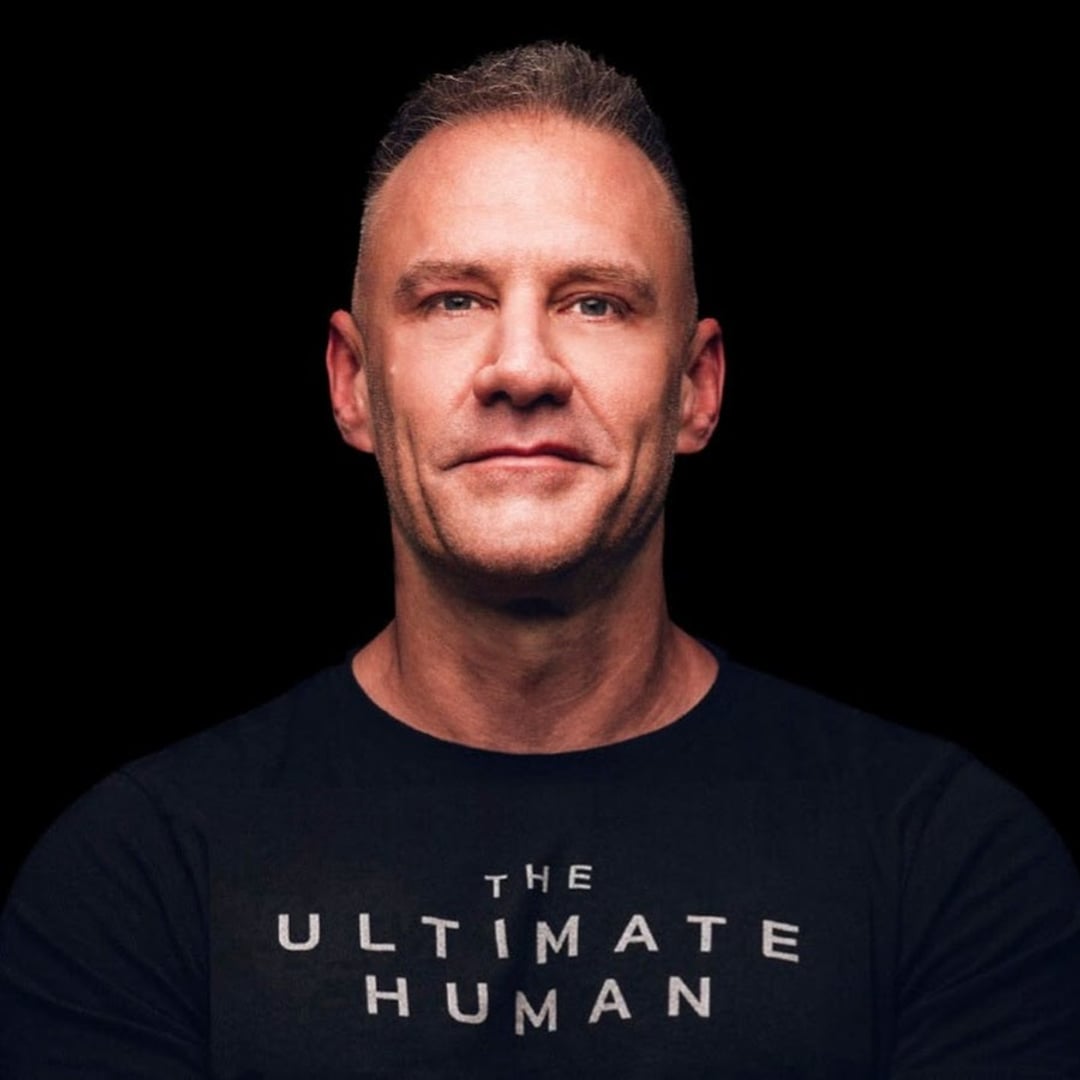
At the end of the episode, Brecka invites listeners to join his VIP community for monthly live Q&As, exclusive content, and the ability to submit topics for podcasts.
DisclosureGary Brecka is the host and founder of the Ultimate Human Podcast promoting his own paid VIP membership.
Brecka frames the VIP community as a way for listeners to go deeper into the science behind health, asking him anything directly with no gatekeepers. Members also get to influence the show by suggesting topics for shorts like the one just heard. He presents it as a direct line to real answers backed by real data, positioning the community as the best way to transition from passive listener to active insider.
If you're someone who loves learning about the science behind health, and you want access to deeper dives like this, but live, then I want to personally invite you to my VIP community.
Also said
“No gatekeepers, no fluff, just real answers backed by real data.”— Emphasizes the unfiltered, data-driven nature of the community.
Lines worth pulling out — contrarian, specific, or perfectly phrased
6 items
Blocking these dinorphine signals doesn't just reduce overeating, but it also calms the bad feelings. It breaks the cycle of needing food to feel better only to feel worse when it's not available.
Succinctly captures how dynorphin blockade could address the emotional driver of food addiction.
Usually, if you burn more calories than you intake, you lose weight. That rule gets a little loose here.
Memorable challenge to the simplistic calorie balance model, pointing to dynorphins' metabolic role.
When diner fins are in high quantity, the breaks on these self-control areas weaken, meaning the temptation to go back for seconds or thirds wins even more often.
Plastic metaphor that makes the neurobiology feel immediate and relatable.
They flood our brain with dopamine in the nucleus acubans, the feel-good hub, making you want more and more. But here's where dinofaphins add another layer of complexity. They actually attach to the receptors in the brain, which then actually reduce dopamine release. You're brought down from that feel-good state.
Clearly illustrates the seesaw mechanism between dopamine reward and dynorphin-induced crash.
This creates a perfect storm for impulsive eating, especially fueled by ultrarocessed foods that are designed to be irresistible.
Succinctly links food engineering to neurochemistry.
We're not waiting for the next wonder drug or some miracle breakthrough. We're looking at what's already in nature, what your body already recognizes, and giving you the tools to take back control of your health.
Closing line sums up the episode's philosophy of understanding innate biology rather than seeking external fixes.
Sign in to share feedback
Tell us if this brief hit the mark or missed it — feedback feeds back into the next iteration of the prompt.
Reading is free for everyone. A free account adds the personal layer: save protocols, follow experts, and see how the other experts weigh in on this same topic.
Educational summary of the cited expert source — not medical advice. Open the source recording linked above and consult a qualified physician before acting on any protocol.