UNFUCG
DashboardSearchChatBookmarksNotificationsActivityPremiumProfile
?
Home
Search
Chat
Saved
Profile
Episode
Leana Deeb: On Modesty Reset, Discipline Habits and Longevity Secrets | TUH #223
~84 min
Episode Brief·YouTube

Leana Deeb: On Modesty Reset, Discipline Habits and Longevity Secrets | TUH #223

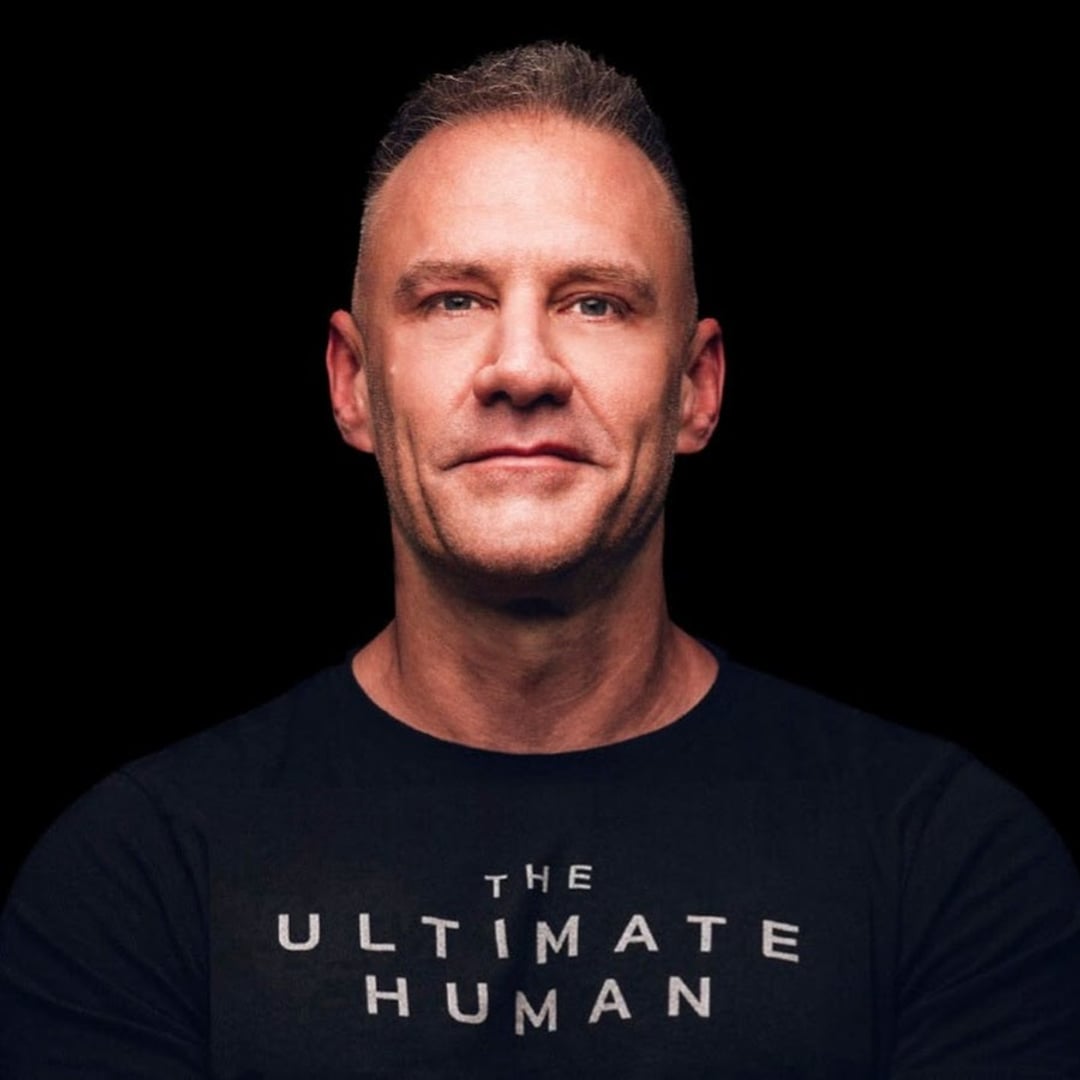
Gary Brecka
Watch on YouTube Add to chat My bookmarks← All sources

TL;DR

The four things you'd lose by not watching

4 items

TL;DR

The four things you'd lose by not watching

4 items
1

Leana Deeb went from a successful but unfulfilled aesthetic fitness influencer showing skin to deleting all her content and rebuilding a much larger, deeply engaged community around modesty, Islamic faith, and authenticity — proving that radical vulnerability can 10x connection.

2

She structures her entire day around the five Islamic prayers, rising at 4 a.m. for Quran study, enforcing a two-hour morning and one-hour evening no-phone rule, training mid-morning, and journaling with a simple gratitude prompt: “Do I have food, a roof, a family that loves me?” — a practice that resets perspective.

3

Gary Brecka ties the 82% autoimmune disease rate in women to chronic lack of safety from external validation pressures, explaining how prayer, gratitude, and community shift the nervous system out of fight-or-flight and improve immune function.

4

She redefines discipline as “the highest form of self-love,” discarding motivation entirely and advocating action regardless of mood, while rejecting mental health labels that can become self-fulfilling prophecies.

Protocols

Concrete recipes — what, when, how much, and why

4 items

Leana Deeb's daily prayer-anchored schedule with digital boundaries

WhatWake at ~4am (an hour before the first Islamic prayer), spend 2-3 hours reading Quran and taking notes, then admin work, followed by a high-protein breakfast (egg white omelette, chicken sausage) with water and electrolytes. Train between 9:30-11:30am when the gym is empty, then a focused work block for filming/editing, a meal-prepped lunch, and begin winding down by 5-6pm. Absolutely no phone for the first two hours of the day or the last hour before bed, and sleep with phone outside the bedroom.
WhenDaily, with wake time tied to the pre-sunrise prayer time.
DoseWake ~4am; 2-hour morning no-phone window; ~2-hour workout; 1-hour evening no-phone window; phone out of bedroom overnight.
For whomLeana Deeb herself; adaptable for anyone seeking a disciplined, faith-integrated routine with high productivity and sleep quality.
WhyThe prayer times provide a spiritual framework and enforce early rising. The no-phone blocks reduce distraction and improve sleep. Training during off-peak hours allows filming without intruding on others. Meal prepping saves time and maintains a consistent, acne-friendly diet.
CaveatsThe early wake time requires adaptation; the precise meal plan is tailored to her acne and protein needs; the schedule may need adjustment for non-flexible work hours.

Leana designs her entire day around the five Islamic prayers, which act as fixed anchors. She rises an hour before dawn, dedicates the initial 2-3 hours entirely to Quran study and learning — free from phone distractions. After that, she connects with her team and then eats a simple, consistent breakfast. She deliberately schedules her workout for 9:30-11:30am to avoid crowded gym times, as she films her sessions. Post-workout, she enters a main focus block for content creation. Lunch is meal-prepped to save time. By 5-6pm she starts tapering off. She enforces a strict digital sunset: no phone in the first two morning hours or the last hour, and no phone in the bedroom at night. She previously even locked apps to prevent compulsive checking. This structure moved her from laziness to discipline and she attributes much of her mental clarity to it.

Mechanism

Early morning light exposure and phone avoidance help regulate cortisol and melatonin; the prayer schedule imposes a consistent circadian rhythm. Digital boundaries reduce blue light exposure and cognitive stimulation before sleep, improving sleep quality. The spiritual practice provides psychological grounding and reduces stress.

Personal experience

“I always start by planning my day around the five daily prayers… I try to wind down, have at least like an hour to an hour and a half before I go to sleep, remove all phones… The first two hours in the morning and around like the last hour of the day, I tried to do no cell phone at all. Stop sleeping with my phone in my room.”

I always start by planning my day around the five daily prayers… I wake up is about an hour before the first prayer of the day. So that's around like 4:00 a.m.

Also said
“I like to train around 9:30 to around like 11:30 in between that time because I do film in the gym and I don't like getting people in the back of my workouts.”— Practical reason for workout timing.
“I try to wind down, have at least like an hour to an hour and a half before I go to sleep. remove all phones… Stop sleeping with my phone in my room.”— Details the evening digital hygiene practice.

Gratitude journaling with the three necessities prompt

WhatIn the morning, write an intention, an affirmation, and then list what you are grateful for, checking three basic questions: “Do I have food? Do I have a roof over my head? Do I have a family that loves me?” In the evening, reflect on where you went wrong, how you could improve tomorrow, and how you spent your time.
WhenMorning upon waking, evening before bed.
DoseSpend several minutes each session.
For whomAnyone wanting to cultivate a more positive outlook, reduce impulsivity, and increase self-awareness; particularly helpful for those who struggle with emotional reactivity or negativity spirals.
WhyForcing gratitude shifts a negative mindset; the three essentials put all problems in perspective and remind you that if those are covered, you have everything. Evening reflection promotes continuous self-improvement and reduces rumination.
CaveatsOn tough days, gratitude may feel forced, but that's part of the practice.

Leana’s journaling is built into her morning routine, often supported by a guided journal she offers. She begins with an intention and affirmation, which she believes helps embody the identity of a disciplined person. The gratitude section then prompts a reality check: if the basics are secure, all other problems become manageable. At night, she reviews her day, asking where she messed up, how she could have responded more skillfully, and whether she used time wisely. This practice, she says, has been life-changing for managing impulsiveness and emotional outbursts, and it replaced ruminating with constructive reflection. She also sometimes freewrites to process heavy emotions instead of bottling them up.

Mechanism

Gratitude shifts focus from threat or lack to abundance, reducing cortisol and engaging the prefrontal cortex, which improves mood regulation. Evening self-reflection consolidates learning and reduces anxiety by giving closure to the day.

Personal experience

“I always think to myself, do I have food? Do I have a roof over my head? Do I have a family that loves me? Then you have everything in life… I like to journal at the end of the night reflecting of where I went wrong. How can I have a better day tomorrow?”

I always think to myself, do I have food? Do I have a roof over my head? Do I have a family that loves me? Then you have everything in life.

Also said
“I think that you have to force yourself to feel happy. Not always seeking happiness like you have to make yourself feel happy.”— Philosophy behind forced gratitude as a discipline.
“I like to journal at the end of the night reflecting of where I went wrong. How can I have a better day tomorrow? Where did I go with my time?”— Specific evening reflection questions.

Do the hard thing regardless of mood — discipline over motivation

WhatWhenever you feel resistance to an important task (workout, work, etc.), do it anyway, stripping emotion out of the decision. Never wait for motivation; instead, act on commitment. Avoid verbal acceptance of negative mental health labels; use action as your primary tool.
WhenAny moment of hesitation or desire to postpone an essential action.
DoseApply every time the impulse to avoid arises.
For whomThose who struggle with procrastination, laziness, or mood-dependent performance; also those who have been told they are depressed or anxious and feel stuck.
WhyActing despite feelings builds integrity, self-respect, and an identity of discipline. Reliance on motivation leads to inconsistency and regret. Pushing through aversion consistently yields the best results and mental state.
CaveatsLeana acknowledges that some grace is necessary, but warns against over-identifying with excuses; the goal is to prevent avoidance from becoming a pattern.

Leana transformed from someone she calls ‘extremely lazy’ by removing emotion from action. She stopped considering whether she felt like doing a task and simply executed because she had committed to it. The reward was immediate: she felt pride and relief after doing the hard thing, whereas giving in produced shame. She extends this principle to mental health: she refuses to verbally accept labels like depression, because doing so, she fears, makes overcoming feel harder. She isn’t denying suffering but wants to keep the door open to change. This approach, she says, gave her the most consistent success and well-being. Gary Brecka echoes that people need to stand for something rather than being overly fluid with their identity.

Mechanism

Behavioral activation: taking action despite low mood disrupts avoidance cycles and triggers reward pathways, improving mood and self-efficacy.

Personal experience

“when I went to the gym and I showed up on the days that I didn't want to go and I did the work that I didn't want to do, that is when I'm not depressed or when I'm not feeling well… Every time that I would push something off or not stick to my word, it was the worst I've ever felt.”

I stopped having the dependency on always doing things when I felt like doing it taking emotion out of it because I was just going with too much emotion and that's when I started to see the most success.

Also said
“discipline is the highest form of self-love.”— Core mantra that reframes discipline.
“never rely on motivation… get rid of the word motivation from your vocabulary.”— Practical rule for building consistency.

Switch to mold-free organic coffee and store nuts properly to avoid mycotoxins

WhatReplace regular coffee with organic, tested mold-free coffee. Also, store nuts in a way that prevents mold growth, as both can carry ochratoxin A and aflatoxins that cause brain fog, fatigue, and muscle soreness.
WhenImmediately, especially if you experience unexplained brain fog or fatigue despite normal labs.
DoseDrink coffee as desired, but ensure beans are mold-free.
For whomCoffee drinkers with unexplained symptoms like brain fog, fatigue, or muscle soreness, or anyone seeking to reduce toxic burden.
WhyGary Brecka discovered high mycotoxin levels in his own stored coffee and nuts through urine analysis, despite a very health‑conscious lifestyle. Removing the mold source resolved his symptoms and many others' in his detox program.
CaveatsNot all coffee is contaminated; proper storage in airtight, dry containers helps. Testing is ideal, but switching to a reputable mold-free brand is a practical first step.

Brecka shared a personal story: despite being meticulous about health, he was shocked to find high ochratoxin A and aflatoxin levels via urine analysis. He traced it to his habit of storing coffee beans and nuts in large glass jars, which allowed mold proliferation. He sent his coffee for lab testing, confirmed contamination, and switched to organic mold-free coffee. He also led an 8-week mold detox for thousands of people, reporting remarkable improvements. He stresses that these mycotoxins often don’t appear on standard blood labs, so sufferers may be told “it’s all in your head” while enduring real physiological effects.

Mechanism

Ochratoxin A and aflatoxins are mycotoxins that can disrupt mitochondrial function, cause oxidative stress, and trigger neuroinflammation, leading to symptoms such as brain fog and chronic fatigue.

Personal experience

“I sent my coffees out for testing and I I would take the beans and just put them in these big glass jars… full of ochre toxin a… I switched coffees and I did uh you know mold detox. felt amazing because, you know, these are the things that don't show up on labs.”

I had no idea. And and here I am as you know, I'm very woke to what I put in my mouth… this one just slipped right by me… I switched coffees and I did uh you know mold detox.

Also said
“these are the things that don't show up on labs. Um, you know, like your labs look great, but you have this crushing brain fog and you have fatigue and muscle soreness and all the stuff that you can't explain.”— Explains why testing and switching is valuable even with normal labs.

What's new

Personal practice updates, fresh positions, predictions

4 items

Leana Deeb's full authenticity pivot — deleting her aesthetic influencer brand to embrace modest, faith-driven identity

Leana traded massive follower counts and brand deals built on body display for a modest, Islam-centered public life, impulsively deleting all past content and restarting — and saw her community multiply as women from all faiths resonated with her candor.

Why this matters: It directly contradicts the 'show more, grow more' influencer norm and demonstrates that radical authenticity and deeper purpose can build a far more loyal audience than surface-level aesthetics.

Background

She had millions of followers, major partnerships (e.g., Gymshark), and material success by conforming to the conventional female fitness physique, yet felt isolated, empty, and disconnected from family.

Leana described how at the peak of her career, she felt “the most emptiest.” She was estranged from family, losing friends, and her days revolved around work and shopping. A conversation with her manager about charity sparked a realization that the success might originate from a higher source, prompting her to explore faith. She eventually committed fully to Islam — a faith she had superficially known growing up — and impulsively covered. Despite her team’s caution, she deleted all previous content overnight, fearing she would lose everything. Instead, her audience responded with support because she brought them along on her journey of vulnerability. The decision opened a door to women of different faiths seeking similar grounding. She credits the courage to trust a higher purpose, and now her brand partnerships and community are stronger than ever.

Personal experience

“I was so afraid of losing the millions of followers… throughout all the times where I was experiencing the most success, I felt the most emptiest.”

I was so afraid of losing the millions of followers and the millions of likes and the partnerships that I've built with the brands… throughout all the times where I was experiencing the most success, I felt the most emptiest.

Also said
“as soon as I started giving in charity, I then started realizing the creator continues to give to me…”— Catalyst that shifted her perspective from emptiness to seeking a higher power.
“I needed to follow the faith that I was practicing… I knew that if I stay true to who I am, then nothing is going to go wrong.”— Rationale for the risky, immediate pivot toward authenticity.
“my team was a bit scared they're like okay let's take it one pace at a time but I'm a very impulsive person so I kind of just was like no I need to do this right now otherwise I'm never going to do it.”— Highlights the internal urgency and courage that defined her transformation.

Modesty as a tool to suppress external validation and reclaim inner worth

Leana discovered that covering her body reduced her appetite for validation from physical beauty, which cascaded into less desire for validation from career success and material displays, redirecting her to self-worth rooted in character.

Why this matters: Reframes modesty not as oppression but as a liberation strategy that tackles the root of modern anxiety and comparison culture, with direct application beyond religious contexts.

Background

Previously she felt compelled to show her physique to justify her space in the fitness industry and believed that displaying hard-earned aesthetics was the currency of credibility.

Leana explains that women naturally love feeling beautiful and often seek external validation through appearance. Wearing the hijab and dressing modestly forced her to stop relying on that validation source. Unexpectedly, suppressing the beauty-seeking approval also weakened her craving for validation from success and material things — a downstream effect she is still working through. She learned that modesty is about protecting your inner self, not about hiding from men. This shift gave her peace and a more robust sense of identity. She emphasizes that modesty exists across many faiths — as humility in speech, conduct, and presence — and isn't exclusive to Islam. The practice became a vehicle for self-love and stopping the exhausting performance of worthiness.

Personal experience

“suppressing that validation which has taught me if I suppress the beauty seeking validation from beauty then I will stop seeking validation from also success in many ways.”

if I suppress the beauty seeking validation from beauty then I will stop seeking validation from also success.

Also said
“I would wear a tight dress or always feeling the need to show my stomach because I felt like that was such a beautiful point to me… I needed to show this because it meant that I deserve to be in this space.”— Shows the earlier mindset where body display equalled worthiness and professional belonging.
“No amount of success, no amount of validation ever made me feel whole from within.”— Reinforces the internal emptiness that drove her to seek a non-external solution.

Autoimmune disease in women linked to chronic lack of safety and external validation stress

Gary Brecka asserts that 82% of autoimmune disease occurs in women because persistent stress from seeking external validation and feeling unsafe keeps the autonomic nervous system in a sympathetic, fight-or-flight state, impairing immunity — and that prayer, gratitude, and community can physiologically reverse this.

Why this matters: Connects a spiritual practice directly to a measurable biological outcome (immune function) with a bold statistic, offering a novel physiological rationale for modest, faith-based lifestyles and gratitude practices.

Background

Brecka, a former mortality researcher and human biologist, was struck by the gender disparity in autoimmune conditions.

Brecka noted that in his work, 82% of autoimmune patients are female. He argued the root cause isn't purely genetic but psychological: women often don't feel safe in their own bodies due to constant social evaluation — how they look, how they are judged. This chronic threat perception traps the autonomic nervous system in a sympathetic dominant state, releasing stress hormones that dysregulate immune function and contribute to autoimmunity. He tied this directly to Leana’s story: the pressure to meet beauty standards is a physiological stressor. The antidote, he says, is practices that promote safety and acceptance: prayer, a sense of purpose, community, and gratitude. He referenced an ongoing Scandinavian study where children were asked before bed, “What was the last good thing that happened today?” leading to better sleep, self-worth, and reduced ADHD symptoms. He stressed that even without formal diagnosis, cultivating gratitude can shift physiology.

Personal experience

Brecka recounted a personal transformation when he visited Dubai for a women’s empowerment conference, expecting oppression but discovering profound self-respect and connection, which shattered his preconceptions.

there's a reason why um 82% of autoimmune disease is in women… the overarching reason for this is that women don't feel safe in their own bodies. They don't feel safe in who they are. And what that causes, it causes the uh the autonomic nervous system to get trapped in a sympathetic state, this fight orflight state.

Also said
“the stress of always trying to be beautiful. The more you show, the more you grow, of always looking for that external validation. This is exactly what creates that feeling of not being safe… constantly having to worry about the judgment of others keeps your your nervous system in a different state.”— Bridges Leana’s influencer experience to the physiological mechanism.
“there's now like direct scientific links between prayer, community, sense of purpose, and the practice of gratitude and your physiology. how strong your immune system is.”— States the positive outcome of the proposed lifestyle changes.

Discipline is the highest self-love; motivation is unreliable

Leana redefines discipline as supreme self-respect, arguing that relying on fleeting motivation leads to inconsistency, while doing the hard thing regardless of mood builds integrity, self-trust, and reduces depression — and that labeling oneself with mental health diagnoses can solidify a victim identity.

Why this matters: Challenges the prevailing 'give yourself grace' narrative, asserting that too much grace can enable avoidance and worsen mental health.

Background

She used to be profoundly lazy and only acted when inspired.

Leana explains that motivation comes and goes, so she instructs her audience to remove the word entirely. Every time she forced herself to act against resistance — for instance, going to the gym when she didn't want to — she felt proud and buoyant afterward, whereas giving in led to regret. Discipline, she says, is keeping the promises you make to yourself, which builds self-love and integrity. She also rejects psychological labels like depression or anxiety, because accepting them can become a self-fulfilling prophecy that makes overcoming challenges harder. Instead, she focuses on action as the antidote: showing up, doing the work. This approach produced her most consistent success and her best mental state. Gary Brecka reinforces this by urging people to 'stand for something' rather than being overly fluid with identity.

Personal experience

“I used to be an extremely lazy individual and it took a lot of force from me… I stopped having the dependency on always doing things when I felt like doing it taking emotion out of it because I was just going with too much emotion and that's when I started to see the most success and the best I've ever felt is when I am disciplined.”

discipline is the highest form of self-love… get rid of the word motivation from your vocabulary.

Also said
“I never like to diagnose myself with things… if someone tells me that I'm depressed, I never want to accept depression because I want to be able to overcome that.”— Her controversial stance on mental health labels as obstacles to action.

Recommendations

Products, supplements, and tools mentioned in the episode

2 items

Baja Gold mineral salt (91 essential minerals)

Supplement

Brecka recommends this mineral-rich salt as the cheapest, most impactful biohack; a $15 bag provides 91 essential minerals for optimal hydration and mineral balance, lasting years.

He presents Baja Gold as a simple yet profoundly effective addition to water, delivering a full spectrum of trace minerals that modern diets often lack. Unlike table salt or processed electrolytes, it contains naturally occurring minerals. He emphasizes its affordability and longevity, positioning it as a foundational biohack before more expensive interventions like sauna or red light.

Personal experience

He uses it personally and suggested it to Leana as a hydration upgrade.

another one of my favorites is something called Baja Gold, which is just the 91 essential minerals that comes from a mineral salt. It's probably the cheapest, most impactful biohack. Like a $15 bag of this stuff will last you a few years.

Find Baja

Organic mold-free coffee

Product

Gary Brecka strongly recommends switching to organic mold-free coffee after discovering high mycotoxin levels in regular stored beans, which can cause brain fog and fatigue. He did not specify a brand.

Brecka’s personal testing revealed that his previous coffee storage method bred ochratoxin A and aflatoxins. He advises seeking out coffee that is both organic and verified mold-free. This recommendation is positioned as a low-cost, high-impact change for anyone with unexplained cognitive or energy issues.

Personal experience

He sent his coffee to a lab, found contamination, switched, and felt amazing. He also led a community-wide mold detox.

I switched coffees and I did uh you know mold detox. felt amazing…

Find Organic
Disclosed sponsorships4speaker disclosed

H2 TAB (molecular hydrogen tablets)

Supplement Sponsored · disclosed

Brecka claims these effervescent tablets dissolve in water to deliver 12 ppm molecular hydrogen, backed by over 1,300 studies on oxidative stress, energy, recovery, and brain function. He consumes them daily.

DisclosureGary Brecka’s own product; he states 'it is my favorite biohack' and provides a link in the show notes.

Brecka emphasizes that H2 TAB is highly portable and cost-effective (less than a dollar per day). He describes it as an ultra-clean source of molecular hydrogen that doesn’t require expensive machines. The 12 ppm concentration is among the highest on the market. He references the 1,300+ published studies supporting benefits for oxidative stress, energy, recovery, and brain function. He integrates it into his daily hydration routine and never travels without it, considering it an essential biohack for anyone optimizing longevity.

Personal experience

I never travel without this and it is my favorite biohack.

H2 TAB delivers cost-effective portable tablets that generate ultra clean molecular hydrogen at 12 parts per million… with over 1,300 published studies showing benefits of oxidative stress, energy, recovery, brain function, and so much more.

Also said
“It's less than a dollar a day, sciencebacked and part of my daily routine.”— Highlights affordability and habitual use.
Find H2

Ultimate Human VIP Community (Gary Brecka’s coaching and course)

Service Sponsored · disclosed

The membership includes weekly live coaching, detox protocols for mold and heavy metals, advanced lab education to interpret your own results, private Q&As with Brecka, community support, and the 10-month 'Becoming the Ultimate Human' course included free. First-month discount brings it to $29.

DisclosureGary Brecka is the founder and host; he promotes a Black Friday discount with detailed benefits.

Brecka describes it as a comprehensive platform for those ready to optimize their biology beyond generic advice. He highlights protocols on mold spores, micotoxins, and heavy metals — areas often missed in conventional medicine. The live coaching and private Q&As offer direct access to his expertise. The inclusion of his full 10-month course at no extra cost is a key selling point. He frames the Black Friday offer as a limited-time opportunity.

Right now, for Black Friday and Cyber Monday only, you can join my VIP Ultimate Human community for 70% off… you can start optimizing your biology today.

Find Ultimate

Genetic Test Kit with supplements (Gary Brecka’s line)

Product Sponsored · disclosed

Brecka stresses that testing individual biology is the only way to know which supplements your body actually needs, rather than guessing from anecdotal advice. The test identifies deficiencies and the supplements provide targeted raw materials.

DisclosureGary Brecka’s own product; he offers 30% off the test and 10% off supplements for Black Friday.

He argues that the supplement market is filled with confusion — people follow trends or family recommendations without knowing their own deficiencies. His solution is a genetic test that reveals what’s missing, then his supplement line supplies precisely those nutrients. He pitches it as a science-based, personalized approach to supplementation, contrasting it with one-size-fits-all protocols. The Black Friday discount adds urgency.

vs alternatives

Compared to generic supplement shopping based on trends or peer advice, this approach is positioned as data-driven and personalized.

What you have to do is test. Find out what's deficient in your body and give your body back the raw material that it needs to do its job. This is not a guess. This is a test.

Find Genetic

Leana Deeb's guided journal (gratitude/reflection prompts)

Product Sponsored · disclosed

The journal includes prompts for intention, affirmation, gratitude, and evening self-reflection. She credits it with helping her structure her thoughts and shift from negativity.

DisclosureLeana mentioned she has journals for sale; she uses them personally for her morning and evening practice.

The journal is question-based, starting with an intention and affirmation to program a disciplined mindset, followed by the gratitude prompt. It also guides the evening review of actions and responses. She mentioned that many of her followers benefit from having structured prompts rather than blank pages.

Personal experience

“I use a journal prompt where it's kind of question based… I have journals. Yes.”

I use a journal prompt where it's kind of question based… I have journals. Yes.

Find Leana

Notable quotes

Lines worth pulling out — contrarian, specific, or perfectly phrased

6 items
Discipline is the highest form of self-love.
Redefines discipline as a nurturing, self-honoring act rather than punishment, challenging the soft self-care narrative.
I always think to myself, do I have food? Do I have a roof over my head? Do I have a family that loves me? Then you have everything in life.
A simple, memorable perspective reset that instantly shrinks daily worries.
No amount of success, no amount of validation ever made me feel whole from within.
Captures the core emptiness behind external achievement, making the case for internal realignment.
Get rid of the word motivation from your vocabulary.
A hard, actionable rule for consistency from someone who transformed from laziness to high output.
There's a reason why 82% of autoimmune disease is in women… the overarching reason for this is that women don't feel safe in their own bodies.
A bold, specific statistic tying a psychological state to a major health epidemic, directly linking Leana’s journey to physiology.
The stress of always trying to be beautiful… constantly having to worry about the judgment of others keeps your nervous system in a different state.
Frames beauty pressure as a direct nervous system threat, validating the physiological cost of external validation seeking.

Sign in to share feedback

Tell us if this brief hit the mark or missed it — feedback feeds back into the next iteration of the prompt.

Topics covered

faith-modesty-resetislam-pillarshijab-self-loveemptiness-successgratitude-journalingmorning-routine-prayerdiscipline-motivationmold-free-coffeeautoimmune-women-safetyhydrogen-watermineral-saltcommunity-connectionidentity-authenticityhybrid-trainingramadan-fastingphone-boundaries
Free account

Make this library yours

Reading is free for everyone. A free account adds the personal layer: save protocols, follow experts, and see how the other experts weigh in on this same topic.

Create a free accountSign in

Where the experts disagree — weekly

One email a week: the sharpest new disagreements and protocols from the library. No spam, unsubscribe anytime.

Educational summary of the cited expert source — not medical advice. Open the source recording linked above and consult a qualified physician before acting on any protocol.