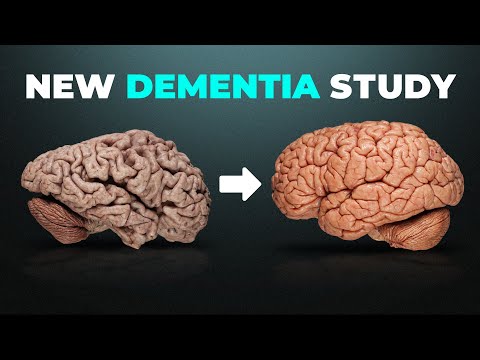
A natural experiment in Wales using a birthdate cutoff for shingles vaccine eligibility provided quasi-randomized evidence: vaccination reduced new dementia diagnoses by ~20% (relative risk) over 7 years, with a 3.5% absolute reduction.
2
The newer recombinant shingles vaccine (e.g., Shingrix) shows an even lower dementia risk than the live vaccine used in the Wales study, resolving concerns about vaccine type.
3
Other evidence-based strategies for reducing dementia risk include treating hearing loss with hearing aids and considering supplements such as a daily multivitamin, omega-3s with adequate B vitamins, creatine, and TMG.
4
Brad Stanfield personally takes a multivitamin/mineral, creatine, and TMG (as Microvitamin Plus powder), and notes that a large trial found a multivitamin alone slowed brain aging by about 2 years.
Protocols
Concrete recipes — what, when, how much, and why
7 items
Receive shingles vaccine (recombinant) for dementia risk reduction
WhatGet the recombinant shingles vaccine (e.g., Shingrix) as per standard vaccination guidelines, typically after age 50.
WhenAccording to national recommendations; the Wales study population was 79–80 at baseline, but the policy originally targeted those aged 70–79.
DoseTwo-dose series, one-time intervention.
For whomAdults eligible for shingles vaccination, particularly those concerned about dementia.
WhyQuasi-experimental evidence shows a ~20% relative reduction in dementia risk, with additional benefits for mild cognitive impairment and slowing disease progression even in diagnosed patients; the newer recombinant vaccine shows an even lower dementia risk.
CaveatsConfidence intervals are wide; the exact magnitude of benefit is uncertain. The Wales study analyzed a single narrow age band, so generalizability to younger/older groups is unclear. Not a substitute for other brain health measures.
The Wales natural experiment provided the strongest causal evidence to date that the shingles vaccine reduces dementia risk. The vaccine reduced new dementia diagnoses by 3.5% absolute risk (nearly 20% relative) among those actually vaccinated. Follow-up work showed it also lowers risk of mild cognitive impairment and dramatically cuts death rates in those already diagnosed with dementia. The switch to the recombinant vaccine in the US yielded even larger risk reductions. Given the vaccine's excellent safety profile and existing widespread use, it emerges as a rare, simple, one-time intervention with major brain health payoffs.
Mechanism
The varicella-zoster virus can reactivate subclinically, causing chronic neuroinflammation that accelerates both Alzheimer's (via amyloid-promoting immune responses) and vascular dementia (via blood vessel damage). By suppressing these reactivations, the vaccine removes a key upstream driver of brain pathology.
That 3.5% absolute risk reduction might not sound like much, but in clinical research, that's a major finding. At a population level, that would translate to thousands of cases of dementia prevented using a simple, cheap intervention, and it's a game-changer.
Also said
“So for that group, there was a 3.5% lower absolute risk reduction and a nearly 20% relative risk reduction in dementia diagnoses.”— The specific risk reduction figures for those vaccinated.
“The newer vaccine was associated with an even lower risk of dementia.”— Reassures that the currently recommended vaccine is likely even more protective.
“For this high-risk group, the death rate over the 9-year follow-up period was almost 50%, but the vaccinated group, they slashed their risk by nearly 30 percentage points.”— Shows the dramatic benefit in slowing progression among those already diagnosed.
Use hearing aids if you have hearing loss
WhatConsistently use hearing aids if hearing loss is present.
WhenAs soon as hearing loss is diagnosed and hearing aids are fitted.
DoseDaily, ongoing use.
For whomIndividuals with clinically relevant hearing loss.
WhyA systematic review showed hearing aid users have significantly lower risk of cognitive decline and dementia.
CaveatsEvidence is from observational studies; residual confounding is possible. However, the intervention is non-invasive with minimal risk.
Hearing loss is now recognized as one of the leading potentially modifiable risk factors for dementia. The systematic review found a clear association between hearing aid use and reduced dementia risk, making this a high-priority, low-risk intervention. The speaker emphasizes it as a simple, powerful step that many people overlook.
Mechanism
Untreated hearing loss increases cognitive load, may lead to social isolation and depression, and could accelerate brain atrophy. Hearing aids reduce auditory effort and maintain social engagement, thereby protecting cognitive reserve.
A systematic review in humans found that people with hearing loss who used hearing aids had a significantly lower risk of cognitive decline and dementia compared to those who didn't.
Also said
“We've learned that addressing hearing loss also plays huge dividends.”— Emphasizes the practical, high-return nature of the intervention.
Daily multivitamin/mineral supplement for cognitive aging
WhatTake a daily standard multivitamin and mineral supplement.
WhenOnce daily, long-term.
DoseAs used in the 2-year trial (typical over-the-counter formulation).
For whomAdults aiming to support cognitive health, especially older adults.
WhyA randomized trial found improvements in cognition and memory equivalent to slowing brain aging by two years.
CaveatsResults derive from one major trial; more data are needed. Benefits may depend on baseline nutritional status. Choose a product with adequate B vitamins.
The large, two-year RCT found significant gains in global cognition and memory among those taking a daily multivitamin/mineral versus placebo. The two-year brain-aging equivalent is a concrete, communicable metric. Combined with its low cost and safety, this finding makes the multivitamin an attractive foundational supplement for brain health. The speaker also notes that adequate B vitamins are important for omega-3 benefits, reinforcing the value of a comprehensive multivitamin.
Mechanism
Micronutrients act as cofactors for neurotransmitter synthesis, antioxidant defense, and energy metabolism in the brain. Correcting subclinical deficiencies may sustain cognitive processing speed and memory.
The effect on cognition was equivalent to reducing the speed of aging of the brain by two years.
Also said
“A large trial analyzed the effects of taking the first supplement daily over a two-year time period. Researchers discovered relative improvements in overall cognition scores and memory.”— Describes the trial design and outcome measured.
Omega-3 supplementation with adequate B vitamins
WhatTake an omega-3 fatty acid supplement (e.g., fish oil) while ensuring adequate B-vitamin status, ideally through a multivitamin.
WhenDaily.
DoseNot specified; typical marine omega-3 doses (e.g., 1–2 g EPA+DHA).
For whomAdults, particularly those with low dietary fish intake.
WhyA 2019 study found omega-3s improved brain performance by 7.1% and reduced dementia symptoms by 22.3%, with benefits accentuated when B vitamins were adequate.
CaveatsThe synergy with B vitamins is critical; taking omega-3s without sufficient B vitamins may diminish effects. Not a standalone dementia preventive.
The 2019 study highlighted a significant interaction: omega-3 supplementation improved brain performance and reduced dementia symptoms, but only meaningfully when combined with good B-vitamin status. This has led the speaker to advocate for pairing omega-3s with a multivitamin, which also showed cognitive benefits in its own right.
Mechanism
Omega-3 fatty acids (DHA and EPA) are structural components of neuronal membranes, reduce neuroinflammation, and support synaptic plasticity. B vitamins are required for homocysteine metabolism and methylation reactions that keep the brain's vascular and neurotransmitter systems healthy.
An important study published in 2019 found that omega-3 supplements improved brain performance by 7.1% and reduced dementia symptoms by 22.3%. Now, there's an important note here for that study. The researchers found that adequate B vitamins were important for seeing those benefits.
Also said
“So, that's another consideration in favor of using a multivitamin and mineral supplement.”— Connects the omega-3 result to the multivitamin protocol.
Creatine supplementation for memory
WhatTake creatine monohydrate daily.
WhenDaily, especially for older adults.
DoseTypical doses 3–5 g/day (exact dose not specified by speaker).
For whomOlder adults concerned about memory; also individuals looking for general cognitive support.
WhyA 2022 meta-analysis showed creatine improved memory performance compared to placebo, with stronger effects in older adults.
CaveatsLong-term dementia prevention trials are lacking. Individual responses may vary. Ensure adequate hydration. Those with kidney disease should consult a doctor.
Creatine is widely used for muscle strength, but its role in brain energetics is becoming clearer. The meta-analysis pooled studies testing memory under supplementation and found a significant benefit, especially in older populations. While not yet a standard dementia prevention strategy, its safety profile and low cost make it an attractive option alongside other evidence-based habits.
Mechanism
Creatine is stored in the brain and helps quickly regenerate ATP during high-demand cognitive tasks, supporting processes like memory encoding and retrieval. Brain creatine levels may decline with age, making supplementation more impactful for older adults.
A recent meta-analysis published in 2022 showed that creatine supplementation improved memory performance compared to a placebo and that effect was particularly strong in older adults.
Also said
“Creatine helps to produce this energy quickly and it supports critical brain processes like memory and thinking.”— Explains the biological basis for brain-related effects.
TMG supplementation to lower homocysteine
WhatTake trimethylglycine (TMG) daily to lower homocysteine levels.
WhenDaily.
DoseCommon doses 500–3000 mg (speaker does not specify his dose).
For whomIndividuals with elevated homocysteine or seeking to target this risk factor.
WhyHigh homocysteine is a strong risk factor for Alzheimer's; TMG acts as a methyl donor to reduce homocysteine, potentially lowering Alzheimer's risk.
CaveatsNot a proven Alzheimer's preventive; evidence is indirect. Over-supplementation might cause excessive methylation; monitor homocysteine levels if possible. Consult a doctor.
A large 2020 review identified homocysteine as a key modifiable risk factor for Alzheimer's and advocated for homocysteine-lowering interventions. TMG is a well-tolerated supplement that the speaker includes in his personal regimen. While a dedicated TMG-dementia prevention trial has not been conducted, the pathway is biologically sound, and the speaker sees it as a promising addition.
Mechanism
TMG donates a methyl group to convert homocysteine back to methionine, thereby reducing homocysteine concentrations. High homocysteine is linked to vascular damage, neurotoxicity, and Alzheimer's pathology, so lowering it may protect brain health.
TMG lowers homocysteine. So, in other words, TMG may lower a key risk factor for Alzheimer's by lowering homocysteine levels.
Also said
“In 2020, a large review of the risk factors for Alzheimer's disease found that high levels of homocysteine... was strongly linked to Alzheimer's. And that analysis went on to say that homocysteine-lowering treatment may be a promising intervention for Alzheimer's disease prevention.”— Establishes the link between homocysteine and Alzheimer's that makes TMG relevant.
Personal supplement stack: multivitamin, creatine, TMG
WhatTake a multivitamin/mineral, creatine, and TMG daily (combined in Microvitamin Plus powder).
WhenDaily.
DoseOne serving of the powder (exact amounts of each ingredient not disclosed).
For whomSpeaker (anecdotal); not a universal recommendation.
WhyCombines the cognitive benefits of a multivitamin (slowing brain aging), creatine (improving memory), and TMG (lowering homocysteine).
CaveatsNot proven to prevent dementia. The speaker may have a financial interest in the product mentioned. The combination is based on individual research interpretation, not a formal clinical trial.
The speaker has personally adopted this trio after reviewing studies on multivitamins, creatine, and TMG. He takes them as part of a single product (Microvitamin Plus powder) and emphasizes that his personal practice does not constitute medical advice. The stack reflects a pragmatic attempt to combine interventions that each have some degree of evidence for brain health.
Mechanism
The stack targets multiple pathways: micronutrient cofactors, brain energy metabolism, and homocysteine reduction. Each component has its own supporting evidence, but synergy is speculative.
Personal experience
I take a multivitamin and mineral along with creatine and TMG as part of Microvitamin Plus powder.
So, personally, I take a multivitamin and mineral along with creatine and TMG as part of Microvitamin Plus powder. But just because I take a supplement does in no way mean that you should as well.
What's new
Personal practice updates, fresh positions, predictions
8 items
causal-evidence-shingles-vaccine-dementia
The Wales natural experiment, leveraging an arbitrary birthdate cutoff for vaccine eligibility, provided causal evidence that the shingles vaccine reduces dementia risk.
Why this matters: Overcomes healthy-user bias in observational studies and the ethical impossibility of an RCT; yields the strongest evidence yet for a cheap, widely available dementia preventive.
Background
Prior observational studies had shown a 31–35% lower dementia risk with shingles vaccination, but the possibility of unmeasured confounders remained. An RCT was ethically impossible because the vaccine is standard of care for older adults.
In 2013, Welsh health officials set a bright-line rule: only those born on or after 2 September 1933 were eligible for the free shingles vaccine; those born before were never eligible, as they were 80 and deemed less likely to benefit. Researchers compared people born one week before (ineligible, 0.1% vaccine uptake) to those born one week after (eligible, 47.4% uptake). Over 7 years, the eligible group had a 1.3% lower absolute risk of dementia (8.5% relative risk reduction). Using an instrumental variable analysis to estimate the effect among the actually vaccinated, the reduction reached 3.5% absolute and nearly 20% relative risk. The researchers checked that the two groups did not differ in other health behaviors or outcomes, and no other intervention used the same cutoff. The finding implies that thousands of dementia cases could be prevented by a simple, single intervention.
Comparing the groups as a whole, those who were eligible for the vaccine had a 1.3% lower absolute risk and an 8.5% lower relative risk of a new dementia diagnosis over the 7-year follow-up period.
Also said
“So researchers used a statistical technique to estimate the true impact for those who received the vaccine. So for that group, there was a 3.5% lower absolute risk reduction and a nearly 20% relative risk reduction in dementia diagnoses.”— Shows the adjusted effect on the vaccinated, the headline result.
“That 3.5% absolute risk reduction might not sound like much, but in clinical research, that's a major finding. At a population level, that would translate to thousands of cases of dementia prevented using a simple, cheap intervention, and it's a game-changer.”— Quantifies the public health significance.
“They drew a bright red line. Those born on or after September the 2nd, 1933, would be eligible for the vaccine. It would be available beginning of September 1st, 2013. But those who were born before that September 2nd cutoff back in 1933 would never be eligible.”— Describes the ingenious design of the natural experiment.
recombinant-shingles-vaccine-stronger
The newer recombinant shingles vaccine is associated with an even lower dementia risk than the older live vaccine used in the Wales study.
Why this matters: Resolves the concern that only live vaccines confer broad immune benefits. Shows that the currently recommended vaccine (Shingrix) is at least as effective for dementia prevention.
Background
The Wales study employed the live attenuated zoster vaccine. Some researchers had hypothesized that the non-specific protective effects of vaccines might be weaker with non-live vaccines.
After 2017, the US saw a rapid shift from the live vaccine to the recombinant one. Researchers exploited this natural switch, similar to the Wales study, and found that those receiving the recombinant vaccine had an even lower risk of dementia. This directly addresses the worry and suggests the real-world benefit of the currently available vaccine might be larger than what the Wales study measured.
The newer vaccine was associated with an even lower risk of dementia.
Also said
“So, the circumstances were similar to those in Wales. After 2017, there was a rapid shift from the old live virus vaccine to the new recombinant one. And the results here were reassuring.”— Explains the quasi-experimental design behind the finding.
vaccine-slows-dementia-progression
Follow-up analysis of the Wales cohort found the shingles vaccine reduces risk of mild cognitive impairment and dramatically slows disease progression in those already diagnosed with dementia.
Why this matters: Extends the protective effects from prevention to slowing of existing disease, making the vaccine potentially valuable across the entire dementia course.
Using the same Welsh birthdate cutoff, researchers examined outcomes beyond new dementia diagnoses. The vaccine appeared to reduce new diagnoses of mild cognitive impairment (an earlier transitional stage). Even more striking, among individuals who had already received a dementia diagnosis before the vaccine program began, vaccination reduced the death rate over 9 years from nearly 50% by about 30 percentage points. While confidence intervals were wide, the magnitude is remarkable. This suggests the vaccine can both prevent and slow cognitive decline.
For this high-risk group, the death rate over the 9-year follow-up period was almost 50%, but the vaccinated group, they slashed their risk by nearly 30 percentage points, which is a remarkable reduction.
Also said
“Not only did the vaccine appear to prevent new dementia diagnoses, but it also appeared to reduce the cases of new diagnoses of mild cognitive impairment.”— Shows benefits at an earlier cognitive stage.
“The vaccine also appeared to have the ability to slow down disease progression.”— Confirms the extension to existing dementia patients.
virus-hypothesis-dementia
The varicella-zoster virus may drive Alzheimer's and vascular dementia through chronic immune activation and vascular damage, explaining why a shingles vaccine helps.
Why this matters: Shifts dementia causation toward an infectious, modifiable trigger, providing a novel biological rationale for a vaccine preventive strategy.
Background
Hundreds of failed amyloid-targeting drug trials left a void in Alzheimer's therapeutics. The viral hypothesis offers a completely different angle.
Mouse experiments show that viruses stimulate the production of the same protein that forms amyloid plaques, creating a defense that backfires by accelerating Alzheimer's pathology. The varicella-zoster virus, which causes chickenpox, remains latent in the body and can reactivate subclinically, causing chronic neuroinflammation. It also damages cerebral blood vessels, contributing to vascular dementia. By suppressing these reactivations, the shingles vaccine may interrupt a key driver of both major dementia types.
Experiments in mice have shown that these viruses stimulate the production of a protein in the brain that helps to fight off the infection. But it's the same protein that clumps together to form the amyloid plaques that are a key feature of Alzheimer's disease. So the brain's defenses backfires.
Also said
“The varicella-zoster virus can undergo quieter re-awakenings that we don't see or are asymptomatic... the virus acts as a chronic stressor to our immune system, and that can drive inflammation in our brain and interfere with its immune functioning.”— Describes how subclinical reactivations cause ongoing damage.
multivitamin-slows-brain-aging
A large trial found that taking a daily multivitamin/mineral for two years improved cognition to a degree equivalent to reducing brain aging by two years.
Why this matters: Provides robust RCT evidence for a simple, low-cost supplement that had previously been dismissed for cognitive benefits.
Background
Prior research on multivitamins and cognition had been inconsistent; this large trial clarified the benefit.
The trial randomized participants to receive a daily multivitamin/mineral or placebo for two years. Those on the supplement showed relative improvements in overall cognition and memory scores. The effect size translated to a two-year slower pace of brain aging, a clinically meaningful difference. This finding positions a standard multivitamin as a pragmatic, low-risk intervention to support cognitive health in aging.
The effect on cognition was equivalent to reducing the speed of aging of the brain by two years.
Also said
“A large trial analyzed the effects of taking the first supplement daily over a two-year time period. Researchers discovered relative improvements in overall cognition scores and memory.”— Sets the study design and the cognitive domains improved.
creatine-improves-memory-older-adults
A 2022 meta-analysis found creatine supplementation improved memory performance, with the effect especially pronounced in older adults.
Why this matters: Creatine is well-known for muscle performance, but evidence now shows it accumulates in the brain and enhances memory, offering another low-cost cognitive tool.
Background
The brain has high energy demands; creatine helps regenerate ATP. Supplementation can increase brain creatine stores.
The meta-analysis pooled studies comparing creatine supplementation to placebo on memory tasks. Creatine improved memory overall, and the effect was stronger in older adults, who may have lower brain creatine levels or higher oxidative stress. This suggests creatine could be a simple, affordable supplement to support memory with aging, though long-term dementia prevention trials are lacking.
A recent meta-analysis published in 2022 showed that creatine supplementation improved memory performance compared to a placebo and that effect was particularly strong in older adults.
Also said
“Our brains need a lot of energy to function correctly. So, creatine helps to produce this energy quickly and it supports critical brain processes like memory and thinking.”— Explains the biological basis for brain benefits.
tmg-lowers-homocysteine-alzheimers-risk
TMG (trimethylglycine) lowers homocysteine, a strong risk factor for Alzheimer's according to a 2020 review, making it a promising preventive supplement.
Why this matters: Identifies a specific, modifiable blood marker (homocysteine) and a supplement that directly targets it, linking a simple intervention to Alzheimer's risk reduction.
Background
Elevated homocysteine was identified as a significant risk factor for Alzheimer's in a large 2020 review, which called for homocysteine-lowering treatments.
TMG acts as a methyl donor, converting homocysteine back to methionine. The speaker posits that by lowering homocysteine, TMG could reduce Alzheimer's risk. While not yet proven in a dedicated dementia prevention trial, the biological pathway is plausible, and TMG is already used by the speaker as part of his brain-health supplement stack.
In 2020, a large review of the risk factors for Alzheimer's disease found that high levels of homocysteine... was strongly linked to Alzheimer's. And that analysis went on to say that homocysteine-lowering treatment may be a promising intervention for Alzheimer's disease prevention. And TMG lowers homocysteine.
Also said
“TMG may lower a key risk factor for Alzheimer's by lowering homocysteine levels.”— Summarizes the hypothesized protective mechanism.
hearing-aids-reduce-dementia-risk
A systematic review found that people with hearing loss who use hearing aids have a significantly lower risk of cognitive decline and dementia.
Why this matters: Hearing loss is a major modifiable dementia risk factor, and hearing aids offer a straightforward, non-pharmacologic intervention with robust evidence.
Background
Hearing loss is common in aging and is believed to contribute to dementia through social isolation and increased cognitive load.
The systematic review compared dementia risk in hearing-impaired individuals who did or did not use hearing aids. Users had substantially lower risk of cognitive decline and dementia. This positions hearing correction as one of the simplest and most impactful steps for brain health in later life.
A systematic review in humans found that people with hearing loss who used hearing aids had a significantly lower risk of cognitive decline and dementia compared to those who didn't.
Recommendations
Products, supplements, and tools mentioned in the episode
5 items
Multivitamin and mineral supplement
Supplement
A large trial showed daily use over two years improved cognition equivalent to reducing brain aging by two years.
The trial provides robust evidence that a standard multivitamin can meaningfully slow cognitive decline. The speaker recommends it as a low-cost, safe foundation for brain health, and notes it also supports the efficacy of omega-3s.
vs alternatives
Compared to other supplements like omega-3s or creatine, the multivitamin has the strongest direct RCT evidence for global cognition. It also provides the B vitamins needed for omega-3 synergy.
The effect on cognition was equivalent to reducing the speed of aging of the brain by two years.
Also said
“A large trial analyzed the effects of taking the first supplement daily over a two-year time period. Researchers discovered relative improvements in overall cognition scores and memory.”— Specifies the trial design and outcomes.
A 2019 study found omega-3 supplements improved brain performance by 7.1% and reduced dementia symptoms by 22.3%, especially with adequate B vitamins.
The study highlighted that benefits were contingent on good B-vitamin status, leading the speaker to emphasize pairing omega-3s with a multivitamin. Omega-3s are critical for brain structure and function, and supplementation is especially relevant for those with low dietary intake.
vs alternatives
While omega-3s have long been promoted for brain health, the singling out of B-vitamin synergy makes the combination with a multivitamin more compelling than omega-3s alone.
An important study published in 2019 found that omega-3 supplements improved brain performance by 7.1% and reduced dementia symptoms by 22.3%.
Also said
“The researchers found that adequate B vitamins were important for seeing those benefits.”— Key caveat that shapes the practical recommendation.
A 2022 meta-analysis showed creatine improved memory, especially in older adults.
Creatine is an amino acid derivative stored in muscles and brain. While most known for exercise performance, its role in brain energy metabolism is gaining recognition. The meta-analysis supports its use for memory, with greater effects in aging populations.
vs alternatives
Compared to the multivitamin (general cognition) or omega-3 (broad brain health), creatine specifically targets memory via ATP regeneration, offering a complementary mechanism.
A recent meta-analysis published in 2022 showed that creatine supplementation improved memory performance compared to a placebo and that effect was particularly strong in older adults.
Also said
“Our brains need a lot of energy to function correctly. So, creatine helps to produce this energy quickly and it supports critical brain processes like memory and thinking.”— Explains why creatine matters for the brain.
TMG lowers homocysteine, a strong risk factor for Alzheimer's according to a 2020 review, making it a candidate for Alzheimer's prevention.
The large review on Alzheimer's risk factors called homocysteine-lowering treatments promising. TMG is a well-tolerated methyl donor that directly reduces homocysteine. While a specific TMG–dementia trial is lacking, the biological rationale is strong.
vs alternatives
Unlike the multivitamin or creatine, TMG targets a specific blood biomarker (homocysteine). It may be most relevant for those with known elevated homocysteine, whereas the other supplements have broader cognitive endpoints.
TMG lowers homocysteine... TMG may lower a key risk factor for Alzheimer's by lowering homocysteine levels.
Also said
“In 2020, a large review of the risk factors for Alzheimer's disease found that high levels of homocysteine... was strongly linked to Alzheimer's.”— Establishes the homocysteine–Alzheimer's link that TMG targets.
A powdered supplement combining a multivitamin/mineral, creatine, and TMG, used by the speaker as his personal brain-health stack.
The speaker mentions taking this specific product daily. He highlights that it contains the three supplements for which he has reviewed evidence, but he does not claim it is necessary or superior to taking the individual components separately. The potential undisclosed affiliation is important for readers to weigh.
vs alternatives
Offers convenience of three ingredients in one powder, but the individual supplements could be purchased separately, potentially with more dosing flexibility. No comparative data were provided.
Personal experience
I take a multivitamin and mineral along with creatine and TMG as part of Microvitamin Plus powder.
So, personally, I take a multivitamin and mineral along with creatine and TMG as part of Microvitamin Plus powder.
Lines worth pulling out — contrarian, specific, or perfectly phrased
7 items
They drew a bright red line. Those born on or after September the 2nd, 1933, would be eligible for the vaccine.
Vividly captures the arbitrary cutoff that created a natural randomized experiment, a rare and clever study design.
That 3.5% absolute risk reduction might not sound like much, but in clinical research, that's a major finding. At a population level, that would translate to thousands of cases of dementia prevented using a simple, cheap intervention, and it's a game-changer.
Quantifies the public health impact and underscores why this finding is so significant, especially in a field with few wins.
The brain's defenses backfires. So yes, it fights off the virus, but it also accelerates the process that contributes to dementia.
Elegantly summarizes the tragic paradox of the viral hypothesis—that the brain's own protective response drives Alzheimer's pathology.
The effect on cognition was equivalent to reducing the speed of aging of the brain by two years.
A concrete, striking metric that makes the multivitamin trial's result tangible and compelling.
The newer vaccine was associated with an even lower risk of dementia.
Directly addresses a key lingering doubt and confirms that the currently available vaccine is at least as protective.
After massive investments and hundreds of failed trials, we still lack highly effective preventive measures for dementia or treatment.
Sets the stage for why any promising new lead—like a cheap vaccine or simple supplement—is so consequential.
So, personally, I take a multivitamin and mineral along with creatine and TMG as part of Microvitamin Plus powder. But just because I take a supplement does in no way mean that you should as well.
Reveals the speaker's exact personal regimen, balanced by an important disclaimer.
Sign in to share feedback
Tell us if this brief hit the mark or missed it — feedback feeds back into the next iteration of the prompt.
Reading is free for everyone. A free account adds the personal layer: save protocols, follow experts, and see how the other experts weigh in on this same topic.
Educational summary of the cited expert source — not medical advice. Open the source recording linked above and consult a qualified physician before acting on any protocol.