UNFUCG
DashboardSearchChatBookmarksNotificationsActivityPremiumProfile
?
Home
Search
Chat
Saved
Profile
Episode
Should You Prioritise Sprints Over Steady Cardio? Training For Midlife Women
~5 min
Episode Brief·YouTube

Should You Prioritise Sprints Over Steady Cardio? Training For Midlife Women

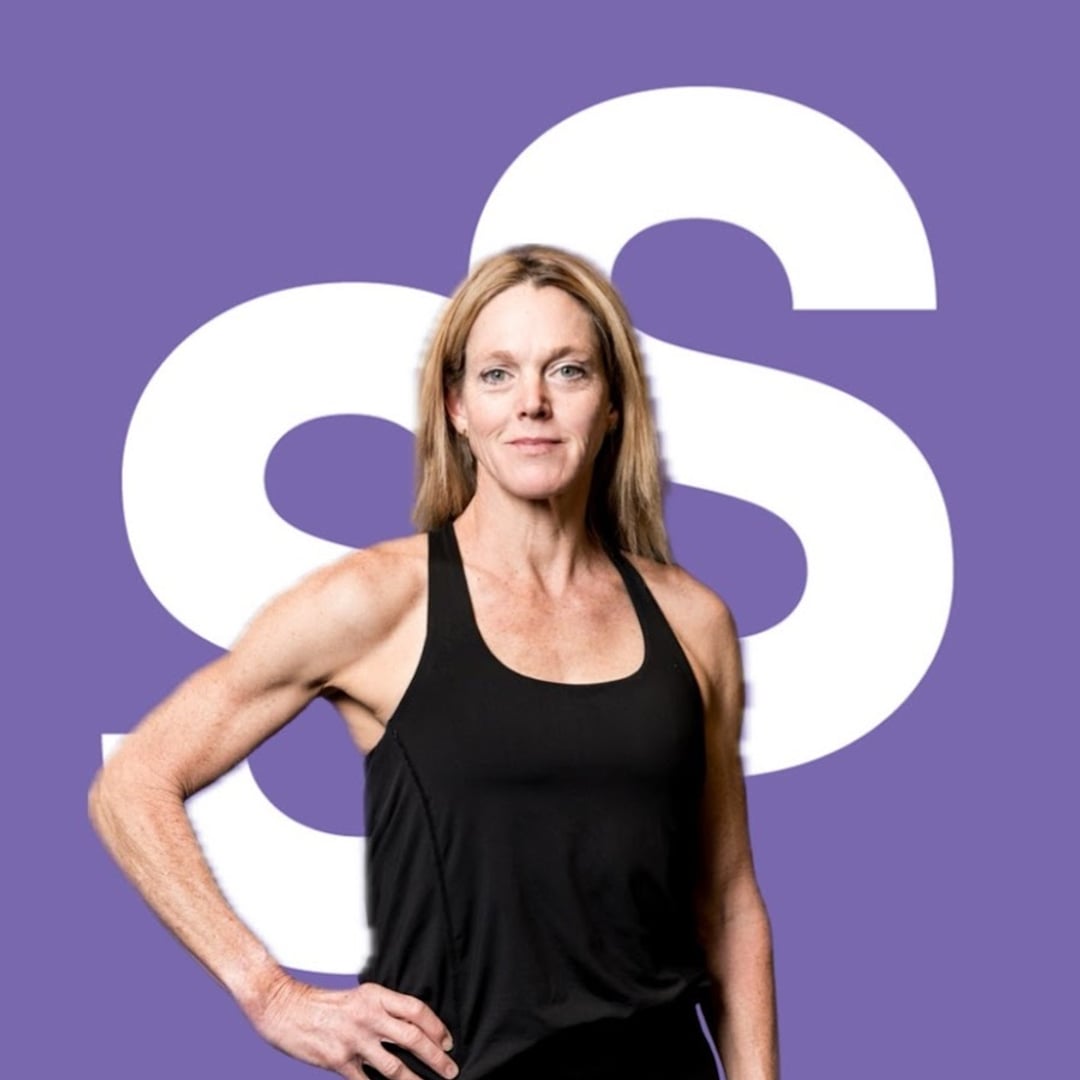
Stacy Sims
Watch on YouTube Add to chat My bookmarks← All sources

TL;DR

The four things you'd lose by not watching

3 items

TL;DR

The four things you'd lose by not watching

3 items
1

Stacy Sims argues that sprint intervals are essential for cognitive health and body composition, while steady-state cardio serves as 'soul food' for social and stress relief.

2

She advises women to track how they feel across their menstrual cycle to optimize training timing, rather than relying on assumed ovulation dates.

3

For midlife women who feel slow in endurance, she suggests reducing volume and focusing on quality to rediscover enjoyment.

Protocols

Concrete recipes — what, when, how much, and why

2 items

Sprint Interval Training for Midlife Women

WhatIncorporate sprint interval sessions during the week as the primary quality training for cognitive and metabolic health, while using steady-state cardio on weekends as 'soul food'.
WhenDuring the week for quality sessions; weekends for longer, social, low-intensity activities.
DoseNot specified in detail; implied to be regular sprint sessions (likely short, high-intensity intervals).
For whomMidlife women, especially those who previously enjoyed endurance sports but feel slow or disenchanted.
WhySprint intervals maximize cognition, attenuate cognitive decline, and improve metabolic health and body composition, which steady-state cardio does not achieve as effectively.
CaveatsDon't eliminate steady-state entirely; it serves as stress relief and social connection. Avoid doing too much volume or frequency of endurance work if it leads to feeling slow or disenchanted.

Sims frames sprint intervals as the 'bread and butter' for health outcomes like cognition and body composition, while acknowledging that many women love low-intensity steady-state (LISS) for its social and psychological benefits. She proposes a hybrid model: do the hard, less enjoyable sprint work during the week for physiological benefits, and save the enjoyable, social endurance activities for weekends. This prevents burnout and maintains the joy of movement. For women in midlife who feel they've lost their speed or enjoyment in endurance sports, she advises reducing the frequency and duration of those sessions, focusing on quality over quantity, which can help them reconnect with the sport.

Mechanism

Sims does not detail the molecular mechanisms in this excerpt, but she states that sprint intervals are necessary for maximizing cognition and attenuating cognitive decline, implying neurobiological and metabolic pathways that are more responsive to high-intensity stimuli.

Personal experience

Sims shares: 'I'm not a huge fan of sprints. I like the feeling afterwards, but I know how beneficial it is, so I'm going to do it. But then on the weekend, I'm out on my bike for hours with friends because it's fun and it's social.'

Pick your quality during the week if you can. And then you want to find that soul food as the way to feed your soul, but not to be the be all end all of what you're doing.

Also said
“When it comes down to the bread and butter of what we're trying to do with regards to maximizing cognition and looking at attenuating any kind of cognitive decline as well as better metabolic health and body composition, we have to put in that sprint interval.”— Core justification for prioritizing sprints.
“Let's just pull it back. Don't do it every day. Don't do it for hours and hours. Let's pull it back. Let's look at the quality.”— Advice for women who feel slow in endurance sports.

Menstrual Cycle Tracking for Training Optimization

WhatTrack how you feel across your menstrual cycle to identify personal patterns of energy and flatness, and schedule high-intensity training on days you feel good, moving sessions if needed.
WhenThroughout the entire menstrual cycle, daily tracking of subjective feelings and energy levels.
DoseOngoing practice; no specific duration.
For whomWomen in reproductive years who still have menstrual cycles, especially those who want to optimize training performance.
WhyBecause ovulation timing and symptom patterns vary widely among women, rigid phase-based training advice often fails. Self-tracking empowers women to align training with their individual physiology, ensuring they can complete high-quality sessions without fighting their body.
CaveatsRequires consistent self-awareness and record-keeping. May not be necessary for women who are not training intensely or who have very regular, predictable cycles, but Sims emphasizes that even those with regular bleeds may not ovulate, so tracking feelings is still valuable.

Sims explains that the old model of training according to menstrual phases (e.g., go hard in the low-hormone phase, be cautious in the luteal phase) is limited because many women don't know when they ovulate, and some may have anovulatory cycles. Instead, she recommends a personalized approach: track daily how you feel, note patterns of feeling flat or energetic, and then adjust training accordingly. For example, if you consistently feel flat around a certain time, move your high-intensity session to a day when you typically feel better. This way, you still get the training stimulus without the struggle. She emphasizes that this method is empowering and aligns with the latest applied sport science.

Mechanism

Sims references molecular knowledge: low estrogen and progesterone phases are associated with better recovery, immune function, and ability to go hard. After ovulation, changes occur that require more cognitive awareness. However, individual variability in hormone fluctuations and symptom perception means that a one-size-fits-all schedule is less effective than personal tracking.

We want you to track and understand how you feel across the cycle because that gives you more insight and also empowers you to know well I really have this training session I want to do and it's really high intense and I want to nail it but it kind of follows around the time where I always feel a bit flat. So I'm gonna move that.

Also said
“Let's not fight it. Let's really understand how we feel and how our body is responding to these hormone fluxes and dial it in that way.”— Core philosophy.
“Some women feel really awful midcycle and then they start to feel better on either end and then some women like feel really bad the week before their period starts.”— Demonstrates the need for individual tracking.

What's new

Personal practice updates, fresh positions, predictions

2 items

sprint-intervals-over-steady-state-for-midlife-women

Sims emphasizes that sprint intervals are critical for maximizing cognition, attenuating cognitive decline, and improving metabolic health and body composition, while steady-state cardio is relegated to 'soul food' for social and stress relief.

Why this matters: Challenges the common preference for steady-state cardio among midlife women, positioning sprints as a non-negotiable health intervention.

Background

Many midlife women gravitate toward steady-state cardio like running or cycling for social and stress-relief reasons, but may experience declining performance and disenchantment.

Sims acknowledges that low-intensity work is enjoyable and serves as a social outlet and stress reliever, which she calls 'soul food.' However, she argues that for the core goals of maximizing cognition, preventing cognitive decline, and improving metabolic health and body composition, sprint interval training must be included. She suggests a balanced approach: prioritize quality sprint sessions during the week, and reserve longer, low-intensity activities for weekends as soul food. This way, women can still enjoy their social rides or runs without sacrificing the physiological benefits of high-intensity work. She also addresses the common experience of midlife women who used to do endurance sports but now feel slow and disenchanted; her advice is to pull back on volume and frequency, focus on quality, and they can rediscover their love for the sport.

Personal experience

Sims shares her own practice: 'I'm not a huge fan of sprints. I like the feeling afterwards, but I know how beneficial it is, so I'm going to do it. But then on the weekend, I'm out on my bike for hours with friends because it's fun and it's social.'

When it comes down to the bread and butter of what we're trying to do with regards to maximizing cognition and looking at attenuating any kind of cognitive decline as well as better metabolic health and body composition, we have to put in that sprint interval.

Also said
“Pick your quality during the week if you can. And then you want to find that soul food as the way to feed your soul, but not to be the be all end all of what you're doing.”— Clarifies the practical balance between sprint intervals and steady-state cardio.
“Let's just pull it back. Don't do it every day. Don't do it for hours and hours. Let's pull it back. Let's look at the quality. Let's look at where you want to go. And you can find your soul food again.”— Addresses the disenchantment midlife women feel with endurance sports and how to rekindle enjoyment.

cycle-tracking-for-training-timing

Sims advocates for women to track how they feel across their menstrual cycle to determine the best days for high-intensity training, rather than relying on generalized phase-based recommendations.

Why this matters: Moves away from prescriptive 'train hard in follicular phase' advice, empowering women to listen to their individual patterns.

Background

Previous advice often suggested training hard when estrogen is low (early follicular phase) and being cautious after ovulation, but many women don't know when they ovulate and individual responses vary.

Sims explains that while molecularly, low estrogen and progesterone phases are ideal for hard training and recovery, the timing of ovulation is unpredictable for many women. Even those who bleed may not ovulate, and symptoms can vary widely. Some women feel awful midcycle, others feel bad the week before their period. Therefore, the applied sport science approach now is to have women track their own feelings and energy levels throughout the cycle. This self-awareness allows them to schedule high-intensity sessions on days they feel good, and move sessions if they feel flat, ensuring they still get the training benefit without fighting their body. This method empowers women to work with their hormone fluctuations rather than against them.

We want you to track and understand how you feel across the cycle because that gives you more insight and also empowers you to know well I really have this training session I want to do and it's really high intense and I want to nail it but it kind of follows around the time where I always feel a bit flat. So I'm gonna move that.

Also said
“Let's not fight it. Let's really understand how we feel and how our body is responding to these hormone fluxes and dial it in that way.”— Summarizes the philosophy of working with individual patterns.
“Some women feel really awful midcycle and then they start to feel better on either end and then some women like feel really bad the week before their period starts.”— Illustrates the variability that makes personalized tracking necessary.

Notable quotes

Lines worth pulling out — contrarian, specific, or perfectly phrased

4 items
I don't want to take away people's soul food, right? ... people like to do low intensity work because it's a social thing and it's a stress relief. That's fine. But when it comes down to the bread and butter of what we're trying to do with regards to maximizing cognition and looking at attenuating any kind of cognitive decline as well as better metabolic health and body composition, we have to put in that sprint interval.
Captures the balance between enjoyment and health necessity.
Pick your quality during the week if you can. And then you want to find that soul food as the way to feed your soul, but not to be the be all end all of what you're doing.
Memorable phrase 'soul food' and practical advice.
Let's not fight it. Let's really understand how we feel and how our body is responding to these hormone fluxes and dial it in that way.
Empowering, individualized approach to cycle-based training.
I'm not a huge fan of sprints. I like the feeling afterwards, but I know how beneficial it is, so I'm going to do it. But then on the weekend, I'm out on my bike for hours with friends because it's fun and it's social.
Personal anecdote that humanizes the expert and illustrates the protocol.

Sign in to share feedback

Tell us if this brief hit the mark or missed it — feedback feeds back into the next iteration of the prompt.

Topics covered

sprint-intervalssteady-state-cardiomidlife-womenhormone-fluctuationscycle-trackingtraining-timingcognitive-healthmetabolic-healthbody-compositionendurance-sportssoul-foodpersonalization
Free account

Make this library yours

Reading is free for everyone. A free account adds the personal layer: save protocols, follow experts, and see how the other experts weigh in on this same topic.

Create a free accountSign in

Where the experts disagree — weekly

One email a week: the sharpest new disagreements and protocols from the library. No spam, unsubscribe anytime.

Educational summary of the cited expert source — not medical advice. Open the source recording linked above and consult a qualified physician before acting on any protocol.