UNFUCG
DashboardSearchChatBookmarksNotificationsActivityPremiumProfile
?
Home
Search
Chat
Saved
Profile
Episode
Is Spermidine The Solution To Slow Down Cellular Aging? | TUH #190
~11 min
Episode Brief·YouTube

Is Spermidine The Solution To Slow Down Cellular Aging? | TUH #190

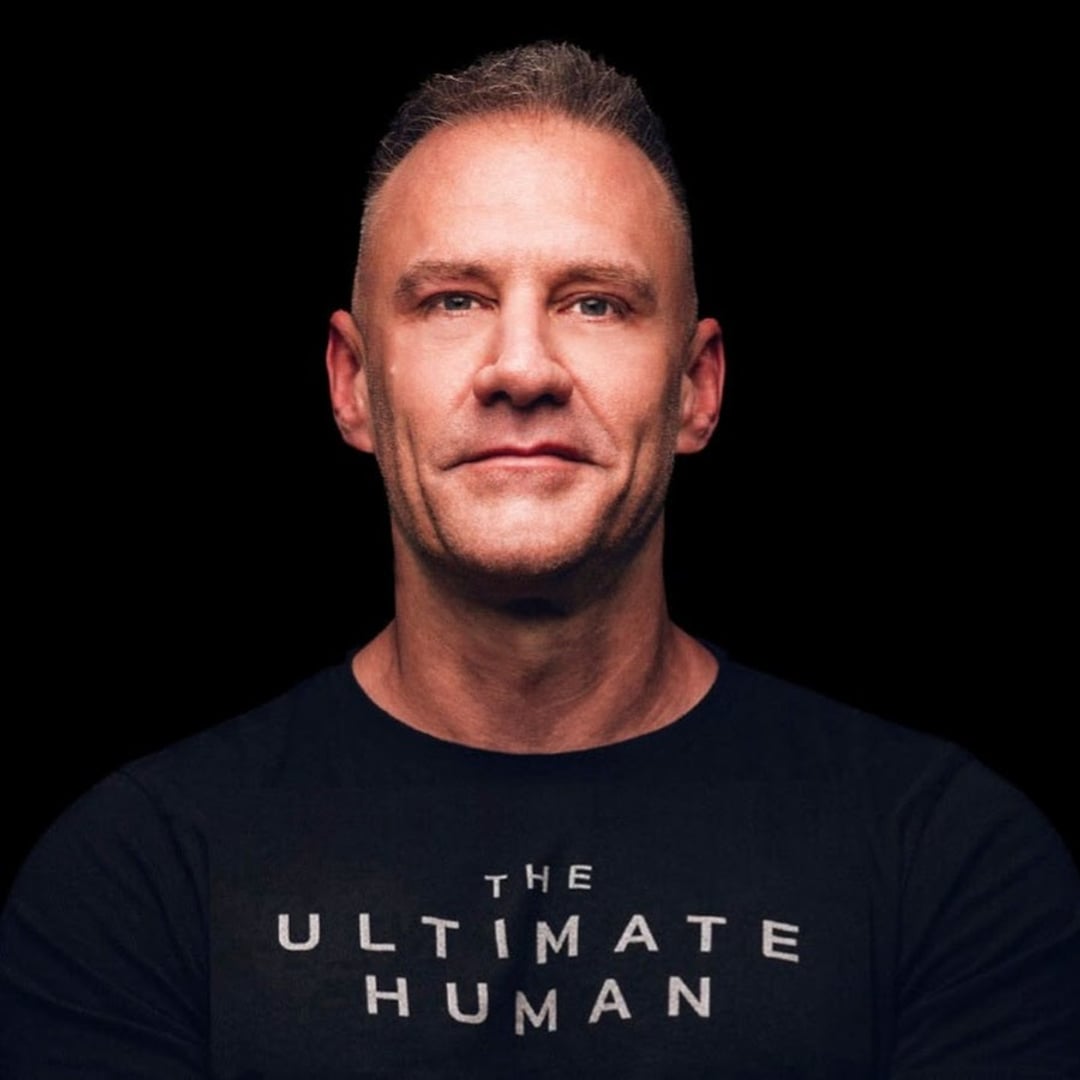
Gary Brecka
Watch on YouTube Add to chat My bookmarks← All sources

TL;DR

The four things you'd lose by not watching

4 items

TL;DR

The four things you'd lose by not watching

4 items
1

A 20-year study of 829 people (replicated in 1,770) found that higher dietary spermidine intake was the nutrient most strongly associated with lower all-cause mortality, with a nearly 40% reduction.

2

Spermidine is a polyamine that stabilizes DNA and activates the TOR pathway to promote autophagy and cellular repair; levels decline with age due to poor diet and gut microbiome deterioration.

3

To reach the longevity-associated intake of 12–18 mg/day, eat about 1 cup of cooked mushrooms (especially shiitake) or 2 tablespoons of wheat germ daily, along with other whole foods like soybeans, broccoli, and green beans.

4

Spermidine acts as a caloric restriction mimetic, providing anti-aging benefits without severe calorie restriction, making it a practical, food-based longevity strategy.

Protocols

Concrete recipes — what, when, how much, and why

5 items

Daily Mushroom or Wheat Germ Intake for Spermidine

WhatConsume about 1 cup of cooked mushrooms (especially shiitake) or 2 tablespoons of wheat germ daily to achieve 12–18 mg of spermidine.
WhenDaily, with meals.
Dose1 cup cooked mushrooms or 2 tbsp wheat germ per day.
For whomAdults seeking longevity benefits.
WhyThese amounts provide the spermidine intake associated with a 40% lower mortality in the Brunick study.
CaveatsAvoid processed grains with added folic acid; choose whole food sources.

Brecka translates the study's effective intake—80–123 micromoles (12–18 mg) per day—into practical food portions. He states that a cup of cooked mushrooms or two tablespoons of wheat germ can get you into that range. He emphasizes that it's doable with intentional eating, not requiring exotic superfoods. He also cautions against processed grains that contain folic acid, advocating for whole, unrefined sources like wheat germ, rice bran, and oats. This protocol is the centerpiece of his dietary advice, and he challenges listeners to start with one addition this week.

Mechanism

Spermidine from these foods is absorbed up to 80% and supports DNA stability and autophagy via the TOR pathway.

You'd need to eat about a cup of cooked mushrooms or about 2 tablespoons of wheat germ in order to get into that range.

Also said
“The people in the Brunick study who lived the longest were getting about 80 to 123 micro moles per day from their food. That translates to roughly 12 to 18 milligrams per day.”— Provides the exact dosage target from the study.
“It's definitely doable with the right foods, but it does require some intentional eating.”— Acknowledges the need for conscious dietary choices.

Include Fermented Foods for Gut Spermidine Production

WhatEat fermented foods like kimchi and sauerkraut regularly to support gut microbiome spermidine synthesis.
WhenDaily or several times per week.
DoseNo strict dose; incorporate as a side dish.
For whomAnyone, especially older adults.
WhyGut bacteria produce spermidine, and fermented foods provide probiotics and prebiotics to enhance this production, countering age-related decline.
CaveatsChoose traditionally fermented, unpasteurized products for live cultures.

Brecka highlights that the gut microbiome is a secondary source of spermidine, but its capacity wanes with age. He recommends increasing fermented food intake—specifically kimchi and sauerkraut—as one of the best ways to nourish gut bacteria with probiotics and prebiotics. This strategy complements dietary spermidine from foods like mushrooms and wheat germ, addressing both exogenous and endogenous production. He presents it as a simple, traditional practice that supports overall gut health and longevity.

Mechanism

Fermented foods improve gut microbiome diversity and function, potentially boosting endogenous spermidine synthesis.

One of the best ways to do this is increasing your intake of fermented foods, especially kimchi and sauerkraut.

Also said
“And since your gut bacteria actually produce spermadine, feeding your gut microbiome with probiotics and prebiotic foods may help boost your natural spermadine production.”— Explains the rationale behind the fermented food recommendation.

Eat a Variety of Whole Food Spermidine Sources

WhatIncorporate mushrooms, whole grains (wheat germ, rice bran, oats), soybeans, broccoli, and green beans into your diet regularly.
WhenThroughout the week.
DoseNo strict dose; aim for variety.
For whomGeneral population.
WhyThese foods are natural sources of spermidine and contribute to the 12–18 mg daily target.
CaveatsAvoid processed grains with added folic acid.

Brecka lists these foods as excellent, accessible sources of spermidine. He stresses that they are not obscure superfoods but traditional staples that humans have eaten for centuries. The key is variety and a focus on whole, unprocessed foods. He contrasts this with the modern American diet, which is heavy in ultra-processed items and low in these spermidine-rich options. By diversifying intake, one can more easily reach the beneficial range without relying on a single food.

Mechanism

These foods contain spermidine, which is highly bioavailable and supports DNA stability and autophagy.

Mushrooms are an excellent source, especially shiakei mushrooms. Whole grains like germ, rice bran, and oats contain decent amounts, too. ... Soybeans and green vegetables like broccoli and green beans also have spermadine.

Also said
“The key is maintaining variety and focusing on whole, unprocessed foods.”— Summarizes the overarching dietary principle.
“These aren't obscure superfoods that cost a fortune. They're traditional foods that humans have been eating for centuries.”— Reinforces the accessibility and historical precedent.

Weekly Spermidine Challenge

WhatAdd one spermidine-rich food to your diet this week, such as mushrooms in pasta or wheat germ in a smoothie.
WhenThis week, as a starting point.
DoseOne new food addition.
For whomAnyone new to spermidine.
WhySmall, sustainable changes can lead to long-term benefits and build the habit of intentional eating for longevity.
CaveatsStart with small amounts to assess tolerance.

Try adding one spermine rich food to your diet this week. Maybe it's adding mushrooms to your pasta or trying some wheat germ in your smoothie.

Also said
“These are small changes, but they might add up to big benefits over time.”— Encourages incremental, sustainable habit formation.

Prioritize Whole, Unprocessed Foods

WhatShift diet away from ultra-processed foods and refined grains toward whole foods to naturally increase spermidine intake.
WhenOngoing lifestyle change.
DoseLifestyle change.
For whomEveryone.
WhyThe modern American diet is low in spermidine; whole foods provide it along with other nutrients.
CaveatsRead labels to avoid folic acid in processed grains.

The modern American diet in particular is pretty low in spermadine rich foods. We eat a lot of ultrarocessed foods, refined grains, and miss out on the foods that actually contain meaningful amounts of spermadine.

What's new

Personal practice updates, fresh positions, predictions

5 items

spermidine-longevity-study

A 20-year study of 829 people and a replication in 1,770 found that higher spermidine intake was the nutrient most strongly associated with lower mortality, with a nearly 40% reduction.

Why this matters: It's a rare long-term human study linking a specific dietary compound to actual lifespan, not just biomarkers, and the effect survived adjustment for confounders.

Background

Prior anti-aging research focused heavily on caloric restriction or supplements like resveratrol, often with mixed human evidence. The Brunick study provided robust epidemiological evidence for a naturally occurring polyamine.

Gary Brecka details the Brunick study, which began in the 1990s when researchers wanted to understand why people in Italy had long lifespans. They followed 829 people for 20 years, meticulously tracking diet and mortality. At the end, the nutrient most closely tied to lower death rates was spermidine. The finding wasn't marginal: those with ample intake had a nearly 40% reduction in all-cause mortality. To validate this, the scientists tested the association in a completely separate group of 1,770 people from the Sapphire cohort. Even after controlling for income, education, overall health, and other dietary factors, spermidine's protective effect remained significant. Brecka emphasizes that this was not a short-term lab study with mice but a real-world, two-decade observation of actual human lifespan, making the evidence unusually compelling for a dietary compound.

People who ate ample amounts of spermadine had nearly 40% reduction in mortality.

Also said
“At the end of 20 years, the research looked at the data they collected and saw the nutrient most closely related to the lower death rates was something called spermadine.”— Highlights that spermidine was the top nutrient, not just one of many.
“Even after accounting for income, education, overall health, and other dietary factors, spermadine still showed this incredible life protecting effect.”— Shows the association was independent of socioeconomic and health confounders.

spermidine-caloric-restriction-mimetic

Spermidine mimics many anti-aging effects of caloric restriction without requiring severe dieting, positioning it as a practical longevity intervention.

Why this matters: It reframes aging intervention from deprivation to dietary inclusion, making longevity strategies more accessible.

Background

Caloric restriction is one of the most robust longevity interventions in animals, but adherence in humans is poor. The concept of a mimetic that activates similar pathways has been a holy grail.

Brecka explains that scientists classify spermidine as a caloric restriction mimetic because it triggers cellular cleanup and repair pathways—like autophagy and the TOR pathway—similarly to fasting or calorie restriction. He argues that most people will not adhere to severe caloric restriction for life, but adding spermidine-rich foods is a realistic, sustainable change. This shifts the paradigm from treating age-related diseases after they appear to preventing the aging process itself through nutrition. He presents spermidine as a new way of thinking about aging: instead of waiting for a wonder drug, we can use compounds already present in traditional foods that our bodies recognize.

Scientists call spermadine a caloric restriction mimetic because it gives you many of the benefits of eating less without actually having to restrict your calories.

Also said
“Instead of trying to treat disease after they develop, we're looking at ways to prevent the aging process itself with nutrition.”— Captures the preventive, food-first philosophy Brecka advocates.
“But adding spermadine rich foods to your diet, that's something people can do.”— Emphasizes the practicality over extreme diets.

spermidine-deficiency-aging

Aging brings a double hit: dietary intake of spermidine drops due to modern diets, and gut microbiome production declines, leading to deficiency when it's most needed.

Why this matters: Identifies a preventable, age-related deficiency that may accelerate aging, highlighting a modifiable risk factor.

Background

Spermidine levels naturally decline with age, but Brecka stresses that modern dietary patterns and gut health deterioration exacerbate this decline, creating a deficit that compromises cellular maintenance.

Brecka points out that even though spermidine is naturally present in many foods, the modern American diet—heavy in ultra-processed foods and refined grains—is low in spermidine-rich options. Simultaneously, the gut microbiome, which can synthesize some spermidine, deteriorates with age. This dual decline means people are both consuming less and producing less spermidine right when cellular repair mechanisms need it most. The result is an accumulation of cellular waste, DNA instability, and the visible signs of aging. He frames this as a correctable problem: by intentionally eating spermidine-rich whole foods and supporting gut health with fermented foods, we can restore levels and potentially slow aging.

We're both eating less of it and our bodies are also making less of it, leaving us deficient in this crucial nutrient right when we need it the most.

Also said
“The modern American diet in particular is pretty low in spermadine rich foods.”— Pinpoints the dietary shift as a key cause.
“Plus, as we age, our gut microbiome, which can actually produce some spermadine for us, starts to decline.”— Adds the endogenous production decline to the picture.

spermidine-mechanism

Spermidine stabilizes DNA and activates the TOR pathway to promote cellular repair and autophagy, providing a biological basis for its anti-aging effects.

Why this matters: Connects the epidemiological findings to a clear, dual mechanism of action that explains how a single nutrient can influence aging at the cellular level.

Background

Polyamines like spermidine are known to interact with nucleic acids, but Brecka explicitly links this to aging and the TOR pathway, making the science accessible.

Brecka describes spermidine as a polyamine present in every cell, where it interacts with DNA to maintain its stability. As spermidine levels drop with age, DNA becomes less stable, and cellular waste accumulates, manifesting as wrinkles, memory issues, and heart problems. Beyond DNA stabilization, spermidine activates the TOR pathway, a master regulator that tells cells when to grow, repair, and clean up (autophagy). When this pathway functions optimally, healing accelerates and aging slows. Brecka presents this dual action—genetic protection and cellular housekeeping—as the core reason spermidine is so promising for longevity.

Spermadine is a polyamine, which means it's a kind of molecule found in every single one of your cells. It's responsible for interacting with your DNA to help maintain its stability.

Also said
“Beyond stabilizing and protecting your DNA, spermadine also activates something called the tour pathway.”— Introduces the second mechanism, the TOR pathway.
“When this pathway is working properly, your cells know when to grow, when to repair themselves, and when to clean up. And all of that translates into faster healing and slower aging.”— Explains the functional outcome of TOR activation.

spermidine-bioavailability

Dietary spermidine is highly bioavailable, with up to 80% absorption, making food sources an effective way to raise levels.

Why this matters: Counters the assumption that dietary polyamines might be poorly absorbed, reinforcing that food-based strategies can work.

Spermadine is highly bioavailable, meaning your body absorbs up to 80% of what you eat.

Recommendations

Products, supplements, and tools mentioned in the episode

4 items

Wheat Germ

Product

Recommended as a concentrated source of spermidine; 2 tablespoons provide roughly 12–18 mg.

You'd need to eat about a cup of cooked mushrooms or about 2 tablespoons of wheat germ in order to get into that range.

Find Wheat

Shiitake Mushrooms

Product

Highlighted as an excellent spermidine source; 1 cup cooked can meet daily target.

Mushrooms are an excellent source, especially shiakei mushrooms.

Find Shiitake

Kimchi

Product

Fermented food recommended to support gut microbiome and endogenous spermidine production.

One of the best ways to do this is increasing your intake of fermented foods, especially kimchi and sauerkraut.

Find Kimchi

Sauerkraut

Product

Another fermented food suggested alongside kimchi for gut health and spermidine support.

One of the best ways to do this is increasing your intake of fermented foods, especially kimchi and sauerkraut.

Find Sauerkraut
Disclosed sponsorships1speaker disclosed

Gary Brecka's VIP Community

Service Sponsored · disclosed

Brecka invites listeners to join his VIP community for monthly live Q&As, exclusive content, and the ability to submit topics for podcast shorts.

DisclosureHost's own paid membership community.

At the end of the episode, Brecka promotes his VIP community as a way to go deeper into the science. He emphasizes that members get direct access to him with no gatekeepers, can ask anything during live calls, and help shape future content. He positions it as the best way to move from passive listener to active insider, with real answers backed by data.

Every single month, I go live with our VIPs for an exclusive Q&A where you can ask me anything. No gatekeepers, no fluff, just real answers backed by real data.

Also said
“If you want to be a part of that group, get exclusive content, join the monthly calls, and help shape what we cover on this show, click the link in the show notes below and join us.”— Details the benefits and call to action.
Find Gary

Notable quotes

Lines worth pulling out — contrarian, specific, or perfectly phrased

6 items
People who ate ample amounts of spermadine had nearly 40% reduction in mortality.
The headline statistic from the 20-year study, quantifying the longevity benefit.
We're both eating less of it and our bodies are also making less of it, leaving us deficient in this crucial nutrient right when we need it the most.
Succinctly captures the dual-age-related decline that makes spermidine a priority.
Scientists call spermadine a caloric restriction mimetic because it gives you many of the benefits of eating less without actually having to restrict your calories.
Frames spermidine as a practical alternative to one of the most challenging longevity interventions.
Spermadine is highly bioavailable, meaning your body absorbs up to 80% of what you eat.
Dispels doubts about whether dietary spermidine can actually raise tissue levels.
It might just be one of the most practical and evidence-based things you can do to improve your chances of living a longer, healthier life.
A strong, measured endorsement that avoids overhyping while still conveying significance.
These aren't obscure superfoods that cost a fortune. They're traditional foods that humans have been eating for centuries.
Counters the perception that anti-aging requires expensive, exotic supplements.

Sign in to share feedback

Tell us if this brief hit the mark or missed it — feedback feeds back into the next iteration of the prompt.

Topics covered

spermidinelongevityautophagytor-pathwaydna-stabilitycaloric-restriction-mimeticdietary-sourcesgut-microbiomeagingbrunick-studymortality-reductionpolyaminesfermented-foodswheat-germmushrooms
Free account

Make this library yours

Reading is free for everyone. A free account adds the personal layer: save protocols, follow experts, and see how the other experts weigh in on this same topic.

Create a free accountSign in

Where the experts disagree — weekly

One email a week: the sharpest new disagreements and protocols from the library. No spam, unsubscribe anytime.

Educational summary of the cited expert source — not medical advice. Open the source recording linked above and consult a qualified physician before acting on any protocol.