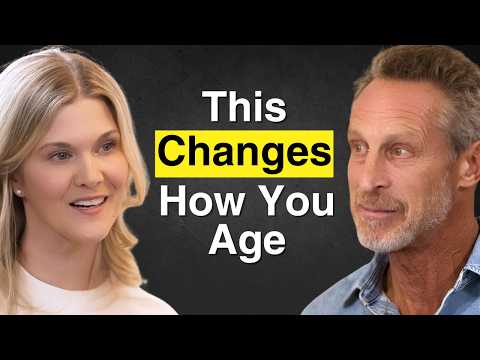
Fertility problems—whether difficulty conceiving or irregular cycles—are early warning signs of underlying metabolic and inflammatory dysfunction, not just reproductive issues. Addressing them can improve long-term health.
2
The five silent fertility wreckers are insufficient sleep, chronic stress, insulin resistance driven by diet and lifestyle, environmental toxins (plastics, fragrance, PFAS), and systemic inflammation (often triggered by food sensitivities like gluten).
3
Lifestyle changes—prioritizing sleep (7+ hours), stress management through movement, building muscle to improve insulin sensitivity, and adopting an anti-inflammatory, whole-foods diet—can dramatically improve egg quality and sperm health.
4
Proactive testing such as AMH for ovarian reserve should be made available to women early, not only after infertility diagnosis, to guide family planning and early intervention for conditions like celiac disease or endometriosis.
Protocols
Concrete recipes — what, when, how much, and why
7 items
Prioritize 7+ Hours of Sleep, Same Schedule for Both Partners
WhatGet a minimum of 7 hours of sleep, ideally 7.5 hours, in a dark, cool room; go to bed and wake up at the same time as your partner to synchronize circadian rhythms.
WhenEvery night, especially during the luteal phase (post-ovulation).
DoseAt least 7 hours; ideally 7.5 hours nightly.
For whomAll adults of reproductive age, both men and women.
WhySleep lowers inflammation, improves insulin sensitivity, and FSH/LH for reproduction are released in early morning hours; insufficient sleep reduces egg yield, testosterone, and sperm count.
CaveatsPartners who sleep separately or have mismatched bedtimes disrupt each other's sleep; dark, cool, quiet environment needed.
Crawford presents sleep as the number one factor her patients neglect. She cites research showing each hour less sleep reduces eggs retrieved in IVF, lowers testosterone and sperm count in men, and delays time to conception. Mechanistically, during sleep, inflammatory markers drop and cells become more insulin sensitive; the brain releases follicle-stimulating hormone and luteinizing hormone in the early morning, so shortened sleep blunts these signals. For women, the luteal phase is particularly energy-demanding for progesterone production, so sleep debt worsens hormonal output. She emphasizes that both partners need synchronized sleep schedules because light, sound, and temperature disruptions from one affect the other. The goal is not just surviving the day but allowing the body to fully repair and respond to reproductive hormones.
Mechanism
Sleep reduces systemic inflammation and enhances insulin sensitivity. FSH and LH, critical for ovulation and sperm/testosterone production, peak in early morning sleep; truncating sleep curtails these pulses. Chronic sleep deprivation raises cortisol and pro-inflammatory cytokines, impairing ovarian function and spermatogenesis.
For every hour less of sleep that a woman gets, she's going to get fewer eggs in an IVF cycle. For every hour less sleep a man gets, he'll have a lower testosterone level and have less sperm.
Also said
“So many couples have somebody they share a bed with... One person goes to bed early, the other person goes to bed late, but that's really disrupting our sleep pattern.”— Practical advice on partner sync.
“Progesterone is a really energetically expensive process for women to make progesterone. So, we want to make sure that we're prioritizing sleep and setting a good sleep environment.”— Specific need during luteal phase.
Turn Stress into Movement — Use the Glucose Spike
WhatAfter a stressful event, immediately do a few squats, push-ups, or a short walk to use the glucose released by cortisol; do not supplement with food or alcohol.
WhenWhenever you feel acute stress (bad meeting, stressful news).
DoseEven 10 squats or a 5-minute walk can help clear the glucose surge.
For whomAnyone experiencing chronic or acute stress.
WhyStress triggers cortisol → liver releases glucose. If not used, insulin spikes, promoting insulin resistance and hormonal disruption.
CaveatsThis does not replace broader stress management (meditation, therapy) but is an immediate physiological intervention.
Crawford frames the stress response as designed for physical escape (running from a bear), but modern stressors are psychological, leaving unused glucose in the bloodstream. The pancreas then secretes insulin to clear that glucose, leading to higher insulin levels over time. Elevated insulin drives ovarian androgen production, lowers estrogen, and causes mitochondrial damage in eggs and sperm, while also promoting visceral fat and hypothalamic dysfunction. She notes that most people respond to a stressful day by eating comfort food or drinking alcohol, which worsens the insulin load. Instead, she advocates using the body's own mechanism by moving immediately—'do 10 squats right there.' This acute movement uses up the glucose, prevents insulin spike, and trains the body to handle stress without metabolic fallout.
Mechanism
Cortisol mobilizes glycogen from the liver into glucose; physical activity in muscles increases GLUT4 transporter translocation, enabling glucose uptake independent of insulin, thus lowering insulin demand.
If you have a stressful day, what do most people come home and do? Watch TV, eat food, drink alcohol. We actually do things that are going to worsen our insulin resistance instead of improving it.
Also said
“leveraging your physiology would say, 'Hey, I know that glucose has been released, so maybe I should do 10 squats right here, go for a very quick walk.'”— Clear actionable step.
Build Muscle to Combat Insulin Resistance
WhatIncorporate resistance training (weight lifting) into your routine, not just aerobic or flexibility exercise, to increase muscle mass and improve glucose disposal without insulin.
WhenAt least 2-3 times per week.
DoseNot specified; general recommendation to prioritize muscle-building over purely aerobic workouts.
For whomAll, especially young women who tend to avoid weight training.
WhyMuscle can take up glucose without needing insulin, reversing the insulin resistance that impairs ovarian and testicular function.
CaveatsStill combine with aerobic and flexibility work; avoid overtraining and ensure adequate recovery.
Crawford explains that insulin resistance is rampant even in seemingly healthy people, fueled by diet, stress, and sedentary lifestyles. Building muscle through resistance training is one of the most effective ways to enhance insulin sensitivity because muscle cells can absorb glucose via contraction-mediated pathways that don't rely on insulin. She observes that many young women stick to yoga or Pilates, which have benefits but don't build sufficient muscle mass to counteract metabolic dysfunction. Muscle mass also serves as a metabolic reservoir that improves hormonal balance, especially in perimenopause. She ties this to fertility because high insulin prompts ovaries to produce excess androgens (testosterone) and disrupts estrogen synthesis, leading to irregular cycles and PCOS-like features. Therefore, resistance training directly improves ovarian health.
Mechanism
Resistance exercise induces myokine release and increases GLUT4 translocation to muscle cell surface, enabling insulin-independent glucose uptake. It also improves mitochondrial density and reduces systemic inflammation, benefiting egg and sperm quality.
Muscle is really one of the keys for hormonal health because it can utilize glucose without needing insulin.
Also said
“For young women specifically, a lot of them are not picking up weights and building muscle. We see still a lot of... aerobic activity, which is not bad, but it shouldn't be all that you do.”— Corrects common exercise imbalance.
Adopt an Anti-Inflammatory, Whole-Foods Diet
WhatEat high-fiber fruits and vegetables, healthy fats (olive oil, avocado, nuts, seeds), plant-based proteins (beans, lentils, soy), and quality animal protein (eggs, fish, occasional regeneratively raised red meat). Eliminate ultra-processed foods, refined sugars, and consider an elimination trial of gluten and dairy.
WhenDaily, with an initial 2-week elimination of gluten and dairy if experiencing inflammation symptoms or unexplained infertility.
DoseAt least 5 servings of fruits/vegetables daily; gluten/dairy elimination for 2-4 weeks then reintroduce to test sensitivity.
For whomAll adults, especially those with fertility issues or unexplained symptoms.
WhyHeals gut microbiome, provides antioxidants, reduces inflammatory load, and supplies cholesterol for hormone synthesis; removal of trigger foods reveals hidden sensitivities that cause inflammation and hormonal disruption.
CaveatsNot all red meat is equal; limit daily consumption, and choose grass-fed/regenerative when possible. Gluten/dairy elimination should be done systematically with reintroduction to confirm sensitivity.
Crawford breaks down diet into practical pillars: first, ramp up fiber-rich plant foods to feed the gut microbiome, which metabolizes estrogen and maintains gut barrier integrity, reducing systemic inflammation. Second, health fats are essential because hormones are built from cholesterol; she corrects the lingering myth that low-fat is better. Third, plant-based proteins (legumes, soy) offer fiber and protein simultaneously. For animal products, eggs provide choline for fetal brain development, fish supplies omega-3s, and red meat, while not needed daily, can be quality if regeneratively raised. She emphasizes that research on red meat often lumps together all types, but high-quality unprocessed meat likely has different effects. She advises against ultra-processed foods and refined sugars because they drive insulin resistance and inflammation. For those with unexplained infertility or inflammatory symptoms, a trial elimination of gluten and dairy for a few weeks, followed by reintroduction, can unveil sensitivities. She shares that she herself removed gluten and felt dramatically better, leading to successful pregnancies.
Mechanism
High fiber promotes gut microbiota diversity and short-chain fatty acid production, reducing gut permeability and systemic inflammation. Omega-3 fatty acids and phytonutrients quench oxidative stress. Cholesterol from dietary fats is a precursor for estrogen, progesterone, and testosterone. Gluten and dairy can trigger zonulin release, increasing intestinal permeability (leaky gut) and systemic inflammation, which may impair ovarian and testicular function.
Personal experience
Crawford: 'I cut out gluten. I would have never told you that I had celiac disease... When I was really trying to listen to what is inflammation and how does it show up, when I cut it out, I felt better. So I kept it out of my diet for both my daughter and then got pregnant with my son.'
An anti-inflammatory diet is one that's going to heal your gut health. It's going to improve your gut microbiome. Your gut microbiome is essential in estrogen metabolism.
Also said
“More servings of fruits and vegetables is correlated with getting pregnant faster and better outcomes if you're doing fertility treatment.”— Direct data on fertility benefit.
“If you have symptoms of inflammation or unexplained anything... you should give yourself the time to remove that food group from your diet... you do a trial of introducing it back in and you'll notice the difference.”— Elimination diet protocol.
WhatRemove plastic from kitchen (cutting boards, storage, kid dishes, bottles), replace with glass, stainless steel, or wood. Choose unscented, fragrance-free personal care and cleaning products. Avoid Teflon/non-stick pans, never heat plastic, skip thermal paper receipts.
For whomEveryone, especially those planning pregnancy.
WhyEndocrine disruptors (phthalates, PFAS, BPA) mimic estrogen, disrupt thyroid and ovarian function, lower sperm quality, and accumulate in body, passing to fetus.
CaveatsCannot eliminate all exposure; focus on home where you spend most time. Understand the difference between 'unscented' (may contain masking phthalates) and 'fragrance-free' (no added fragrance).
Crawford dedicates a chapter to toxins, describing categories: endocrine-disrupting chemicals, heavy metals, plastics. She explains that these chemicals each work differently—some block androgen receptors, some mimic estrogen—and have combinatorial effects. Sources: plastic containers, cutting boards, hot to-go containers, thermal receipts, scented products. She recommends a kitchen detox: discard all plastic cutting boards because microplastic fragments embed in food; switch to glass and stainless steel; use wooden boards. For babies, glass bottles and stainless steel plates are safer. She clarifies the labeling trick: 'unscented' products may contain scent-masking chemicals that are still toxic, so look for 'fragrance-free.' She also notes that PFAS 'forever chemicals' are in non-stick cookware and some drinking water; avoid Teflon completely and use cast iron or stainless steel. While she acknowledges we can't control everything, like daycare rules requiring plastic bottles, the home is where major change happens.
Mechanism
Phthalates and BPA are xenoestrogens that bind to estrogen receptors, disrupting the hypothalamic-pituitary-ovarian axis. PFAS accumulate in tissues and are linked to reduced ovarian reserve and altered spermatogenesis. These compounds also induce oxidative stress and mitochondrial damage.
Personal experience
Crawford recalls being obsessed with PFAS research during fellowship, getting rid of Teflon, and feeling upset when she had to send plastic bottles to daycare; she emphasizes controlling what you can at home.
Plastic doesn't deserve a place in your kitchen. You don't need any plastic... Plastic cutting boards... you're cutting your food, getting it on your knife, and literally putting it back into your next food.
Also said
“Fragrance often has phthalates in it... 'Fragrance-free' means that there is no fragrance in this. No added fragrance... Unscented means it does not have a scent, but we can put a scent in to mask a scent.”— Practical consumer education.
The 10-Day Detox Elimination Diet (Mark Hyman's Protocol)
WhatEliminate all processed foods, sugars, dairy, gluten, and focus only on whole foods for 10 days, then reintroduce potential triggers one at a time to identify sensitivities.
WhenAs a reset, especially for those with unexplained symptoms or inflammation.
Dose10 days strict elimination.
For whomAnyone with chronic symptoms of inflammation, gut issues, mood, joint pain, etc.
WhyReduces inflammatory load dramatically, allowing the body to heal and symptoms to resolve, revealing what foods cause issues upon reintroduction.
CaveatsShould be done under guidance if on medications or with complex health conditions; reintroduce foods slowly.
Mark Hyman shares that in his 30 years of functional medicine, he found a short-term 'reboot' using a restrictive whole foods diet eliminates most symptoms in many diseases. He cites a 70% reduction in all symptoms from all diseases in 10 days. He recounts a patient whose depression and psychiatric hospitalizations resolved, and another whose lifelong issue cleared. Crawford endorses similar elimination-reintroduction strategy. This protocol is placed here because it is a practical tool that directly aligns with the anti-inflammatory diet principle. It can uncover hidden food intolerances, like gluten or dairy, that perpetuate inflammation and impair fertility.
Mechanism
Removing dietary antigens and reducing antigenic load lowers systemic immune activation and inflammation, while whole foods provide anti-inflammatory phytonutrients and gut-healing fiber, restoring gut barrier function.
Personal experience
Hyman: 'I've been doing functional medicine for 30 years... I called the 10-day detox diet and it is unbelievable... 70% reduction in all symptoms from all diseases in 10 days.'
I had a guy come up to me at Cleveland Clinic and he said, 'Dr. Hyman, I did the 10-day detox diet. Every one of those Fridays I went away. Is that possible?' I'm like, 'Yeah, it's possible because you didn't get happen.'
Track Ovulation with Cervical Mucus, BBT, or Urinary Hormone Monitors
WhatInstead of relying on period-tracking apps that use the calendar method, use more accurate methods: observe cervical mucus changes, take basal body temperature, or use at-home urinary hormone monitors (LH surge) to pinpoint ovulation and calculate luteal phase length.
WhenThroughout the menstrual cycle, daily.
DoseOngoing tracking.
For whomAll women wanting to understand their cycle, especially if trying to conceive or suspecting hormonal issues.
WhyApps using only cycle day one predict ovulation accurately only 20% of the time; knowing actual ovulation date reveals luteal phase length and potential ovulatory dysfunction early.
CaveatsBBT must be taken immediately upon waking before movement; urinary monitors can be expensive. Cervical mucus observation requires learning.
Crawford explains that many women use apps simply inputting cycle day one, which assume a fixed 14-day luteal phase for everyone. This calendar method correctly predicts ovulation only 20% of the time, missing abnormalities like short luteal phase (less than 11 days), which signals poor progesterone output or weak ovulation. She advocates for more reliable ovulation detection: cervical mucus changes reflect rising estrogen, BBT rise confirms ovulation after the fact, and urinary LH monitors detect the surge before ovulation. By pinpointing ovulation, a woman can measure her luteal phase length and identify issues early, allowing intervention before infertility is diagnosed. This proactive tracking aligns with the menstrual cycle as vital sign concept, giving women data to advocate for themselves.
Mechanism
Cervical mucus becomes clear and stretchy under estrogen dominance pre-ovulation; BBT increases by ~0.5°F after ovulation due to progesterone thermogenic effect; urinary LH detects the mid-cycle surge that triggers ovulation. Each provides different timing information.
Many women are using apps where they simply put in cycle day one. And these apps, if they don't leverage other markers of ovulation, are using an old-fashioned method called the calendar method... only accurately predicting ovulation 20% of the time.
Also said
“If I'm not just relying on my app, if I'm actually tracking ovulation, and this can be with cervical mucus, body temperature, or urinary hormone measurements... then I can pinpoint when I'm ovulating, and I can count how long is my luteal phase.”— Lists the three methods.
What's new
Personal practice updates, fresh positions, predictions
3 items
Infertility Recast as a Biomarker of Overall Health
Natalie Crawford reframes infertility not as a standalone disease but as a symptom of underlying cellular and metabolic dysfunction, making reproductive health an early-warning system for chronic disease.
Why this matters: Shifts the focus from reactive infertility treatment to proactive health optimization, urging screening and lifestyle changes for all adults of reproductive age.
Background
Traditionally, infertility is defined as failing to conceive after 12 months, and workups are reactive; patients are often dismissed with 'unexplained' labels without deeper investigation.
Crawford argues that when a couple first tries to conceive, it's often the first major stress test for the body's overall health. Infertility, therefore, provides a window into underlying issues like insulin resistance, chronic inflammation, and mitochondrial dysfunction. She points out that many younger women who are otherwise 'healthy' by conventional standards are actually insulin resistant or have subclinical inflammation that affects egg quality. By paying attention to menstrual cycle irregularity, luteal phase length, or early pregnancy loss, individuals can detect these problems years before they manifest as heart disease, dementia, or cancer. This reframe empowers women to see their cycle as a vital sign and take agency over their health, rather than waiting for a disease to emerge.
If we take infertility not just as a disease or a problem and we treat it also as a symptom that it's a representation of your underlying health, that really allows people the opportunity to change their life and get earlier testing, think about how they advocate for themselves and optimize things and that could change their chronic disease risk as well.
Also said
“The menstrual cycle is your body's way to tell you how your hormones are communicating.”— Straightforward definition of the cycle as a vital sign.
Personal Journey Through Recurrent Miscarriage to Integrative Fertility Care
Crawford experienced 4 miscarriages while a fertility fellow, was told 'unexplained' and advised IVF, then discovered gluten sensitivity and reduced inflammation through diet, leading to two successful pregnancies.
Why this matters: Her own experience as both a physician and patient reveals the gaps in conventional reproductive medicine and fueled her mission to treat underlying inflammation.
Background
Standard recurrent pregnancy loss protocol requires three losses before testing; Crawford was told nothing mattered, just do IVF, which contradicted her research on inflammation and fecundability.
During her fellowship, Crawford was told lifestyle interventions wouldn't affect IVF outcomes, but her own research into fecundability showed that inflammation consistently impaired fertility. She recalls overhearing that and deciding to conduct her own experiment: she cleaned her kitchen of plastics and Teflon, eliminated gluten, improved sleep and stress management. She got pregnant naturally with her daughter, and later her son, both while avoiding gluten. Years later, a celiac diagnosis confirmed her sensitivity. This personal transformation demonstrates that even unexplained infertility can often be traced to modifiable inflammatory triggers, and patients must be their own advocates.
Personal experience
Crawford: 'I remember being so clinical about it at first... When I lost my second pregnancy, I was working L&D and started bleeding... I had my miscarriage and go do a C-section... They sat across from me and said, "Well, you have to lose a third pregnancy before we'll do testing."' She recounts cleaning out the kitchen, getting pregnant before IVF, and later the celiac diagnosis.
I was permitted to do that... and started to look at vitamin levels, endocrine disruptors, and chemicals, luteal phase abnormalities... I started to see that inflammation was in all the literature. But we weren't talking about it in medicine yet unless it's the disease state... I said, 'Even though they told me there's nothing I can do, let's try to decrease inflammation.'
Also said
“I remember my husband came home and I was cleaning out our kitchen, getting rid of the plastic and the Teflon... We ended up getting pregnant before we needed IVF and stayed pregnant with pregnancy number five, my daughter.”— Shows the tangible lifestyle changes that preceded success.
“I got diagnosed with celiac or an allergy to gluten more than a decade later. I would never have known I had that. I didn't have classic GI symptoms.”— Highlights how subclinical inflammation from food sensitivity can silently impair fertility.
AMH Testing Should Be Proactive, Not Reactive
Contrary to ACOG's recommendation against screening AMH in non-infertile women, Crawford advocates that all women should know their ovarian reserve early to make informed family planning and lifestyle decisions.
Why this matters: She directly challenges the American College of Obstetricians and Gynecologists, arguing that withholding data disempowers women and may delay crucial interventions like treating autoimmune disease or removing gluten.
Background
ACOG says not to screen AMH because it's not predictive of infertility and may cause anxiety. Crawford counters that a low AMH can reveal endometriosis, thyroid disease, or celiac, enabling earlier treatment and better egg quality.
Crawford explains that AMH (anti-Müllerian hormone) is a blood marker of ovarian reserve, reflecting the number of eggs remaining. While a low AMH does not directly cause infertility, it is often a red flag for conditions that decrease egg count: autoimmune diseases, chronic inflammation, smoking, or undiagnosed endocrine disorders. She believes that women in their 20s and 30s who learn of low AMH can take proactive steps—like dietary changes, treating Hashimoto’s, or deciding to freeze eggs—rather than discovering it only when they fail to conceive. She also links low egg count to earlier menopause and increased risk of cardiovascular disease and dementia, making it a broader health biomarker. Her opposition to ACOG is grounded in the principle that people deserve data about their own bodies, not paternalistic gatekeeping.
The American College of OBGYN... recommends that you don't screen AMH in patients. I'm adamantly opposed to this... That woman who has a low AMH one deserves a evaluation for why, might find something that's going to change her life.
Also said
“Maybe she'll take out gluten, get her Hashimoto's treated, get surgery for her endometriosis, but also she very well may make different decisions for her family planning.”— Outlines concrete actions a woman might take upon learning her AMH.
“She may do nothing, but then she's the one who makes the decision.”— Emphasizes autonomy over paternalistic withholding of information.
Recommendations
Products, supplements, and tools mentioned in the episode
1 item
Environmental Working Group (ewg.org) Skin Deep Database
Tool
Resource to check the safety of personal care products; enter product name to see toxicity score and find safer alternatives.
the ewg.org has great resources for skin care and you can put in your product and you can see its score, what's potentially in it and you can search for other ones that can be better options.
A small physician-owned fertility practice offering personalized, proactive fertility care beyond the reactive model.
DisclosureCrawford owns and practices at Fora Fertility.
Crawford mentions that Fora Fertility has two doctors and aims to provide personalized fertility care, not just the standard reactive approach. It's a boutique practice in Austin, Texas.
I own Fora Fertility, which is a small physician-owned practice. There's two of us there and we really try to have more personalized fertility care for patients, not just this reactive model, but more proactive.
Digestive enzyme supplement with 18 enzymes including high protease, intended to support protein, fat, and carb digestion, especially as enzyme production declines with age and stress.
DisclosureThis is a sponsored ad read by Mark Hyman; code Hyman for 15% off.
I recommend MassZymes from BiOptimizers. It contains 18 different digestive enzymes, including four times more protease than many other formulas... For an exclusive offer, visit bioptimizers.com/hyman and use the code Hyman to get 15% off.
Whole-food turmeric supplement with ginger, rosemary, cloves, and black pepper for absorption; supports inflammation, joint comfort, and brain health.
DisclosureSponsored read by Mark Hyman; code Hyman for 15% off.
Paleovalley's turmeric complex is something different. It uses whole food turmeric with over 200 beneficial compounds... Gentle heat and black pepper improve absorption... head over to paleovalley.com/hyman today for 15% off.
Essential amino acid supplement to complement whole food protein, supporting muscle repair, recovery, and metabolic health, especially as protein utilization declines with age.
DisclosureSponsored; code Hyman20 for 20% off.
That's when I started using perfect aminos... perfect amino can be a very convenient way to complement your diet... head over to bodyhealth.com and get 20% off your first order with the code Hyman20.
Liposomal creatine for brain energy and cognitive clarity, not just muscle. 1 tbsp = 3g.
DisclosureSponsored; code Hyman for 20% off.
I use ROU Liposomal Creatine. It's easy to take, it tastes good, and 1 Tbsp gives you about 3 g, which allows with the research... head over to rounutrition.com and get 20% off your entire product line... code Hyman.
Infrared sauna that uses light energy to support circulation, mitochondrial activity, detox through sweating, and gentle cardiovascular workout.
DisclosureSponsored; code Hyman saves up to $1,600.
I use an infrared sauna... Sunlighten. They spent more than 25 years developing infrared technology... visit sunlighten.com and use the code Hyman to save up to $1,600.
Besper by Pique (Non-Alcoholic Adaptogenic Aperitif)
Product Sponsored · disclosed
A non-alcoholic drink with L-theanine, lemon balm, gentian root for relaxation without alcohol's sleep disruption and carcinogenic risks.
DisclosureSponsored; get up to 20% off for life at peak.com/hyman.
Besper is a non-alcoholic adaptogenic aperitif designed to give you a mindful alternative to your usual drink without the next day sleep disruption or brain fog... get up to 20% off for life at peak.com/hyman.
A health testing platform that provides extensive labs, giving patients ownership of their data, mentioned as a way to get insulin and AMH tested beyond standard panels.
DisclosureHyman co-founded Function Health; he mentions it as a way for people to get comprehensive lab testing including insulin and AMH.
I co-founded Function Health and people are flocking to find out what's going on in their body and they should have the ability to own their health and to check their health.
Lines worth pulling out — contrarian, specific, or perfectly phrased
6 items
I remember being so clinical about it at first. Right, our first pregnancy loss, I sat across from him and I said, 'You know, Jason, one out of four pregnancies end in loss. It's okay. It's good that it didn't get further along.' Those statements that I'd said to patients. And then when I lost my second pregnancy, I was further along and I was working L&D actively and started bleeding while I was working... I was not going to leave work. I was a resident. So I had to... Have my miscarriage and go do a C-section, right? Deliver other people's babies while I was losing my own.
Raw personal story that exposes the brutal reality of medical training and the emotional toll of recurrent loss, shattering the clinical detachment she was taught.
They sat across from me and said, 'Well, you have to lose a third pregnancy before we'll do testing.' And that, even though I quote knew that, right? At that time, recurrent pregnancy loss is three pregnancy losses. Zero blood work, zero testing was done.
Illustrates the absurdity of the reactive medical system where a doctor herself had to suffer three losses before any testing; challenges the standard definition.
For every hour less of sleep that a woman gets, she's going to get fewer eggs in an IVF cycle. For every hour less sleep a man gets, he'll have a lower testosterone level and have less sperm.
Memorable, quantifiable link between sleep and fertility, emphasizing the real impact of a often overlooked lifestyle factor.
Unexplained pregnancy loss, unexplained infertility means we just haven't found the answer yet.
Reframes 'unexplained' from a final diagnosis to a call for deeper investigation, empowering patients to keep looking.
If you take anti-inflammatory medications at the time of ovulation, you actually won't release the egg. The follicle will not burst and let the egg out.
Counterintuitive warning that NSAIDs around ovulation can block egg release, a crucial fact many women don't know.
The menstrual cycle is your body's way to tell you how your hormones are communicating... If we think about these as... friends on a walkie-talkie... inflammation... is static interference on the radio.
Vivid analogy making hormonal communication and inflammation's disruptive role easy to grasp.
Sign in to share feedback
Tell us if this brief hit the mark or missed it — feedback feeds back into the next iteration of the prompt.
Reading is free for everyone. A free account adds the personal layer: save protocols, follow experts, and see how the other experts weigh in on this same topic.
Educational summary of the cited expert source — not medical advice. Open the source recording linked above and consult a qualified physician before acting on any protocol.