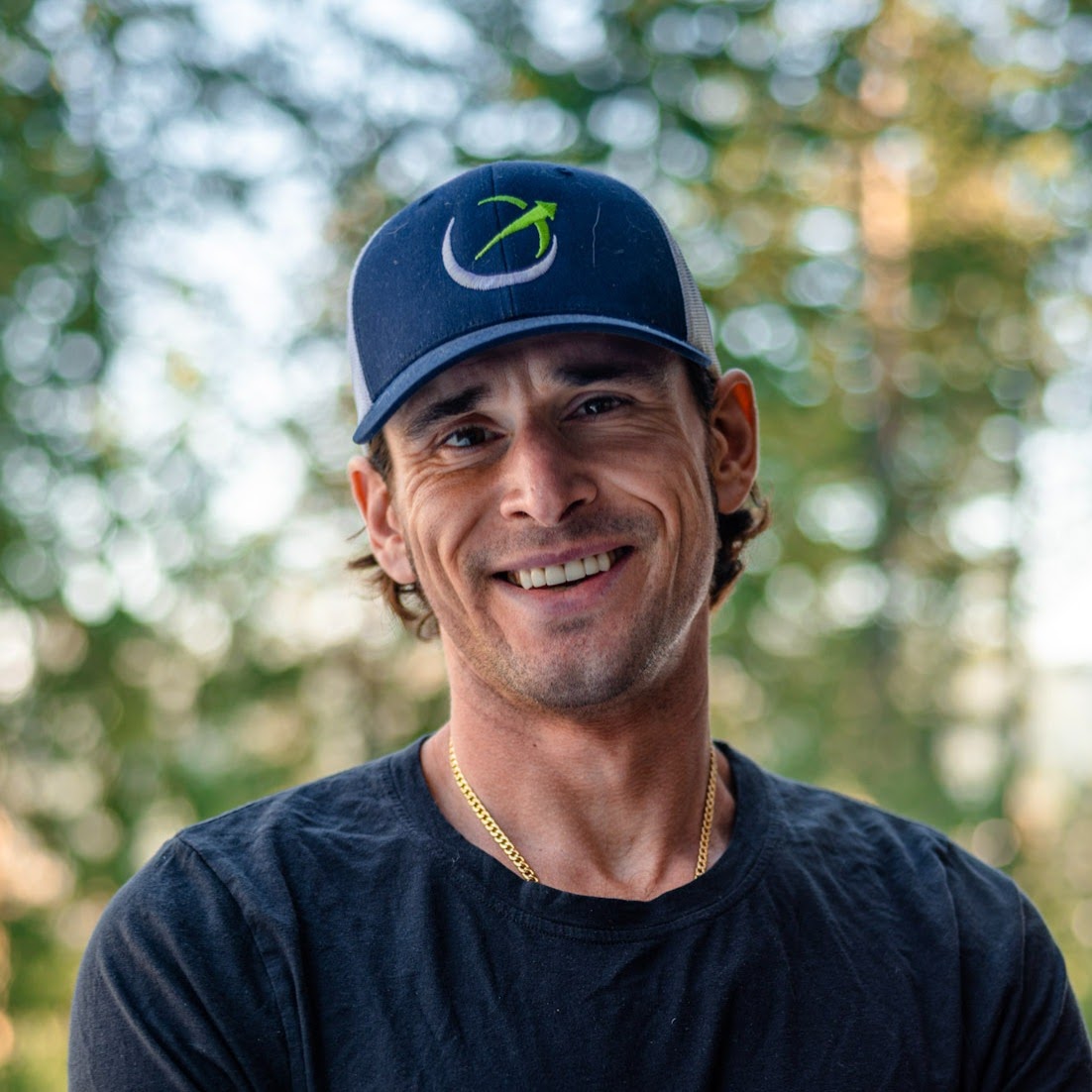
Dr. Cameron Chestnut replaces traditional anesthetics (opioids/benzodiazepines/inhaled gases) with a neuroprotective cocktail of precedex, low-dose ketamine, and minimal propofol to virtually eliminate post-operative cognitive dysfunction (POCD).
2
Pre-op preparation: 48‑hour fast, ketogenic refeed, creatine 15 g/day, vitamin D 5–10,000 IU with K2, and exogenous ketones (Keto Start) to shield the brain and speed recovery.
3
Post‑op protocol includes daily hyperbaric oxygen, genetically tailored IV nutrition, PEMF, red/infrared light, and strict sleep optimization with melatonin.
4
He eliminated all microplastic‑containing disposables from his operating room after learning their plasticizers are neurotoxic and banned in the EU.
Protocols
Concrete recipes — what, when, how much, and why
7 items
Pre‑operative metabolic optimization
WhatA 2–4 week pre‑surgery regimen including a 48‑hour fast, ketogenic refeed, creatine 15 g/day, vitamin D 5–10,000 IU with K2, exogenous BHB salts (Keto Start), and optionally a peptide stack (BPC‑157, TB4, KPV, GHK‑copper).
WhenStarting 2–4 weeks before surgery; the 48‑hour fast immediately before the procedure, with ketogenic refeed afterwards to maintain ketosis on surgery day.
DoseCreatine: 15 g/day spread out. Vitamin D: 5–10,000 IU/day. Keto Start: as directed. Peptides: injection or sublingual depending on tolerance; exact dosing not specified.
For whomAll of Cameron’s elective facial surgery patients and himself prior to performing surgery.
WhyAchieves metabolic flexibility, provides neuroprotective fuel (ketones), supports cellular energy (creatine), reduces inflammation, optimizes vitamin D status to lower infection and complication risk, and pre‑conditions the brain against anesthetic‑induced neuroinflammation.
CaveatsRequires baseline labs to tailor vitamin D and micronutrients. Peptide route (injectable vs sublingual) affects bioavailability; sublingual may be preferred if patient cannot inject. Fasting should be supervised; patients with blood sugar issues need adjustments.
Cameron’s approach is to treat surgery like an athletic event. He plans his own weekly schedule around surgery days, timing workouts and fasts. He wants patients to enter the OR in a state of ketosis because it provides a clear, crisp mental state for him as surgeon and protects the patient’s brain from oxidative stress. The 48‑hour fast clears glycogen and ramps up ketogenesis; then he refeeds with ketogenic foods (sardines in olive oil, a Dominic D’Agostino tip) to maintain ketosis without hunger. Creatine saturates tissues, providing a phosphate buffer for ATP and supporting the high metabolic demands of healing skin and neural tissue. Vitamin D is the most basic and overlooked pre‑surgical supplement; he notes that even rural general surgeons know it, but he’s seen his patients’ levels improve over the years. The peptide cocktail is added for its anti‑inflammatory and regenerative signaling, with KPV especially added post‑op for its neural anti‑inflammatory properties (leaky gut‑leaky brain axis).
Mechanism
Fasting/ketosis reduces NLRP3 inflammasome activation, increases beta‑hydroxybutyrate which acts as a signaling molecule to inhibit HDACs and combat oxidative stress. Creatine donates phosphate for ATP regeneration in high‑demand cells (neurons, fibroblasts). Vitamin D modulates immune function and calcium homeostasis, directly linked to lower post‑operative infections. BPC‑157 and TB4 are angiogenic and cytoprotective; KPV blocks neuroinflammation via melanocortin receptors; GHK‑copper modulates collagen and elastin.
Personal experience
Cameron does his own 48‑hour fasts and uses the same supplements. He mentions that the ketone‑rich state makes him feel clear and decisive during long surgeries. He has observed that patients who follow this protocol heal faster and complain less of post‑operative fog.
I'll use a fasting protocol, you know, with something simple like a 48 hour fast leading into surgery. And then when I refeed, I'm doing things to stay in ketosis at that point.
Also said
“If you're vitamin D optimized going into your surgery, your risks of all the bad things of surgery are so much lower afterwards.”— Underlines the high‑impact, simple intervention.
“I've been using creatine pre‑operatively for years, for a decade.”— Shows long‑term clinical experience, not a fad.
Neuroprotective anesthesia cocktail
WhatUse dexmedetomidine (precedex) as the primary agent, supplement with low‑dose ketamine and minimal propofol, while avoiding opioids, benzodiazepines, and volatile inhaled gases. Combine with thorough local anesthesia/nerve blocks so no pain signal reaches the brain.
WhenDuring surgery, with the precedex infusion started early to allow slow onset; ketamine and propofol sprinkled in at specific procedural points.
DoseNo specific mg/kg given, but precedex is dose‑titrated for deep non‑REM‑like sleep; ketamine is kept in low, neuroprotective range; propofol is used only in low doses to reduce cerebral metabolic rate.
For whomElective cosmetic surgery patients of Cameron Chestnut; applicable in principle to any surgery where deep general anesthesia is not mandatory.
WhyEliminates the primary drivers of post‑operative cognitive dysfunction (opioid/benzo‑induced neuroinflammation and gas embolism) and uses agents that actively protect the brain and preserve sleep architecture.
CaveatsRequires an anesthesiologist comfortable with these agents; precedex has a slower onset, demanding precise timing. Ketamine dose must be carefully managed—low to neuroprotective, high flips to pro‑inflammatory. Propofol can cause hypotension and respiratory depression if not used minimally. The whole protocol is more labor‑intensive and expensive, not reimbursed by insurance.
Cameron contrasts two standard ends of the anesthesia spectrum: light sedation with fentanyl/versed (which cause POCD and respiratory suppression) and deep general anesthesia with volatile gases (which cause microemboli and inflammation). He lives in the middle. By using precedex, he provides a sleep‑like state that downregulates brain inflammation instead of fueling it. Low‑dose ketamine adds analgesia and dissociation without respiratory suppression, and propofol at low doses reduces the brain’s need for oxygen, making tissues more tolerant of any temporary hypoperfusion. The key, though, is starting with excellent local anesthesia: if no pain signal ever reaches the CNS, the post‑op pain pathways never become primed, significantly reducing post‑operative discomfort and analgesic requirements. This also means patients wake up without the grogginess of opioids.
Mechanism
Precedex: central alpha‑2 agonism → locus coeruleus inhibition → non‑REM sleep mimicry, decreased sympathetic outflow, preserved respiratory drive; downregulation of NF‑κB and inflammasomes → less neuroinflammation. Ketamine: non‑competitive NMDA antagonist → blocks excitotoxicity, provides dissociative anesthesia and analgesia; at low doses, mTOR pathway activation and anti‑inflammatory cytokines. Propofol: GABA‑A potentiation, reduces cerebral metabolic rate of oxygen, acts as a free‑radical scavenger at low doses. Local blocks prevent nociceptor signaling to the dorsal horn, preventing central sensitization.
Personal experience
Cameron built his own OR and hires his own anesthesia team specifically to execute this protocol. He says he approached it as if he were the patient, designing the ideal anesthetic for his wife. He has gradually evolved the protocol over years, first removing opioids and benzos, then refining the mix.
The order of which they're prioritized in my operating room... precedex as the base, sprinkling in ketamine and then propofol kind of to turn us into almost like a low power mode to decrease the oxygen needs or capacity of the brain a little bit.
Also said
“If there's never a signal sent from the periphery to the central nervous system to start with, those pathways never get primed and then postoperatively... there's not as open a pathways for postoperative pain.”— Explains why local anesthesia is foundational, not just the systemic drugs.
“These are applicable to every single type of surgery... there is nothing along the spectrum where these at least principles wouldn't be worth asking about.”— Emphasizes this isn’t limited to face lifts.
Underwater pool workout for CO₂ tolerance
WhatPerform weighted exercises (e.g., single‑leg squats, lunges, loaded carries) at varying depths in a pool, exhaling underwater and inhaling only at the surface, without hyperventilating beforehand. Use different depths to adjust load and distance.
WhenOn non‑surgery days as a primary breath‑control and metabolic flexibility training; also as pre‑op conditioning for surgical performance.
DoseStarts with a rhythmic breathing warm‑up focusing on exhaling on the ascent. Then multiple rounds at depths from 4 to 10 feet with different dumbbell weights. No set duration; proceed at own risk with a partner.
For whomCameron himself and anyone looking to build CO₂ tolerance and mental toughness; must have a partner and a grippy pool bottom.
WhyBuilds hypercapnic tolerance (CO₂ tolerance), improves metabolic flexibility, and trains the mind to stay calm under respiratory stress, translating to stress resilience and surgical focus.
CaveatsNever hyperventilate before submerging—that causes shallow‑water blackout. Pool bottom must have a sandy, non‑slip finish. Always have a partner. Not suitable for those with cardiovascular or respiratory conditions without medical clearance.
Cameron learned this from Laird Hamilton and Gabby Reese. The pool was purpose‑built with descending depths and a special grip surface. The workout forces you to time your breaths to the exercise, because you cannot breathe whenever you want—you must exhale on the way up and inhale only when your mouth breaks the surface. This builds CO₂ tolerance, not oxygen depletion. He contrasts it with Wim Hof‑style hyperventilation, which lowers CO₂ and can cause blackouts; his method keeps CO₂ high, which signals the body to take a breath and thus is safer and more applicable to real life (like being tangled underwater as a surfer). He ties the CO₂ tolerance directly to stress resilience, referencing Anders Olson’s work: high CO₂ tolerance correlates with lower stress reactivity. The underwater environment also creates a hypoxic and hypercapnic stimulus that enhances fat oxidation and ketone utilization, further aligning with his pre‑surgical metabolic goals.
Mechanism
CO₂ is the primary driver of the urge to breathe; repeated exposure to elevated CO₂ (hypercapnia) increases the body’s buffering capacity and reduces panic response to air hunger. This also stimulates mitochondrial biogenesis and shifts energy metabolism toward fat oxidation. The forced exhale‑before‑inhale drill prevents shallow‑water blackout by keeping CO₂ levels high, ensuring the respiratory drive remains intact.
Personal experience
Cameron purpose‑built his pool specifically for this workout. He says the main effect he is after is CO₂ tolerance. He does it to be at his best in the operating room. He notes that being in ketosis makes the breath‑holds easier because fat oxidation is more efficient.
The real one is like uh forced breath work... You can't lose focus on your breath when you're in the water because your breaths only come at very specific time frames.
Also said
“When you breathe it off you're able to do the whole Wimhof hold your breath for a long period of time thing but that's also dangerous if you're submerged in 12 ft of water.”— Warns against hyperventilation‑based breath‑holds.
Melatonin for sleep and antioxidant support
WhatTake 5–10 mg of melatonin before bed following surgery to improve sleep architecture and provide antioxidant protection.
WhenNighttime after surgery, and possibly pre‑operatively as a sleep aid and antioxidant.
Dose5–10 mg.
For whomAll surgical patients, especially those with pre‑existing sleep difficulties.
WhyAnesthesia disrupts sleep architecture; melatonin helps restore it. It also acts as a potent antioxidant, reducing oxidative stress from the metabolic insult of surgery.
CaveatsStandard melatonin caveats: may cause morning grogginess if dose is too high; start low if sensitive. Not a substitute for treating underlying sleep disorders.
Cameron emphasizes that sleep is a massive lever for surgical recovery that is completely undertalked about. Even with his neuroprotective anesthetic cocktail, sleep is still disrupted to some degree. Melatonin helps quickly restore normal sleep cycles. The antioxidant effect is a bonus, particularly in the brain where surgery‑induced free radicals can accumulate. He also schedules surgeries to protect circadian rhythms, but melatonin bridges the gap.
Mechanism
Melatonin is an endogenous hormone that regulates circadian rhythm; exogenous melatonin binds to MT1/MT2 receptors in the suprachiasmatic nucleus, promoting sleep onset. It also scavenges free radicals and upregulates antioxidant enzymes, especially in the CNS.
Personal experience
Cameron includes this in his post‑operative recovery protocol for all patients and presumably uses it himself.
Anything we can do to start thinking about it from the anesthetics we're choosing to something very simple like melatonin beforehand at, you know, 10 milligram dose... you also get an antioxidant benefit to it as well.
Also said
“Sleep's wildly important to that healing... to ignore that as part of a huge lever to pull in the surgical recovery period is just missing it.”— Frames sleep as non‑negotiable, making melatonin a logical tool.
Local nerve block to prevent central pain sensitization
WhatAdminister thorough local anesthesia/nerve blocks at the surgical site before the procedure so that no pain signal is generated or transmitted to the central nervous system.
WhenBefore incision, as part of the anesthetic plan.
DoseDepends on the area; uses long‑acting local anesthetics.
For whomAll of Cameron’s facial surgeries and any procedure where regional anesthesia is feasible.
WhyPrevents the priming of pain pathways in the spinal cord and brain, reducing post‑operative pain and the need for systemic analgesics.
CaveatsRequire expertise in regional anesthesia of the face. Risk of direct nerve injury if not done carefully. Not applicable to surgeries requiring deep abdominal access.
Cameron explains that if a pain signal never reaches the central nervous system, the pathways don’t become hyperexcitable. This means when the local wears off, the pain experience is significantly less. He contrasts this with general anesthesia alone, where the brain is unconscious but the periphery is still sending pain signals that sensitize the CNS. This principle is also why he tells patients to ask for a regional nerve block instead of general anesthesia whenever possible, even for non‑facial surgeries.
Mechanism
Local anesthetics block voltage‑gated sodium channels in peripheral nerves, preventing action potential propagation. By blocking nociceptive input from the start, they inhibit the wind‑up phenomenon and central sensitization in the dorsal horn, mediated by NMDA receptor activation and neuropeptide release.
Personal experience
Cameron uses this technique daily. He notes that even athletes who get a nerve block must be careful not to overdo activity because they can’t feel pain, referencing times he has pushed too hard himself.
If there's never a signal sent from the periphery to the central nervous system to start with, those pathways never get primed and then postoperatively... there's not as open a pathways for postoperative pain.
Also said
“Local anesthesia is the dream cuz then there's no pain signal ever sent.”— Emphasizes the ideal scenario.
Pre‑op CO₂ tolerance and nasal breathing conditioning
WhatIn the weeks before surgery, have patients practice light zone 1–2 walking while breathing only through their nose, and possibly use mouth tape and nasal strips/stents to reinforce nasal breathing.
WhenWeeks leading up to surgery.
DoseDaily, during walks or light exercise. Mouth tape and nasal strips can be used at night.
For whomAll surgical patients; particularly important for those who mouth‑breathe.
WhyImproves CO₂ tolerance, enhances oxygenation, and makes the brain more robust against the respiratory depression and inflammatory insult of anesthesia.
CaveatsPeople with severe nasal obstruction should first address that. Mouth taping should be comfortable; never force it.
Cameron ties this directly to his pool workouts and the concept of hypercapnic tolerance. He explains that simply breathing through the nose during light exercise builds up CO₂ tolerance without needing extreme breath‑holds. He also recommends mouth taping and nasal strips to his patients and uses them himself. He has found that adding a nasal strip makes him feel more oxygenated upon waking. He mentions the Hale intranasal stents for those who need more internal support, especially useful during sleep. These habits make the brain less reactive to any respiratory changes under anesthesia and speed up cognitive recovery.
Mechanism
Nasal breathing increases nitric oxide production, improves oxygen uptake, and slightly increases CO₂, fostering a higher bicarbonate buffering capacity and improved tissue oxygenation via the Bohr effect. Chronically, this upregulates the brain’s tolerance to hypercapnia.
Personal experience
Cameron used to mouth tape but now mostly stays nasal without it. He uses Hale stents during sleep and surgery. He finds that with these simple interventions, his patients recovery faster and feel less brain fog.
I want them to build up their hypercapnic capability. It makes their anesthesia better, makes their recovery better, makes their brain more protected. But it's sometimes it's simply just like light zone one, zone 2 walking, but breathing through your nose.
Also said
“Even like which brands we're recommending... I feel more oxygenated during the night and when you wake up just with the presence of the nasal strip.”— Shares a simple, low‑cost intervention with personal testimony.
Circadian‑aware surgical scheduling
WhatSchedule surgery times to align with the patient’s home time zone, avoiding late afternoon/evening procedures for patients traveling from distant time zones, and starting recovery activities at the patient’s biological morning.
WhenAt the time of scheduling.
DoseOne‑time decision per patient.
For whomAll of Cameron’s patients, who travel from different time zones.
WhyMinimizes circadian disruption, which would impair sleep quality and compromise healing during the critical post‑op period.
CaveatsMay limit available OR times and require flexible scheduling.
Because Cameron’s patients stay for days and undergo a multi‑hour recovery protocol each day, he tries to have their day start at their biological morning. For example, if a patient arrives from Europe, 8 a.m. Pacific might be 4 p.m. their time; he will schedule accordingly so they aren’t forced to wake at 2 a.m. body time. This small logistical step has a disproportionate impact on sleep and recovery, especially since melatonin and other sleep aids only partially offset jet lag plus surgical stress.
Mechanism
Circadian disruption increases cortisol and inflammatory cytokines, impairs wound healing, and worsens post‑operative delirium risk. Aligning procedures with the patient’s internal clock preserves melatonin and growth hormone rhythms.
Personal experience
Cameron actively adjusts his OR schedule based on patient origin, showing the lengths he goes to for holistic recovery optimization.
If 8:00 is, you know, midnight your time or 2 a.m. someone's coming from... Europe or something like that, we're trying to like be thoughtful about when we're planning that on their circadian rhythms.
Also said
“You wouldn't do like a later afternoon or early evening surgery for someone who's coming like 3 or four hours from back east? - Yeah, exactly.”— Specific example of how time zones matter.
What's new
Personal practice updates, fresh positions, predictions
6 items
Pool workouts for forced CO₂ tolerance
Cameron purpose‑built a pool with descending depths to perform Laird Hamilton/Gabby Reese‑style underwater workouts that force breath control, build CO₂ tolerance, and improve metabolic flexibility without hyperventilation.
Why this matters: Reframes hypoxic training from breath‑hold records to practical CO₂ tolerance, connecting it to surgical performance and stress resilience.
Background
Traditional breath‑hold training often uses hyperventilation to lower CO₂, which can cause shallow‑water blackout. Cameron’s method emphasizes keeping CO₂ high to mimic real‑life stress and avoid dangerous O₂ depletion.
The workout begins with rhythmic breathing where the athlete exhales underwater and inhales only at the surface, re‑learning not to hyperventilate. Different depths (10 ft down to 4 ft) serve as stations for varying weight loads—lighter weights in deeper water, heavier (e.g., 50 lb dumbbells) in shallow. Key component is ‘going to your dark place’ while holding a loaded movement, forcing adaptation to high CO₂ levels. Cameron cites Laird’s origin: being tangled underwater with a surfboard and needing to stay calm without pre‑breathing. He ties the CO₂ tolerance directly to stress resilience (a problematic email doesn’t trigger panic) and to his operating‑room flow state, where he must remain sharp for 8–10 hours. The pool bottom has a sandy, grippy finish for safety, and he always has a partner present. He also references Anders Olson’s research linking CO₂ tolerance to psychological resilience and Olson’s desk‑based CO₂ breathing machine.
Personal experience
Cameron built the pool when constructing his new home; it is purpose‑designed with the exact depths and bottom texture needed for these workouts. He uses it as his main physical prep for surgery days, believing it translates directly to staying calm and focused under pressure.
I'm not blowing off CO₂, then trying to hold my breath as long as I can. That's where you get shallow water blackouts and things get dangerous. And that's also not applicable to real life generally.
Also said
“Building up CO₂ tolerance would be an effect of the pool workout.”— Highlights the primary physiological aim, not just breath‑holding.
“You can't lose focus on your breath when you're in the water because your breaths only come at very specific time frames in the workout.”— Explains the forced mindfulness aspect that transfers to surgical concentration.
High‑dose creatine for cognition and skin
Cameron has used creatine pre‑operatively for a decade, now at 15 g/day, shifting the perception from muscle bulk to cognitive protection and post‑surgical skin healing.
Why this matters: The dose is three times the classic 5 g and the application expands beyond athletic performance to aesthetics and brain health, reflecting a massive patient trend (from 10% to 80% usage in 18‑24 months).
Background
Five grams was the long‑standing recommendation, sometimes with a loading phase. Recently, public educators like Rhonda Patrick and Andrew Huberman popularized cognitive benefits, and Cameron’s own clinical observations plus emerging research suggest creatine also improves skin quality and repair.
Cameron traces the shift: initially only 10% of his (mostly female) patients were on creatine; now over 80% arrive already taking it. He links this to Rhonda Patrick and Huberman. But he goes further, noting creatine’s presence in neural tissue and its importance for fibroblasts—the cells that create and heal skin. After a procedure like laser resurfacing, the metabolic demand on skin is enormous. By feeding cells with creatine, he gets better structural results. He mentions unpublished studies showing creatine improves skin structure even without a stimulus. The higher 15 g dose is needed because the cognitive and skin benefits require greater saturation than muscle alone. He has his patients spread the powder throughout the day.
Personal experience
A decade ago he began recommending creatine to his cosmetic surgery patients; now it’s part of his own pre‑operative protocol and he considers it a fundamental performance enhancer for surgeons as well.
Now I would say over the last 18 to 24 months it's probably the ratio's flipped. It's 80% plus [of patients on creatine].
Also said
“The more recent discussion of the cognitive benefits... it's not isolated in our muscle. We know it's in our neural tissue, central nervous system.”— Grounds the higher dose in physiology beyond muscle.
“This is going to turn into a beauty supplement as well because our fibroblasts... are energetically demanding especially after what I'm doing like a laser resurfacing.”— Directly links creatine to better aesthetic outcomes.
Exogenous ketones for ketone‑naive surgical patients
Cameron gives his patients BHB salts (Keto Start) before surgery even if they eat a standard diet, providing neuroprotection via ketosis without requiring dietary change.
Why this matters: Decouples the metabolic state of ketosis from long‑term diet; allows anyone to gain the anti‑inflammatory and brain‑stabilizing benefits of ketones during the acute stress of surgery.
Background
Ketosis is traditionally achieved by fasting or carbohydrate restriction. Cameron’s innovation is using exogenous ketones as a ‘bridge’ so that even a patient eating Cheerios and a sandwich can have circulating ketones that protect the brain from anesthetic‑induced neuroinflammation.
Cameron uses one product, Keto Start (BHB salts), pre‑operatively and also recommends it for patients in the days leading up to surgery. He acknowledges that his patient population is already metabolically flexible, but he insists the ketones work regardless. The rationale ties directly to Dominic D’Agostino’s research showing ketones stabilize neurons. He wants the patient’s brain to have an alternative fuel that reduces oxidative stress and neuroinflammation. He still encourages metabolic flexibility beforehand (e.g., adding an egg to the Cheerios) so the body can use ketones efficiently. The post‑operative benefit is faster return of cognitive clarity and less ‘fog’.
Personal experience
Cameron himself goes into surgery in ketosis (often via a 48‑hour fast and sardines/olive oil refeed) and uses the same Keto Start product; he notices a crisp, clear decision‑making state that he believes directly impacts surgical outcomes.
I like my patients on those going in as well, even if they're ketone naive... if they have those ketones, they're still able to maintain some semblance of ketosis.
Also said
“Having them with ketones on board pre‑surgery helps them recover from their anesthesia via some of those same mechanisms we'll talk about with neuroinflammation.”— Closes the loop between dietary supplement and post‑op brain function.
Precedex‑centered neuroprotective anesthesia
Instead of opioids/benzodiazepines or volatile gases, Cameron builds anesthesia around dexmedetomidine (precedex), which mimics natural non‑REM sleep, reduces neuroinflammation, and preserves breathing.
Why this matters: Challenges the standard of care where fentanyl/versed for sedation and inhaled gases for general anesthesia are the default, despite strong evidence they cause lasting cognitive deficits. His method is a complete re‑thinking specifically for elective procedures.
Background
Standard colonoscopy sedation or general anesthesia use opioid/benzo combos or volatile gases, both of which cause neuroinflammation, microemboli, and post‑operative cognitive dysfunction. Cameron, as an elective facial surgeon, rejected that model.
Dexmedetomidine is a central alpha‑2 agonist (not alpha‑1) that tells the brain to ‘chill’, inducing a state similar to non‑REM delta‑wave sleep. It does not depress respiration or peripheral blood pressure, avoiding the respiratory suppression of opioids. Crucially, it downregulates key inflammosomes in the brain, directly countering the inflammatory cascade that causes POCD. Cameron uses it as the base, then layers in low‑dose ketamine (which is NMDA‑receptor mediated, neuroprotective at low doses, dissociative and analgesic) and a tiny amount of propofol to lower the brain’s oxygen demand. He warns of the dose paradox: high‑dose ketamine becomes pro‑inflammatory, and high‑dose propofol acts like a general anesthetic with all its drawbacks. He also emphasizes that this protocol requires more skill and time, which is why it is not adopted in insurance‑based settings where reimbursement is low.
Personal experience
Cameron designed his entire surgical suite and hand‑picks his anesthesia team to execute this protocol. He states he approached it the same way he would if operating on his wife, Jessa, or his family. He iterated over years, first removing all opioids and benzos, then optimizing the current triple combination.
Precedex... it puts a causes a sleeplike state like non‑REM delta wave type of sleep. So it's super relaxing and you're out, but it doesn't affect your peripheral blood pressure or your breathing... it downregulates some very important inflammosomes in our brain.
Also said
“In low doses, ketamine is very neuroprotective. It's a little bit of a dissociative... but in high dose flips over and becomes very pro‑inflammatory. So you got to be careful about that.”— Highlights the dose‑dependent safety window critical to the protocol.
“I'm doing elective cosmetic based things and it's not worth kind of tapping into that reserve for something that's so elective especially when there's other options that exist.”— Justifies the departure from standard anesthesia for elective cases.
Microplastic purge from the operating room
After investigating plasticizers in IV bags and tubing, Cameron threw out tens of thousands of dollars of supplies and switched to non‑toxic alternatives to eliminate microplastic exposure during surgery.
Why this matters: While microplastics are a popular wellness topic, eliminating them from a surgical setting is unprecedented and requires rebuilding supply chains; it reflects a zero‑tolerance mindset for any cellular insult.
Background
Many medical plastics contain phthalates and other plasticizers that are known endocrine disruptors and neurotoxins. Cameron’s dive began after hearing that running the first 30 mL of IV fluid through the line reduces plastic particulates—then he realized the sheer volume of plastic waste and the systemic exposure.
Cameron describes digging into the materials of every item in his OR: IV bags, tubing, syringes, etc. He discovered that some plasticizers used in the U.S. are illegal in Europe. Even though acute exposure from a single surgery might be dismissed as trivial, he reasons that microplastics inhibit cellular efficiency and healing, and for his elective patients even a 1% worse outcome is unacceptable. His staff, who share his mindset, helped him source alternative materials. He admits it was massively expensive and logistically difficult, but his private, non‑insurance‑based practice allowed it. He hopes this will eventually become a broader movement, but acknowledges it is far from mainstream surgical practice. The conversation touches on future microbial remediation strategies (engineered gut bacteria that degrade plastics) but notes that immediate post‑op detox is limited because sauna or other hormetic stresses are contraindicated right after surgery.
Personal experience
Cameron personally audited every item, threw away pre‑purchased supplies worth tens of thousands of dollars, and had to convince his team—who were already bought‑in—to adopt new workflows. He states some microplastics he found were so concerning that ‘I wouldn't want this… you know’.
I wiped all those things out... I found some in my O that I'm like I wouldn't want this you know.
Also said
“The specific plasticizers we're using in the United States aren't even legal in Europe.”— Underscores the regulatory gap and the seriousness of the problem.
“No matter what it's doing, it's inhibiting the cellular efficiency, the cellular optimization that I want for healing no matter what.”— Captures his minimal‑tolerance philosophy.
Intranasal stents for surgical breathing
Cameron uses Hale intranasal stents under his surgical mask to maintain nasal breathing during 8–10 hour operations, preventing mouth breathing caused by the weight of mask, loops, and glasses.
Why this matters: Takes a recovery‑room device (rhinoplasty stent) and repurposes it for surgeon performance, solving a hyper‑focused professional’s problem of forced mouth breathing.
Background
During long surgeries, the combination of a surgical mask, loupes, and glasses can compress the nostrils, leading to mouth breathing, which impairs CO₂ tolerance and oxygenation. Cameron discovered these silicone stents originally used after rhinoplasty to keep the nasal airway open.
He describes the anatomy: external nasal valve (where air enters) and internal valve (higher up). Most external nasal strips address the internal valve; these stents open the external valve from the inside. He puts them in just before surgery as the last step, essentially hiding them under his mask. He also keeps them by his bed for sleep, though he notes his mouth‑taping habit has already partially retrained his breathing. He mentions Chris Froome of Tour de France fame used similar internal nasal dilators. The product is called Hale (he spells it out) and comes in three sizes. He is completely unaffiliated.
Personal experience
Cameron personally uses Hale stents in the OR and at bedtime. He reports that without them he would mouth‑breathe during long surgeries due to the compression on his nose.
I put it under my surgical mask because I'm tuned into surgery and I'm hyperfocus flowing for 8 10 hours and I have glasses, my loops... I find myself mouth breathing doing that sometimes cuz everything's compressing on my nose.
Also said
“It's called hail h a l e I believe. And they they're these like little intraasal stances that you put in there. Rubbery plastic kind of hold your nose open.”— Gives the name and simple description.
Recommendations
Products, supplements, and tools mentioned in the episode
6 items
Keto Start (beta‑hydroxybutyrate salts)
Supplement
Cameron takes this pre‑operatively and gives it to patients before surgery to induce a ketotic state, even if they are not already on a ketogenic diet. He mentions getting into ketosis via diet is ideal, but exogenous ketones provide a bridge for neuroprotection.
Keto Start is a BHB salt formulation. Cameron learned about the brain‑stabilizing effects of ketones from Dominic D’Agostino, who has built a research career around ketones’ neurological benefits. By having patients consume Keto Start before surgery, he aims to put their brains in a metabolically resilient state that reduces neuroinflammation from anesthesia. He distinguishes salts from esters; his preference is for salts. He also works on making patients metabolically flexible so their bodies can use the ketones efficiently, but even ketone‑naive patients benefit. The product is part of his larger pre‑operative optimization protocol, alongside fasting and creatine.
vs alternatives
Fasting and dietary ketosis are better endogenous sources, but exogenous salts allow any patient to achieve ketone elevation without dietary discipline. Compared to MCT oil or esters, salts are easier on the stomach and more familiar to patients.
Personal experience
Cameron takes it personally before surgery and feels it gives him clarity and crisp decision‑making.
I use one called Keto Start. That's the one that I'll take pre‑operatively. Um even if it's a time where I'm not in ketosis, I'll take those leading in.
Also said
“I like my patients on those going in as well, even if they're ketone naive... they're still able to maintain some semblance of ketosis.”— Shows the product’s role for patients not on a keto diet.
Cameron installed eight large Kala red/infrared panels in his custom sauna after extensive research on heat tolerance and optimal wavelengths (peak at 660 nm). He recommends them for surgical recovery and general skin health because they deliver high radiance even at 200°F.
Cameron’s sauna combines a traditional Huum heater, infrared panels, and the Kala red lights in a dome configuration, allowing a workout space inside. The challenge was finding red lights that wouldn’t overheat and shut down in a sauna. Kala solved this with superior heat dissipation. He emphasizes that proper wavelength and radiance matter; many consumer masks are not true lasers but LEDs with broad spectra, so choosing a reputable brand is critical. He uses Kala for post‑operative facial recovery and notes they also emit near‑infrared. He says he has no affiliation.
vs alternatives
Compared to typical red light face masks (like Boncharge or TheraFace), panels are larger, more powerful, and suitable for whole‑body or sauna use, but less portable. Kala stands out for sauna compatibility.
Personal experience
Cameron personally built this sauna and tested multiple brands. He found Kala to be the only ones that function reliably in extreme heat and deliver therapeutic doses.
Kala therapy makes a really great red light and I I like them because in my sauna... those are the red lights that I put in my sauna.
Cameron uses a PEMF device with large face‑focused paddles as part of his post‑operative recovery protocol. He considers it underutilized in surgical recovery and says it has FDA indications for bone non‑union, but also benefits soft tissue.
Pulsed Electromagnetic Field therapy stimulates the extracellular matrix outside cells to improve healing. Cameron specifically uses it on the face after surgery to reduce swelling and speed soft tissue recovery. The device he uses has big paddles that can be positioned near the face, though he mentions they are a bit unwieldy and jokes about needing a bracket. He describes it as the most powerful PEMF he’s experienced, and he incorporates it daily for patients staying at his retreat. He also mentions a biocharger and a nano device as additional energy‑based tools.
vs alternatives
Compared to other PEMF devices, this one is more powerful and face‑capable. Many consumer‑grade mats are lower intensity and less targeted.
Personal experience
He first experienced the P Centers PEMF and was impressed by its power. He now integrates it into his patient protocol. He also personally uses it.
PEMF is underutilized in all types of surgical recovery... the way that the electromagnetic fields work is by stimulating the extracellular matrix outside of the cells to to heal better.
Cameron uses a cocktail of anti‑inflammatory and regenerative peptides both pre‑ and post‑operatively, adjusting the blend based on the phase (e.g., adding more KPV post‑op for neural anti‑inflammation). He gave a standing‑room‑only lecture on peptides at the American Academy of Facial Plastic and Reconstructive Surgery.
For pre‑op, the stack is general healing and anti‑inflammatory: BPC‑157, TB4, GHK‑copper. Post‑op, he adds KPV, which specifically targets neuroinflammation via the melanocortin system and helps with the leaky‑gut/leaky‑brain axis. He also uses these peptides for himself. He administers them ideally via injection for maximal bioavailability, but some patients use sublingual forms if they can’t inject. He tailors the timing: pre‑op for 2–4 weeks, post‑op until healed. He notes that peptide use in mainstream facial plastic surgery is still very nascent, but his academy is now catching up, indicating a shift in the field.
vs alternatives
Compared to oral anti‑inflammatories like NSAIDs, peptides are more targeted, promote healing instead of just blocking inflammation, and have fewer side effects on gut and kidneys. However, they require more effort (injections or sublingual) and are not FDA‑approved for this use.
Personal experience
Cameron has a personal stack and adjusts it. He also taught the first academy lecture on this topic.
The post‑op edition is a KPV.
Also said
“I gave a standing room lecture only on peptides and regenerative medicine.”— Demonstrates his pioneering role in the specialty.
The most basic pre‑surgical supplement; Cameron insists on optimizing vitamin D levels before any surgery to reduce infection risk and improve healing. He uses 5–10,000 IU with K2, adjusted to baseline labs.
Cameron calls vitamin D the most overlooked supplement in surgery, noting that every surgeon knows it matters but few actually check and optimize it. In his practice, he measures levels and corrects them. Over a decade, he’s seen his patient population’s vitamin D levels improve as public awareness has grown. He usually gives 5–10,000 IU with K2. He says that if vitamin D is optimized, the risks of all bad post‑surgical outcomes are dramatically lower.
vs alternatives
Compared to other pre‑op supplements, vitamin D is the most evidence‑based and universally accepted, yet still under‑dosed in many practices. Adding K2 ensures calcium is directed to bone, not soft tissues.
Personal experience
He no longer needs to aggressively supplement most patients because they already come in with good levels, thanks to broader health consciousness.
If you're vitamin D optimized going into your surgery, your risks of all the bad things of surgery are so much lower afterwards.
Also said
“Every surgeon knows or should know that vitamin D like the most you know rural general surgeon doing everything... vitamin D we need that.”— Stresses its universal applicability across all surgeries.
Used post‑operatively to restore sleep and as an antioxidant. Cameron considers it a simple but critical lever in surgical recovery.
Sleep is the largest overlooked lever in surgical recovery, according to Cameron. Even his neuro‑protective anesthesia cocktail still disrupts sleep to some degree. Melatonin not only helps patients fall asleep but also provides antioxidant protection for the brain. He doses it at 5–10 mg. He also uses it pre‑operatively for sleep, but mainly post‑op. He frames it as part of a broader sleep optimization strategy that includes scheduling surgeries around circadian rhythms.
vs alternatives
Compared to prescription sleep aids (benzos, Z‑drugs), melatonin is non‑habit forming, supports natural sleep architecture, and has an additional antioxidant benefit, making it far superior for healing. Prescription aids also carry addiction and cognitive impairment risks that conflict with recovery goals.
Personal experience
Cameron integrates melatonin into his standard post‑op protocol for all patients.
Melatonin beforehand at, you know, 10 milligram dose... you also get an antioxidant benefit to it as well.
Also said
“To ignore [sleep] as part of a huge lever to pull in the surgical recovery period is just missing it.”— Frames why melatonin is non‑optional in his protocol.
Soft, rubbery plastic stents inserted into the nostrils to hold the external nasal valve open. Cameron uses them during surgery (under his mask) and while sleeping to ensure nasal breathing.
DisclosureI'm completely unaffiliated. I have nothing to do with this.
These were originally designed for post‑rhinoplasty care to maintain the airway. Cameron discovered they also solve his problem of mouth breathing during long surgeries when his mask, loupes, and glasses compress his nose. He puts them in as the last step before surgery. He also keeps them by his bed and uses them to maintain nasal breathing overnight, though he notes his mouth‑taping habit has already helped. The product is called Hale, comes in three sizes, and is made by an ENT doctor. He mentions that professional cyclists like Chris Froome have used similar internal nasal dilators.
vs alternatives
Compared to external nasal strips (which address the internal valve), these open the external valve from the inside, providing a different and sometimes more effective mechanical dilation. Some may find them more comfortable than tape.
Personal experience
Cameron personally uses them in the OR and at home. He describes hiding them under his mask right before surgery. He states they are very simple and straightforward.
It's called hail h a l e I believe. And they they're these like little intraasal stances that you put in there.
Also said
“I kind of hide. It's the last thing I do before surgery.”— Describes practical usage during sterile prep.
Lines worth pulling out — contrarian, specific, or perfectly phrased
7 items
I don't know long enough so far.
Laird Hamilton’s iconic, unbothered reply when asked how long he can hold his breath; Cameron retells it to illustrate the ultimate CO₂ tolerance mindset.
If you understand blood, sweat, and tears biologically, it's pretty easy to just like stop anything and shut up the inner [__] in the same way that you do when you walk into a gym sleep deprived and know that you just got to hit it anyways.
Captures Cameron’s philosophy that physical toughness translates directly to mental discipline, including quitting nicotine or enduring surgery.
You have no idea who your anesthesiologist is going to be, which is kind of like mind‑blowing when you really think about that being the truth.
Shocks the listener about the arbitrary nature of anesthesia assignment in hospitals, a core theme of the episode.
Everything meets in the mitochondria at that point. Whether you're healing from surgery, whether you're recovering from anesthesia, all of these things become really beneficial.
Elegantly ties together all the recovery modalities (HBOT, red light, PEMF, nutrition) under a single cellular principle.
I'm doing elective cosmetic based things and it's not worth kind of tapping into that cognitive reserve for something that's so elective.
Distills his rationale for using a bespoke, less damaging anesthetic: elective procedures should not carry the neural cost of standard anesthesia.
If there's never a signal sent from the periphery to the central nervous system to start with, those pathways never get primed.
Explains the profound advantage of pre‑emptive local anesthesia over simply being unconscious during surgery.
I found some in my O that I'm like I wouldn't want this you know.
Reveals his genuine shock at discovering harmful microplastics in his own surgical supplies, humanizing the decision to purge them.
Sign in to share feedback
Tell us if this brief hit the mark or missed it — feedback feeds back into the next iteration of the prompt.
Reading is free for everyone. A free account adds the personal layer: save protocols, follow experts, and see how the other experts weigh in on this same topic.
Educational summary of the cited expert source — not medical advice. Open the source recording linked above and consult a qualified physician before acting on any protocol.