UNFUCG
DashboardSearchChatBookmarksNotificationsActivityPremiumProfile
?
Home
Search
Chat
Saved
Profile
Episode
The Cost of Breathing in India
~8 min
Episode Brief·YouTube

The Cost of Breathing in India

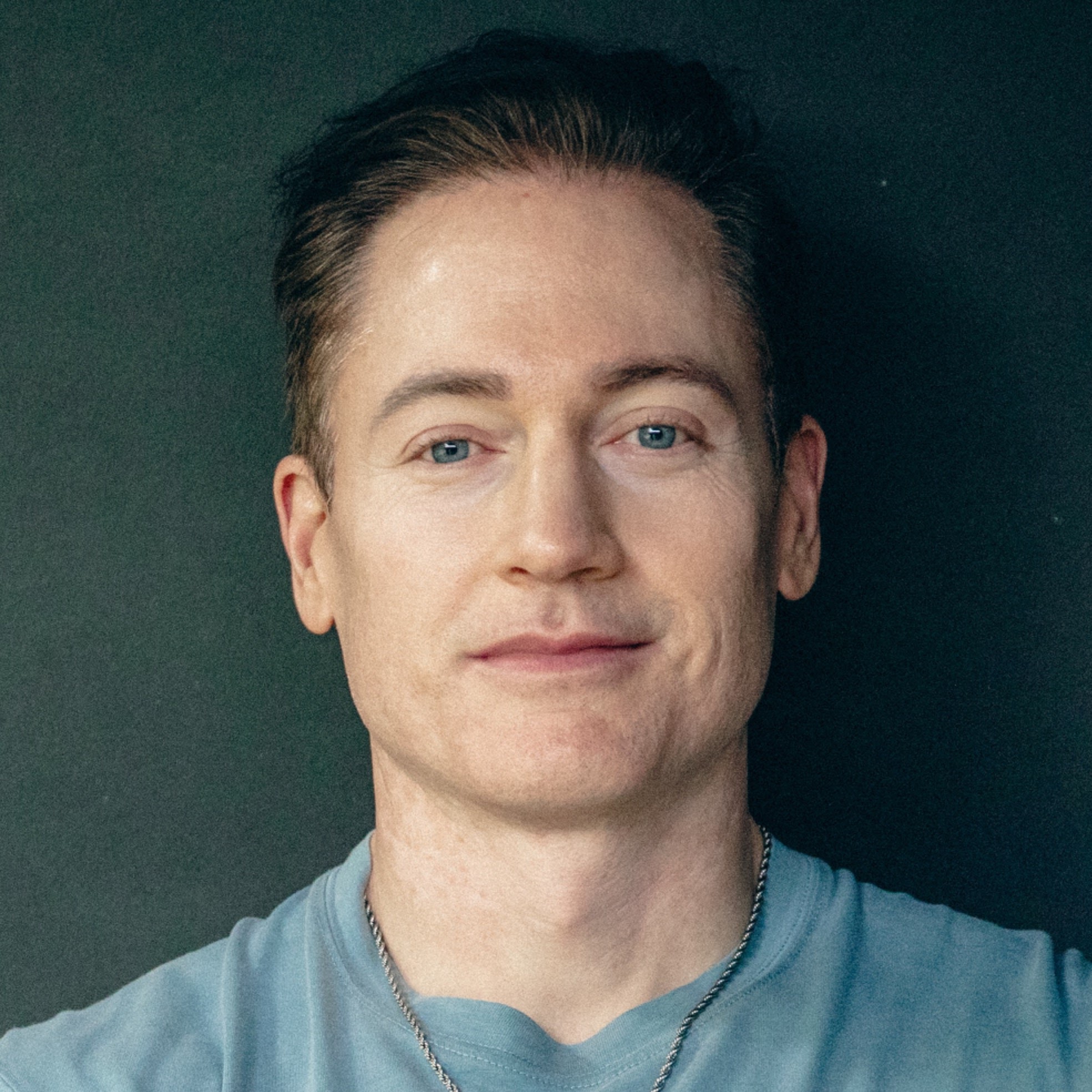
Bryan Johnson
Watch on YouTube Add to chat My bookmarks← All sources

TL;DR

The four things you'd lose by not watching

4 items

TL;DR

The four things you'd lose by not watching

4 items
1

Bryan Johnson cut short a podcast recording in India because PM2.5 levels were over 10x safe limits, causing him throat soreness, eye burning, and breathing difficulty.

2

He travels with an air quality monitor and a portable air filter, setting them up in every room to create clean-air bubbles, and says improving air quality in India is better than curing cancer.

3

Indians have acclimatized to the pollution so deeply that they no longer notice the damage, but the biological harm (neurological, respiratory, whole-body) is severe and ongoing.

4

Johnson frames criticism of his 'Don't Die' philosophy as necessary validation, believing a tiny percentage of society adopting extreme health practices can shift the norm for everyone.

Protocols

Concrete recipes — what, when, how much, and why

2 items

Portable Air Quality Control

WhatCarry a portable air monitor and a portable air filter with you. Set up the filter in any room you occupy to create a low-PM2.5 bubble. Verify conditions with the monitor.
WhenWhenever you are in a city with hazardous air quality (PM2.5 levels >10x safe limits). Use continuously during the stay.
DoseContinuous during indoor occupation in polluted areas; run filter during all awake and sleep hours.
For whomAnyone in highly polluted regions, especially those with health sensitivities or who cannot relocate.
WhyReduces inhalation of particulate matter that causes neurological, respiratory, and whole-body damage; cleaner air provides immediate comfort and long-term protection.
CaveatsHotel and venue air filtering claims are often unreliable; self-provided equipment is the only guarantee. Social discomfort may arise, but health takes priority.

Johnson's team implemented this protocol during a high-speed India trip: they arrived with an air filter and monitor, set up the filter in every room they used, and checked PM2.5 readings to confirm the air was 'okay' before Johnson removed his mask or stayed for extended periods. Only after verifying that indoor conditions were acceptable did he feel comfortable doing podcasts and a dinner. The protocol allowed him to limit the 'amount of damage that's done' while still engaging publicly. He has previously applied this in other polluted locations; in this trip, it was the difference between canceling the whole trip and achieving a blitz of five events in one day. The protocol is a direct extension of his 'Don't Die' principle that no environment is too hostile to mitigate with the right tools.

Mechanism

Portable air filters capture PM2.5 and smaller particles through mechanical or electrostatic filtration, lowering the concentration of airborne toxins. This decreases oxidative stress and inflammation in the lungs and systemic circulation, thereby preventing the acute and chronic damage Johnson describes (neurological dysfunction, asthma, lung irritation).

Personal experience

Johnson: 'we carried an air filter with us everywhere we went we set it up in the place we are at to clean the air' and 'we have a air quality device here so this is really comforting to know that the conditions in this room and all of our room rooms are actually okay.'

we carried an air filter with us everywhere we went we set it up in the place we are at to clean the air

Also said
“we have this map that basically shows what the air quality is like in by and it is just one step below being dangerously hazardous”— Contextualizes the severity that made full-time filtration necessary.
“so we were trying to figure out can we be here in India and talk about don't die and blueprint and still limit the amount of damage that's done”— Reveals the deliberate damage-mitigation mindset behind the protocol.

Masking in Hazardous Air

WhatWear a high-filtration mask (e.g., N95) when exposed to dangerously polluted air, even during conversations or social events.
WhenWhen PM2.5 levels are hazardous (very high) and you cannot avoid outdoor or unfiltered indoor exposure.
DoseAs long as exposure continues; remove only in confirmed clean-air environments.
For whomEveryone in polluted areas, regardless of perceived acclimatization.
WhyPrevents inhalation of particulate matter that causes immediate throat and lung irritation and long-term organ damage.
CaveatsMask-wearing may be socially awkward or stigmatized in places where the norm is to ignore pollution. Polite explanation may be needed.

During his India visit, Johnson noticed that despite the worst air quality in the world, 'nobody is wearing a mask.' He found it baffling and indicative of the normalization of a toxic environment. He personally felt the need to mask mid-conversation and asked permission: 'Is it okay if I put a mask on?' After being told yes, he wore it. However, even with the mask, the pollution eventually overwhelmed him, forcing him to cut the podcast short—highlighting that masking is a partial measure and should be combined with clean indoor air. The protocol is a straightforward, evidence-based harm reduction tool that Johnson advocates even if it makes others uncomfortable.

Mechanism

N95 and similar respirators filter at least 95% of airborne particles, including PM2.5, through electrostatic attraction and physical barriers. This substantially reduces the dose of harmful particles reaching the respiratory epithelium, lowering inflammation and the risk of asthma exacerbations and systemic effects.

Personal experience

Johnson: 'is it okay if I put a mask on yeah yeah okay is that okay yeah ah thanks yes' and the narrator notes that shortly after, he had to leave because the air was still affecting him.

it's interesting that nobody is wearing a mask

Also said
“I can't really see you over there so what does that mean so what is the number right now the PM 2.5 over 10x uh what is reasonable”— Shows his disbelief at the visible pollution and his immediate urge to mask.

What's new

Personal practice updates, fresh positions, predictions

3 items

air-quality-normalization-in-india

Indians' bodies have adapted to hazardous air so completely that they no longer perceive the damage, while Johnson's acute reaction reveals the true biological cost.

Why this matters: Challenges the comforting belief that acclimatization equals safety, using first-person contrast to show that chronic pollution is a hidden emergency.

Background

Conventional wisdom in heavily polluted cities like Mumbai and Delhi is that the body adjusts and life goes on. Mask-wearing is rare and air quality is rarely discussed as an urgent personal threat.

Johnson describes the air as 'like in the middle of a fire' with PM2.5 readings 10x above reasonable limits. Despite this, almost no one wears a mask. The hosts themselves admit that their bodies have compromised to the point of not feeling issues, yet their throats become sore and eyes burn after extended exposure with Johnson. Johnson's throat began to hurt, his eyes watered, and he lost mental clarity within hours, forcing him to abruptly leave a podcast. He frames the normalized pollution as a future human rights violation that nobody currently resists. The visit exposed a massive gap between objective hazard—neurological dysfunction, asthma, lung irritation, whole-body damage—and the subjective numbness of long-term residents. Johnson nearly canceled the entire trip a week earlier because the local assurances of filtered hotel rooms turned out to be false, underscoring how unreliable the perceived safety is.

Personal experience

Johnson: 'I almost didn't come like we were going to called the trip off a week ago I was told that this hotel had air quality like filters in each room in the hotel it was like definitely like it was a thing everyone was like they were aware of it and um that's not the case.' He felt 'it's so bad I was wondering whether you missing some other good things in by concentrating so much on longetivity' — the pollution affected him so strongly he could barely function.

it's like in the middle of a fire I almost didn't come like we were going to called the trip off a week ago

Also said
“it can create neurological dysfunction it can cause asthma it can cause lung irritation it just like it's whole body damage”— Lists the systemic health harms he fears from PM2.5 exposure.
“my eyes burn my throat burns my lungs Burns it's so bad”— Immediate physical symptoms Johnson experienced, contrasting with the locals' apparent numbness.

portable-air-management-protocol

Johnson always carries a personal air quality monitor and a portable air filter, creating a clean-air micro-environment wherever he stays, even during a whirlwind India trip.

Why this matters: Demonstrates a pragmatic, high-agency response to ambient toxicity that most people tolerate passively.

Background

Typical behavior in polluted cities is to either suffer through it or rely on building-level filtration, often without verification. Johnson's protocol is mobile and verified in real time.

During his India visit, Johnson's team carried an air filter 'with us everywhere we went' and set it up in every room they occupied—hotel rooms, podcast venues, dinner spaces. They also used an air quality monitor to check that indoor conditions were 'okay' (safe) before removing masks or staying in the space. This protocol enabled him to complete three podcasts, a press event, and a dinner in a single day despite outdoor air that was 'one step below being dangerously hazardous.' He openly states that improving air quality is 'better than curing cancer,' effectively ranking environmental control above any single medical breakthrough. The protocol fit his 'Don't Die' philosophy: take no unnecessary damage, even during a high-profile, logistically complex trip.

Personal experience

Johnson: 'we carried an air filter with us everywhere we went we set it up in the place we are at to clean the air' and 'we have a air quality device here so this is really comforting to know that the conditions in this room and all of our room rooms are actually okay.'

improving air quality in India is better than curing cancer

Also said
“we have this map that basically shows what the air quality is like in by and it is just one step below being dangerously hazardous”— Quantifies the severity that made the protocol necessary.
“we want to get many people of the country to be talking about these ideas and do so in 5 days”— Shows he intentionally combined activism with the protective protocol.

criticism-as-movement-validation

Johnson actively invites 'haters' because their criticism spreads his 'Don't Die' message and proves the idea is becoming culturally significant enough to provoke a reaction.

Why this matters: Transforms negative feedback from a liability into a strategic asset for shifting societal norms around health and longevity.

Background

Most public figures try to avoid controversy; Johnson treats opposition as an essential ingredient for normalizing radical health ideas.

The episode's narrator explains that Johnson is on an 'adventure' and expects people will not simply adopt 'Don't Die' without pushback. He needs haters to pass the message along—every angry post or dismissive comment amplifies the conversation. In his personal life, he applies the same logic: when you're making choices, you need critics; their criticism is validation that the idea is working and gaining traction. He believes it only takes a 'teeny percent of society to go in a different direction' to eventually shift the entire culture. By making health the norm within a small community first, it becomes easier for everyone else to follow. This meta-framework reframes all the air-quality pushback he received in India as a sign that his core message is landing.

there's strength in community it takes a teeny per of society to go in a different direction... to then shift all of society and I think we're right there on the cusp of shift where like health is going to be the norm

Also said
“the criticism in a sense is a validation of the idea that this is going to work”— Narrator crystallizes Johnson's view that pushback equals traction.
“it's such an interesting way to look at yourself in the present you go outside into the future and look in”— Shows the temporal reframe Johnson uses to stay motivated amid criticism.

Recommendations

Products, supplements, and tools mentioned in the episode

2 items

Portable Air Quality Monitor

Tool

Johnson traveled with a personal air quality device to check PM2.5 levels in real time, enabling him to know when it was safe to unmask or stay in a room.

The monitor gave him peace of mind and data: 'so this is really comforting to know that the conditions in this room and all of our room rooms are actually okay.' Without this device, he would have been guessing about the effectiveness of his filter and the safety of the environment. In a country where locals are desensitized and hotel promises are unreliable, the monitor was the only objective source of truth. It allowed him to make informed decisions—like proceeding with events only after verifying safe levels—and to quantify the extreme outdoor hazard (one step below dangerously hazardous on the map).

vs alternatives

Compared to trusting hotel claims or going by feel, a monitor provides objective, immediate data, preventing false confidence.

Personal experience

Johnson used it throughout the trip to validate indoor air quality and likely to decide whether masking was necessary.

we have a air quality device here so this is really comforting to know that the conditions in this room and all of our room rooms are actually okay

Find Portable

Portable Air Purifier/Filter

Tool

Johnson's team brought a portable filter unit to India and set it up in every room they occupied, creating a clean breathing space that allowed him to function.

The filter was the centerpiece of his damage-mitigation protocol. By running it continuously, he turned hazardous hotel rooms and podcast venues into safe zones. This enabled him to complete a packed schedule without suffering severe acute symptoms. He treats this tool as non-optional for anyone in a polluted city, akin to a medical device. The filter's effectiveness was confirmed by the monitor, and he stated that improving air quality is 'better than curing cancer,' implying that broad deployment of such filters could have a population-level health impact greater than many medical interventions.

vs alternatives

Compared to relying on central air conditioning or doing nothing, a portable filter is proactive, verifiable, and doesn't depend on the building's upkeep.

Personal experience

Johnson's team carried the filter 'everywhere we went' and set it up at each location. The narrator confirms that the hotel room, once filtered, had 'okay' conditions.

we carried an air filter with us everywhere we went we set it up in the place we are at to clean the air

Find Portable

Notable quotes

Lines worth pulling out — contrarian, specific, or perfectly phrased

5 items
improving air quality in India is better than curing cancer
A hyperbolic, attention-grabbing statement that reframes air pollution as the single highest-impact health intervention, far above even cancer cures.
it's like in the middle of a fire I almost didn't come like we were going to called the trip off a week ago
Viscerally captures the severity of Indian air quality from the perspective of an outsider with no tolerance for pollution.
the most universal Human Experience and want is that none of us want to die right now
Bryan Johnson boils down his entire longevity philosophy to a simple, universal drive that connects every living thing.
there's strength in community it takes a teeny per of society to go in a different direction... to then shift all of society and I think we're right there on the cusp of shift where like health is going to be the norm
Outlines his social change theory: a small committed group can tip the entire culture toward prioritizing health and longevity.
the criticism in a sense is a validation of the idea that this is going to work
Summarizes Johnson's counterintuitive take that hate means the message is landing, turning the volume of criticism into a success metric.

Sign in to share feedback

Tell us if this brief hit the mark or missed it — feedback feeds back into the next iteration of the prompt.

Topics covered

air-qualitypm2-5india-pollutionacclimatizationportable-air-filtersmaskingdon't-diecriticism-as-validationcommunity-shiftlong-term-healthhuman-rights-violationblueprintenvironmental-toxinspublic-healthsocial-norms
Free account

Make this library yours

Reading is free for everyone. A free account adds the personal layer: save protocols, follow experts, and see how the other experts weigh in on this same topic.

Create a free accountSign in

Where the experts disagree — weekly

One email a week: the sharpest new disagreements and protocols from the library. No spam, unsubscribe anytime.

Educational summary of the cited expert source — not medical advice. Open the source recording linked above and consult a qualified physician before acting on any protocol.