UNFUCG
DashboardSearchChatBookmarksNotificationsActivityPremiumProfile
?
Home
Search
Chat
Saved
Profile
Episode
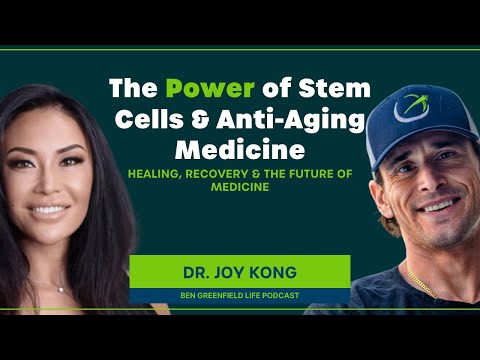
How To Get The MOST Out Of Stem Cells! A Deep Dive With Dr. Joy Kong
~77 min
Episode Brief·YouTube

How To Get The MOST Out Of Stem Cells! A Deep Dive With Dr. Joy Kong

Ben Greenfield
Watch on YouTube Add to chat My bookmarks← All sources

TL;DR

The four things you'd lose by not watching

4 items

TL;DR

The four things you'd lose by not watching

4 items
1

Dr. Joy Kong, a former psychiatrist, now specializes in anti-aging and regenerative medicine, particularly stem cell therapy, which she has used on herself every three months for eight years.

2

She primarily uses umbilical cord stem cells, which she considers superior to adult stem cells (fat or bone marrow) due to their youth, vitality, and lack of immune response, and she sources them from a highly screened, FDA-registered lab.

3

Her approach to stem cell therapy involves stacking multiple modalities, including IV hydration, ozone therapy, peptides (like BPC-157, TB-500, Epitalon), and photobiomodulation (laser therapy), to maximize therapeutic benefits.

4

She advocates for an integrative medicine approach that addresses root causes like nutrition, hormones, and microbiome balance, contrasting it with traditional psychiatry's drug-focused model.

Protocols

Concrete recipes — what, when, how much, and why

8 items

Regular Umbilical Cord Stem Cell Infusions

WhatIntravenous (IV) infusion of umbilical cord stem cells for systemic anti-aging and health span extension.
WhenEvery three months.
DoseNot specified, but done regularly for eight years.
For whomIndividuals seeking anti-aging benefits, improved health span, and rejuvenation; Dr. Kong uses it herself.
WhyBased on animal studies showing 30% extension of lifespan and health span, with physiological markers reverting to a younger state. Aims to replenish declining stem cell numbers and combat age-related inflammation.
CaveatsNot an inexpensive treatment; typically sought by those who have exhausted other options or are proactively pursuing advanced longevity strategies.

Dr. Kong personally undergoes IV umbilical cord stem cell infusions every three months, a practice she has maintained for eight years. Her rationale is rooted in scientific observations from animal studies where regular IV stem cell treatments extended both lifespan and health span by 30%. These studies showed animals with shinier fur, straighter spines, improved cognition, and, upon dissection, a return of growth factor levels, neurotransmitter levels, and senescent markers to those found in younger animals. She believes this indicates a physiological reversion to a younger state. The goal is to counteract the natural decline in mesenchymal stem cell (MSC) numbers that occurs with aging, which she illustrates with a dramatic 'cliff' analogy: from 1 in 10,000 cells at birth to 1 in 2 million by age 80. By regularly replenishing these cells, she aims to prevent the acceleration of aging, reduce inflammation, and maintain overall health.

Mechanism

Systemic infusion allows stem cells to circulate and home in on areas of inflammation and injury. They secrete exosomes and growth factors that promote tissue repair, reduce senescence markers, and improve overall physiological function, effectively 'reverting' the body to a younger state at a cellular level.

Personal experience

Dr. Kong has been doing this herself for eight years and attributes her youthful appearance and feeling good to this regimen. She initially started after hearing a testimonial about anti-inflammatory effects and increased energy/sex drive.

Everything I'm giving you, I'm using it myself. And as far as stem cells, I've been putting it in my body every three months for the last eight years.

Also said
“Basically, they have shown in multiple studies that the lifespan of animals are extended by 30%. And not just lifespan, it's the health span. These animals are. They have shinier fur, their spine is straighter, they're running around.”— Provides the scientific basis for her personal protocol.
“Everything was back to the level when the animals were younger. So that's definitive evidence that physiologically these animals were reverted to the younger state.”— Highlights the profound anti-aging effects observed in research.

Ozone Therapy (Major Autohemotherapy)

WhatBlood is drawn, mixed with ozone gas (O3), and then reinfused into the body.
WhenPrior to stem cell procedures, as part of a comprehensive treatment plan.
DoseThe process takes about 1.5 hours when combined with hydration and stem cells.
For whomPatients undergoing stem cell therapy, or those seeking immune boosting, anti-microbial effects, and enhanced oxygen delivery.
WhySuper-oxygenates the blood, boosts the immune system, activates the body's antioxidant system, and has antiviral/antibacterial properties. Enhances the overall reparative mechanism of the body, thereby improving stem cell efficacy.
CaveatsRequires specialized equipment (ozonator) and trained personnel. Some people may be wary due to misconceptions about ozone.

Dr. Kong incorporates ozone therapy as a preparatory step before stem cell procedures. The process involves drawing a patient's blood, mixing it with ozone gas (O3), and then reinfusing it. She explains that 100% oxygen is passed through an ozonator, converting about 2% into O3, with the rest remaining O2. When this mixture is combined with blood, it profoundly super-oxygenates it. The O3 quickly breaks down into O2, releasing 'ozonites' – molecules with potent immune-boosting, antiviral, antibacterial, and anti-cancer properties. She notes that ozone activates the body's intrinsic antioxidant system, rather than just supplying external antioxidants. Additionally, it makes red blood cells more flexible, allowing for better oxygen delivery throughout the body. This comprehensive effect is intended to enhance the body's natural reparative mechanisms, thereby improving the overall results of subsequent stem cell treatments.

Mechanism

When O3 (ozone) is mixed with blood, it quickly breaks down into O2 (oxygen) and produces ozonites. This process super-oxygenates the blood and stimulates the body's own antioxidant system. Ozone also has direct antimicrobial effects and makes red blood cells more pliable, improving oxygen delivery to tissues. This creates a more favorable environment for stem cells to function effectively.

So when we mix it with your blood, it's super oxygenating the blood. But then the 2% ozone, depending on our concentration, but a little bit of ozone gas will quickly break down back into oxygen and in the mean meantime produce all these ozonites, these little molecules that have profound immune boosting properties.

Also said
“Wonderful. Antiviral, antivirus. The entire, you know, any microbe and then cancer. So powerful.”— Highlights the broad therapeutic applications of ozone.
“So it also makes the red blood cells more pliable, so they're more flexible, so they can squeeze through blood vessels and deliver oxygen more effectively.”— Describes an additional physiological benefit related to oxygen transport.

Photobiomodulation (Laser Therapy)

WhatUsing specific laser settings (wavelengths/frequencies) to activate cells and direct stem cells to target organs.
WhenUsed before stem cell infusions (pre-stem cell setting) and potentially during circulation to target specific organs.
DoseNot specified, but involves different settings and frequencies.
For whomPatients receiving stem cell therapy, or those seeking targeted cellular activation and repair.
WhyEnhances cell mobility and energy, potentially directing stem cells to areas of need, thereby amplifying the effects of stem cell therapy.
CaveatsStill an emerging field ('energy medicine'), with mechanisms not fully understood.

Dr. Kong integrates photobiomodulation, or laser therapy, into her treatment protocols, particularly in conjunction with stem cell infusions. She explains that the laser has different settings, including a 'pre-stem cell setting,' which uses specific frequencies to prepare the body. The primary goal is to make cells, including stem cells, more mobile and energetic. She cites a study where mice with induced heart attacks, after having light shone on their legs, showed a 25-fold increase in stem cell density in their hearts compared to controls. This suggests that the laser doesn't need to be directly on the target organ but can activate cells systemically. Furthermore, by concentrating the light on specific organs while stem cells are circulating, she believes it can help direct these cells to areas requiring repair. She views this as an early stage of 'energy medicine,' where light acts as a powerful tool to communicate with and activate cellular processes.

Mechanism

The laser's light energy, particularly specific frequencies, is believed to activate cells and make them more mobile. Research in mice showed that shining light on a distant body part (e.g., leg) significantly increased stem cell density in the heart after an induced heart attack. This suggests light can 'instruct' or energize cells, potentially guiding circulating stem cells to areas of inflammation or injury. Dr. Kong refers to it as 'programming a language' for cells and organs.

The laser is more for directing the cells. First of all, the lasers can make the cells more mobile.

Also said
“The density is 25 times as much as the one that didn't receive any laser treatment.”— Provides a striking quantitative example of the laser's effect on stem cell distribution.
“So it's almost like talking to cells. Different organs, different cells respond to different frequencies. So it's almost like programming a language.”— Offers an analogy for how the laser interacts with biological systems.

Peptide Therapy (BPC-157, TB-500, Growth Hormone Peptides, T-alpha 1, Selank, Semax, Epitalon)

WhatAdministering specific peptides to target various physiological functions, often in combination with stem cells.
WhenInfused during treatment and provided for take-home injections.
DoseEpitalon: 15 days at a time, once every six months. Others not specified.
For whomPatients seeking targeted repair, anti-aging, immune boosting, anxiety reduction, cognitive enhancement, or muscle building.
WhyPeptides can target specific issues (brain, immune, musculoskeletal, cardiovascular health) and augment the body's natural repair and regenerative processes, especially as natural peptide levels decline with age.
CaveatsFDA crackdown is making access more difficult. Requires proper administration (infusion/injection).

Dr. Kong is a strong proponent of peptide therapy, using it both in her clinic via infusions and providing it for at-home injections. She particularly likes peptides for their ability to target specific issues and provide a multitude of benefits across different organ systems. For instance, she combines BPC-157 and TB-500 with stem cells due to their broad effects on brain, immune, musculoskeletal, and cardiovascular health. She also utilizes growth hormone-releasing peptides like CJC-1295 and Ipamorelin (or Tesamorelin) for muscle building, fat reduction, and general regeneration, including brain health. T-alpha 1 is favored for autoimmune conditions and immune boosting. For brain-specific benefits, she mentions Selank for anxiety and Semax for cognitive repair. She views peptides as a way to replenish declining natural signaling molecules as we age, noting that while thousands exist, only a fraction have been discovered. A standout is Epitalon, which she recommends for 15 days every six months, citing a study where it led to a nine-year younger cardiovascular system and reduced mortality from cardiovascular disease over a decade.

Mechanism

Peptides act as signaling molecules that can stimulate various cellular processes, such as growth factor production, immune modulation, tissue repair, and neurotransmitter regulation. For example, BPC-157 and TB-500 are known for their regenerative properties, while growth hormone peptides stimulate muscle growth and fat reduction. Epitalon is noted for telomere lengthening and cardiovascular rejuvenation.

Personal experience

Dr. Kong uses peptides herself, stating, 'if I can replenish some of the signals... it's going to have profound effects.'

I love how it's able to help me to target specific issues like we're going to give you BPC157, TB500. I love those two in combination with stem cells because they have this multitude of benefits.

Also said
“Another favorite of mine is called Epitalon and you probably have taken it. It's great for cardiovascular rejuvenation, but it can also lengthen telomeres. You only need to do it once every six months for 15 days at a time.”— Highlights a specific peptide with a detailed protocol and significant anti-aging benefits.
“I think that goes into the whole quantum level and that's a whole other conversation. And. Yeah, so metaphysics at this point is still kind of a forbidden subject in medicine.”— Suggests a deeper, less understood mechanism for some therapies like ketamine, hinting at future directions in medicine.

Ketamine IV Treatment for Depression and PTSD

WhatIntravenous administration of ketamine.
WhenSix sessions in the first two to three weeks to strengthen neural rewiring.
DoseSix sessions over 2-3 weeks.
For whomIndividuals with treatment-resistant depression or PTSD.
WhyFDA-approved for treatment-resistant depression, it rapidly lifts depression, increases brain-derived neurotrophic factor (BDNF), and promotes new synapse formation, making it powerful for PTSD.
CaveatsRequires medical supervision; not a long-term solution for underlying issues but effective for acute mental health crises.

Dr. Kong is a strong proponent of ketamine IV treatments, particularly for conditions like treatment-resistant depression and PTSD. She notes that ketamine is FDA-approved for the former and is remarkably effective at rapidly alleviating depressive symptoms, a speed of action she compares only to electroconvulsive therapy (ECT). The recommended protocol involves six sessions within the first two to three weeks to facilitate neural rewiring. This rapid effect is attributed to ketamine's ability to drastically increase brain-derived neurotrophic factor (BDNF) and promote the formation of new synapses, essentially helping to 'rewire' the brain. She emphasizes its power for PTSD, acknowledging that stem cells alone would be insufficient to address such complex neurological wiring issues, suggesting ketamine taps into a deeper, potentially 'quantum' level of healing.

Mechanism

Ketamine rapidly increases brain-derived neurotrophic factor (BDNF), which promotes neuroplasticity and the formation of new neural synapses. This helps to 'rewire' the brain, offering rapid relief from depression and being particularly effective for conditions like PTSD by helping to break maladaptive thought patterns.

Well, the general recommendation for ketamine therapy to strengthen the new neural rewiring is six sessions in the first two to three weeks.

Also said
“It's amazing for PTSD. It's absolutely powerful. I'm not going to be able to help somebody with PTSD using stem cells. No matter how much stem cells I give them. It's going to be very difficult to change the wiring of the brain.”— Highlights the specific and unique efficacy of ketamine for certain conditions where stem cells are less effective.
“I think that goes into the whole quantum level and that's a whole other conversation. And. Yeah, so metaphysics at this point is still kind of a forbidden subject in medicine.”— Suggests a deeper, less understood mechanism for some therapies like ketamine, hinting at future directions in medicine.

Integrative Medicine Approach

WhatA holistic approach to health that addresses root causes like nutrition, hormones, and microbiome balance before resorting to specialized treatments or drugs.
WhenShould be the foundational approach in all medical practice.
For whomAll patients, regardless of their specific health concerns or specialty needs.
WhyViews the body as a complex, interconnected entity where fundamental factors (nutrients, microbiome, hormones) affect multiple organs. Addressing these foundations improves overall health and enhances the efficacy of any subsequent specialized interventions.
CaveatsNot widely taught in traditional medical schools, which are often drug-focused.

Dr. Kong advocates for an integrative medicine approach as the future of healthcare, emphasizing that it should be foundational to all medical specialties. She defines it as looking at the body as a complex, interconnected entity where factors like nutrition, the microbiome, and hormones have widespread effects across multiple organs. Instead of immediately prescribing drugs for symptoms, this approach seeks to identify and address the root causes of illness. She believes that all medical schools should teach this 'integrative medicine language,' ensuring that practitioners are fluent in understanding how these fundamental elements impact health. By fixing these foundations first, not only is overall patient health improved, but any subsequent specialized interventions (like surgery or heavy-duty drugs) become more effective because the patient's body is in a better state to heal and respond.

Mechanism

By optimizing foundational elements like nutrition, hormone levels, and gut health, the body's inherent healing and regulatory systems are strengthened. This reduces systemic inflammation, improves cellular function, and creates a more resilient physiological state, making it more responsive to other therapies.

What I believe the future of medicine is, is that everybody is going to be practicing anti-aging medicine. You can call it anti-aging medicine or integrative medicine or functional medicine or even naturopathic medicine. They're all about the same, which is looking at the body as a very complex entity, that everything is affecting each other and there are common denominators.

Also said
“So you want to address all that first. And then you use your specialty knowledge to do things that maybe you have other methods of treating a particular problem.”— Outlines the hierarchical approach: foundation first, then specialized treatment.
“Not to mention you're improving the health of all these people overall. And whatever other intervention you're doing in your specialty, people are going to do better because their overall health is elevated.”— Emphasizes the synergistic benefits of a holistic foundation.

Low-Carbohydrate Diet

WhatDietary approach that minimizes carbohydrate intake, especially simple carbohydrates, focusing on complex carbohydrates if consumed.
WhenRegularly, as a personal dietary choice.
For whomIndividuals who experience significant blood sugar spikes from carbohydrates, or those generally seeking to avoid the negative effects of high blood sugar.
WhyTo avoid blood sugar spikes, which Dr. Kong found to be detrimental to her health based on continuous glucose monitor (CGM) data.
CaveatsIndividual responses to carbohydrates vary; requires personal monitoring (e.g., CGM) to determine efficacy.
Mechanism

By reducing carbohydrate intake, particularly simple sugars, the body experiences fewer and less severe blood sugar fluctuations. This helps maintain stable insulin levels, reduces systemic inflammation, and supports metabolic health, which is crucial for overall anti-aging and regenerative processes.

Personal experience

Dr. Kong personally follows a low-carbohydrate diet after discovering her own drastic blood sugar response to carbohydrates via a continuous glucose monitor.

I found out that. Or first of all, high blood sugar is not good for anybody. Blood sugar spikes is not good for anybody but me. In particular, as I found out later on from the CGM continuous glucose monitor. Is that my blood sugar response to something like rice or any carbohydrates? Very drastically and not very good.

Balanced Exercise Protocol

WhatIncorporating both strength training and cardiovascular training.
WhenRegularly.
For whomAnyone seeking comprehensive physical health and longevity benefits.
WhyBoth types of exercise are crucial for overall health and longevity. Strength training builds muscle mass and resistance, while cardiovascular training improves heart health and endurance.
CaveatsPoor nutrition can undermine the benefits of exercise, leading to inefficient metabolism and lack of results (e.g., overweight individuals in Zumba classes).
Mechanism

Strength training builds and maintains muscle mass, which is critical for metabolism, bone density, and functional independence as one ages. Cardiovascular training improves heart and lung efficiency, enhances circulation, and contributes to overall metabolic health. A balance ensures comprehensive physical conditioning.

Personal experience

Dr. Kong has personally experimented with different exercise modalities, including Zumba (cardiovascular) and Pilates (resistance/strength), and now finds a good balance with hot yoga, which combines cardiovascular elements with stretching.

I think a, you know, I think you need a balance between strength training and cardiovascular training. So it would be good if a person can do something that incorporates both.

Also said
“It's curious, why are they still so overweight? I think one is poor nutrition. They're putting things in their body that's preventing them from actually having an efficient metabolism. The other one, yeah, not Enough weight training? Strength training.”— Highlights the importance of combining exercise with good nutrition for effective results.

What's new

Personal practice updates, fresh positions, predictions

4 items

Critique of Modern Psychiatry's Drug-Focused Approach

10:00

Dr. Kong transitioned from psychiatry due to dissatisfaction with its focus on symptom management via drugs rather than addressing underlying root causes of mental health issues.

Why this matters: This is a significant shift in perspective from a board-certified psychiatrist, highlighting a perceived fundamental flaw in her former profession.

Background

Dr. Kong was a board-certified psychiatrist who initially found medications effective for acute mental health crises like psychosis or severe depression. However, she grew disillusioned with the lack of attention to holistic factors.

Dr. Kong, despite being board-certified in psychiatry, found the field's reliance on medication to be myopic and limited. She observed that while drugs like SSRIs and antipsychotics could be powerful and life-saving in emergency situations (e.g., preventing suicide or harm), they failed to address the fundamental reasons why individuals developed conditions like bipolar disorder, schizophrenia, or depression. She felt that psychiatry primarily focused on receptor manipulation and neurotransmitter levels without investigating deeper issues such as nutritional deficiencies, hormonal imbalances, toxic exposures, or microbiome health. This drug-centric model, she argues, prioritizes diagnosis to justify prescriptions rather than seeking comprehensive, long-term solutions.

Personal experience

She recounts writing countless Trazodone prescriptions but feeling unsatisfied because it didn't address fundamental root causes. She also noted that in rehab settings, patients often preferred drugs over supplements because insurance covered the former.

The whole point we probably can get. What is that going into my. Yeah, so we're hydrating you right now. Yeah, modern psychiatry. The way they discover these drugs that they think that all this is true. Certain receptors, neurotransmitters will produce certain effects. But why are you lacking in certain neurotransmitters? Why is your receptor not responding? What is underlying that? Are you addressing those?

Also said
“I hate to use the negative word, but it is very limited in their thinking because they think the brain as this soup of chemical or molecular.”— Emphasizes her strong criticism of the reductionist view in psychiatry.
“We're not looking at any of those. We just start throwing drugs because that's what we're taught to do either in medical school or residency. We are drug focused. So it's all about drugs.”— Explains the systemic issue within medical education and practice.

Superiority of Umbilical Cord Stem Cells

24:00

Dr. Kong asserts that umbilical cord stem cells are significantly superior to adult stem cells (from fat or bone marrow) across various parameters for regenerative therapy.

Why this matters: This challenges the common practice of using autologous adult stem cells, often promoted for their 'personal' origin, by providing a scientific rationale for donor-derived umbilical cells.

Background

Many stem cell clinics use a patient's own fat or bone marrow-derived stem cells. Dr. Kong, however, argues against this based on scientific literature.

Dr. Kong conducted extensive research into different stem cell sources to determine the 'best' option for her patients. Her findings consistently pointed to umbilical cord stem cells as superior to those derived from a person's own fat or bone marrow. She cites evidence showing umbilical cord cells excel in anti-inflammatory actions, neuroprotective effects, remaining generations (how many times they can divide), differentiation potentials (what types of cells they can become), and telomere length. She explains that a person's own cells carry the 'burdens' of their age and environmental exposures, leading to decline in number and vitality over time, similar to the decline in sperm and egg quality with age. Umbilical cord cells, being 'neutral' and from a young, healthy donor, bypass these issues and do not typically evoke an immune response.

In every parameter. It shows that umbilical cord stem cells are way superior than the other stem cells.

Also said
“The problem is your own cells is your own age and carry the same burdens that you. Any other cell has been exposed to.”— Explains why autologous adult stem cells are less effective.
“When you were born, every 1 in 10,000 cells is MSC. So that's mesenchymal stem cell. That's the hottest stem cell right now. But when you reach your teenage years, it's already become 1 in 100,000. So 1/10. And when you reach your 40's, that's 1 in 400,000. And when you reach your 80's is 1 in 2 million.”— Illustrates the dramatic decline in MSCs with age, supporting the use of younger cells.

Dangers of Expanded Stem Cells

20:00

Dr. Kong warns against the use of 'expanded' stem cells, often obtained overseas, due to potential genetic changes, degradation, and increased risk of immune response.

Why this matters: This directly contradicts the perception that higher cell counts from expanded cells are always better, highlighting significant safety and efficacy concerns.

Background

Many clinics, especially those outside the U.S., offer 'expanded' stem cells, which are cells multiplied in a lab to achieve higher numbers, often marketed as more potent.

Stem cell expansion involves culturing cells in a lab to multiply them, which can significantly reduce costs. However, Dr. Kong explains that this process carries substantial risks. By the fourth generation (passage), there's significant deterioration, and even with just one passage, genetic changes and degradation can occur. Crucially, expanded cells can start expressing surface markers of the donor, which can trigger an immune response in the recipient, leading to adverse effects like 'cytokine storms' that Tony Robbins reportedly experienced. This is a major reason why she believes people going overseas for expanded cells often experience side effects. She contrasts this with the 'blank' nature of unexpanded umbilical cord cells that typically do not provoke an immune reaction.

Personal experience

Ben Greenfield mentions experiencing feeling 'like crap' after receiving expanded stem cells, which aligns with Dr. Kong's warning.

The problem is that when you multiply these cells, the common understanding is by fourth generation, there's a lot of deterioration. You really don't want to give people. You multiply a cell by four generations. The four passages when they change containers. But even with one passage, there's evidence that there are genetic changes and there probably is some kind of degradation.

Also said
“Instead of being a blank cell that doesn't evoke immune response, now you're expressing proteins that can trigger an immune response. This is probably the most important reason why when people go overseas, they can have so much side effects, because these expanded cells, like Tony Robbins was talking about the cytokine storm that you should expect.”— Connects expanded cells to immune reactions and references a well-known public figure's experience.

FDA's Stance on Stem Cells as Drugs

30:00

The FDA is attempting to classify stem cells as drugs, which would subject them to costly and lengthy drug approval processes, potentially bankrupting tissue banks and limiting access.

Why this matters: This highlights a significant regulatory challenge and potential threat to the accessibility and innovation in the regenerative medicine field.

Background

Currently, tissue transplants are regulated by the American Association of Tissue Banks, not the FDA, unless they are significantly manipulated or used for non-homologous purposes.

Dr. Kong explains that the FDA's current regulatory framework views stem cells as drugs if they are not performing their 'original' function (e.g., an umbilical cord acting as a conduit). If stem cells are extracted from the cord and used for therapeutic purposes, the FDA argues they are no longer functioning as a conduit, thus classifying them as drugs. This classification would force stem cell therapies to undergo the same rigorous, multi-phase, and extremely expensive drug approval process (estimated at $2.1 billion per drug) that pharmaceutical companies endure. This financial burden is prohibitive for most tissue banks and smaller entities, leading to bankruptcies and severely restricting the availability of these therapies. Dr. Kong questions the FDA's authority to define the 'function' of these cells, especially given the evolving scientific understanding of their capabilities.

The FDA really, really wants very badly to regulate this industry as drugs. They want to categorize it as drugs. Yes. And I see a recent wave of control and wanting to put this category of therapy as giving drugs.

Also said
“Just so you know, on average, to take any molecule, any discovery from discovery to market, that process costs about $2.1 billion. And nobody has that kind of money unless you're a big drug company.”— Quantifies the immense financial barrier imposed by drug classification.
“So the question is, how do they know what the cells are there for? How do they know what the function is? They say it's a conduit. But we know the burst tissue has profound effects on the fetus.”— Challenges the FDA's rationale and highlights the scientific complexity.

Recommendations

Products, supplements, and tools mentioned in the episode

5 items

AFA (Blue-Green Algae)

Supplement

Mentioned as a supplement Dr. Kong takes for anti-aging and longevity.

Personal experience

Dr. Kong takes it sometimes.

Like AFA, you know, the blue green algae I do take and resveratrol. Sometimes I take.

Find AFA

Resveratrol

Supplement

Mentioned as a supplement Dr. Kong takes for anti-aging and longevity.

Personal experience

Dr. Kong takes it sometimes.

Like AFA, you know, the blue green algae I do take and resveratrol. Sometimes I take.

Find Resveratrol

Mushrooms (various types)

Supplement

Dr. Kong is a big fan of different types of mushrooms for their powerful health benefits.

But mushrooms I'm a big fan of different types of mushrooms. Very powerful.

Find Mushrooms

Eating Organ Meats

Practice

Recommended as an easy way to obtain peptide bioregulators, based on the 'like supports like' principle.

Dr. Kong suggests that eating organ meats is an effective and natural way to acquire peptide bioregulators, which are often discussed in Russian research for their organ-specific benefits. She notes that this practice, once considered a superstition in Chinese culture (where people ate organs to supplement corresponding body parts), now has scientific support. The idea is that consuming an organ (e.g., liver) provides specific nutrients and peptides that can benefit the homologous organ in the consumer, a concept often referred to as 'like supports like.'

vs alternatives

Presented as an alternative to taking isolated peptide bioregulators.

Personal experience

She used to consider this a superstition based on Chinese culture but now sees scientific support for it.

I think that's fantastic. But I think one easy way of getting those are just eating organ meat. Taking.

Also said
“It's really strange. I used to think it was a superstition because in Chinese culture they were eating things that they think is going to supplement a particular organ. They were eating those organs. I thought that those were, you know, superstition. But now we have actually scientific support.”— Explains her shift in perspective and the cultural context.
Find Eating

Stem Regen

Product

A cocktail of herbs used to prepare the body for stem cell infusions.

Yeah, I think that's just a cocktail of a bunch of those type of things, right? Yeah, I think about five different herbs.

Find Stem
Disclosed sponsorships2speaker disclosed

Chara Omni Skin Cream

Product Sponsored · disclosed

A 100% natural skin cream containing umbilical cord stem cells (not alive), Wharton's jelly extract, amniotic matrix, peptides, and herbal extracts.

DisclosureDr. Kong developed this product.

Dr. Kong developed Chara Omni because she struggled to find a 100% natural, shelf-stable skin cream for herself. Leveraging her access to stem cells and peptides, she formulated a product that combines various components from the umbilical cord (Wharton's jelly, amniotic matrix) with peptides and herbal extracts. She emphasizes its natural composition, including natural preservatives, even if it means sacrificing some shelf life. The cream is designed for skin rejuvenation.

vs alternatives

Developed because other natural creams were not stable or effective.

Personal experience

Dr. Kong developed it for her own use and has been using it for five years.

That's a 100% natural skin cream that contains umbilical cord stem cells and. Yeah.

Also said
“The reason I developed them was because I wanted to have a 100% natural cream for myself, and it's very difficult to find.”— Explains the motivation behind creating the product.
“So I'm sacrificing some shelf life for 100%.”— Highlights a trade-off made for natural ingredients.
Find Chara

Tiger of Beijing

Book Sponsored · disclosed

A memoir about Dr. Kong's journey from China to the U.S., overcoming visa rejection and personal challenges.

DisclosureAuthored by Dr. Joy Kong.

Dr. Kong's book, 'Tiger of Beijing,' is a memoir covering three pivotal years of her life (ages 20-22). It begins with her visa rejection at the U.S. embassy in Beijing, which fueled her determination to find an unconventional way to come to America. With no money or connections, she resorted to calling random rooms in Beijing hotels from the Yellow Pages to meet Americans. This led to an adventure where she became a tour guide to Tibet, eventually meeting an American who helped her come to San Francisco. The book details the subsequent challenges, including a manipulative and controlling relationship she had to escape. It culminates with her giving a valedictorian speech at San Francisco State, symbolizing her triumph over adversity.

Personal experience

The book is her personal memoir.

Oh, okay. Can you grab the book for me? Yeah, yeah. It's called Tiger of Beijing. So this is a memoir, but not the typical memoir, what people are thinking about.

Also said
“So I took Yellow Pages and I took phone book and flipped to the part of all the big hotels in Beijing, and I just started to call different rooms randomly.”— Illustrates her unconventional and determined approach to achieving her goal.
“So going from me thinking I was going to be homeless on the streets of San Francisco to actually giving a speech to 10,000 people.”— Highlights the dramatic arc of her personal journey.
Find Tiger

Notable quotes

Lines worth pulling out — contrarian, specific, or perfectly phrased

6 items
The side effect of doing stem cell therapy on a regular basis is that my appearance started to be more and more rejuvenated. I didn't really think about that. I just wanted to feel good.
Highlights an unexpected and desirable aesthetic benefit of her stem cell regimen, emphasizing that her primary goal was internal well-being.
I was just fascinated by the disease process in the brain and of all these behaviors that people could exhibit just from a mental health illness, so. And then also saw medications really helping, so helping way more than neurology.
Explains her initial attraction to psychiatry, contrasting its perceived efficacy with the diagnostic-only nature of neurology at the time.
You can be a great detective, but then you're not really helping people. But psychiatry, you actually can. Those medications actually take people out of psychosis, take them out of mania or depression.
Further elaborates on her initial motivation for choosing psychiatry, emphasizing the immediate impact of psychiatric medications on severe conditions.
I always say I've never seen cytokine storm in this clinic.
Directly contrasts her experience with unexpanded umbilical cord stem cells against the known risk of cytokine storms associated with expanded cells, often mentioned by others like Tony Robbins.
So the problem is that we're not addressing the root causes. What I believe the future of medicine is, is that everybody is going to be practicing anti-aging medicine.
Articulates her core philosophy on the future of medicine and the fundamental flaw she sees in current practices.
I think that goes into the whole quantum level and that's a whole other conversation. And. Yeah, so metaphysics at this point is still kind of a forbidden subject in medicine. That's not considered to be scientific. And it's simply because science doesn't have a language for it.
Reveals a philosophical and forward-thinking perspective on medicine, suggesting that current scientific paradigms are limited and will eventually incorporate concepts like quantum healing.

Sign in to share feedback

Tell us if this brief hit the mark or missed it — feedback feeds back into the next iteration of the prompt.

Topics covered

stem-cell-therapyanti-agingrejuvenationpsychiatryregenerative-medicineozone-therapyphotobiomodulationpeptidesumbilical-cord-stem-cellsexpanded-stem-cellsfda-regulationintegrative-medicineketamine-treatmentnutritionexercisememoir
Free account

Make this library yours

Reading is free for everyone. A free account adds the personal layer: save protocols, follow experts, and see how the other experts weigh in on this same topic.

Create a free accountSign in

Where the experts disagree — weekly

One email a week: the sharpest new disagreements and protocols from the library. No spam, unsubscribe anytime.

Educational summary of the cited expert source — not medical advice. Open the source recording linked above and consult a qualified physician before acting on any protocol.