
UNFUCG
DashboardSearchChatBookmarksNotificationsActivityPremiumProfile
?
Home
Search
Chat
Saved
Profile
Episode
45 Minutes of Health Tips You Need to Know
~166 min
Episode Brief·YouTube

45 Minutes of Health Tips You Need to Know

Siim Land
Watch on YouTube Add to chat My bookmarks← All sources

TL;DR

The four things you'd lose by not watching

4 items

TL;DR

The four things you'd lose by not watching

4 items
1

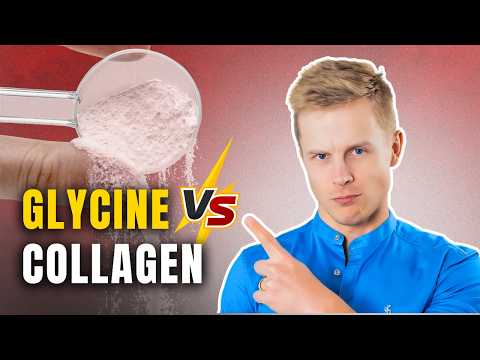
Collagen peptides and glycine have complementary but distinct roles for skin aging: glycine supports collagen turnover (10-12 g needed), while collagen peptides directly modulate fibroblasts and M2 macrophages to reduce wrinkles—ideally take both.

2

Siim Land maintains zero alcohol intake, arguing that even moderate drinking raises triglycerides and visceral fat; he considers keeping alcohol as close to zero optimal, with a maximum of 1-2 drinks per week.

3

Daily sauna at 70°C is safe and linked to reductions in heart disease, dementia, and mortality, but temperatures above 80°C may slightly increase dementia risk; watch electrolytes and sperm health.

4

For kidney health, eGFR should be calculated from cystatin C rather than creatinine, which is skewed by muscle mass and creatine; high blood pressure and blood sugar are the main enemies of kidney function.

Protocols

Concrete recipes — what, when, how much, and why

6 items

collagen-and-glycine-for-skin

WhatTake collagen peptides and supplemental glycine together to optimally support skin anti-aging and collagen turnover.
WhenDaily, timing not specified.
DoseCollagen peptides: not specified; glycine: ~10-12 grams per day for optimal collagen turnover.
For whomAnyone aiming to reduce wrinkles and support skin health; especially those already supplementing glycine for other benefits (gluthathione, visceral fat, blood sugar).
WhyGlycine supports collagen turnover and recycling, while collagen peptides provide direct precursors and modulate fibroblasts and M2 macrophages to reduce inflammation and autoimmune response against endogenous collagen.
CaveatsCollagen peptides have specific clinical trial support for skin aging that glycine alone does not, so don't replace collagen with glycine only. Ensure adequate total glycine from diet and supplements.

Land explains that 30% of collagen is glycine, and the body needs large amounts (~12 g) for optimal collagen turnover. However, a 2020 systematic review identified three unique mechanisms of collagen peptides: direct action on fibroblasts, modulation of M2 macrophages to reduce inflammation, and supplying raw material for synthesis. The peptides also suppress autoimmune attacks on endogenous collagen. Thus, while glycine supports the recycling side, collagen peptides deliver immunomodulatory and precursor benefits that glycine can't replicate. He recommends taking both for best results and notes glycine also independently benefits glutathione, inflammation, and glucose regulation.

Mechanism

Collagen peptides are broken into smaller amino acid chains that signal fibroblasts (skin cells) and shift macrophages to an M2 anti-inflammatory phenotype, while glycine primarily drives collagen recycling and general methylation/glutathione balance.

Glycine is more for collagen turnover recycling collagen. ... Whereas the collagen peptides are more like direct precursors. They get broken down into the smaller chains of amino acids that modulate the immune system in a different way.

Also said
“You need about 12 grams of glycine for optimal collagen turnover and even higher than that in some cases.”— Gives the specific glycine dose target.
“This 2020 systematic review ... identified three different mechanisms of action ... direct effects of collagen peptides on fibroblasts ... M2 like macrophages ... getting the direct raw material the precursors for the collagen synthesis.”— Provides the evidence base for collagen's unique effects.

daily-sauna-protocol

WhatUse a traditional sauna at 70°C (156°F) at least 4 times per week, up to daily, while attending to electrolytes and avoiding excessive heat to the testicles.
WhenAny time; he implies daily use is acceptable. Men should use cooling pads on testicles if doing high heat.
DoseDuration not stated explicitly but typical 15-20 min sessions are implied. Frequency: ≥4x/week for mortality reduction; daily is fine. Temperature: 70°C.
For whomGeneral healthy adults; men should take care with testicular heat. Not for those with severe hypotension or certain medical conditions without consulting a doctor.
WhyAssociated with significant reductions in heart disease mortality, dementia, Alzheimer's, hypertension, and improved immunity. Sweating eliminates toxins, microplastics, heavy metals.
CaveatsElectrolyte loss (sodium, magnesium, chromium) can be severe if combined with exercise—supplement electrolytes and chromium. High temperature >80°C may slightly increase dementia risk. Direct heat from hot tubs/jacuzzis can drastically reduce sperm count.

Land describes the Finnish sauna research showing a dose-response benefit beyond 4 sessions per week. He personally advocates daily sweating through exercise or sauna as an excretion method. He warns that men need to cool their testicles with an ice pack or cooling pad during sauna if they're doing high temperatures, though normal sauna isn't as damaging as hot tubs. He recommends paying special attention to chromium supplementation because it's one of the most heavily lost minerals in sweat.

Mechanism

Heat exposure increases heat shock proteins, improves endothelial function, lowers blood pressure via vasodilation, and excretes toxins through sweat.

You can take the sauna every day if you want to. And uh the research suggests that over four times a week or four or greater times per week of sauna use is associated with a significant reductions in heart disease mortality or cause mortality, dementia, Alzheimer's, hypertension, and just immunity as well.

Also said
“Chromium is actually one of the biggest minerals you lose in your sweat, like relatively speaking.”— Specific electrolyte detail not commonly discussed.
“The worst things are warm baths, bubble baths, jacuzzi's just even regular hot hot hot tubs, hot baths. this uh excess heat on the testicles directly is gonna nuke your sperm count if you do it every day for several minutes in a row.”— Caveats for male fertility.

minimal-effective-exercise-routine

WhatPerform resistance training 2-3x/week, zone 2 cardio 1x/week, and HIIT 1x/week; walk at least 8,700 steps daily.
WhenSpread throughout the week; daily walking accumulated through daily activities plus 30 min dedicated walking.
DoseResistance training: 45 min, 2-3x/week ideal. Zone 2 cardio: 60 min, 1x/week. HIIT: 30 min, 1x/week. Steps: 8,700 minimum.
For whomGeneral population; can be scaled up or down.
Why8,700 steps yields a 60% reduced all-cause mortality risk compared to 2,000 steps. This combined mix provides strength, cardiovascular, and metabolic health benefits with minimal time.
CaveatsWalking targets are total steps, not dedicated walking time; most people already accumulate ~6,000 steps just through daily life.

Land explains his own average is 45 min/day of exercise, which he doesn't consider extreme. He emphasizes that if someone has only 45 minutes total for health each day, exercise is the highest-return activity. He breaks down the minimum: 2 resistance sessions for muscle and bone, one longer zone 2 cardio session for mitochondrial health, and one HIIT for VO2max, plus consistent walking. This 80/20 approach to diet and exercise yields near-optimal blood markers without obsession.

Mechanism

Resistance training preserves muscle and metabolic rate, zone 2 improves fat oxidation and mitochondrial density, HIIT boosts VO2max and glucose disposal, walking enhances insulin sensitivity and mortality reduction.

Personal experience

He says: 'I exercise maybe 45 minutes on average per day. My resistance training workouts are 45 minutes and my zone 2 cardio is maybe 60 minutes and my hit cardio is only 30 minutes. I do it once a week, the hit cardio.'

If you only have 45 minutes every day to spend on your health, then that time should be spent on exercise.

Also said
“8,700 steps ... associated with a 60% reduced risk of all cause mortality compared to walking only 2,000 steps a day.”— Provides the specific mortality reduction figure for the walking target.

tendon-joint-recovery-with-bfr-and-bpc157

WhatUse blood flow restriction bands and consider BPC-157 peptide (orally or injectable) to accelerate tendon injury recovery, while remaining physically active with light movement.
WhenDuring injury recovery; light exercises with BFR bands daily or as tolerated; BPC-157 oral tincture or capsules for a cycle.
DoseBFR: light exercises to a pump; duration not specified. BPC-157: oral or injectable, dosing not given.
For whomAnyone with tendon injuries (tennis elbow, knee tendinitis, etc.) who wants to speed healing.
WhyTendons have poor blood flow; BFR bands trap blood in the limb to create a pump, stimulating muscle and tendon without heavy loads. BPC-157 promotes angiogenesis, reduces inflammation, and activates growth/recovery pathways.
CaveatsNot a replacement for medical evaluation; severe injuries require a doctor. BPC-157 is a peptide; long-term safety data not fully established. Oral bioavailability is lower than injectable.

Land explains that immobilization actually slows tendon recovery because it reduces blood flow. Gentle movement, even squeezing a ball, helps. BFR bands restrict venous return while allowing arterial inflow, creating a back-pressure that mimics heavy lifting without stressing the joint. He personally used BPC-157 and cites widespread anecdotal reports of it resolving chronic tendon issues. He prefers the oral route because it avoids injections, even if less bioavailable.

Mechanism

BPC-157 stimulates angiogenesis (new blood vessel growth) and has anti-inflammatory effects, while BFR increases local blood pooling and metabolic stress, triggering growth factors.

Personal experience

He says: 'BPC 157 is notorious for tendon joint injuries. I've also used it myself. ... you can also take it orally, so you don't need to inject it.'

The ku bands or blood flow restriction bands are extremely good for different kinds of injuries like tendons and knee injuries. You just put them on and uh do very light exercises.

Also said
“BPC stimulates angogenesis, the growth of new blood vessels. It helps different kinds of growth pathways ... anti-inflammatory effects.”— Breaks down BPC-157's mechanism.

kidney-health-optimization

WhatMeasure eGFR from cystatin C, reduce sodium to 1000-1500 mg/day if hypertensive, lower blood sugar, lose weight, and consider fasting to improve kidney function.
WhenAt initial signs of high creatinine or low eGFR; ongoing for those with hypertension or hyperglycemia.
DoseSodium: 1000-1500 mg/day if blood pressure is high. No set duration, but short-term sodium reduction quickly lowers blood pressure and improves kidney function.
For whomIndividuals with elevated creatinine, low eGFR, or risk factors for kidney disease, especially if hypertensive or diabetic.
WhyHigh blood pressure and high blood sugar are the two biggest damages to kidneys. Reducing sodium rapidly lowers BP; fasting and dietary restriction lower blood sugar and insulin, easing kidney load.
CaveatsIf cystatin C-based eGFR is normal, no need to panic. Creatinine-based eGFR is unreliable in muscular individuals. Do not restrict sodium if you don't have hypertension.

Land walks through a questioner's case: high creatinine and eGFR 73. He explains that eGFR is derived from creatinine; because creatinine is elevated from muscle, exercise, protein, or creatine, the eGFR appears artificially low. He recommends measuring cystatin C for a true reading. For those who genuinely have reduced kidney function, the priority is lowering blood pressure via sodium restriction (if hypertensive), improving insulin sensitivity through exercise, weight loss, and possibly a lower-carb, lower-fat diet, and using fasting to reduce glucose and blood pressure. Saunas can also help by excreting sodium and improving insulin sensitivity.

Mechanism

Sodium reduction decreases blood volume and blood pressure, reducing glomerular pressure. Lower blood sugar reduces glycation of kidney tissue and oxidative stress.

Personal experience

He says: 'I take creatine, I exercise regularly, I have a lot of muscle mass, but my creatinine levels are still normal. ... I also have optimal cyc level issues is like 120 115 110 ... So it's well above 100.'

The biggest harm for the kidneys comes from uh high blood pressure and high blood sugar levels.

Also said
“If you have high blood pressure, reducing the sodium is u definitely the most effective way to improve upon the kidney function in the short term.”— Direct intervention target.
“Fasting is also a very powerful way to improve blood pressure as well as blood sugar levels obviously because you're not eating anything.”— Additional tool.

stubborn-belly-fat-loss-with-tracking-and-spot-reduction

WhatTrack all food intake by weighing for a few days to calibrate calorie estimates, create a 10% calorie deficit, and perform weighted ab exercises followed by 30 min cardio to potentially spot-reduce lower belly fat.
WhenWhenever stuck with a small belly despite exercise; a few days of tracking to recalibrate; ab + cardio sessions on training days.
DoseCalorie deficit: aim for -10% range. Protein: 1.6 g/kg is sufficient for muscle growth. Ab exercises: heavy, not high-rep crunches, then 30 min cardio.
For whomLean individuals with stubborn lower belly fat; anyone who thinks they are in a deficit but isn't losing fat.
WhyThe lower abdomen is the last fat depot; visual underestimation of calorie intake is universal; spot-reduction study showed ab exercises before cardio can locally mobilize fat.
CaveatsCalorie tracking must involve weighing food—eyeballing is inaccurate even for professionals. Spot reduction effect is modest; most important is overall deficit.

Land explains that people, especially overweight individuals, chronically underestimate calorie intake by hundreds. Even dieticians can't visually estimate accurately. He shares that he tracked everything for months years ago and developed a visual sense within ~10% accuracy, but for novices, a few days of rigorous weighing is eye-opening. He also warns that fats are especially sneaky because they are dense and invisible when mixed with other food. For abs, he recommends training them as a muscle group with heavy progressions like hanging leg raises and ab wheel, not hundreds of crunches. The spot-reduction study he cites combined ab exercises with cardio to drive local blood flow and lipolysis.

Mechanism

Calorie deficit forces systemic fat loss; abdominal exercises increase blood flow and may prime adipose tissue for oxidation when followed by cardio.

Personal experience

He says: 'I'm also quite good at it estimating the calorie intake visually because you know seven eight years ago I was tracking everything for a few uh months and I developed this you know understanding about the different calorie amounts.'

The abdomen is the last place you lose fat upon. So, to get abs, especially to lose fat on the lower abs, you need to be in a very lower body fat percentage.

Also said
“A tablespoon of olive oil is over 100 calories and you can easily add three, four tablespoons of oil to your salad without even noticing.”— Illustrates how hidden fats derail deficits.

What's new

Personal practice updates, fresh positions, predictions

6 items

zero-alcohol-stance

Siim Land takes a firm position that zero alcohol is optimal and even small amounts can raise triglycerides, liver enzymes, and visceral fat; the popular notion that a glass of wine daily is beneficial is confounded by socioeconomic factors.

Why this matters: Contradicts the widespread hormesis narrative that moderate drinking improves health; he personally hasn't drunk in 10 years and argues there is no inherent health requirement for alcohol.

Background

Epidemiological studies often show J-shaped curves where moderate drinkers have lower disease rates, but Land explains that the 'sober' group includes former alcoholics and people with health conditions, skewing results.

Land explains that alcohol raises liver enzymes, triglycerides, and promotes visceral and liver fat. He acknowledges that one drink per night likely has no long-term negative effects if everything else is optimal, but notes that many healthy people who consume a few drinks per week still have slightly higher triglycerides and visceral fat than he would be comfortable with. He leaves room for the social and mental benefits of occasional alcohol but believes keeping intake to zero or at most one to two drinks per week is the healthiest approach.

Personal experience

He says: 'I haven't consumed alcohol for the last uh 10 uh 10 years... I just don't like it that much. I prefer to stay sober.' He consumed a glass of wine at his wedding but otherwise avoids it.

I personally would believe that keeping it as close to zero is optimal. Maybe you can get away with one or two drinks per week at maximum in my opinion.

Also said
“Alcohol is still uh toxic in especially in large amounts.”— Reinforces his view that even hormesis arguments don't justify regular intake.
“One thing that alcohol does is that it can raise your liver enzymes. It can also raise your triglycerides and it can promote the accumulation of visceral fat and liver fat.”— Gives concrete metabolic downsides.

sauna-temperature-and-dementia-risk

He cites a study suggesting that sauna temperatures above 80°C are associated with a small increased risk of dementia, while 70°C is optimal and daily use is safe.

Why this matters: Goes against the common biohacker belief that hotter saunas are always better; introduces a potential cognitive trade-off at extreme temperatures.

Background

Finnish sauna studies have shown robust benefits at 80-100°C, but Land notes a specific finding that 80°C carried a slight 1-2% increased dementia risk, making 70°C his recommended sweet spot.

He explains that moderate heat exposure at 70°C helps sweat out toxins, microplastics, and heavy metals while providing cardiovascular and dementia protection. Above that, the excess heat may stress the brain long-term, though he caveats that the absolute risk increase is tiny. He emphasizes daily sauna is fine as long as temperature is moderate and attention is paid to electrolytes like sodium, magnesium, and chromium lost through sweating.

70° C is the optimal temperature. ... Higher temperatures than that aren't necessary. There's actually research that 80° C is associated with a like 10 years slightly higher increased risk of dementia.

Also said
“So like we're talking about 1 to 2% increase. That was in one of the studies that I saw.”— Quantifies the risk so as not to scare people off sauna entirely.

spot-reduction-for-belly-fat

He references a study showing that combining ab exercises with 30 minutes of cardio afterward may produce a spot-reducing effect on belly fat, challenging the dogma that spot reduction is impossible.

Why this matters: The mainstream consensus is that you cannot spot-reduce fat; Land provides a mechanistic possibility via local blood flow and lipolysis triggered by exercise order.

Background

For decades, fitness science held that fat loss follows a systemic pattern, but recent research has begun to question this, including the study he mentions.

Land discusses that the abdomen, especially the lower abs, is the last depot to lose fat. While calorie deficit is paramount, he suggests that by training the abs first to increase local blood flow and then performing cardio, you might slightly enhance fat oxidation in that region. He recommends weighted ab exercises like hanging leg raises and ab wheel rollouts combined with post-ab cardio.

There first you train the abs with some uh exercises and then doing cardio after that apparently has some spot reducing uh effect.

Also said
“There was a study from two years ago where they did several sets of ab exercises followed by 30 minutes of cardio or something like that.”— Provides the specific study design.

hrt-cancer-myth-debunked

He asserts that the fear of HRT causing breast cancer has been debunked and that HRT is life-changing for postmenopausal women, dramatically improving quality of life and reducing chronic disease risk.

Why this matters: Many women fear HRT because of outdated cancer narratives; Land directly counters that and gives a personal anecdote of his wife planning to start HRT.

Background

The Women's Health Initiative study initially linked HRT to cancer, but subsequent analysis and newer formulations have largely overturned that risk for most women, which Land uses as his basis.

Land explains that postmenopausal estrogen crash dramatically increases the risk of frailty, Alzheimer's, and heart disease while also accelerating visible aging. He contrasts the male hormonal decline, which is gradual, with the female 'cliff,' and argues that anyone in menopause should seriously consider HRT after consulting their doctor. He acknowledges it's a personal decision but believes the quality-of-life benefits are overwhelming.

Personal experience

He states: 'my wife is probably going to do HRT after menopause. she's already you know decided upon that if I was a woman after menopause I would also probably do HRT.'

HRT is is going to be lifechanging for most women after menopause. ... The fear that HRT increases the risk of breast cancer or other types of cancer... that's been debunked already for quite a long time.

Also said
“The decline in hormones for women goes off the cliff... whereas for men you can maintain quite high testosterone levels naturally even into your elderly years.”— Highlights the biological rationale for why HRT is more critical for women than TRT for men.

egfr-via-cystatin-c

He stresses that standard eGFR from creatinine is misleading for muscular individuals or those taking creatine, and that eGFR should be calculated from cystatin C for an accurate kidney function assessment.

Why this matters: Many health-conscious lifters get falsely flagged for kidney disease; Land provides a practical alternative biomarker that avoids unnecessary anxiety.

Background

Creatinine is a byproduct of muscle metabolism; high muscle mass, heavy exercise, and creatine supplementation all elevate it, producing a low eGFR. Cystatin C is less influenced by these variables.

Land walks through a case of someone with high creatinine and eGFR of 73, pointing out that this is stage 2 kidney disease by creatinine-based eGFR, but likely not real if cystatin C is normal. He shares that his own creatinine is normal despite high muscle mass and creatine use, and his eGFR from cystatin C is above 100. He advises using kidney.org calculators to compute eGFR from cystatin C before worrying.

Personal experience

He says: 'I take creatine, I exercise regularly, I have a lot of muscle mass, but my creatinine levels are still normal. ... I also have optimal cyc level... is well above 100.'

Because your creatinine levels are high, the calculated EHFR is going to be low. But you can also calculate EGFR from cyatin C. ... It's much more important, more accurate to measure your EGFR by looking at your cyatin C.

Also said
“The problem with creatinine is that it's very sensitive to muscle mass, exercise, how much protein you eat, and whether you supplement creatine.”— Lists the confounders that make creatinine unreliable.

face-yoga-works

Land states that facial exercises and face yoga are not scams—they can improve skin wrinkles by strengthening and toning facial muscles that atrophy with age.

Why this matters: Skeptics often dismiss face yoga as pseudoscience; he cites studies and a mechanistic rationale involving facial muscle atrophy.

Background

With aging, facial muscles weaken and sag, pulling the skin downward. He points to research showing deliberate face massages and yoga can reverse some wrinkling.

He clarifies that mewing (tongue posture) is more about correcting poor breathing patterns and jaw development, and may not be necessary for those with proper nasal breathing. For aesthetics, facial exercises function like physiotherapy for the face—tightening underlying muscles. He combines this with topical and internal interventions like microneedling, red light therapy, collagen, and sunscreen.

Personal experience

He says: 'Like I'm not mewing but I have like pretty good jawline. I have a pretty good um I guess a face structure... I never mued as a child probably because of I was breathing through my nose as a child.'

There is actually studies on you know face yoga or um deliberate types of face massages that do apparently improve uh skin wrinkles and facial aging as well.

Also said
“The face you know skin is a muscle. there's a bunch of muscles on your face with age those muscles atrophy they become weaker. So if the face skin or the face muscles start to sag then the skin on top of it will also start to sag.”— Explains the mechanism behind why facial exercises could work.

Recommendations

Products, supplements, and tools mentioned in the episode

6 items

BPC-157

Supplement

Recommended for tendon and joint injuries to accelerate healing. Can be taken orally or injectable.

Land touts BPC-157 as highly effective for tendon injuries based on both personal use and 'hundreds of thousands of people online'. He explains it stimulates angiogenesis, activates growth and recovery pathways, and has anti-inflammatory effects. He prefers oral tinctures or capsules because most people, including himself, prefer not to inject.

vs alternatives

He compares it to collagen, saying collagen can help with tendon injuries but is not as effective as BPC-157 and physical movement.

Personal experience

He says: 'BPC 157 is notorious for tendon joint injuries. I've also used it myself.'

BPC stimulates angogenesis, the growth of new blood vessels. It helps different kinds of growth pathways and there's a recovery pathways that it has anti-inflammatory effects.

Also said
“You can also take it orally, so you don't need to inject it. ... Yes, the oral PPC is uh less bioavailable than the injectable one. But most people don't like to inject things, me included.”— Makes the recommendation practical and accessible.
Find BPC-157

Collagen Peptides

Supplement

Recommended alongside glycine for skin anti-aging and collagen synthesis; supported by clinical trials on wrinkles.

He references a 2020 systematic review highlighting collagen peptides' unique mechanisms on fibroblasts and M2 macrophages. He advises taking them because they provide direct precursors and immunomodulatory benefits that glycine alone doesn't. He also notes there are more clinical trials on collagen peptides for skin aging than on generic collagen powder or glycine.

vs alternatives

Compared to glycine alone: collagen peptides give additional benefits via immune modulation and fibroblast activation.

For optimal results, you want to take collagen peptides as well as supplement some glycine.

Also said
“There's a lot more clinical trials on the collagen peptides themselves that we don't have with you regular collagen powder or other protein powders or glycine alone when it comes to skin antaging and wrinkles.”— Highlights the superior clinical evidence.
Find Collagen

Glycine

Supplement

For collagen turnover, glutathione synthesis, inflammation control, methionine balance, and blood sugar management.

He advises 10-12 grams per day for optimal collagen turnover and notes many other benefits: visceral fat reduction, blood sugar response improvement, and advanced glycation end-product protection. Even if you take collagen peptides, supplemental glycine is beneficial for these systemic reasons.

vs alternatives

Compared to collagen: glycine is more about recycling and systemic metabolic health.

There are a lot of other benefits to glycine that you want to take it anyway.

Also said
“You need about 12 grams of glycine for optimal collagen turnover.”— Specific dosage.
Find Glycine

Whey Protein

Supplement

Underrated and highly bioavailable protein source for muscle protein synthesis; 30 g provides ~22 g protein and all essential amino acids.

Land argues whey is by far the most bioavailable protein, even more than whole foods, because it's concentrated and isolated. It also has beneficial effects on immune function and metabolic health as a dairy product. He cautions that those with dairy/whey allergies should avoid it, but for healthy individuals, it's a convenient way to ensure adequate daily protein. He also clarifies that protein powders are not necessary—all nutrients can come from whole foods—but whey offers a dense, efficient option.

vs alternatives

Compared to whole foods like beef and eggs, whey is more bioavailable and convenient, but whole foods can still supply all needs.

Whey protein is not overrated. I think it's actually underrated. It's uh by far the most bioavailable form of protein in the world.

Also said
“30 grams of uh whey protein, it's going to give you something like 22 grams of protein and very high amounts of all these essential amino acids that's going to maximize muscle protein synthesis.”— Quantifies the efficacy.
Find Whey

Astaxanthin

Supplement

Internal sunscreen that increases skin's UV tolerance and reduces photoaging.

He recommends 12-24 mg astaxanthin per day along with other antioxidants (vitamin C, E, green tea, coffee) to protect skin from sun damage. He explains it works by increasing the skin's resistance to UV radiation, thus reducing sunburn risk and photoaging effects.

vs alternatives

Compared to topical sunscreen, it acts internally, offering baseline protection even when sun exposure is incidental.

Asexanthin 12 milligs 24 milligs even then that will um increase your skin's tolerance to the UV radiation and reduces the risk of getting sunburns and reduces the skin aging effects of UV radiation as well.

Find Astaxanthin

Blood Flow Restriction (BFR) Bands

Tool

Used for rehabilitation and muscle stimulation without heavy joint loading; creates a pronounced pump with very light loads.

Land highly recommends BFR bands for tendon and joint injuries. By restricting venous outflow while allowing arterial inflow, they trap blood and cause metabolic stress that mimics heavy lifting. He says they allow you to stimulate muscle and promote blood flow to injured areas without further damaging the joint or tendon.

vs alternatives

Alternative to heavy lifting during injury; safer for joints while still providing anabolic stimulus.

The ku bands or blood flow restriction bands are extremely good for different kinds of injuries like tendons and knee injuries. You just put them on and uh do very light exercises.

Also said
“You get an extremely good pump by using blood flow restriction bands and you can stimulate the muscles in a way that you would lift heavy weights without actually overloading the joints.”— Clarifies the unique mechanism of BFR.
Find Blood
Disclosed sponsorships2speaker disclosed

Bond Charge Red Light Therapy Devices

Product Sponsored · disclosed

Speaker's ad break: he uses the device daily for 15 minutes, especially in winter, to increase energy and skin glow. Cites research-backed wavelengths and testimonials.

DisclosureDiscount code 'seam sim' for 15% off; he promotes them as his favorite wellness devices.

He explains that many red light therapy devices don't have the correct wavelengths, meaning users may not get the claimed benefits. Bond Charge uses the exact wavelengths used in research, including near-infrared for joints. He personally uses it every day for 15 minutes, especially during winter months, and claims it boosts morning energy and skin appearance.

vs alternatives

Compared to other brands, Bond Charge uses research-grade wavelengths, which he implies many competing devices lack.

Personal experience

He says: 'I use my device every day for 15 minutes, especially during the winter months when there's not much sunlight. It increases my energy in the morning and makes my skin glow.'

Bon Charge uses the exact wavelengths of light used in research and they also have near infrared light that's beneficial to the joints.

Also said
“Head over to boncharge.com and use the code seam sim for a 15% discount.”— Direct affiliate call to action.
Find Bond

The Longevity Leap

Book Sponsored · disclosed

Mentioned briefly: 'Make sure you check out my new book, The Longevity Leap on Amazon.' No further details given.

DisclosureHis own book, promoted at the end of the episode.

Make sure you check out my new book, The Longevity Leap on Amazon.

Find The

Notable quotes

Lines worth pulling out — contrarian, specific, or perfectly phrased

6 items
I personally would believe that keeping it as close to zero is optimal. Maybe you can get away with one or two drinks per week at maximum in my opinion.
Bold stance against the moderate drinking narrative, delivered with personal conviction.
70° C is the optimal temperature. ... There's actually research that 80° C is associated with a like 10 years slightly higher increased risk of dementia.
Specific temperature recommendation with a surprising dementia risk trade-off.
HRT is is going to be lifechanging for most women after menopause. ... The fear that HRT increases the risk of breast cancer... that's been debunked already for quite a long time.
Strong medical position that many are still afraid to state so unequivocally.
The abdomen is the last place you lose fat upon. So, to get abs, especially to lose fat on the lower abs, you need to be in a very lower body fat percentage.
Crisp summary of why belly fat is the final frontier in fat loss.
Whey protein is not overrated. I think it's actually underrated. It's uh by far the most bioavailable form of protein in the world.
Counterintuitive hot take given the frequent dismissal of protein powders.
Because your creatinine levels are high, the calculated EHFR is going to be low. But you can also calculate EGFR from cyatin C. ... It's much more important, more accurate to measure your EGFR by looking at your cyatin C.
Critical distinction for anyone with high muscle mass or creatine supplementation getting scary kidney labs.

Sign in to share feedback

Tell us if this brief hit the mark or missed it — feedback feeds back into the next iteration of the prompt.

Topics covered

collagenglycineblood-sugar-inflammationsleep-kiwialcoholkidney-size-creatinedaily-saunasauna-temperature-dementiared-light-therapyexercise-routinediet-flexibilitywhey-proteinmewing-face-yogadietary-fatkidney-health-egfrstubborn-belly-fattendon-injury-recoveryhrt-menopauseskin-aging-photoagingastaxanthin
Free account

Make this library yours

Reading is free for everyone. A free account adds the personal layer: save protocols, follow experts, and see how the other experts weigh in on this same topic.

Create a free accountSign in

Where the experts disagree — weekly

One email a week: the sharpest new disagreements and protocols from the library. No spam, unsubscribe anytime.

Educational summary of the cited expert source — not medical advice. Open the source recording linked above and consult a qualified physician before acting on any protocol.