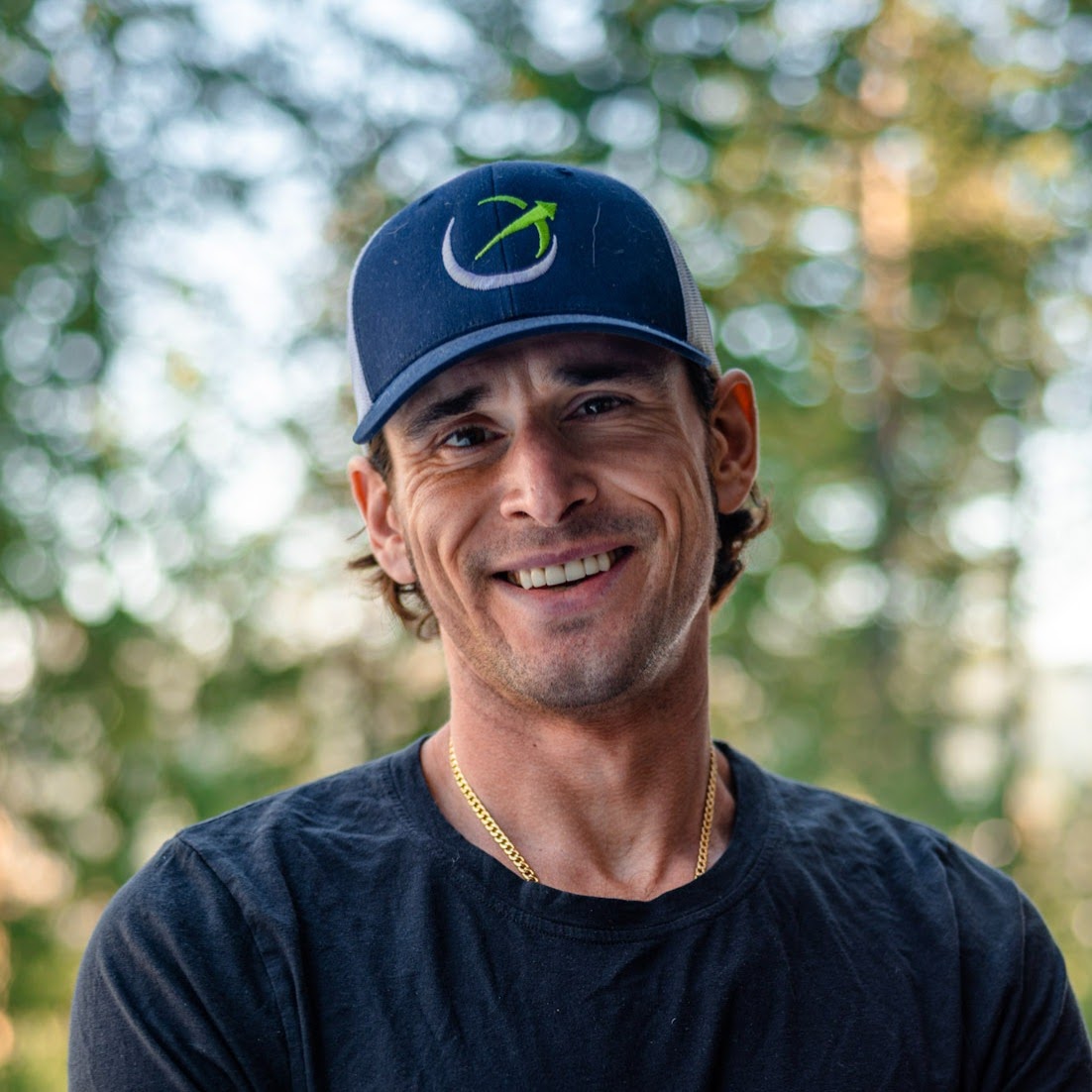
James Swanik's neuroscience-based 'Flipperoon' method reframes 'don't drink' into 'I easily only drink soda water with lime,' leveraging the reticular activating system to reduce drinking by 98% in a study.
2
Ben Greenfield drinks 4–5 nights a week (one glass of organic wine or a clean cocktail) and argues that small, consistent doses of alcohol act as a hormetic stressor, boosting endogenous antioxidants without increasing mortality risk.
3
Alcohol is ranked the most harmful drug overall in a 2021 UK study, with 400 million people suffering alcohol use disorder—five times more than all other drugs combined—and 7,000 daily deaths from alcohol-related illness.
4
Key actionable protocols include a gratitude practice (reduces cravings by up to 30%), a specific amino acid supplement stack (tyrosine, GABA, DPA/DLPA, glutamine, tryptophan), and timing alcohol at least 4–6 hours before bed to protect sleep architecture.
Protocols
Concrete recipes — what, when, how much, and why
7 items
The Flipperoon Protocol for Alcohol Cravings
WhatReplace any 'don't drink' thought with a specific, positive action statement describing exactly what you will drink instead, such as 'I easily only drink soda water with a splash of cranberry and a piece of lime.'
WhenAnytime a craving or thought about avoiding alcohol arises, especially before social events or in moments of temptation.
DoseRepeat the positive statement mentally or aloud as often as needed; use it preemptively before entering drinking environments.
For whomAnyone struggling with alcohol cravings or trying to reduce/quit drinking, particularly high achievers who respond well to cognitive reframing.
WhyThe reticular activating system (RAS) cannot process negative commands and will focus on the word 'drink,' increasing cravings. A positive instruction directs the RAS to seek and execute the desired alcohol-free behavior.
CaveatsThe statement must be vivid, specific, and phrased in the present tense as an easy, automatic action. Vague statements like 'I won't drink' are ineffective.
James Swanik developed this protocol after observing that traditional willpower-based approaches ('I have to quit') and negative commands ('don't drink') backfire because of how the brain processes language. He calls the technique the 'Flipperoon'—flipping the negative command into a positive one. The protocol is a cornerstone of his Alcohol-Free Lifestyle program, which claims a 98% reduction in drinking in a scientific study. Swanik emphasizes that this is not just a mental trick but a neuroscience-based method that works with the brain's natural filtering system. He uses the skiing analogy: telling yourself 'don't steer towards the trees' makes you steer towards the trees; telling yourself 'follow the clear path' works. Similarly, 'I easily only drink soda water with lime' gives the brain a clear path. Ben Greenfield acknowledges the power of this approach, noting its similarity to neurofeedback and brain rewiring techniques he recently discussed for quitting porn.
Mechanism
The RAS is a bundle of nerves in the brainstem that filters sensory information and directs attention toward goals. It does not process linguistic negation—hearing 'don't drink' activates neural representations of drinking. By providing a clear, positive alternative, the RAS treats that as the target and primes the brain to notice opportunities to execute it (e.g., spotting the bartender, remembering the mocktail order). This is the same mechanism behind the 'pink elephant' phenomenon and is supported by behavioral psychology research from institutions like Cambridge, Harvard, and MIT.
If we just do what I call the flipperoon. And the flipperoon says instead of saying don't do something, we say do this. And in this case, it's I easily only drink soda, water, ice with a piece of lime.
Also said
“The RAS doesn't understand the negative command. It just hears alcohol, smoking. So when you say don't drink, don't drink, don't drink, it just hears drinking.”— Explains the neurological basis for why negative commands fail.
“If we're going skiing down a mountain, sometimes the internal dialogue is, 'Don't steer towards the trees. Don't fall over.' and then invariably we tend to steer towards the trees and fall over.”— Provides a memorable analogy that reinforces the mechanism.
Positive Verbiage Shift ('I get to' instead of 'I have to')
WhatReplace self-talk phrases like 'I have to quit drinking' or 'I need to not drink' with 'I get to live alcohol-free' or 'I choose to drink soda water tonight.'
WhenThroughout the day, especially when making decisions about drinking or reflecting on sobriety.
DoseContinuous practice; integrate into daily self-talk and identity statements.
For whomAnyone working to change their relationship with alcohol, particularly those who feel deprived or restricted by traditional abstinence language.
WhyLanguage shapes feelings, thoughts, and behaviors. 'I have to' feels heavy and depriving, while 'I get to' or 'I choose to' feels empowering and aligns with an abundant, choice-driven mindset.
CaveatsMust be genuinely adopted; superficial use without internal conviction may not yield the full behavioral shift.
Swanik emphasizes that 'verbiage is so important.' Many people say 'I have to quit' or 'I need to stop,' which comes across as heavy and dark. Changing to 'I get to' or 'I choose to' creates a very different feeling that affects thoughts, behaviors, and ultimately outcomes. He gives the example: instead of 'I have to drink soda water tonight,' say 'I get to drink soda water tonight. I choose to.' This may seem ridiculously simple or woo-woo, but he insists it's grounded in neuroscience and behavioral psychology. Ben Greenfield agrees, noting that the momentum from such a shift can cascade into other positive health behaviors.
Mechanism
This protocol leverages cognitive reframing and self-determination theory. When people perceive an action as a choice rather than an obligation, the brain's reward circuitry responds more positively, reducing the sense of loss and increasing intrinsic motivation. Swanik cites studies from top universities showing that positive verbiage, combined with gratitude and nutrition, can reduce or destroy cravings for any drug.
Instead of saying I have to quit drinking, it's like I get to live alcohol-free. Instead of saying, 'Oh, I have to drink soda water tonight,' it's like, 'I get to drink soda water tonight. I choose to.'
Also said
“Verbage is so important. what we say matters and a lot of us are saying things like I have to and I need to which comes across as very heavy and very kind of dark... If we just change it to I get to I choose to that gives us a very different feeling which affects our thoughts which affects our behaviors which ultimately affects our outcome.”— Explains the full chain from language to outcome.
Daily Gratitude Practice for Craving Reduction
WhatPerform a daily gratitude practice, such as listing things you're grateful for in a journal or through prayer, to reduce cravings for alcohol and other drugs.
WhenDaily, ideally in the morning to set a positive dopaminergic tone for the day.
DoseAt least a few minutes each day; consistency is key.
For whomAnyone experiencing cravings, especially those in early sobriety or trying to moderate.
WhyStudies show gratitude practices can reduce cravings for any drug by up to 30% by providing a natural dopamine boost and shifting focus from lack to abundance.
CaveatsMay feel awkward or ineffective initially; benefits accrue with regular practice. Not a standalone solution for severe addiction but a powerful adjunct.
Swanik cites research showing a daily gratitude practice can reduce cravings for any drug by as much as 30%. He integrates this into his broader 'alcohol-free lifestyle' that includes nutrition, exercise, and human connection. Ben Greenfield shares that he personally uses a morning prayer practice focused on gratitude and finds it produces a genuine feel-good effect that goes beyond dopamine. He notes that people often laugh at the idea until they try it and experience the benefits. Both agree that while it may sound esoteric, it is a scientifically supported, practical tool for rewiring the brain's reward circuitry.
Mechanism
Gratitude activates the brain's reward system, releasing dopamine and other feel-good neurotransmitters. This competes with the dopaminergic craving for alcohol, effectively replacing a hedonistic dopamine source with a prosocial, sustainable one. Swanik notes that living a life of appreciation instead of expectation rewires the brain's default mode away from seeking external numbing agents.
Personal experience
Ben Greenfield: 'For me it's prayer every morning just praying about all these different things I'm grateful for. And it actually works, oddly enough, to produce this feel-good effect that obviously goes way beyond just dopamine.'
Incidentally, they've shown that a daily gratitude practice can reduce cravings for any drug by as much as 30%, which is fascinating.
Also said
“Living a life of appreciation instead of expectation, those things combined really drives human behavior in a very positive manner.”— Frames gratitude as a fundamental lifestyle orientation, not just a task.
Ben Greenfield's Responsible Drinking Protocol
WhatConsume 4–5 alcoholic drinks per week, always with food, using only clean, organic, low-sugar beverages (e.g., organic biodynamic wine, mezcal with club soda and lime), and limit to one drink per occasion except for a twice-monthly date night where a split pour of a second glass is allowed.
WhenWith dinner, typically between 6:00–7:00 p.m., never within 4–6 hours of bedtime. Avoid drinking on an empty stomach or in binge patterns.
Dose4–5 standard drinks per week, spread across 4–5 days; maximum of 1.5 drinks on rare occasions.
For whomBen Greenfield personally; potentially suitable for highly health-conscious individuals with robust recovery practices (sauna, cold plunge, exercise, clean diet) and no genetic contraindications.
WhyThis pattern aims to capture the hormetic benefits of alcohol (mild stressor inducing endogenous antioxidant production) while avoiding sleep disruption, excess calories, and the slippery slope of overconsumption.
CaveatsRequires strict adherence to clean alcohol sources (no pesticides, synthetic additives, high fructose corn syrup). Not recommended for those with a history of addiction, certain genetic variants (APOE4, low alcohol dehydrogenase), or conditions like breast/esophageal cancer risk. Greenfield emphasizes that most people lack the health infrastructure to mitigate alcohol's harm, so this protocol is not for the average drinker.
Ben Greenfield details his personal drinking habits: he drinks 4–5 nights a week, almost always a single glass of organic, biodynamic wine (rarely from the US due to pesticide concerns) or a clean cocktail like mezcal, club soda, lime, and a splash of bitters. He is a self-described 'one-and-done cocktail guy.' About twice a month on date nights, he and his wife split a second glass of wine during dinner, making that his 'heavy drinking day.' He derives enjoyment from three things: the GABA-mediated relaxation, the taste as a palate cleanser, and the knowledge that he's inducing a hormetic effect. He explicitly frames alcohol as a poison that is healthy in small doses precisely because it is cytotoxic, triggering cellular resilience. He contrasts this with the average Western drinker who consumes alcohol in unhealthy patterns without the mitigating factors of sauna, cold plunge, exercise, and meticulous nutrition. James Swanik acknowledges that Ben has 'hacked' drinking effectively but maintains that for most people, especially those attracted to Swanik's program, even one drink is a gateway to more.
Mechanism
Alcohol acts as a xeno-hormetic compound—a toxin that, in small doses, stresses the body enough to upregulate endogenous antioxidant systems such as superoxide dismutase, glutathione peroxidase, and catalase. This is analogous to the beneficial stress from exercise, heat, or cold exposure. Additionally, alcohol's GABAergic effect provides relaxation, and its macronutrient properties (7 calories per gram) can slightly increase body temperature and metabolic rate. Greenfield argues that spreading the dose evenly across the week avoids the inflammatory spike of binge drinking and allows the liver's circadian antioxidant production to handle the toxin efficiently.
Personal experience
Ben Greenfield: 'I probably drink oh four to five nights a week of a glass of wine with dinner... It's usually organic biodynamic wine rarely from the US because of the pesticides, the synthetics, the additives, the herbicides... I'm very picky about, you know, no high fructose corn syrup, no synthetic additives, preservatives, chemicals, pesticides, herbicides. So, always clean. And it's always when people drink with me, they're usually surprised, especially when I'm at a party or restaurant, that I'm a one-and-done cocktail guy.'
The definition of a xeno hormetic compound is that it is a poison. It is a toxin. It's cytotoxic and that is why it's healthy in small doses.
Also said
“I would say my daily sauna, cold, exercise, alcohol, vegetable, and fruit intake are daily poisonous impacts that cause my body to become stronger due to mild hormetic stress spread throughout the year and never dosed in too large of an intake.”— Shows how alcohol fits into a broader hormetic lifestyle.
“When you look at the epidemiological data... there is no mortality decreasing advantage to not drinking versus drinking. Drinking does not make you live longer, but it does not make you live shorter if it is done responsibly.”— Addresses the mortality data that underpins his position.
Supplement Stack for Neurotransmitter Support to Reduce Cravings
WhatTake a combination of amino acids and precursors: tyrosine (for focus/dopamine), GABA (for stress relief), DPA/DLPA (for endorphin retention and joy), glutamine (for brain glucose and neurotransmitter function), and tryptophan (for serotonin production).
WhenDaily, ideally not co-administered with alcohol to avoid excessive GABAergic effects. Can be taken in the morning or between meals.
DoseSpecific doses not provided; follow product labels or work with a practitioner. Julia Ross's 'The Craving Cure' is referenced for guidance.
For whomIndividuals with alcohol or drug cravings, particularly those with depleted neurotransmitter levels due to chronic use.
WhyThese supplements support the neurotransmitter systems that alcohol artificially stimulates, helping to restore balance and reduce the brain's chemical drive to seek alcohol for relief or pleasure.
CaveatsDo not take GABA alongside alcohol, as the combined effect can cause excessive sedation and impair motor function. Ben Greenfield warns: 'don't like take it during a time you'd normally be drinking as a way to drink less but still drink because you might actually make yourself feel drunk with extra GABA around.'
James Swanik brings up a stack recommended by Julia Ross, author of 'The Craving Cure': tyrosine, GABA, DPA/DLPA, glutamine, and tryptophan. Ben Greenfield validates the stack, noting it's similar to what he recommends for kratom addiction due to its opioid-like dopamine rush. He adds three additional supports: mucuna pruriens (a natural L-dopa source for dopamine), adequate protein/amino acid intake for neurotransmitter synthesis, and DHA plus oleic acid (from fish oil and olive oil) to support the myelin sheath and nerve signal propagation. He also emphasizes a Mediterranean-style diet rich in fatty fish, bioavailable protein, and extra virgin olive oil. Greenfield cautions against taking GABA with alcohol, as it can amplify intoxication unexpectedly. Swanik mentions Dr. Brook Sheller's book 'How to Eat to Change How You Drink,' which aligns with an animal-based, nutrient-dense diet including grass-fed beef, eggs, omega-3s, creatine, and liver-supportive foods like beets and cruciferous vegetables.
Mechanism
Alcohol acutely increases dopamine, GABA, and endorphin activity. Chronic use downregulates these systems, leading to cravings when not drinking. Tyrosine is a dopamine precursor; GABA directly activates GABA receptors; DPA/DLPA inhibits enkephalinase, preserving natural endorphins; glutamine serves as brain fuel and a precursor for glutamate/GABA balance; tryptophan is the precursor for serotonin. Supplementing these can reduce the neurochemical deficit that drives craving.
She said tyrosine... supports the neurotransmitters and enhances focus. She said GABA for stress relief, DPA and DLPA which helps retain natural endorphins and promotes feelings of joy and pain relief. Glutamine which provides a supply of glucose to the brain which supports the neurotransmitter functions and then tryptophan which aids in serotonin production.
Also said
“The interesting thing is that alcohol actually causes a GABA release. And so the only thing you'd want to be careful with with that stack is don't like take it during a time you'd normally be drinking as a way to drink less but still drink because you might actually make yourself feel drunk with extra GABA around.”— Critical safety caveat about combining GABA supplements with alcohol.
“Mucuna pruriens... if used in proper dosages and especially not overdosed with can cause a natural surge in dopamine that replaces what your craving might be giving you.”— Adds a specific dopamine-boosting supplement not in the original stack.
Pre-Drinking Genetic and Blood Testing
WhatBefore deciding to drink alcohol regularly, get a genetic test (for APOE4, alcohol dehydrogenase variants) and a blood test (for vitamin A, niacin, thiamine status, liver function) to assess individual risk.
WhenPrior to adopting any regular drinking habit, and periodically thereafter if drinking continues.
DoseOne-time genetic test; blood tests annually or as needed.
For whomAnyone considering regular alcohol consumption who wants to minimize risk, especially those with family history of breast cancer, esophageal cancer, dementia, or liver disease.
WhyGenetic variants like APOE4 dramatically increase dementia risk with alcohol; low alcohol dehydrogenase impairs breakdown; nutrient deficiencies (niacin, thiamine) reduce acetaldehyde detoxification; excess vitamin A combined with alcohol can cause liver damage.
CaveatsTesting is not a guarantee of safety; even with favorable genetics, other factors like lifestyle and dosing patterns matter. Greenfield notes that most people don't do this and remain 'blissfully unaware.'
Ben Greenfield argues that the decision to drink should be informed by individual biology. He points out that if you have the APOE4 gene, the positive association between alcohol and dementia is 'demonstrably proved without a doubt,' but if you don't have it, that risk 'completely disappears.' Similarly, deficiencies in niacin or thiamine mean you can handle far less alcohol—'literally talking like 0.3 drinks.' Women and many Asians produce less alcohol dehydrogenase, so they must drink far less. He also warns that alcohol activates vitamin A, so supplementing with high-dose vitamin A while drinking could create liver issues. His recommendation: 'get a genetic test, get a blood test, see where you're at, and then make a decision from there.' James Swanik agrees that most people aren't doing this and are therefore unaware of their vulnerabilities.
Mechanism
APOE4 carriers have impaired lipid transport and increased neuroinflammation, which alcohol exacerbates. Alcohol dehydrogenase and aldehyde dehydrogenase polymorphisms affect the rate at which toxic acetaldehyde accumulates. Niacin and thiamine are cofactors for aldehyde dehydrogenase. Vitamin A is activated by alcohol, and excessive levels can synergistically damage the liver. Testing allows personalized risk stratification.
If you have the APOE E4 gene, it has been demonstrably proved without a doubt positive association between dementia, Alzheimer's, and alcohol intake. But if you don't have the APOE4 gene, that completely disappears and goes out the window.
Also said
“If you had poor nutrient or micronutrient status... another example would be something like women versus men, right? women actually produce lower levels... of alcohol dehydrogenase... Asians in many sectors fall into this population as well.”— Lists multiple genetic and biological factors that modify alcohol tolerance and risk.
“Get a genetic test, get a blood test, see where you're at, and then make a decision from there about whether you're going to have small doses of a hormetic stressor on a regular responsible basis without overdoing it.”— Direct actionable recommendation.
Timing Alcohol Away from Bedtime
WhatIf drinking alcohol, consume it at least 4–6 hours before sleep, ideally with a meal, to minimize sleep architecture disruption.
WhenFinish any alcoholic beverage by early evening (e.g., 6:00 p.m.) if bedtime is around 10:00–11:00 p.m.
DoseNo alcohol within 4–6 hours of sleep; one drink maximum in that window.
For whomAnyone who drinks and values sleep quality, especially those who notice poor sleep after evening drinking.
WhyAlcohol reduces sleep latency but suppresses REM sleep and can cause nighttime waking as GABA wears off. Studies showing sleep disruption typically administer alcohol 30–60 minutes before bed, which is not recommended.
CaveatsIndividual tolerance varies; some may be more sensitive. Greenfield notes that even a glass of wine at 6:00 p.m. is unlikely to affect sleep for most people, but drinking closer to bedtime is problematic. Swanik jokes that 'you're better off drinking alcohol for breakfast than anywhere close to bedtime' to maximize clearance time.
Ben Greenfield addresses the common claim that alcohol ruins sleep, calling it nuanced. He has scoured the studies and found that they typically give subjects 1–6 servings of alcohol 30–60 minutes before bed—a pattern he has never endorsed. He argues that someone having a glass of wine at 6:00 p.m. with dinner should not guilt-trip themselves into thinking it will wreck their sleep. However, those having multiple drinks at 9:00 p.m. and going to bed at 10:00 or 11:00 should be cautious. He also offers a counterpoint: the liver does most of its antioxidant production in the evening, so letting it process alcohol overnight might be better from a circadian standpoint than drinking in the morning. James Swanik counters with anecdotal evidence from his program: clients consistently report dramatically improved sleep after quitting alcohol entirely, regardless of timing. He cites a case study of Evan Meltchure, who tracked his heart rate variability with an Aura ring and estimated saving 5 million heartbeats per year after stopping drinking, along with coming off four prescription medications.
Mechanism
Alcohol initially enhances GABA activity, promoting sleep onset. As it's metabolized, GABA tone drops, leading to rebound wakefulness and fragmented sleep. It also suppresses REM sleep, which is critical for emotional processing and memory consolidation. Allowing several hours for metabolism before sleep reduces the amount of alcohol present during the night, preserving sleep architecture.
I have scoured the studies on sleep and alcohol and I can't find a single one that's not giving people anywhere from one I found one that was up to six servings of alcohol 30 minutes to 60 minutes prior to bed... I have never endorsed, nor do I think it's a good idea to drink a bunch of alcohol or even have just like a full glass of wine and then crawl into bed.
Also said
“You're better off drinking alcohol for breakfast than you are anywhere close to bedtime because at least then the body has 16 hours to try to get rid of the toxins that you've just consumed.”— A memorable, provocative way to emphasize the importance of timing.
“Your liver does most of its antioxidant production in the evening. So you could actually make an argument that if you're looking for the endogenous antioxidant production... letting the liver process the alcohol overnight is better from a circadian rhythmicity standpoint than drinking in the morning.”— Offers a counterintuitive circadian argument for evening drinking.
What's new
Personal practice updates, fresh positions, predictions
4 items
The Flipperoon: Using the Reticular Activating System to Reframe Drinking
James Swanik teaches that the brain's reticular activating system (RAS) cannot process negative commands, so saying 'don't drink' reinforces the desire to drink. His 'Flipperoon' technique replaces 'don't' with a positive action statement, such as 'I easily only drink soda water with lime,' which the RAS locks onto and executes.
Why this matters: This flips the standard willpower-based approach to addiction on its head by using a well-established neuroscience principle (RAS filtering) to make abstinence feel automatic rather than effortful.
Background
Traditional methods like willpower, AA (less than 10% success rate), and rehab (about 5% long-term success) have poor outcomes. Swanik sought a neuroscience-driven alternative after quitting alcohol himself and noticing how his own internal dialogue affected his behavior.
Swanik explains that the RAS is a bundle of nerves in the brainstem that filters sensory information and directs attention. It does not understand negation—when you tell yourself 'don't drink,' the brain hears 'drink' and primes you to notice alcohol-related cues. This is the 'pink elephant' phenomenon. By consciously replacing the negative command with a vivid, positive instruction ('I'm going to walk up to the bar and order a soda water with cranberry and pineapple'), the RAS treats that as the target and helps you execute it. Swanik uses the analogy of skiing: if you think 'don't steer towards the trees,' you tend to steer towards the trees. The Flipperoon is a core pillar of his Alcohol-Free Lifestyle program, which he claims has a 98% reduction in drinking in a scientific study. He emphasizes that this isn't just a mental trick—it's grounded in behavioral psychology and neuroscience from institutions like Cambridge, Harvard, and MIT.
There's a bundle of nerves in our brain called the reticular activating system, otherwise known as the RAS. And the RAS doesn't understand the negative command. It just hears alcohol, smoking. So when you say don't drink, don't drink, don't drink, it just hears drinking.
Also said
“If we just do what I call the flipperoon. And the flipperoon says instead of saying don't do something, we say do this. And in this case, it's I easily only drink soda, water, ice with a piece of lime.”— Provides the exact positive replacement statement used in the protocol.
“If we're going skiing down a mountain, sometimes the internal dialogue is, 'Don't steer towards the trees. Don't fall over.' and then invariably we tend to steer towards the trees and fall over. It's the same thing here.”— Illustrates the mechanism with a relatable analogy.
Gratitude Practice Reduces Cravings by Up to 30%
A daily gratitude practice has been shown to reduce cravings for any drug, including alcohol, by as much as 30%, according to studies cited by Swanik.
Why this matters: It offers a simple, zero-cost, non-pharmacological intervention that directly competes with the dopamine-driven reward of alcohol.
Background
Swanik integrates gratitude into his lifestyle-based approach, noting that living a life of appreciation instead of expectation shifts the brain's reward circuitry away from seeking external substances.
Swanik mentions that studies have demonstrated a daily gratitude practice can reduce cravings for any drug by up to 30%. He ties this to the broader concept of an 'alcohol-free lifestyle' that includes good nutrition, exercise, and human connection. Ben Greenfield adds that the dopaminergic stimulus from gratitude is surprisingly powerful and can replace hedonistic cravings. He personally uses a morning prayer practice focused on gratitude and finds it produces a genuine feel-good effect that goes beyond dopamine. Both agree that while it may sound esoteric or 'woo-woo,' the behavioral psychology and neuroscience support it as a legitimate tool for rewiring the brain's reward system.
Personal experience
Ben Greenfield: 'For me it's prayer every morning just praying about all these different things I'm grateful for. And it actually works, oddly enough, to produce this feel-good effect that obviously goes way beyond just dopamine.'
Incidentally, they've shown that a daily gratitude practice can reduce cravings for any drug by as much as 30%, which is fascinating.
Also said
“Living a life of appreciation instead of expectation, those things combined really drives human behavior in a very positive manner.”— Frames gratitude as a fundamental shift in mindset, not just a task.
Alcohol Ranked as the Most Harmful Drug Overall
A 2021 UK study evaluating 20 legal and illegal drugs against 16 harm factors found alcohol to be the most harmful drug overall, the most harmful to others, and the fourth most harmful to users individually.
Why this matters: This challenges the common perception that illicit drugs are more dangerous, highlighting alcohol's unique societal penetration and acceptability as a key driver of harm.
Background
Swanik cites three studies: a 2012 Scottish study ranking alcohol fourth most harmful; a 2020 German study corroborating those findings; and the 2021 UK study placing alcohol at the top. He uses these to underscore why his work focuses on helping people stop drinking entirely.
Swanik reads directly from his book 'Clear,' detailing the 2012 Scottish study that ranked 19 drugs on harm to self and others, placing alcohol in the top five alongside heroin, crack cocaine, and crystal meth. The 2020 German study confirmed similar rankings. The 2021 UK study was the most comprehensive, looking at 20 drugs across 16 harm criteria, and concluded alcohol is the most harmful drug overall. Swanik argues that alcohol's cheapness, wide availability, and social acceptability make it uniquely dangerous. Ben Greenfield agrees, noting that alcohol's penetration into society as an acceptable numbing agent, combined with a lack of education on responsible use, drives these statistics. He adds that the addictive nature of the feeling it provides when used irresponsibly amplifies the harm. Both agree that these findings are spot on and that the context of use matters immensely.
A 2021 study out of the UK which looked at 20 legal and illegal drugs against 16 different harm factors. It showed that alcohol to be the most harmful drug overall, the most harmful to others, and the fourth most harmful to users individually.
Also said
“There are 400 million people in the world who are considered to have an alcohol use disorder, but yet there's only 80 million people in the world who have a drug use disorder that that's separate from alcohol. So that's five times as many people experience an alcohol use disorder than any other drug.”— Quantifies the scale of alcohol use disorder relative to all other drugs.
The 'Death by a Thousand Cuts' Concept of Alcohol's Cumulative Harm
Swanik describes alcohol's damage as 'death by a thousand cuts,' where small, seemingly innocuous daily drinks accumulate over years and decades to cause significant health, relational, and societal harm without obvious immediate consequences.
Why this matters: It reframes the risk of moderate drinking not as a single catastrophic event but as a slow, insidious erosion of health and life quality that most people fail to notice until it's too late.
Background
Swanik's own experience of gaining 35 lbs, feeling irritable and average, and only realizing the cumulative toll after two decades of 'socially acceptable' drinking inspired this metaphor.
Swanik explains that over a few days, weeks, or even a year, the effects of one or two drinks a night are imperceptible. But over many years and decades, the extra calories, disrupted sleep, increased irritability, and stress compound. This can lead to weight gain, marital strain, anxiety, abandonment of health protocols, and a vicious cycle of craving sugary foods or more alcohol to numb the pain. He emphasizes that 7,000 people die every day from alcohol-related illnesses, and the slippery slope from one drink to two to three is what makes alcohol uniquely treacherous. Ben Greenfield agrees, noting that while he personally drinks moderately, most people lack the health infrastructure (sauna, cold plunge, clean diet, etc.) to mitigate the damage, making even one drink a day potentially harmful over time for the average person.
I always say that alcohol can be death by a thousand cuts. Over few days, weeks, months, even a year or so, we don't really notice that cumulative effect. But then over many years and decades, it can creep up on you and cause a lot of damage to your family, to yourself, and to society as a whole.
Also said
“7,000 people die a day, they estimate, from alcohol-related illnesses.”— Provides the stark daily mortality statistic.
“Suddenly we're 30 lb overweight. You know, it's just crept up on us. We're eating a little bit better, a little bit more food than we would ordinarily choose. We're a little bit more irritable. We're a bit more stressed. That can lead to some marital strain.”— Illustrates the cascading, interconnected consequences of cumulative drinking.
Recommendations
Products, supplements, and tools mentioned in the episode
5 items
NAD or NAD precursors
Supplement
Ben Greenfield lists NAD as one of his top supplements, closely reaching the top of his list alongside creatine and omega-3s.
NAD or some form of it is closely reaching the top of that list.
Omega-3 fatty acids (DHA/EPA from fish or algae oil)
Supplement
Greenfield recommends omega-3s for brain health and myelin sheath support, ideally from clean fish but acknowledges the challenge of microplastics and metals, suggesting a clean fish or algal oil source.
Greenfield explains that DHA supports the fatty acid lining of the myelin sheath, which is critical for nerve signal propagation. He also mentions oleic acid from olive oil as another key fat. Swanik adds that omega-3s are obtained from animal-based foods like grass-fed beef and fatty fish, and are part of the dietary protocol for reducing alcohol cravings.
The best is to just eat really good clean fish. But that's increasingly harder to find with the microplastics and metals issue in the ocean. So that good clean omega or an algal source.
Also said
“Two fats that a lot of people know about that help to support neurotransmitters particularly by supporting that myelin sheath are DHA... and oleic acid which comes from olive oil.”— Specifies the types of fats and their neurological role.
Mentioned as the wearable used by Evan Meltchure to track heart rate variability and sleep before and after quitting alcohol. Swanik is wearing one during the podcast.
The Aura ring provided objective data showing a significant reduction in resting heart rate and improvement in heart rate variability after stopping alcohol. Swanik notes that tracking sleep with a device can motivate people to improve their scores, creating a positive feedback loop. Greenfield explains the physiological mechanism: alcohol increases body temperature, causing vasodilation and increased heart rate as the body tries to cool itself, so the ring captures both heart rate and temperature changes.
He actually was an Aura ring wearer, still is. And in the year before he came and joined our project 90 stop drinking process, he was tracking his heart rate variability with an Aura ring.
Ben Greenfield recommends mucuna pruriens as a natural way to boost dopamine, replacing the dopamine surge from alcohol or other addictive substances.
Greenfield cautions that it must be used in proper dosages and not overdosed. He positions it as an addition to the amino acid stack for neurotransmitter support, specifically for those with dopamine-driven cravings.
Mucuna pruriens... if used in proper dosages and especially not overdosed with can cause a natural surge in dopamine that replaces what your craving might be giving you.
How to Eat to Change How You Drink by Dr. Brook Sheller
Book
Mentioned by Swanik as a book that aligns with Ben Greenfield's dietary recommendations, emphasizing animal-based foods, omega-3s, creatine, and liver-supportive vegetables.
She wrote how to eat to change how you drink, which is an interesting book, and she essentially agreed with what you just shared, which is animal-based foods.
Clear: The only neuroscience-based approach for high achievers to finally break free from alcohol without AA, rehab, or willpower
Book Sponsored · disclosed
Swanik's book outlines his neuroscience-based method for quitting alcohol, including the Flipperoon, positive verbiage, gratitude, and lifestyle design. He references a scientific study showing a 98% reduction in drinking.
DisclosureWritten by guest James Swanik, who promotes his own book and program.
The book is the culmination of Swanik's personal journey and professional work with Alcohol-Free Lifestyle. It challenges traditional recovery models (AA, rehab, willpower) and presents a brain-based approach tailored for high achievers. Swanik mentions that he included a friendly debate with Ben Greenfield in the book, highlighting their differing views on moderate drinking. The book also covers the statistics on alcohol's harm, the role of nutrition, and practical neuroscience tools.
vs alternatives
Unlike AA (less than 10% success rate) or rehab (about 5% long-term success), Swanik's method claims a 98% reduction in drinking based on a scientific study. It focuses on cognitive reframing and lifestyle change rather than disease-model abstinence or willpower.
Clear: The only neuroscience-based approach for high achievers to finally break free from alcohol without AA rehab or willpower.
Also said
“We have a scientific study which shows a 98% reduction in drinking. So, that's helpful when I'm making claims like that.”— Quantifies the claimed efficacy of the approach.
A coaching program that uses neuroscience-based tools to help high achievers stop drinking. Swanik shares anecdotal success stories, including clients who improved sleep, reduced heart rate, and eliminated prescription medications.
DisclosureJames Swanik is the founder of Alcohol-Free Lifestyle.
Swanik describes how he built the organization after realizing traditional modalities were ineffective. The program incorporates the Flipperoon, gratitude practice, positive verbiage, nutritional guidance, and human connection. He shares the story of Evan Meltchure, a financial services manager who tracked his heart rate variability with an Aura ring before and after quitting. After joining the program, Evan's resting heart rate dropped significantly, saving an estimated 5 million heartbeats per year, and he was able to discontinue four prescription medications (sleep drugs, anxiety medication, acid reflux medication, and blood pressure medication). Swanik uses this as an example of the cascading health benefits of stopping drinking.
vs alternatives
Positioned as an alternative to AA, rehab, and willpower-based approaches, with a focus on high achievers and a lifestyle redesign rather than a disease model.
He estimated that he saved 5 million heartbeats over the course of one year because his heart rate went from something like... he made his Energizer Bunny last a little longer.
Also said
“He was on four prescription medications when he before he stopped drinking... Then he stopped drinking alcohol and within months he was off all of those prescription medications.”— Demonstrates the broader health impact beyond alcohol cessation.
Lines worth pulling out — contrarian, specific, or perfectly phrased
6 items
I always say that alcohol can be death by a thousand cuts. Over few days, weeks, months, even a year or so, we don't really notice that cumulative effect. But then over many years and decades, it can creep up on you and cause a lot of damage to your family, to yourself, and to society as a whole.
Powerful metaphor that encapsulates the insidious, long-term harm of moderate drinking.
The definition of a xeno hormetic compound is that it is a poison. It is a toxin. It's cytotoxic and that is why it's healthy in small doses.
Ben Greenfield's succinct, provocative justification for why a little bit of poison can be beneficial.
You're better off drinking alcohol for breakfast than you are anywhere close to bedtime because at least then the body has 16 hours to try to get rid of the toxins that you've just consumed.
A memorable, counterintuitive take on alcohol timing that challenges conventional wisdom.
There's a bundle of nerves in our brain called the reticular activating system, otherwise known as the RAS. And the RAS doesn't understand the negative command. It just hears alcohol, smoking. So when you say don't drink, don't drink, don't drink, it just hears drinking.
Clearly explains the neuroscience behind why willpower and negative self-talk backfire.
I'm just high on life. I'm just happy. I'm just clear and focused and energized.
James Swanik's response to how he has fun at hedonistic parties without alcohol—a simple, aspirational state.
7,000 people die a day, they estimate, from alcohol-related illnesses.
A stark, sobering statistic that underscores the scale of alcohol's global health impact.
Sign in to share feedback
Tell us if this brief hit the mark or missed it — feedback feeds back into the next iteration of the prompt.
Reading is free for everyone. A free account adds the personal layer: save protocols, follow experts, and see how the other experts weigh in on this same topic.
Educational summary of the cited expert source — not medical advice. Open the source recording linked above and consult a qualified physician before acting on any protocol.