
Clinical diagnosis of perimenopause without lab tests
The speaker emphasizes that the chaotic hormone pattern explains why current laboratory tests fail and argues for a paradigm shift toward believing the patient. Instead of waiting for a 'confirmatory' test that doesn't exist, clinicians should act on the symptom history and begin treatment.
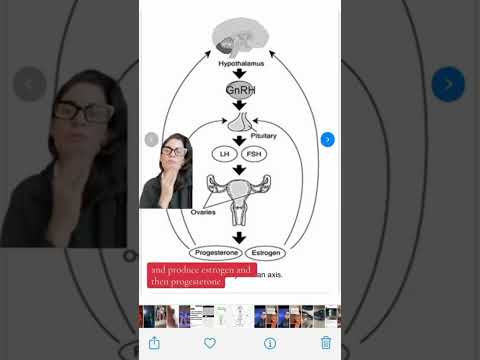
Because the ovaries no longer respond consistently to pituitary signals, the brain increases output of FSH and LH, which drives unpredictable estrogen surges and delayed or absent ovulation. This results in wildly varying hormone levels day-to-day, making any one-time measurement misleading as a diagnostic tool.
This chaotic zone is also why we don't have great blood, urine, or saliva tests to make the diagnosis. We listen to patients, we believe her, we may rule out overlapping conditions, and then we let her know she's in perimenopause and begin treatment.