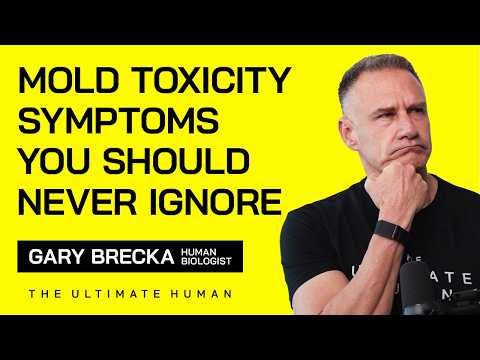
Mold toxicity, or Chronic Inflammatory Response Syndrome (CIRS), is a systemic illness driven by mycotoxins that mainstream medicine often misses, leading to years of misdiagnoses like fibromyalgia or anxiety.
2
Key differentiator: mold allergy triggers immediate sneezing/itchy eyes, while mold toxicity causes months-to-years of fatigue, brain fog, joint pain, and mood disturbances — and requires specialized testing like urine mycotoxin panels, C4a, TGF-beta1, and MMP9.
3
Gary Brecka outlines a detox framework centered on removal (binders like activated charcoal and bentonite clay, 90 minutes away from meals) and drainage (glutathione, infrared sauna, rebounding, dry brushing), not antifungals.
4
His free Ultimate Detox Challenge (June 23–25) teaches the exact testing and detox protocols he uses with elite athletes and private clients.
Protocols
Concrete recipes — what, when, how much, and why
6 items
Environmental Mold Assessment and Removal
WhatGet a professional mold inspection; use ERMI or HERTSMI-2 dust sampling tests; remediate or leave the water-damaged environment.
WhenAs soon as mold toxicity is suspected or symptoms are linked to a building.
For whomAnyone with symptoms indicative of mold illness, especially if symptoms improve away from home/work.
WhyOngoing exposure undermines any detox effort; the source must be eliminated first.
CaveatsWater-damaged buildings often require professional remediation; superficial cleaning is insufficient. Leaving may be logistically and financially challenging.
Brecka warns that modern energy-efficient homes trap moisture, HVAC systems recirculate spores, and hidden leaks behind drywall or under floors create reservoirs for mold without visible signs. He points out that buildings with prior water damage are rarely properly remediated. The common indoor offenders — Aspergillus (dust, AC units), Stachybotrys (wet drywall), Penicillium (damp carpets), and Cladosporium (wood, textiles) — can be inhaled, absorbed through skin, or ingested. Testing with ERMI (Environmental Relative Moldiness Index) or HERTSMI-2 quantifies mold burden in dust, guiding the decision to remediate or relocate.
The first and most important thing in any kind of mold exposure is you must remove yourself from the exposure location.
Also said
“Get a professional mold inspection. Use ERM or hurt SMI2 testing in your home. You can write those down. ERMI or hurt SMI2 testing in your home. Remediate or remove it if necessary.”— States the concrete steps and names the specific tests.
Mycotoxin-Binding Regimen
WhatTake gut binders — activated charcoal, bentonite clay, chorella, modified citrus pectin — spaced 90 minutes away from meals and other supplements.
WhenDuring an active detox period; ideally daily while working on mold clearance.
DoseNo specific dose given; 90 minutes separation from food/supplements is the critical instruction.
For whomIndividuals diagnosed with mold toxicity or those undertaking a biotoxin detox protocol.
WhyBinders trap lipophilic mycotoxins in the gastrointestinal tract, preventing reabsorption and promoting fecal elimination.
CaveatsMust ensure daily bowel movements to eliminate bound toxins. Taking binders with food can adsorb nutrients, causing deficiencies. Start slowly if bowel function is sluggish.
The transcript does not detail the molecular mechanism, but Brecka emphasizes that mycotoxins are lipophilic and excreted into the bile; without binders, they can be reabsorbed via enterohepatic recirculation. He includes chorella and modified citrus pectin alongside classic binders like charcoal and bentonite, implying a broad-spectrum approach. The 90-minute window is crucial so that binders intercept toxins without stripping the meal of its nutritional value. He also stresses that binders are part of a layered protocol that includes hydration and drainage to keep elimination pathways open.
Bind and remove these toxins with gut binders, activated charcoal, bentonite clay, corella, and modified citrus pectin. Time your binders 90 minutes away from your food or your supplements so you're not binding the nutrients from the food that you eat.
Also said
“and try to ensure that you have daily bowel movements.”— Highlights the often overlooked prerequisite for binder therapy to work.
Drainage and Lymphatic Support
WhatOpen drainage pathways by hydrating aggressively, using glutathione, regular infrared/dry sauna sessions, rebounding (mini-trampoline), dry brushing, lymphatic drainage massage, breath work, and vagus nerve activation.
WhenThroughout the detox process, ideally daily or several times per week.
DoseNo specific frequency or duration given; 'regular sauna sessions' and daily practices like rebounding and breath work are implied.
For whomAnyone in a mold detox protocol; especially beneficial for those with sluggish lymphatic function or chronic fatigue.
WhyMobilizes mycotoxins from tissues into the circulation, then out through sweat, urine, and bowel movements, while supporting the liver and lymphatic system.
CaveatsExcessive sauna without proper hydration can cause electrolyte imbalances. Rebounding may be contraindicated for those with severe joint instability. Glutathione dose should be guided by a practitioner.
Brecka packages these modalities as a collective 'drainage' step, crucial because toxins released from fat stores must exit the body rather than recirculate. He specifically mentions rebounding — jumping on a small trampoline — as a way to move lymph, and dry brushing as a complementary technique. For nervous system regulation, he favors breath work and vagus nerve activation, acknowledging that chronic stress impairs detoxification. This multi-pronged approach reflects the systems-biology view that effective detox is not a single supplement but a constellation of daily practices.
Mechanism
Sauna-induced sweating eliminates lipophilic toxins via the skin. Rebounding and dry brushing mechanically stimulate lymph flow, which lacks a central pump and relies on movement. Glutathione supports liver phase II detoxification, conjugating toxins for excretion. Vagal nerve activation shifts the nervous system toward parasympathetic rest-and-digest mode, facilitating detox.
You can open drainage pathways by hydrating aggressively, supporting liver and lymphatic system with things like glutathione, regular sauna sessions, and gut binders.
Also said
“Infrared and dry sauna are amazing for removing these toxins from the body.”— Emphasizes the importance of heat-based toxin elimination.
“Rebounding, that's jumping up and down on a little trampoline. Dry brushing and lymphatic drainage are excellent ways to help your lymph system start to pull these things out of your tissue.”— Details the physical methods that specifically target the lymphatic system.
Mitochondrial and Immune Supplementation
WhatSupport mitochondrial and immune function with NAC, glutathione, CoQ10, and omega-3 fatty acids.
WhenDuring the detox phase and likely as maintenance while healing from mold illness.
DoseNo dosages provided.
For whomMold-toxicity patients, especially those with severe fatigue, brain fog, or immune dysregulation.
WhyMycotoxins damage mitochondria and disrupt immune signaling; these supplements help restore energy production and reduce oxidative stress.
CaveatsNone specified; standard precautions for these supplements apply.
Brecka mentions this group in a single sentence within the larger detox framework. He does not elaborate on mechanisms, but positions NAC and glutathione as antioxidants that replenish cellular glutathione stores, CoQ10 as an electron transport chain cofactor for ATP production, and omega-3s as membrane stabilizers and anti-inflammatory agents. The brevity suggests this is a supportive, not standalone, piece of the protocol.
You can support your immune and your mitochondrial function with things like NAC, glutathione, CoQ10, and omega-3 fatty acids.
Gut Healing Protocol
WhatRepair gut tissue with collagen, glutamine, and probiotics.
WhenAfter or alongside the acute detox phase, as part of restoring mucosal integrity.
DoseNone given.
For whomThose with mold-related digestive symptoms, food sensitivities, or histamine intolerance.
WhyMycotoxins compromise the gut lining, leading to leaky gut; these nutrients support repair of tight junctions and microbiome balance.
CaveatsProbiotic strains should be chosen carefully; collagen and glutamine are generally well-tolerated.
This recommendation is brief, appearing at the end of his detox framework. He does not explain the mechanism, but standard gut-healing protocols use glutamine as fuel for enterocytes, collagen for connective tissue support, and probiotics to rebalance the microbiota disrupted by both mycotoxins and the inflammation they cause.
And you can repair tissue damage with gut healing protocols. Things like collagen, glutamine, and probiotics.
Nervous System Regulation (Breath Work and Vagal Activation)
WhatPractice breath work and vagus nerve activation techniques to calm the stress response.
WhenDaily, particularly during detox when the body may feel overwhelmed.
DoseNo specific routine given.
For whomAnyone in a mold detox protocol, especially those with anxiety or sleep disturbances.
WhyHigh sympathetic tone impairs detoxification; shifting to parasympathetic mode supports liver and lymphatic function.
CaveatsNone mentioned.
Brecka mentions this as a finishing touch to his detox framework, acknowledging the mind-body connection. He does not elaborate on techniques, but the inclusion signals that stress management is part of the recovery plan.
Mechanism
Deep, slow breathing stimulates the vagus nerve, increasing heart rate variability and promoting rest-and-digest physiology, which may enhance detoxification pathways.
For nervous system regulation, I like breath work and vag nerve activation.
What's new
Personal practice updates, fresh positions, predictions
4 items
mold-allergy-vs-toxicity-distinction
Mold illness is not just an acute allergy; chronic low-level exposure causes a systemic inflammatory breakdown called CIRS, requiring a different diagnostic lens.
Why this matters: This reframes mold from a respiratory nuisance into a root cause of multi-system chronic illness that is routinely overlooked in conventional medicine.
Background
Most doctors are trained only to recognize acute mold allergies (sneezing, runny nose) and dismiss vague chronic symptoms. Standard labs and imaging usually appear normal.
Brecka argues that mold toxicity — also termed biotoxin illness or CIRS — is an inflammatory cascade from mycotoxins, not a simple allergic reaction. While allergy produces immediate histamine-driven symptoms, toxicity manifests over months or years as fatigue, brain fog, joint pain, sinus issues, new food sensitivities, and mood disorders. Because these symptoms are non-specific, patients are frequently misdiagnosed with fibromyalgia, chronic fatigue syndrome, anxiety, or IBS. He references a 2020 paper in Toxins confirming that mycotoxin-related illness is grossly underdiagnosed, and emphasizes that recognizing CIRS requires environmental exposure history, genetic susceptibility (HLA-DR), and inflammatory biomarkers (C4a, TGF-beta1, MMP9) that standard panels never check. Without a skilled environmental health practitioner, patients often spend decades mistreated. This distinction reframes mold from a building problem to a hidden driver of complex chronic disease.
But mold toxicity equals inflammatory breakdown inside your body over months or even years.
Also said
“Most conventional doctors are trained to spot acute mold allergies, not chronic mold toxicity.”— Directly contrasts the two categories that define the diagnostic gap.
“Research published in Toxins in 2020 confirmed that micotoxin related illness is grossly underdiagnosed, often requiring specialized environmental health practitioners to properly recognize and treat it.”— Anchors his stance in a recent publication, reinforcing that this is not a fringe opinion.
neurotoxic-effects-of-mold
Mycotoxins cross the blood-brain barrier, activate microglia, disrupt neurotransmitters, and cause brain hypoperfusion that mimics traumatic brain injury.
Why this matters: Moves the conversation beyond respiratory complaints to measurable brain dysfunction, challenging the common belief that mold only affects lungs.
Background
Traditionally, mold is viewed as a trigger for asthma and allergies. Brecka argues that lipophilic mycotoxins accumulate in fat-rich brain tissue, initiating neuroinflammation and neurotransmitter imbalances.
Brecka cites studies in the Journal of Allergy and Clinical Immunology and Healthline showing that mycotoxins cross the blood-brain barrier to produce memory loss, personality changes, anxiety, depression, and concentration difficulties. He highlights research from Frontiers in Immunology describing how mycotoxins induce microglial activation — the brain’s immune response — leading to neural inflammation, oxidative stress, and even neuronal death. This neurotoxic cascade impairs executive function, processing speed, and emotional regulation. He further points to brain scans from Amen Clinics that show hypoperfusion (reduced blood flow) patterns in mold-exposed individuals, strikingly similar to traumatic brain injury. A Toxicological Sciences study demonstrated that airborne mold spores and mycotoxins disrupted neurotransmitter balance, notably lowering dopamine and serotonin — critical for mood, motivation, and cognition. This explains why depression, anxiety, and personality changes are common in mold illness, often misattributed to psychiatric disorders alone.
Mold isn't just bad for your lungs, it's bad for your brain. It's bad for your emotions and your very ability to think clearly.
Also said
“Studies published in Healthline and the Journal of Allergy and Clinical Immunology reveal that microtoxins can cross the blood-brain barrier and trigger things like memory loss, personality changes, anxiety, depression, difficulty in concentrating, sleep disturbances.”— Provides the specific research backing and the full list of neuropsychiatric symptoms.
“Research from Frontiers in Immunology explains how micotoxins can induce microgleal activation, an inflammatory response in the brain leading to neural inflammation, oxidative stress, and even neuronal death.”— Explains the biological mechanism — microglial activation — rather than just symptom listing.
“At Aean clinics, brain scans showed visible patterns of hypo profusion, decreased blood flow in mold exposed individuals, patterns that mimic traumatic brain injury.”— Offers a clinical imaging correlate that validates the subjective cognitive complaints.
specialized-testing-for-mold-illness
Diagnosing mold toxicity requires urine mycotoxin panels, HLA-DR genetic screening, visual contrast sensitivity testing, and inflammatory markers like C4a, TGF-beta1, and MMP9.
Why this matters: Explains why so many patients suffer for years with normal standard labs — these tests are not part of routine workups.
Background
Conventional diagnostics (CBC, metabolic panels, imaging) miss chronic biotoxin burden. Brecka states that without these specialized tools, the inflammatory signature of CIRS remains invisible.
Brecka emphasizes that CIRS is a multi-system, multi-symptom illness that cannot be captured by a single test. He recommends urine mycotoxin assays to directly measure excreted toxins, HLA-DR genotyping to identify susceptible individuals who cannot effectively clear biotoxins, visual contrast sensitivity testing as a functional neurological marker affected by neurotoxins, and serum biomarkers C4a (complement activation), TGF-beta1 (tissue remodeling), and MMP9 (tissue breakdown) that reflect chronic innate immune activation. He also mentions mold-specific IgG panels. The 2020 Toxins paper he cited underscores that diagnosis is often delayed or missed entirely without a practitioner trained to order and interpret these markers. His core message: if you have unexplained chronic symptoms and normal routine labs, pursue these specialized assessments to uncover hidden mold burden.
Without a skilled provider or skilled testing, many sufferers spend years, even decades, misdiagnosed and mistreated.
Also said
“specialized testing like urine micotoxin panels, HLADR genetic testing, visual contrast sensitivity tests, and inflammatory markers such as C4A, TGF beta 1, and MMP9 are essential to uncover the hidden mold burden.”— Lists the exact tests he considers non-negotiable for proper diagnosis.
“The complexity of SER means it requires a different lens, one that considers environmental exposures, genetic susceptibility, and biomarkers of inflammation.”— Reframes diagnosis as a systems-level investigation rather than a single-lab-value check.
detox-paradigm-removal-not-killing
Mold detoxification is not about using antifungals to kill mold in the body; it’s about physically removing mycotoxins and restoring immune balance through binders, drainage, and cellular support.
Why this matters: This paradigm shift discourages the common but potentially harmful approach of treating with systemic antifungals, which can release stored toxins without adequate binding.
Background
Many patients and practitioners think of mold illness like an infection to be killed, but Brecka points out that mycotoxins — the chemical weapons of mold — are the true problem and must be pulled out of the body.
Brecka lays out a stepwise framework: first, eliminate ongoing exposure (professional inspection, ERMI/HERTSMI-2 testing, remediation). Then open drainage pathways — aggressive hydration, liver/lymphatic support with glutathione, regular sauna sessions — and ensure daily bowel movements. The core intervention is toxin binding: activated charcoal, bentonite clay, chorella, and modified citrus pectin, timed 90 minutes away from food/supplements to avoid binding nutrients. He adds immune and mitochondrial support with NAC, glutathione, CoQ10, omega-3s; physical drainage modalities like infrared/dry sauna, rebounding (mini-trampoline), dry brushing, and lymphatic massage; gut repair with collagen, glutamine, probiotics; and nervous system regulation via breath work and vagus nerve activation. This protocol emphasizes that toxins are lipophilic and must be escorted out, not just inactivated.
Personal experience
Brecka does not share a personal mold story; instead, he notes that he uses these same protocols with elite athletes, CEOs, and private clients, framing them as a proven system.
Detoxifying from mold is not about killing mold inside your body. It's about removing the miccotoxins and restoring the immune balance.
Also said
“The first and most important thing in any kind of mold exposure is you must remove yourself from the exposure location.”— Establishes the foundational prerequisite — no detox works if you’re still being exposed.
“Bind and remove these toxins with gut binders, activated charcoal, bentonite clay, corella, and modified citrus pectin. Time your binders 90 minutes away from your food or your supplements so you're not binding the nutrients from the food that you eat.”— Gives the specific binders and the precise dosing rule that makes the protocol practical.
“Infrared and dry sauna are amazing for removing these toxins from the body. Rebounding, that's jumping up and down on a little trampoline. Dry brushing and lymphatic drainage are excellent ways to help your lymph system start to pull these things out of your tissue.”— Lists the physical modalities that complement biochemical detox steps.
Disclosed sponsorships1speaker disclosed
Ultimate Detox Challenge (Free Online Event)
Service Sponsored · disclosed
Brecka promotes his three-day live challenge (June 23–25) as the structured, step-by-step system to test, detox, and reset from environmental toxins like mold.
DisclosureHosted by Gary Brecka as part of his Ultimate Human platform; he explicitly invites listeners to join his free challenge.
The challenge is described as a completely free event where Brecka will personally guide participants through the same protocols he uses with elite athletes, CEOs, and private clients. It covers how to test for hidden toxins, execute a detox, and reset bodily systems. The pitch comes at the end of the episode as an actionable next step for anyone who recognizes themselves in the symptoms discussed. Registration is available via the show notes link.
Personal experience
Brecka states that he uses these exact protocols with his elite athlete and CEO clients, implying personal clinical experience applying them in high-performance populations.
I'll be guiding you through every step of the process with the same protocols I use with elite athletes and all my CEOs and private clients.
Also said
“Join us on the 23rd through the 25th of June for the ultimate detox challenge. Remember, it's completely free like all of my challenges.”— Reinforces that the challenge is a no-cost entry and provides specific dates.
Reading is free for everyone. A free account adds the personal layer: save protocols, follow experts, and see how the other experts weigh in on this same topic.
Educational summary of the cited expert source — not medical advice. Open the source recording linked above and consult a qualified physician before acting on any protocol.