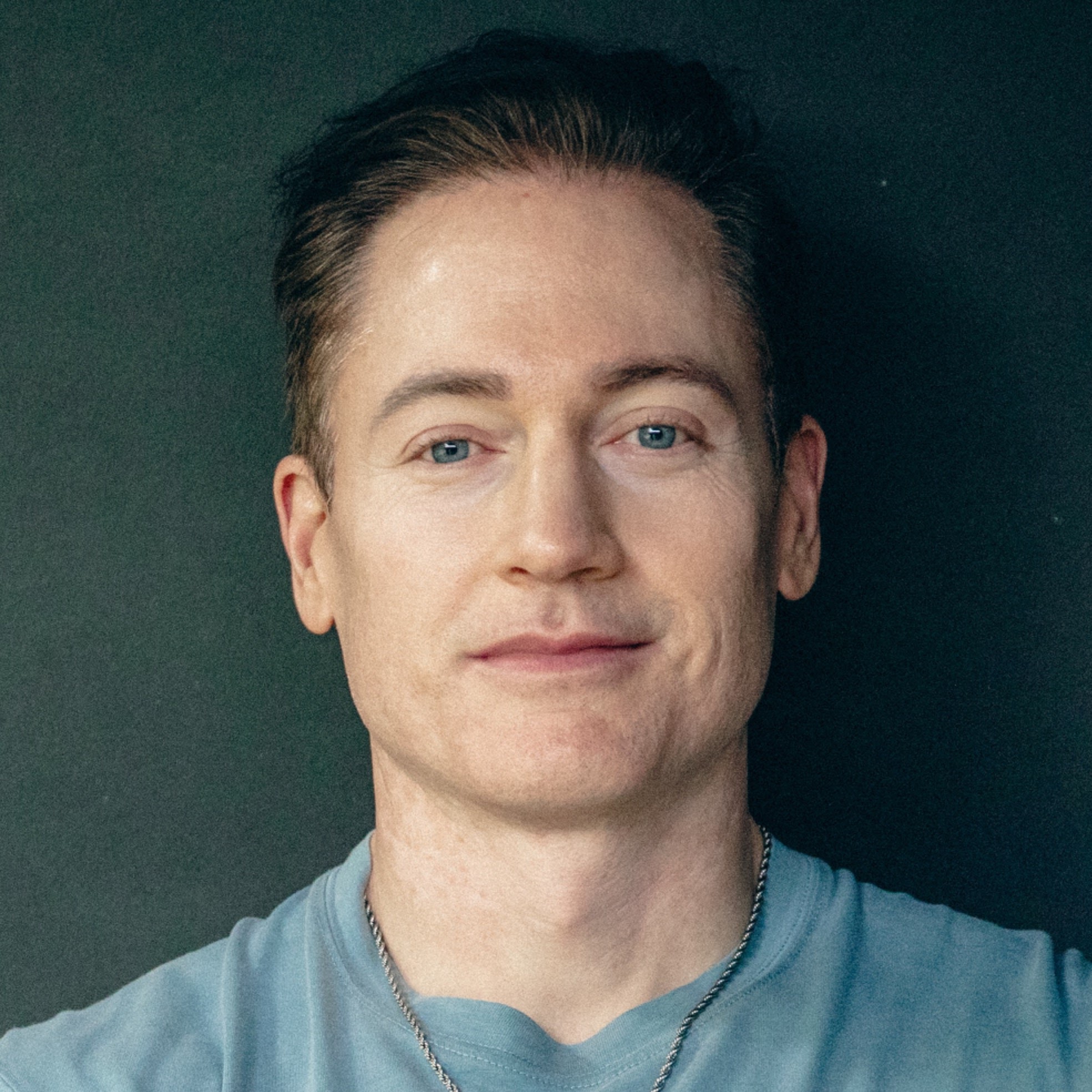
step-up cardiovascular fitness assessment
We're trying to go for precision and these instructions matter a lot. 2 in above the ground and then full extension. 67 182. Good job. 532. 42. Good job. What's your What's your chronological age?

The four things you'd lose by not watching
Bryan Johnson's Blueprint is less about a specific diet or protocol and more about using measurement and data to guide health choices, as witnessed at his Don't Die Summit.
His unconventional 'Yes, and' tactic for online hate — accepting insults and twisting them positively — effectively diffuses trolls and protects his mental space.
A personal rebirth through transcendental warehouse rave dancing in Brooklyn renewed his life after a period of profound depression and failure.
At the sold-out Don't Die Summit, participants engage in biomarker testing, therapies, and workshops aimed at measurable health improvements.
Concrete recipes — what, when, how much, and why
We're trying to go for precision and these instructions matter a lot. 2 in above the ground and then full extension. 67 182. Good job. 532. 42. Good job. What's your What's your chronological age?
Purple cabbage, the cilantro. Let's do that sweet potato.
I'm like, I'm kind of here for it cuz I don't want to live like that, but he can live like that and just tell us what actually works. ... just sleep 8 hours.
Personal practice updates, fresh positions, predictions
Johnson describes how discovering underground rave parties in Brooklyn revived him after a crushing low point, giving him a new lens on life and joy.
Why this matters: It humanizes a data-obsessed figure, showing that a non-measured, ecstatic practice can be as transformative as a quantified biomarker protocol.
Before this, Johnson was navigating the collapse of his previous company and personal depression, seeing himself as 'smoked' if he failed.
Johnson paints a picture of total collapse: building his startup Braintree had left him 'so depressed and so beaten down that I thought if I don't make it on this one I'm smoked.' Everything in his life felt broken. Coming to New York, he stumbled into warehouse parties where the dancing began at midnight. This became a portal to an entirely new inner reality. He emphasizes that growing up, dancing wasn't part of his world—so this was a foreign, almost forbidden ecstasy. The rave experience wasn't just fun; it was a rebirth. He credits it with resetting his capacity for joy and showing him there was a life beyond the narrow metrics of success and failure he had been trapped in. The experience now informs his broader mission: the idea that a 'new thing sits on the other side of all of our current ideas about what reality is.'
Johnson's own story: after Braintree, his life was 'in shambles.' In New York, he attended his first rave, discovered a love of dancing, and calls it 'probably the most exciting moment of my life ... transported into a new reality.' This marked a clean break with his past self, and he now says 'New York has a soft place in my heart.'
New York is home to my rebirth. The most distinct thing was the first rave I had in Brooklyn, these warehouse parties where the dance party begins at midnight. That was when I discovered my love of dancing. Growing up, we never even danced. And so, yeah, probably the most exciting moment of my life. Like, just like a transported into a new reality.
Johnson practices accepting every insult online and then amplifying it with humor ('Yes, and...') to defuse attacks, rather than defending himself.
Why this matters: It's a counterintuitive public relations strategy that turns criticism into a shared joke, protecting his mental bandwidth while often disarming the attacker.
After a viral tweet brought a tsunami of vitriol, Johnson noticed the hater mob was more interested in his reaction than in his health claims, and traditional defensive arguments only fueled more ridicule.
When Blueprint went viral, Johnson faced an overwhelming barrage of abuse—from death wishes to elaborate takedowns. He realized that engaging in dispute gave critics the 'no butt' they could exploit. Drawing on improvisational comedy principles, he started responding to every insult by agreeing and building on it: 'Yes, actually...' For example, when asked if it's healthy to never get sunlight and look pasty, he replied, 'Yes. Actually, yes. Skin cancer is a big don't get it.' This approach removes the friction that normally escalates online conflict; it leaves the aggressor with nowhere to go. Johnson claims it has been 'a great formula' because 'if you yes-and them, it just like wipes it.' He frames this not as weakness but as a form of strategic play that lets him stay engaged without losing energy to combat.
Johnson says, 'The entirety of my online interactions is yes. And if somebody is going to insult me, I will accept the insult and then yes and them.' He practices this daily and reports that it keeps him sane while maintaining his public persona.
If somebody is going to insult me, I will accept the insult and then yes and them. It's really been a great formula because it diffuses the hater. If you give them a no butt, then they've got something to work with. If you yes-and them, it just like wipes it.
Johnson's sold-out summit (1,400 attendees) is designed around teaching people to measure biomarkers and achieve measurable health improvements.
Why this matters: It shifts health self-experimentation from guru advice to data collection, reflecting his central thesis that health optimization should be quantified.
His initial Blueprint diet and protocol were largely ignored; only the spectacle of his lifestyle and the reaction it provoked drew mass attention, obscuring the measurement-first philosophy.
We want it to be the best time anyone's ever invested on how to actually improve health measurably. Mental health, physical health, all the above.
Products, supplements, and tools mentioned in the episode
A communication strategy borrowed from improvisational comedy to neutralize hostility by accepting the premise and adding a constructive twist.
After Blueprint blew up, Johnson endured a relentless wave of character assassination. He found that traditional denial or argument would give critics a foothold. Instead, he adopted the rule that every reply would be a 'yes, and' that neither validates the abuse nor retreats. The core is to take the insult literally, agree with it, and then extend it in a way that renders the attack absurd. For instance, being called 'pasty' leads to 'Yes, actually, skin cancer is bad.' This strategy has become his primary method for staying engaged online without being weakened by the negativity. It requires no special tools, only mental reframing.
Contrasts with blocking, arguing, or ignoring trolls, which often escalate or give satisfaction to the aggressor.
Johnson says he applies this to 'the entirety of my online interactions' and finds it 'diffuses the hater'.
If somebody is going to insult me, I will accept the insult and then yes and them. It's really been a great formula because it diffuses the hater.
Johnson recommends these specific whole foods as part of his daily regimen; they are visible in his meal prep.
Rather than relying on exotic superfoods or supplements, these are affordable, widely available vegetables that support a nutrient-dense, data-backed diet.
Purple cabbage, the cilantro. Let's do that sweet potato.
A 4-hour summit plus a longevity park where people can try therapies and learn to measure biomarkers for mental and physical health.
DisclosureBryan Johnson's own event, now in its third edition, sold out at 1,400 attendees.
Unlike typical health conferences that rely on speaker authority, the summit emphasizes hands-on measurement and individual biomarker data.
We have a Don't die summit tomorrow. Our third. This will be sold out. 1,400 people. We have a longevity park where you try a bunch of therapies. Then we teach people for 4 hours on how to measure biomarkers and achieve better health.
Lines worth pulling out — contrarian, specific, or perfectly phrased
The entirety of my online interactions is yes. And if somebody is going to insult me, I will accept the insult and then yes and them. It's really been a great formula because it diffuses the hater.
Is it healthy to never get sunlight and to be that pasty looking? Yes. Actually, yes. Skin cancer is a big don't get it.
I was so depressed and so beaten down that I thought if I don't make it on this one I'm smoked. The problem is I never quit.
We want it to be the best time anyone's ever invested on how to actually improve health measurably. Mental health, physical health, all the above.
Health is a universal desire. It transcends borders. It trans ethnicities. It transcends ideologies. It is the one thing we all share in common.
Tell us if this brief hit the mark or missed it — feedback feeds back into the next iteration of the prompt.
Topics covered
Reading is free for everyone. A free account adds the personal layer: save protocols, follow experts, and see how the other experts weigh in on this same topic.
Educational summary of the cited expert source — not medical advice. Open the source recording linked above and consult a qualified physician before acting on any protocol.