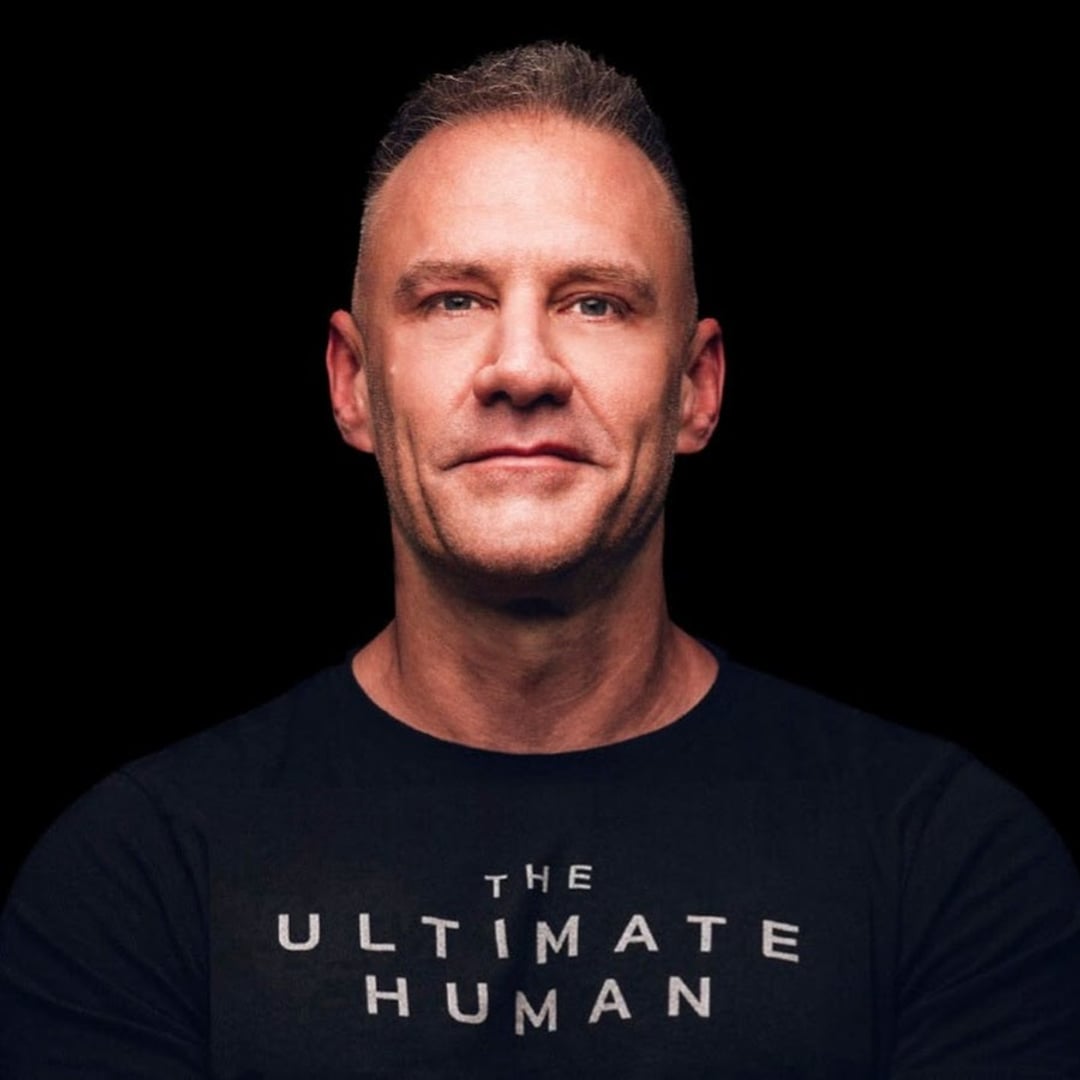
Dr. Marty Makary, the new FDA Commissioner, has already taken swift action: he removed all nine petroleum-based food dyes from the US food supply, something the agency had discussed for 35 years but never acted on.
2
He reversed the 22-year-old black box warning on hormone replacement therapy for postmenopausal women, citing the original 2002 Women's Health Initiative study that found no statistically significant increase in breast cancer and a 22% reduced risk in the estrogen-only group.
3
The FDA is rewriting the dietary guidelines with USDA within the next two months, ending the 50-year war on natural saturated fat and emphasizing the importance of protein, fiber, and whole foods — a direct repudiation of the old food pyramid and the calories-in-calories-out dogma.
4
Makary announced a pilot program to approve breakthrough therapies in 4–8 weeks using national priority review vouchers (starting with a gene therapy for congenital deafness) and declared that the FDA will no longer rubber-stamp annual mRNA COVID boosters without gold-standard clinical data.
Protocols
Concrete recipes — what, when, how much, and why
4 items
Initiate hormone replacement therapy within 10 years of menopause onset
WhatStart estrogen-based HRT within the first 10 years after menopause to relieve symptoms and obtain long-term cardiovascular and bone benefits.
WhenWithin 10 years of the onset of menopause; ideally as soon as symptoms develop.
DoseContinuous or cyclic as prescribed by a physician; bioidentical hormones often preferred.
For whomPostmenopausal women without contraindications (e.g., history of certain cancers); especially those within the 10-year window and suffering from disruptive symptoms.
WhyHRT reduces fatal heart attacks by 25–50%, prevents osteoporosis better than any alternative, and alleviates hot flashes, night sweats, mood swings, and brain fog. The earlier it is started, the more pronounced the benefits.
CaveatsMust discuss personal risk factors with a doctor; the original Women's Health Initiative study may have overestimated breast cancer risk due to the type of progestin used (MPA). Bioidentical hormones and estrogen-only therapy (in women without a uterus) show more favorable risk profiles.
Makary dedicates a long segment to the history of HRT. He explains that the 2002 WHI study was designed to prove harm, and its leaders framed a non-significant finding as a definitive cancer verdict. This led to the FDA’s black box warning and decades of fear. He shares that dissenting scientists were silenced — one lost NIH funding. The result was 50 million women denied a therapy that not only improves quality of life but also cuts the risk of the leading cause of death in women. Makary emphasizes that many physicians now consider 10 years post-menopause the window of maximum benefit; after that, the risk–benefit ratio may shift. The protocol is to start early and use the safest available formulation (often bioidentical estradiol with micronized progesterone).
Mechanism
Estrogen protects the vascular endothelium, maintains bone density by inhibiting osteoclast activity, and stabilizes neurotransmitters; the abrupt loss at menopause accelerates atherosclerosis and bone loss.
Personal experience
The host’s wife experienced rapid symptom resolution (frozen shoulder, brain fog, poor sleep) within three weeks of starting bioidentical HRT; Makary has heard similar stories from women who stop him to thank him for removing the warning.
When you start it within 10 years of the onset of menopause, it not only reduces the short-term symptoms ... but it also has profound long-term health benefits. Reducing the risk of fatal heart attacks by 25 to 50%.
Also said
“Prevents osteoporosis better than anything else out there. You can take all the calcium in the world ... without estrogen, it doesn't do a whole lot.”— Emphasizes the unique role of estrogen in bone health.
Eliminate petroleum-based food dyes from your child’s diet
WhatRemove all artificial petroleum-derived food dyes from children’s meals and read labels to avoid them.
WhenAs soon as possible; especially for children showing behavioral or attention issues.
DoseComplete avoidance; no safe level proposed.
For whomAll children, particularly those with hyperactivity, ADHD, or behavioral challenges.
WhyEuropean countries already ban these dyes; parents report major improvements in aggressive and abnormal behavior when dyes are removed, and regression when reintroduced.
CaveatsNone; the intervention is harmless and can only benefit health.
Makary uses the dye ban to illustrate how the FDA is now listening to real-world evidence — parents’ observations. He says the old medical establishment would demand a multi-year randomized controlled trial while ignoring the fact that no child is dependent on these dyes. By acting after 35 years of deliberation, he signals that precautionary principle wins when harm is plausible and avoidable. He ties this to the over-medicalization of childhood behavior: kids are drugged for disorders that may be rooted in diet and environment.
Mechanism
The exact biological mechanism is not fully explained, but the Commissioner notes that removing these chemicals reduces neuroinflammatory or toxic effects that can alter behavior in susceptible children.
We can listen to parents that say when we removed these petroleum based food dyes, their aggressive abnormal behavior improved and then a year later when the kid got back into those artificial food dyes, we noticed their behavior regressed.
Also said
“What's the worst thing that could happen? Because nobody is dependent upon them. ... the risk is that it doesn't work, but it does no harm.”— Applies a common-sense risk calculus.
Minimize unnecessary antibiotics in children under 2 years
WhatAvoid giving antibiotics to children under two unless absolutely medically necessary, to protect the developing microbiome.
WhenEvery time an antibiotic is prescribed — question the necessity, especially for viral illnesses.
DoseZero unnecessary courses; at least half of all pediatric antibiotics are unnecessary.
For whomInfants and toddlers under 2; applicable to all parents and pediatricians.
WhyA large Mayo Clinic study found that any antibiotic exposure in the first two years of life was associated with a 20% higher obesity rate, 21% more learning disabilities, 32% more ADHD, 90% more asthma, and up to 300% higher risk of Crohn’s and celiac disease — in a dose-dependent manner.
CaveatsAntibiotics can be life-saving; this is about eliminating truly unnecessary prescriptions, not withholding them when critical.
Makary dedicates several minutes to the microbiome as the biggest unaddressed frontier in medicine. He details the Mayo Clinic study outcomes and invokes Dr. Fleming’s 1928 warning about antibiotic overuse causing resistance and ‘evil.’ He argues that the explosion in childhood chronic diseases — asthma, ADHD, obesity, autoimmune conditions — cannot be understood without considering early-life microbiome disruption. He links this to the earlier themes: ultra-processed foods further perturb the microbiome, and the medical system ignores root causes. The protocol is a plea for restraint and a shift toward preventive gut health.
Mechanism
Antibiotics carpet bomb the gut microbiome, leading to bacterial overgrowth, inflammation, and immune dysregulation that manifests as metabolic, neurodevelopmental, and autoimmune disorders later in life.
Kids that got antibiotics in the first two years of life, 20% higher rate of obesity, 21% higher rate of learning disabilities, 32% higher risk of ADHD, 90% higher rate of asthma ... and there was a dose dependent relationship.
Also said
“The guy who invented antibiotics, Dr. Fleming in 1928, warned about its overuse and abuse and how this would be an evil and result in resistance.”— Historical precedent reinforcing the protocol.
Increase exposure to natural light, especially for children
WhatEnsure children get morning natural light exposure and are not kept in artificial fluorescent lighting all day.
WhenEvery day; align school start times and break schedules to allow outdoor light.
DoseAs much daylight as possible; at least break periods outdoors.
For whomAll children, particularly those struggling with attention and behavior.
WhyDisrupted circadian rhythms worsen sleep, behavior, and metabolic health. Makary argues kids currently get less natural light than inmates, which contributes to hyperactivity and the overdiagnosis of behavioral disorders.
CaveatsNone; simple environmental change.
Makary paints a vivid picture: kids are wrenched from deep sleep in the dark, put on a bus, and then sit under micro-flashing fluorescent lights for seven hours with little outdoor time. Combined with high-sugar meals, this drives insulin spikes and behavioral issues. Instead of fixing the environment, we label the child as having oppositional defiant disorder and drug them. He uses this to illustrate the medicalization of ordinary life and the need to address root causes like light, diet, and movement.
Mechanism
Natural light sets the suprachiasmatic nucleus (master clock), regulating cortisol, melatonin, and alertness cycles. Fluorescent light with micro-flashing disrupts this rhythm.
They sit under a micro flashing fluorescent light all day long, sometimes with less natural light exposure than an inmate in a penitentiary.
Also said
“We take a kid in the middle of their circadian rhythm of a deep sleep. We rattle them, put them on a school bus while it's dark outside ... because it's convenient for adults.”— Shows how adult convenience trumps child biology.
What's new
Personal practice updates, fresh positions, predictions
6 items
Radical transparency at FDA — public rejection letters
For the first time, the FDA is making its drug rejection and acceptance letters public so companies can no longer spin the reasons for a denial.
Why this matters: Breaks two decades of industry secrecy; allows patients and researchers to see why a drug was rejected, preventing misinformation.
Background
Historically companies would announce a drug was not approved but could frame the reason favorably. The FDA’s internal reasoning was hidden.
Makary describes the change as part of a broader ‘radical transparency’ push. The idea had been floated for 20 years but never implemented. By making these letters public, he argues the FDA is empowering patients, curbing corporate spin, and restoring trust. He connects this to the agency’s shift from a paternalistic gatekeeper to an honest broker of data. This also dovetails with his decision to release internal documents on myocarditis and COVID shots in children, underscoring a new culture of disclosure.
They've been talking about making the rejection letters of the FDA when drugs are rejected ... We talked about the value of radical transparency where our rejection letters and acceptance letters are now public information.
Also said
“They've been talking about that for two decades. We got it done within a couple months.”— Highlights the speed of reform.
Black box warning removed from hormone replacement therapy (HRT)
The FDA removed the dangerous black box warnings on estrogen therapy for menopausal women, reversing a 22-year policy based on a flawed interpretation of the Women's Health Initiative study.
Why this matters: Affected an estimated 50 million women who were denied or scared away from HRT; the original study actually showed no statistically significant increase in breast cancer and a 22% reduction in risk for the estrogen-only group.
Background
In 2002 a massive NIH-funded trial was abruptly halted and reported to the media as proving HRT causes breast cancer. The FDA rapidly adopted the black box warning. Makary uncovered that dissenting scientists at the meeting felt ambushed — the manuscript had already been submitted to and accepted by JAMA without their input.
Makary delves into the internal dissent: a shouting match erupted when lead investigators presented the conclusion as a fait accompli. One dissenter lost his NIH funding for disagreeing. He argues this was a personality-ego battle camouflaged as high science, and the media’s framing caused doctors to stop prescribing HRT. The black box warning stuck for 22 years. By removing it, Makary says the FDA is correcting a profound injustice. He acknowledges that modern bioidentical hormones and different progestins further reduce any theoretical risk. The decision also signals that the agency will no longer tolerate groupthink that harms patients.
Personal experience
Makary shares that the host’s wife experienced dramatic symptom relief within weeks of starting HRT — frozen shoulder gone, mood improved, sleep normalized. He says hearing such stories reinforces his commitment.
There was no statistical significant increase in breast cancer in the women that got hormone replacement therapy compared to those who did not, but they sold it to the media as an increase.
Also said
“A couple of the guys said, 'You can't put this out there. You dangle something as sensitive as breast cancer to women, quote unquote, you may never be able to put that genie back in the bottle.' That's exactly what happened.”— Captures the precise warning that went ignored.
“50 million women were talked out of, never offered or discouraged from taking hormone replacement therapy.”— Quantifies the human toll of the dogmatic warning.
“If you were on estrogen alone ... they had a 22% reduced risk of breast cancer.”— Undercuts the cancer narrative with the actual data.
Petroleum-based food dyes banned after 35 years of talk
The FDA moved within weeks to remove all nine petroleum-based food dyes from the US food supply — a goal that had been debated for 35 years with zero action.
Why this matters: A direct blow to ultra-processed foods; aligns with the ‘Make America Healthy Again’ agenda and signals the FDA is finally taking food-as-medicine seriously.
Background
For decades committees, citizens’ petitions, and frameworks were proposed but nothing changed. Europe already bans many of these dyes. Makary frames this as ending the agency’s inertia.
Makary contrasts the prior administration’s priority (fighting misinformation) with his own (delivering cures and healthier food for kids). The dye ban is just one part of a broader food safety overhaul: he plans to address over 1,000 chemicals permitted in the US food supply that are banned in Europe, reform the GRAS (Generally Recognized As Safe) loophole, and send enforcement warning letters to companies making misleading claims. He says the change came from listening to parents who witnessed their children’s behavior improve when dyes were removed and deteriorate when reintroduced — a form of real-world evidence he now respects.
They talked about banning one food dye for 35 years at the FDA ... and when we got there, within weeks, we took action to remove all nine petroleum based food dyes from the US food supply.
Also said
“The last commissioner in the Biden administration had said that his number one priority was fighting misinformation. ... I wanted to make it very clear my number one priority is to deliver more cures and meaningful treatments and healthier food for children.”— Frames the philosophical shift that enabled the ban.
Rewrite of US dietary guidelines and food pyramid
The FDA alongside USDA will issue new dietary guidelines within two months, ending the 50-year war on natural saturated fat and elevating protein, fiber, and whole foods.
Why this matters: Marks a historic rejection of the industry-influenced food pyramid and the ‘calories-in-calories-out’ dogma that contributed to the obesity epidemic.
Background
The old guidelines were drafted with heavy food-industry influence, demonizing saturated fat and downplaying protein. Medical schools taught that calorie source was irrelevant. Makary calls that one of the most damaging dogmas of modern health.
Makary argues that the old pyramid was ‘written by the industry’ to sell products, not to promote health. The new guidelines will explicitly talk about the quality of whole foods — fruits, vegetables, properly raised animal products — and the importance of protein for muscle preservation and metabolic health. He also stresses that the gut microbiome is profoundly influenced by food quality, linking the new guidelines to the emerging science on insulin resistance, inflammation, and chronic disease. The change is expected to ripple through school lunch programs, WIC, and doctor counseling.
Personal experience
As a surgeon who studied frailty, Makary notes his firsthand understanding that sarcopenia (age-related muscle loss) is deadly, which fuels his push for protein emphasis.
We're rewriting that. ... We're going to end the 50-year war on natural saturated fat. We're going to talk about protein, the importance of protein. It's been downplayed.
Also said
“One of the greatest medical dogmas in modern history has been the broken food pyramid written by the industry ... based on what the companies wanted you to buy.”— Reveals the intent behind the old guidelines.
“the dogma that calories in equals calories out ... It didn't matter how you get those calories. Didn't matter if it's ultraprocessed food or cardboard with sugar on it. It's done tremendous damage.”— Directly indicts the old nutritional model.
FDA returns to gold-standard science for vaccines, no more rubber-stamping mRNA shots
The FDA will no longer automatically reauthorize mRNA COVID vaccines each year without rigorous data; it will apply the same independent evidence threshold to all vaccines, and already rejected an mRNA flu shot that failed a senior trial.
Why this matters: A major break from pandemic-era policies; the agency is publicly asserting independence from pharmaceutical lobbyists and political pressure.
Background
During COVID, annual mRNA boosters were recommended with limited strain-match or efficacy data. Makary notes myocarditis is a real complication in young men and that some children have died. The prior CDC/FDA approach eroded public trust.
Makary frames this as a return to the FDA’s core job: evaluating whether data supports claims, not succumbing to corporate or political influence. He explicitly says ‘we're not going to blindly rubber stamp mRNA COVID vaccines every year in perpetuity with no data.’ The recent failure of an mRNA flu vaccine in seniors is proof that the new approach is real — the product won’t be approved. He also promises full transparency on adverse events, citing the release of internal documents on myocarditis and COVID shots in children. While he stresses he is not removing any existing vaccines, he wants the public to have complete information to make informed decisions, and expects the CDC to re-evaluate its recommendation schedule.
We're going to return to a gold standard science threshold for approvals at the FDA. We're not going to be blindly rubber stamping mRNA COVID vaccines every year in perpetuity with no data.
Also said
“When the mRNA flu shot failed in its clinical trial in seniors just weeks ago, it was announced. Guess what that means? We're not going to be approving it.”— Demonstrates the policy in action with a concrete example.
“People believe that the pharma industry thinks that they own the FDA, but they don't own the FDA. The FDA belongs to the American people.”— Defines the philosophical line he is drawing.
National priority review voucher pilot for breakthrough cures (4–8 weeks)
The FDA created a pilot program to issue decisions on certain life-altering therapies in 4–8 weeks using national priority review vouchers, starting with a gene therapy that restored hearing in children with congenital deafness.
Why this matters: Unprecedented acceleration; signals a willingness to partner with innovators and get cures to patients without the standard 10–12 year timeline.
Background
Traditional drug approval timelines stretch over a decade. Expedited pathways existed in name only and rarely achieved such speed. Makary read about the deafness gene therapy in the New England Journal of Medicine and personally reached out to the company.
Makary describes a case where 12 children received the therapy: three gained normal hearing and seven improved. His team contacted the company within days and granted the voucher. He says this is the first time the FDA has piloted such a rapid program. The goal is to break the paternalistic ‘we must protect you from unapproved therapies’ mindset, replacing it with a sense of urgency for cures. He notes that lowering R&D costs (via eliminating unnecessary animal testing and streamlining trials) will further encourage innovation and competition, ultimately lowering drug prices.
Personal experience
Makary recalls asking his scientific reviewers, ‘Are you seeing anything that gives you chills up your spine?’ and when they identified the deafness therapy, he acted immediately.
We reached out to the company and within a matter of days, we were able to issue them a national priority review voucher to get a decision out in weeks once they submit their data.
Also said
“What are we waiting for? Because kids are deaf, right?”— Conveys the ethical urgency driving the policy.
Recommendations
Products, supplements, and tools mentioned in the episode
4 items
Start HRT within 10 years of menopause for long-term health
Practice
Dr. Makary, as FDA Commissioner, is reversing the agency's previous warning and publicly endorsing the safety and benefit of hormone therapy when started early.
This recommendation stems from his deep-dive into the flawed WHI study and the realization that 50 million women were harmed by the misinformation. He argues it is a medical and ethical imperative to correct the record. He points out that the benefits include a dramatic reduction in fatal heart attacks and prevention of osteoporosis, and that the therapy is safe when using modern preparations and starting within the window.
vs alternatives
Compared to alternative menopause remedies (e.g., antidepressants for hot flashes, calcium alone for bone loss, simple symptom management), HRT addresses the root hormonal deficiency and provides cardiovascular and bone protection that other approaches cannot match.
Personal experience
Makary shares the host’s wife’s rapid improvement as a real-world testament, and he notes that women frequently stop him to thank him for removing the warning.
When you start it within 10 years of the onset of menopause, it not only reduces the short-term symptoms ... but it also has profound long-term health benefits.
Also said
“Prevents osteoporosis better than anything else out there.”— Direct superiority claim.
Remove all artificial food dyes from your child's diet
Practice
As the FDA moves to ban these dyes, the Commissioner encourages parents to act immediately by reading labels and eliminating foods containing petroleum-based colorings.
Makary positions this as a zero-risk intervention with high potential upside for childhood behavior. He contrasts the old FDA's paralysis with his new proactive stance, and he uses the example to advocate for a precautionary approach: if a chemical isn't essential and could cause harm, remove it. The recommendation is part of a larger agenda to make school lunches and the overall food supply cleaner.
vs alternatives
The alternative is doing nothing and potentially medicating a child for behavioral issues that are diet-induced. Removing dyes costs nothing and has no side effects, unlike prescription stimulants.
We can listen to parents that say when we removed these petroleum based food dyes, their aggressive abnormal behavior improved.
Also said
“What's the worst thing that could happen? ... the risk is that it doesn't work, but it does no harm.”— Risk-benefit logic.
Given the Mayo Clinic study linking early antibiotic exposure to chronic disease, Makary urges parents and clinicians to be far more conservative with antibiotics in the first two years of life.
This is not just a parenting tip but a systemic recommendation: at least half of pediatric antibiotics are prescribed for viral illnesses where they won't help. The downstream effects — obesity, ADHD, asthma, autoimmune diseases — represent a massive public health burden. Makary wants this evidence integrated into pediatric guidelines and medical education.
vs alternatives
The alternative is continued overuse, which fuels both antibiotic resistance and an epidemic of chronic childhood diseases. Being more selective with antibiotics protects the microbiome and avoids these long-term sequelae.
Kids that got antibiotics in the first two years of life ... 90% higher rate of asthma ... and there was a dose dependent relationship.
Give children daily natural light and outdoor time instead of continuous fluorescent lighting
Practice
Makary challenges schools and parents to redesign children's daily environment to prioritize circadian health, as part of preventing behavioral and metabolic disorders.
He draws a direct line between the modern school environment (dark mornings, artificial light, long desk confinement, high-sugar meals) and the explosion in diagnoses like ADHD and oppositional defiant disorder. The recommendation is to start school later, provide outdoor breaks, and bring in natural light — all low-cost, lifestyle-based interventions that address root causes rather than relying on medication.
vs alternatives
The status quo is to diagnose and drug children with stimulants or other medications, which can have side effects and do nothing to fix the environment. Replacing some indoor time with natural light and movement is free and has no adverse effects.
They sit under a micro flashing fluorescent light all day long, sometimes with less natural light exposure than an inmate in a penitentiary.
Also said
“We tell a kid to sit still at a desk for seven hours ... We say, 'You're a bad kid. We're going to drug you.'”— Shows the consequence of ignoring the environment.
Lines worth pulling out — contrarian, specific, or perfectly phrased
6 items
If we were to evaluate the US health care system over the last 50 years in terms of the performance indicator of the health of the population, US healthcare has been a 50-year failure.
A stark, data-backed repudiation of the medical establishment from the sitting FDA Commissioner.
We have medicalized ordinary life and we are drugging our nation's kids at scale and not talking about the underlying root causes.
Succinctly captures the theme of overmedicalization driving the chronic disease crisis.
There was no statistical significant increase in breast cancer in the women that got hormone replacement therapy compared to those who did not, but they sold it to the media as an increase.
Exposes the gap between data and public messaging in a landmark study that shaped women's health for decades.
You can't put this out there. You dangle something as sensitive as breast cancer to women, quote unquote, you may never be able to put that genie back in the bottle.
Prophetic warning from a dissenting WHI scientist that precisely predicted the 22-year damage.
People believe that the pharma industry thinks that they own the FDA, but they don't own the FDA. The FDA belongs to the American people.
Blunt declaration of independence, signaling a new era of regulatory resistance to industry capture.
The worst thing you can do as a doctor is to tell someone to do something with such absolutism masqueraded as evidence-based settled science when the actual data is very flimsy or non-existent and it's just your opinion.
A call for humility and transparency that directly condemns the pandemic-era medical communication style.
Sign in to share feedback
Tell us if this brief hit the mark or missed it — feedback feeds back into the next iteration of the prompt.
Reading is free for everyone. A free account adds the personal layer: save protocols, follow experts, and see how the other experts weigh in on this same topic.
Educational summary of the cited expert source — not medical advice. Open the source recording linked above and consult a qualified physician before acting on any protocol.