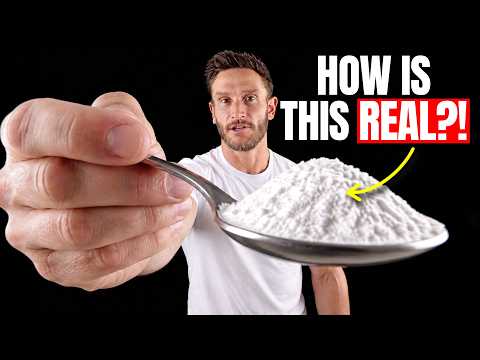
Many popular protein bars contain harmful, synthetic ingredients like EPG (esterified propoxylated glycerol), which can cause gastrointestinal issues and reduce vitamin absorption.
2
Common protein bar ingredients like soy lecithin are often derived from genetically modified soybeans sprayed with glyphosate and extracted using neurotoxic petroleum-based solvents like hexane.
3
"Natural flavors" and "artificial flavors" in protein bars can be highly processed chemicals, sometimes derived from petroleum byproducts or even animal glands, despite their misleading names.
4
The speaker developed a "Lineage Bar" made from whole, real food ingredients like grass-fed whey and collagen, organic honey (tested for glyphosate), wild blueberries, and grass-fed tallow, as an alternative to conventional protein bars.
What's new
Personal practice updates, fresh positions, predictions
2 items
Prevalence of fake ingredients in protein bars
0:00
The speaker asserts that 99.9% of the over 10,000 protein bars on the market contain "fake garbage ingredients."
Why this matters: This is a strong, contrarian claim challenging the perceived health benefits of a widely consumed product category.
99.9% of them are full of fake garbage ingredients.
Concerns about "Generally Recognized As Safe" (GRAS) standards
5:00
The speaker believes the GRAS standards for food additives need updating, citing a vast difference in approved chemicals between the US and Europe.
Why this matters: This highlights a regulatory critique and suggests potential health risks from widely accepted food additives.
The speaker points out that over 5,000 chemicals have been approved in the US food supply under GRAS standards in the last 20-40 years, compared to only about 500 in Europe. He questions the safety of these compounds, especially given the lack of understanding about their long-term effects on human health, such as headaches or fatigue after consuming certain protein bars.
This is one of the reasons that the grass standards, the generally recognized as safe standards, I think they need updating.
Also said
“There have been over 5,000 chemicals in our food supply in the United States that have gotten through this grass standard in the last 20 to 40 years. In Europe, there's only about 500 of these compounds, which is probably 500 too many.”— Provides specific numbers to illustrate the disparity and the speaker's concern.
“We don't even know why after we eat a protein bar, we get a headache or we feel fatigued.”— Connects unknown chemical effects to common, subtle health issues.
Disclosed sponsorships1speaker disclosed
Lineage Bar
Product Sponsored · disclosed
A protein bar designed to be a clean, real-food alternative to the majority of protein bars on the market.
DisclosureThe speaker is the creator and developer of the Lineage Bar.
The Lineage Bar was developed over several years to address the speaker's concerns about the synthetic and harmful ingredients found in most protein bars. It aims to provide high protein content (20g) with less than 200 calories, using only real food ingredients. Key components include grass-fed whey protein, grass-fed collagen, organic honey (specifically tested for glyphosate), wild blueberries, organic strawberries, coconut nectar, and grass-fed tallow. The speaker emphasizes its superior taste and texture compared to other 'legit' protein bars he has tried, positioning it as a healthy and delicious option.
vs alternatives
It is presented as a direct contrast to 99.9% of other protein bars, which are described as "candy bars in disguise" full of artificial ingredients, petroleum derivatives, and gut-disrupting substances. The Lineage Bar avoids artificial flavors, colors, sweeteners, seed oils, and processed sugars, unlike most competitors.
Personal experience
The speaker personally developed and tested this bar over years, stating, "It took us years to develop this protein bar, guys. It took us so many trials, so many failed attempts to get everything right."
And that's why I wanted to make the cleanest, best tasting protein bar on the planet from real food ingredients. And look guys, we did it.
Also said
“20 g of protein from grass-fed whey protein. This is from cows raised on pasture. We also added grass-fed collagen from grass-fed beef.”— Highlights the protein sources and their quality.
“Instead of sweetening it with artificial flavors, natural flavors, and artificial sweeteners, we used real foods like organic honey. We used our lineage raw glyphosatefree honey. We test every batch for glyphosate...”— Details the natural sweeteners and a key quality control measure.
“We beat almost every single other protein bar on the market, except, you know, the guys who are faking it with the EPG and other garlics like that.”— Asserts competitive advantage in nutrition and ingredient quality.
Lines worth pulling out — contrarian, specific, or perfectly phrased
5 items
99.9% of them are full of fake garbage ingredients.
A bold, attention-grabbing statement about the protein bar market.
Well, where's the rest of the oil going? Out your butt, guys.
A blunt and memorable explanation of EPG's digestive effects.
Despite the fact that Monsanto, who makes glyphosate, also known as Roundup and herbicide, they've paid out over 11 billion in settlements through the legal system linking glyphosate to cancer. Hm. Maybe it's not so benign.
Highlights a significant legal and health controversy related to a common agricultural chemical.
As long as it starts with something natural, it can be extracted with petroleum based artificial chemicals that could potentially be harmful for humans. But what we want to talk about next is artificial flavors, which are pretty gross.
Exposes the misleading nature of "natural flavors" and transitions to the even more concerning "artificial flavors."
The protein bar market is an absolute train wreck today. It's just candy bar after candy bar masquerading as something healthy just by putting extra protein into a candy bar.
A strong critique of the current state of the protein bar industry.
Sign in to share feedback
Tell us if this brief hit the mark or missed it — feedback feeds back into the next iteration of the prompt.